



Why Does My Dog Chew Everything? Common Causes & Safer Chews to Try
Shoes, couch corners, chair legs, blankets, toys, boxes — if your dog chews everything, they are not trying to annoy you. Chewing is normal dog behavior, but it needs the right outlet.
Dogs chew because chewing is natural. The problem starts when they do not have the right chew outlet, enough stimulation, enough supervision, or a routine that teaches them what is okay to chew.
Quick answer: dogs chew everything because they may be teething, bored, anxious, under-stimulated, exploring, hungry, or lacking appropriate chew options. The solution is not just “stop chewing” — it is to redirect chewing to safer, supervised chews.
Is It Normal for Dogs to Chew Everything?
Chewing is normal for dogs. Puppies chew as they explore and go through teething. Adult dogs chew for activity, stress relief, boredom, habit, taste, smell, and enrichment.
The issue is not chewing itself. The issue is where the chewing goes. A dog chewing a supervised bully stick or cow ear is very different from a dog chewing shoes, furniture, cords, rugs, pillows, or wood trim.
A better chew routine gives your dog something appropriate to work on while protecting your home, furniture, and personal items.
7 Common Reasons Dogs Chew Everything
Before fixing destructive chewing, it helps to understand why it is happening.
Boredom
Dogs often find their own entertainment when they do not have enough physical activity, mental stimulation, or chew outlets.
Teething or Mouth Discomfort
Puppies may chew more during teething. Adult dogs with dental discomfort may also chew differently or avoid certain textures.
Separation Stress
Some dogs chew more when left alone, especially around doors, windows, crates, shoes, or items that smell like their person.
Too Much Freedom Too Soon
Young dogs often need management. Full house freedom before they understand rules can lead to furniture, rugs, and shoes becoming chew targets.
High Energy
A dog with extra energy may use chewing as an outlet, especially if walks, play, sniffing, and training are not enough.
Smell and Texture
Shoes, socks, wood, leather, blankets, and food packaging may smell or feel interesting, making them tempting to chew.
No Better Option Nearby
If your dog has access to shoes but not a satisfying chew, shoes may win. Make the right choice easier.
What to Do When Your Dog Chews the Wrong Things
The best chewing plan combines prevention, redirection, exercise, and appropriate chews.
| Problem | What It May Mean | Better Response | Chew Option |
|---|---|---|---|
| Chewing shoes | Smell, access, boredom | Put shoes away and redirect immediately | Bully stick or cow ear |
| Chewing furniture | Boredom, teething, habit | Limit access and create a chew station | Beef cheek roll |
| Chewing blankets | Comfort chewing or texture seeking | Offer a safe chew during calm time | Cow ear or bully stick |
| Chewing when alone | Stress, boredom, poor setup | Use management and ask a professional if severe | Supervised chews only |
Safety reminder: do not leave edible chews with your dog unsupervised. If your dog chews cords, sharp objects, toxic items, or swallows pieces, contact your veterinarian.
How to Redirect Chewing the Right Way
Redirection works best when you make the wrong choice harder and the right choice easier.
1. Remove Tempting Items
Shoes, socks, food wrappers, kids’ toys, and laundry should be out of reach while your dog is learning.
2. Create a Chew Station
Use a mat, crate, bed, or washable blanket where your dog gets supervised chews.
3. Reward the Right Choice
When your dog chooses their chew instead of your shoe, praise calmly and let them continue.
4. Add Exercise and Sniff Time
Walks, sniffing, play, and training can reduce the extra energy that often turns into chewing.
Pro tip: do not chase your dog for stolen items. Trade calmly with a treat, redirect to an approved chew, and then improve your setup so the item is not available next time.
Best Brutus & Barnaby Chews for Dogs Who Chew Everything
These chews give dogs a safer, more appropriate outlet when they need something satisfying to gnaw.

Bully Sticks
A natural rawhide-free beef chew for dogs who need a satisfying, supervised chewing outlet.
- Great for supervised downtime
- Rawhide-free chew option
- Useful for dogs who love to gnaw
- Remove before the final piece gets small

Beef Cheek Rolls
A more substantial chew for dogs who need longer supervised engagement and a stronger chewing outlet.
- Great for longer chew sessions
- Useful for strong chewers
- Rawhide-free option
- Best for calm chew spaces
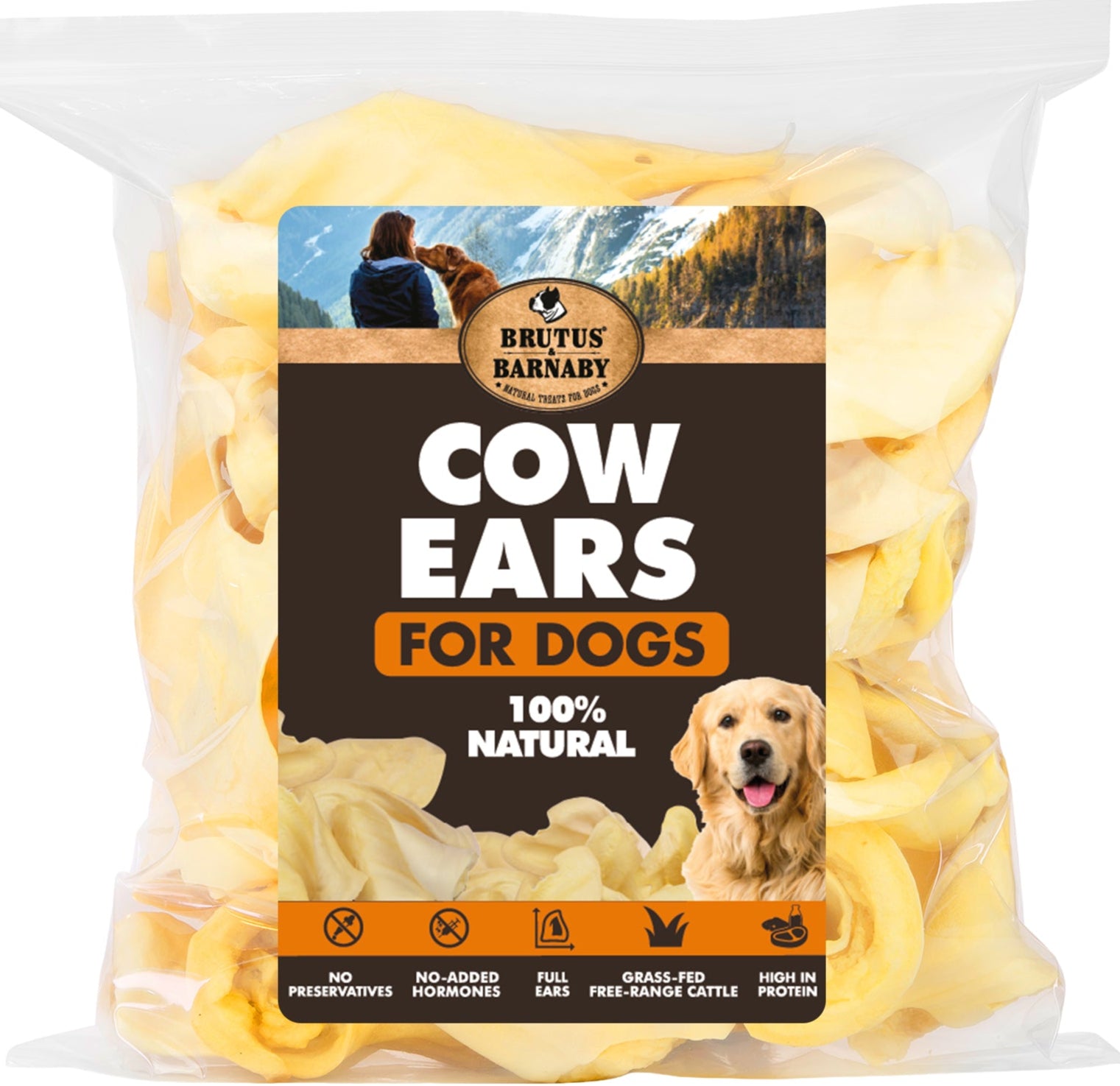
Cow Ears
A natural chew option for dogs who enjoy chewing but do not need the richest or longest chew every time.
- Good for moderate chewers
- Helpful for treat rotation days
- Natural chew texture dogs enjoy
- Useful between bully stick sessions

Training Treats
Small rewards for teaching “leave it,” “drop it,” recall, mat time, and better chewing choices.
- Easy to portion
- Useful for repeated rewards
- Great for redirect practice
- Helpful for chew station training
A Simple Chew Routine to Try This Week
Consistency matters. A planned chew routine is easier than waiting for your dog to choose the wrong item.
Morning
Start with a walk, sniff time, or short training session so your dog is less likely to chew from excess energy.
Midday
Offer a supervised chew in a designated chew spot before your dog starts looking for furniture or shoes.
Evening
Rotate chew types so your dog gets variety without always needing the highest-value option.
Before Alone Time
Avoid leaving edible chews unsupervised. Use management, safe spaces, and professional support if chewing happens from stress.
Simple rule: do not wait for destructive chewing to happen. Give your dog a better chewing option before they start searching for one.
Keep Learning Before Your Next Chew Session
Pair this guide with related Brutus & Barnaby blog guides and trusted behavior resources. Internal guide links help you build a smarter chew routine, while external sources give extra context on destructive chewing and enrichment.
Related Brutus & Barnaby Guides
Trusted Behavior & Veterinary Resources
Frequently Asked Questions
Give Your Dog Something Better to Chew
Brutus & Barnaby natural dog chews help redirect chewing into a safer, more satisfying routine — from bully sticks and cow ears to beef cheek rolls for longer supervised chew sessions.
Shop Natural Dog ChewsEducational disclaimer: This article is for general education only and is not veterinary or behavior advice. Every dog has different chewing habits, dietary needs, dental health, sensitivities, and safety risks. Always supervise edible chews, choose the correct size, remove small pieces, and ask your veterinarian or a qualified behavior professional if your dog has sudden destructive chewing, anxiety, aggression, dental problems, digestive issues, choking risk, or a history of swallowing objects.