



Canine Nutrition & Safety Guide
Cow Ears for Dogs: Are They Low Fat, Digestible, and Safe for Daily Chewing?
An objective, vet-informed guide examining the fat profile, digestibility, dental benefits, and safety considerations of cow ears for dogs.
Finding a natural chew that satisfies your dog's instinctual urge to gnaw without causing gastrointestinal distress or adding excessive calories can be a challenge. Pet parents frequently weigh pig ears, bully sticks, raw-hide alternatives, and cartilage chews against one another to determine which is safest and healthiest.
Among these natural options, cow ears for dogs have gained popularity as a light, high-protein alternative to traditional pig ears. But how do they stack up scientifically? Are they truly low in fat, easily digestible, and suitable for daily chewing? Below, we analyze the structural composition, nutritional breakdown, safety profile, and daily feeding guidelines for cow ears.
- Low Fat Profile: Cow ears contain significantly less fat (typically 1.5% to 4%) compared to pig ears (20%+).
- High Digestibility: Made of natural cartilage and skin, fully digestible baked cow ears break down safely in stomach acid when chewed properly.
- Dental Benefits: Mechanical scraping action helps clear plaque and massage gums during light-to-moderate chewing.
- Daily Safety: Safe for regular use in healthy adult dogs, provided they are monitored to prevent swallowing large pieces whole.
Nutritional Breakdown: Are Cow Ears Low Fat?
One of the primary reasons veterinarians recommend cow ears over pig ears is their lean nutritional composition. Pig ears consist largely of adipose (fat) tissue, making them dense in calories and risky for dogs prone to pancreatitis or weight gain. In contrast, a cow ear consists mostly of cartilage and thin dermal tissue.
| Nutritional Attribute | Natural Cow Ears | Traditional Pig Ears | Standard Rawhide |
|---|---|---|---|
| Crude Protein | 70% - 80% | 60% - 70% | 80% - 85% |
| Crude Fat | 1.5% - 4.0% | 20.0% - 25.0% | 1.0% - 3.0% |
| Digestibility | High (Fully breakdown in stomach) | Moderate-High | Very Low (Risk of blockage) |
| Caloric Density | Low (~40-60 kcal/ear) | High (~150-250 kcal/ear) | Variable (Chemically treated) |
Because natural cow ears are low in fat, they offer an ideal chew option for dogs on calorie-restricted diets, senior dogs with reduced metabolic rates, or pets requiring a low-fat diet due to sensitive digestion.
Digestibility: How Do Cow Ears Breakdown in the Stomach?
Digestibility is a critical factor when choosing any chew for your dog. Chews high in synthetic binders or tough hide—such as traditional rawhide—do not easily dissolve in stomach acid and can create dangerous intestinal blockages if swallowed in chunks.
Natural cow ears are composed of collagenous cartilage. When a dog chews a cow ear, their saliva softens the cartilage into pliable fragments. Once swallowed, canine gastric acid easily breaks down these natural proteins. Unlike chemically processed rawhide, unbleached baked cow ears pose minimal risk of gastrointestinal obstruction when ingested in chewed, manageable pieces.
Are Cow Ears Safe for Daily Chewing?
For most healthy adult dogs, a natural cow ear is safe for daily or near-daily enjoyment. However, establishing safe daily habits depends on three core factors:
Cow ears are moderate-duration chews. They are perfect for gentle to average chewers. Aggressive "power chewers" may tear off large pieces quickly, requiring supervision to ensure they chew thoroughly rather than gulping.
Veterinarians recommend that treats and chews make up no more than 10% of your dog's daily caloric intake. Because cow ears are light (~45 calories), fitting one into your dog's daily calorie budget is straightforward.
Ensure the cow ears are 100% natural, free of artificial preservatives, bleach, or synthetic flavorings. Single-ingredient, oven-baked chews reduce the risk of stomach upset.
Dental & Mental Health Benefits of Daily Chewing
Daily chewing serves vital physiological and behavioral functions for dogs of all breeds:
- Mechanical Plaque Removal: As your dog works through the fibrous cartilage of a cow ear, the material gently scrapes along the teeth, helping to reduce plaque buildup and support periodontal health.
- Endorphin Release & Stress Relief: Chewing triggers the release of dopamine and endorphins in a dog's brain, helping reduce anxiety, curb destructive boredom behaviors, and promote calmness.
- Gentle on Teeth: Unlike dense marrow bones or synthetic nylon toys, cartilage has enough give to prevent tooth fractures.
Selecting the Best Chew: Cow Ears vs. Alternatives
Depending on your dog's size, chewing strength, and diet, you might want to vary their chew routine. Here is how cow ears compare to other popular single-ingredient beef chews:
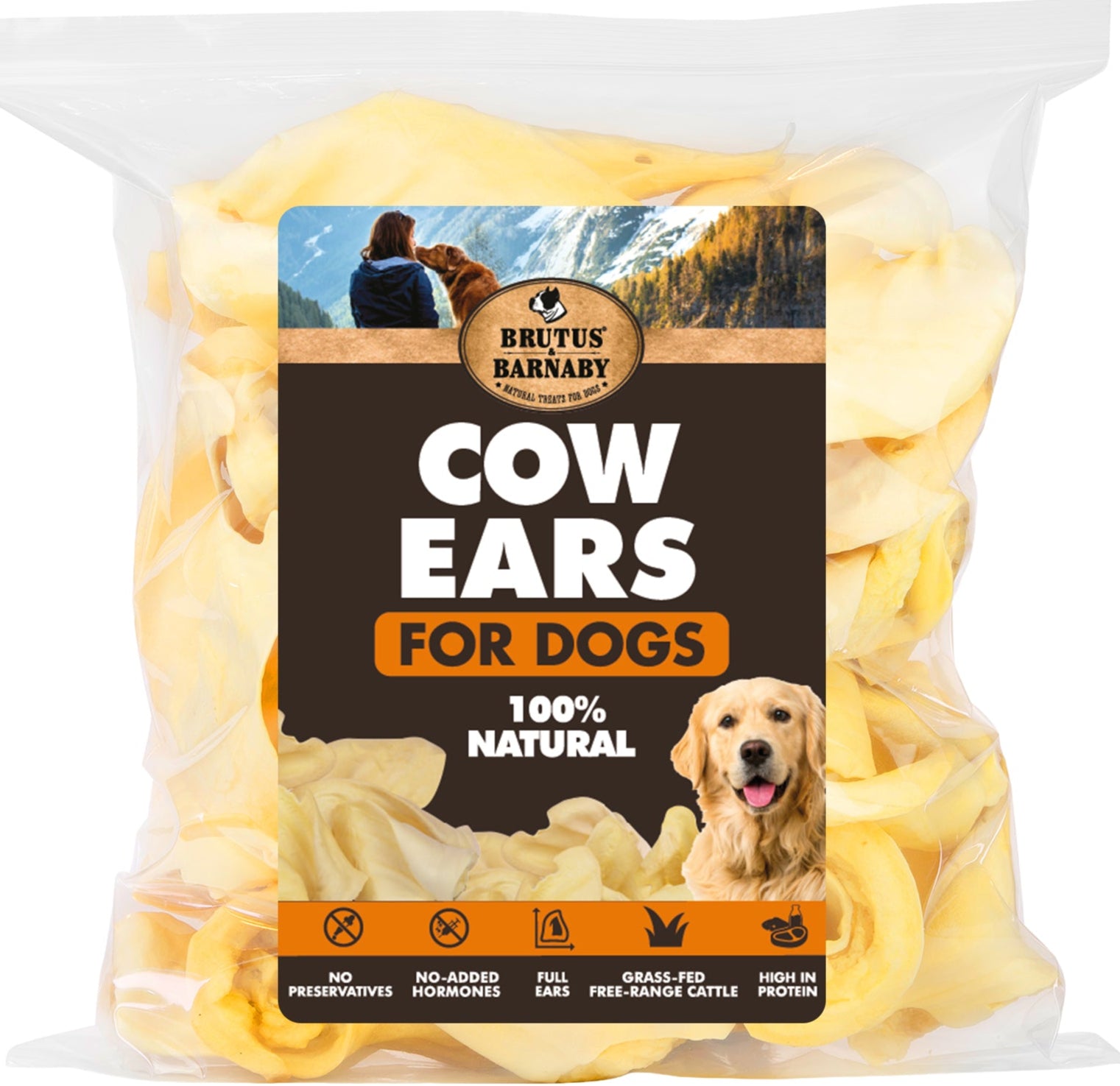
Natural Cow Ears
Low-fat, highly digestible, light cartilage chew. Excellent for daily tooth scraping and light to moderate chewers.
Shop Cow Ears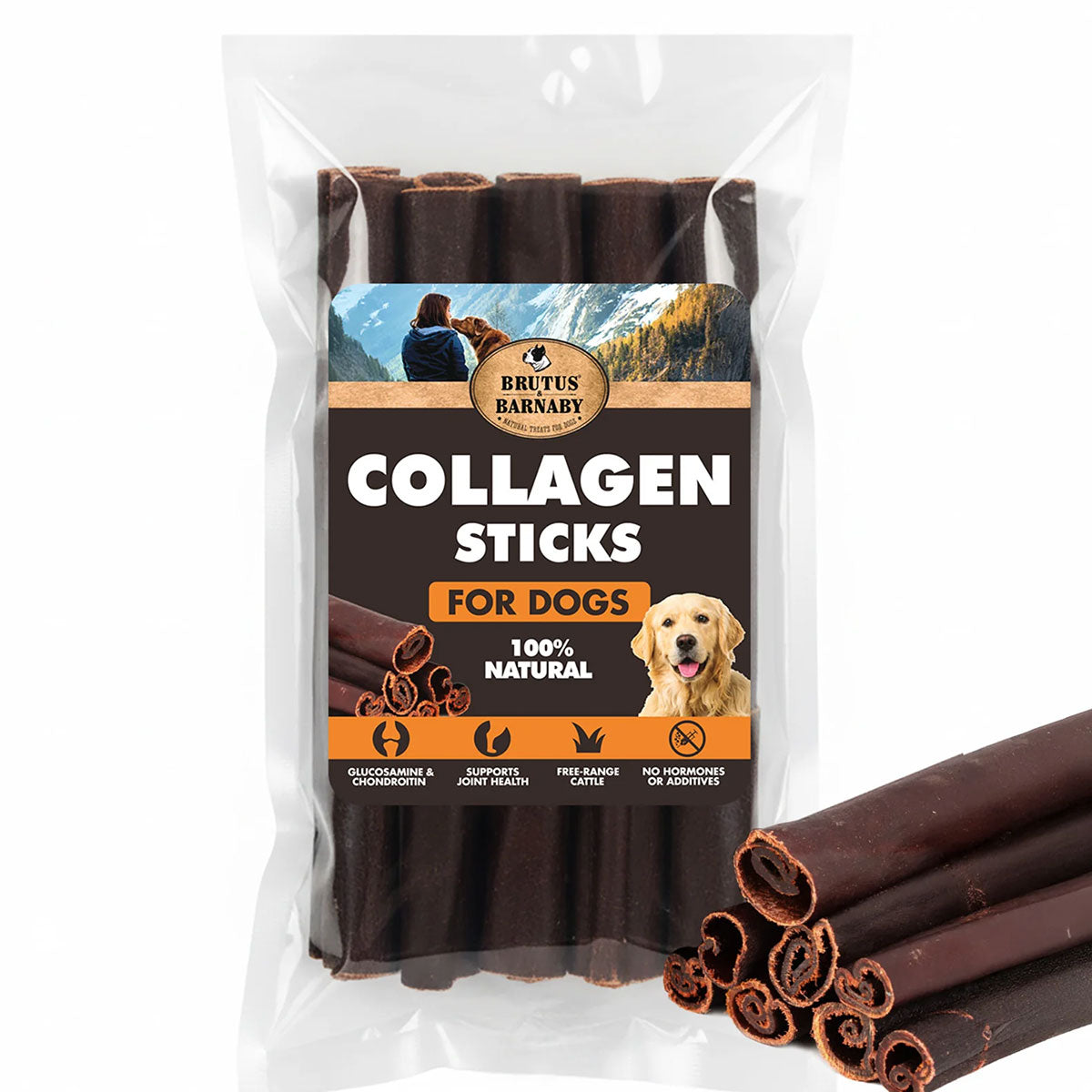
Beef Collagen Sticks
Long-lasting chew rich in systemic collagen to support joint health, skin elasticity, and gut lining health.
Shop Collagen Sticks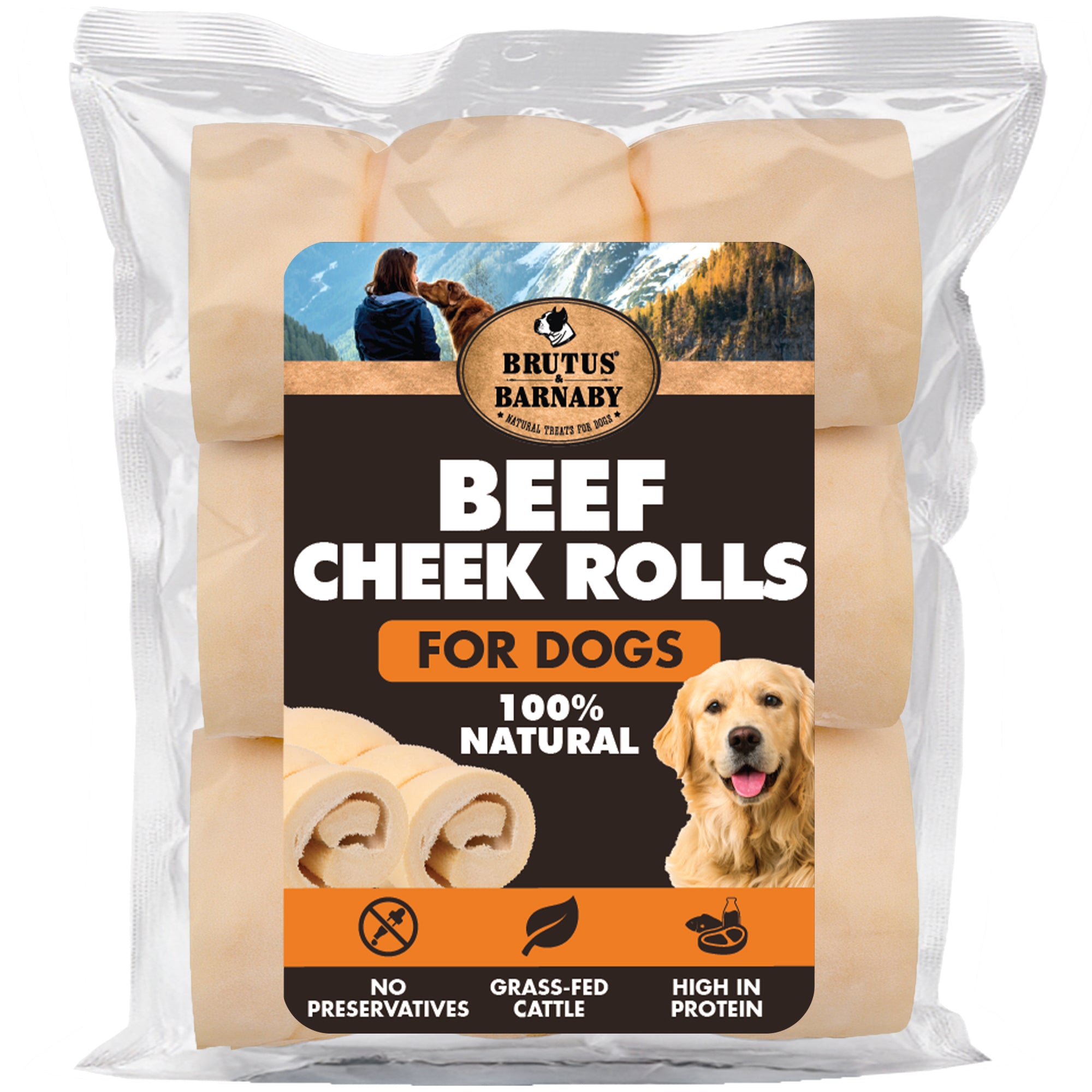
Beef Cheek Rolls
Thick, highly durable chew for power chewers. Naturally low-fat and fully digestible alternative to rawhide.
Shop Beef Cheek RollsVeterinary & Safety Guidelines
According to guidance aligned with the World Small Animal Veterinary Association (WSAVA) and veterinary dental specialists:
- Always Supervise: Monitor your dog during chewing sessions to ensure proper chewing before ingestion. Remove small remnants.
- Fresh Water Access: Always provide clean, fresh water, as chewing natural proteins increases thirst.
- Check for Hardness: Chews should yield slightly under pressure to protect your dog's enamel. Cartilage chews like cow ears naturally soften as your dog chews.
Frequently Asked Questions (FAQ)
Are cow ears lower in fat than pig ears?
Yes, significantly. Cow ears typically contain only 1.5% to 4% crude fat, whereas pig ears can contain 20% fat or more. Cow ears are ideal for dogs needing low-calorie or low-fat treats.
Are cow ears completely digestible for dogs?
Yes. Cow ears consist of natural cartilage and skin, which break down easily in a dog's stomach acid. Unlike synthetic chews or rawhide, natural cow ears leave minimal digestible waste.
Can puppies chew on cow ears?
Generally, cow ears are safe for puppies once they have reached 12 to 16 weeks of age and have developed adult teeth. Always supervise puppies to prevent them from swallowing large unchewed pieces.
How often can I give my dog a cow ear?
For most healthy dogs, offering one cow ear daily or every couple of days is safe, provided it fits within their total daily caloric intake (the 10% treat rule).
Do cow ears help clean a dog's teeth?
Yes. The physical action of gnawing through pliable cartilage acts as a natural scraper on your dog's teeth, reducing soft plaque buildup and massaging the gumline.
Are cow ears safe for dogs with sensitive stomachs?
Because natural cow ears are single-ingredient beef items free of artificial chemicals or high fat, they are generally gentle on digestive tracts. However, introduce any new chew gradually.
What is the difference between bleached and natural cow ears?
Natural cow ears are simply cleaned and slow-baked without chemicals. Bleached ears are chemically treated to alter color, which can leave harmful residues. Always choose unbleached, 100% natural chews.
Give Your Dog a Safe, Low-Fat Chew They'll Love
Brutus & Barnaby Natural Cow Ears are 100% single-ingredient, unbleached, and gently baked to preserve natural flavor while keeping fat content low.
Explore Natural Cow EarsVeterinary Disclaimer: The information provided in this article is for educational purposes only and should not replace professional veterinary advice. Always supervise your pet while chewing any treat, ensure fresh water is available, and consult your veterinarian regarding dietary requirements specific to your dog.