



Are Pig Ears Safe for Dogs? How to Avoid Blockages & Select Natural Chews
Pig ears are a classic natural dog chew, but health concerns like high fat content, pancreatitis, bacterial contamination, and choking hazards prompt many pet parents to hesitate. Here is what veterinary guidance reveals about pig ear safety and how to select healthier alternatives.
Pig ears have long been a popular staple on pet store shelves, praised for their high palatability and crunch. However, behind their savory appeal lies a nuanced conversation among veterinarians. While pig ears provide natural collagen and a satisfying chew session, they carry distinct health risks—including high fat content, potential digestive blockages, and historical issues with bacterial contamination.
Understanding these potential hazards allows dog owners to take effective precautions, recognize symptoms of gastrointestinal distress early, and evaluate safer single-ingredient natural chews that offer similar dental and mental enrichment without elevated health risks.
Veterinary Safety Verdict: High Fat & Gulping Hazards
Pig ears contain significant levels of animal fat, which can trigger acute pancreatitis or severe gastroenteritis in sensitive or overweight dogs. Additionally, dogs that swallow large, unchewed pieces risk esophageal obstruction or bowel blockages.
4 Critical Safety Risks Associated with Pig Ears
Veterinarians generally urge caution when feeding traditional pig ears. Here are the four primary medical concerns associated with them:
Pancreatitis & High Caloric Load
Pig ears are naturally high in fat. A single pig ear can contain up to 20% or more crude fat. Sudden ingestion of rich fat can cause inflammation of the pancreas (pancreatitis), leading to severe abdominal pain, vomiting, lethargy, and expensive emergency vet visits.
Gastrointestinal Blockages (Gulping Hazard)
Aggressive chewers often bite off large, leather-like chunks of pig ear and swallow them whole. These thick fragments can absorb fluid, swell, and lodge in the narrow pathways of the stomach or intestine, creating a dangerous mechanical obstruction.
Bacterial Contamination (Salmonella)
Historically, pig ears have been subject to FDA recalls due to Salmonella contamination. While dogs have robust digestive acid, bacterial pathogens can still cause illness in puppies, senior dogs, or immunocompromised pets, as well as spread cross-contamination to human family members handling the chews.
Chemical Processing & Bleaching
Many low-grade imported pig ears undergo chemical washes, artificial smoking, or bleaching to improve appearance and shelf life, introducing chemical residues that can cause stomach upset or allergic reactions.
Pig Ears vs. Healthier Natural Alternatives
Comparing pig ears against other popular single-ingredient natural chews highlights safer options for fat content, duration, and overall digestibility:
| Chew Category | Fat Content | Digestibility | Blockage Risk | Primary Benefit |
|---|---|---|---|---|
| Traditional Pig Ears | Very High (>20%) | Moderate | High (If swallowed in chunks) | Highly palatable crunch |
| Natural Cow Ears | Very Low (<5%) | High | Low to Moderate | Low-calorie, clean dental chew |
| Beef Cheek Rolls | Low | High (Gels with saliva) | Low (Softens into layers) | Long-lasting, collagen-rich |
| Bully Sticks (12-Inch) | Moderate | Very High | Low (With safety holder) | Pure muscle protein, dental floss action |
| Beef Collagen Sticks | Low | High | Low | Supports joint and coat health |
How to Avoid Digestive Blockages When Feeding Chews
If you choose to feed ear chews or any natural treats, adhering to these essential supervision rules will dramatically reduce the risk of choking or gastrointestinal obstruction:
- Active Supervision: Never leave your dog unattended with a chew. Observe how they break down the material.
- Remove Small Remnants: Take away any chew once it is reduced to a size that your dog could attempt to swallow whole.
- Match Chew Size to Dog Size: Offer larger chews (such as 10-12 inch rolls or wide cow ears) to prevent large dogs from gulping them down immediately.
- Hydration Availability: Ensure fresh drinking water is always nearby to aid the digestive movement of natural animal proteins.
- Know the Warning Signs: Watch for signs of intestinal blockage: repeated vomiting, loss of appetite, painful bloated abdomen, or straining to pass stool. Seek immediate veterinary care if these occur.
Safer, Low-Fat & Highly Digestible Alternatives
Replace high-fat pig ears with these clean, single-ingredient natural chews and rewards:
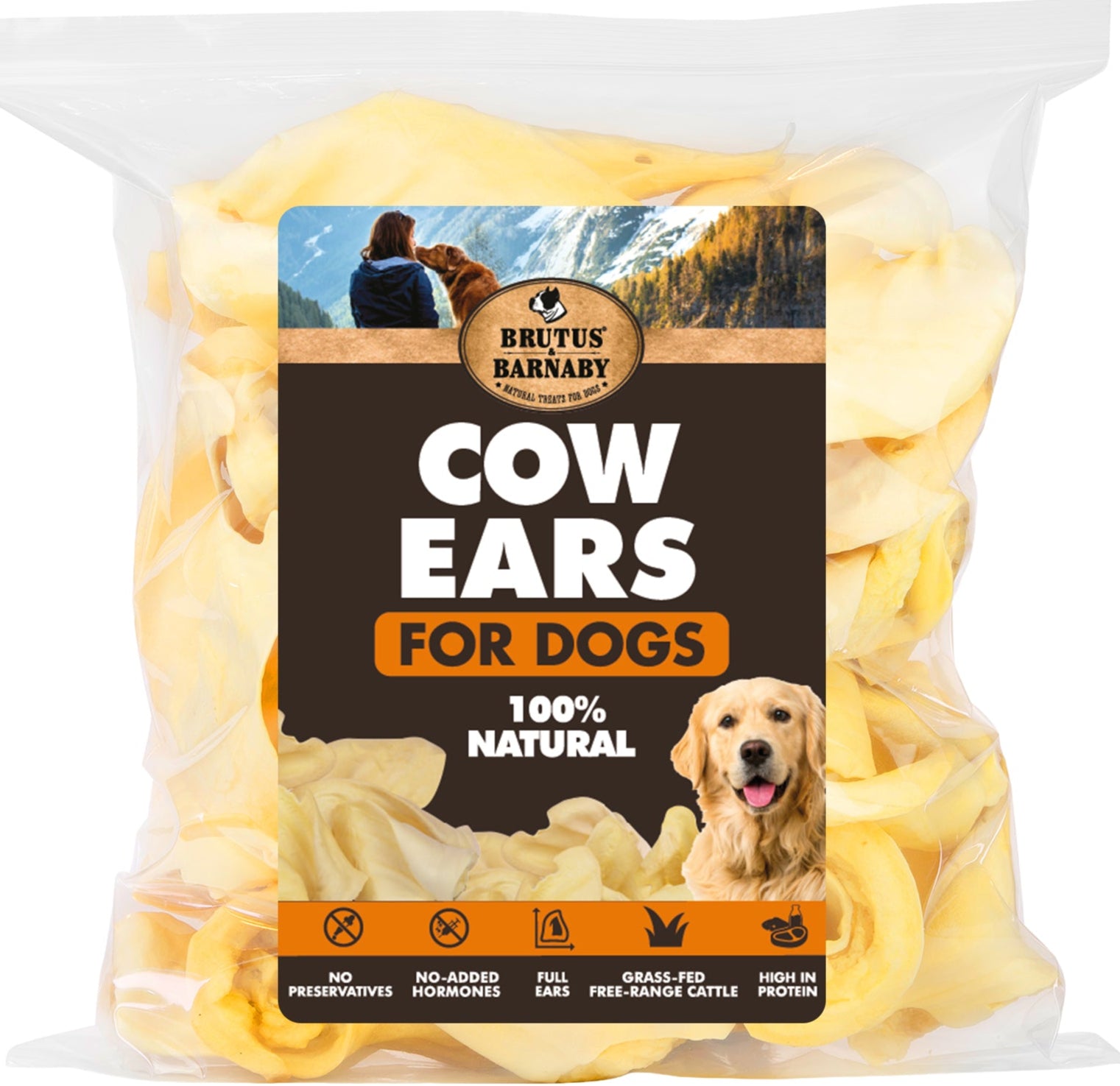
Natural Cow Ears
The perfect low-fat alternative to pig ears. Naturally lean, single-ingredient bovine cartilage that cleans teeth gently without triggering pancreatitis.
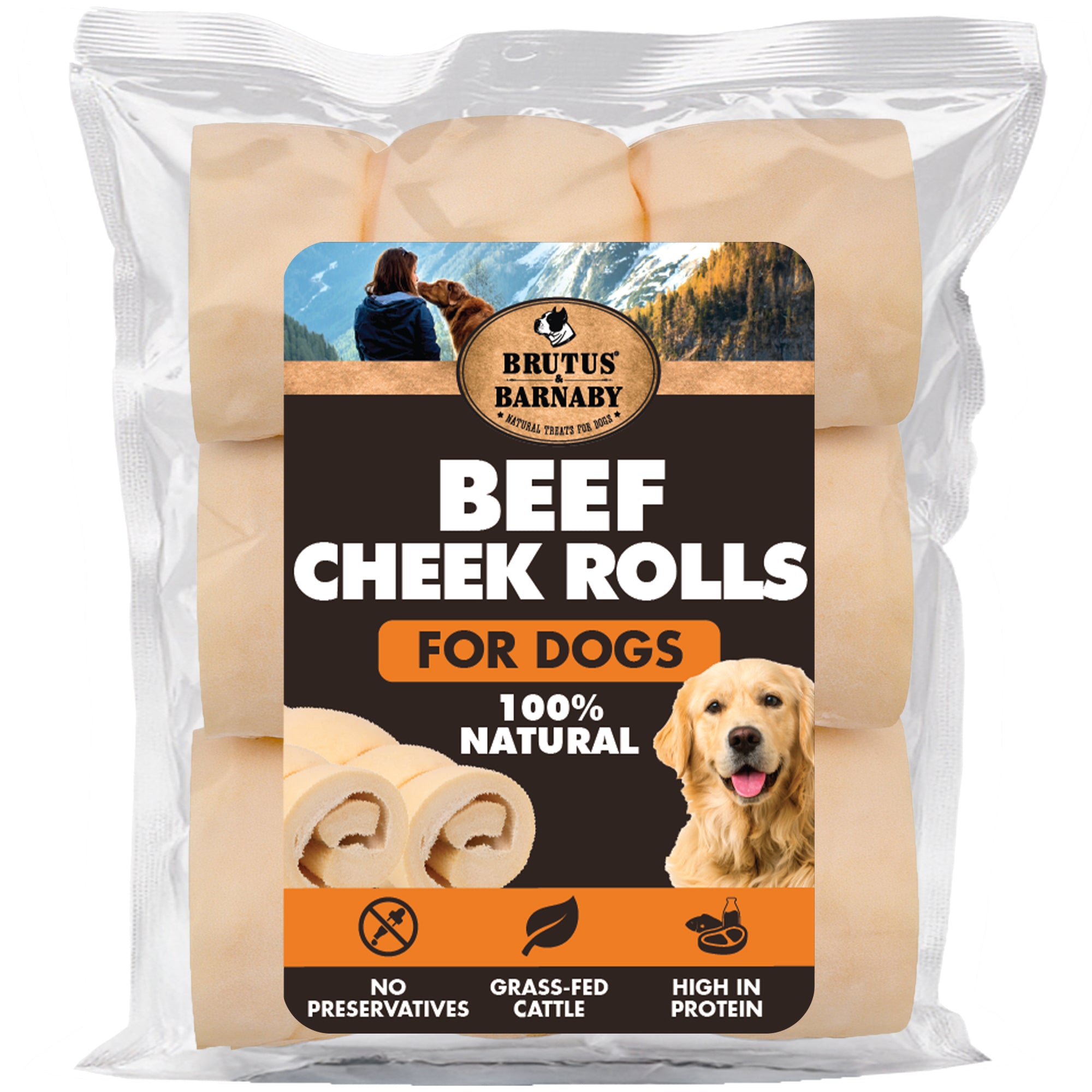
Premium Beef Cheek Rolls
Collagen-packed dermal chews that soften under saliva, offering a safe, long-lasting rawhide alternative for power chewers.
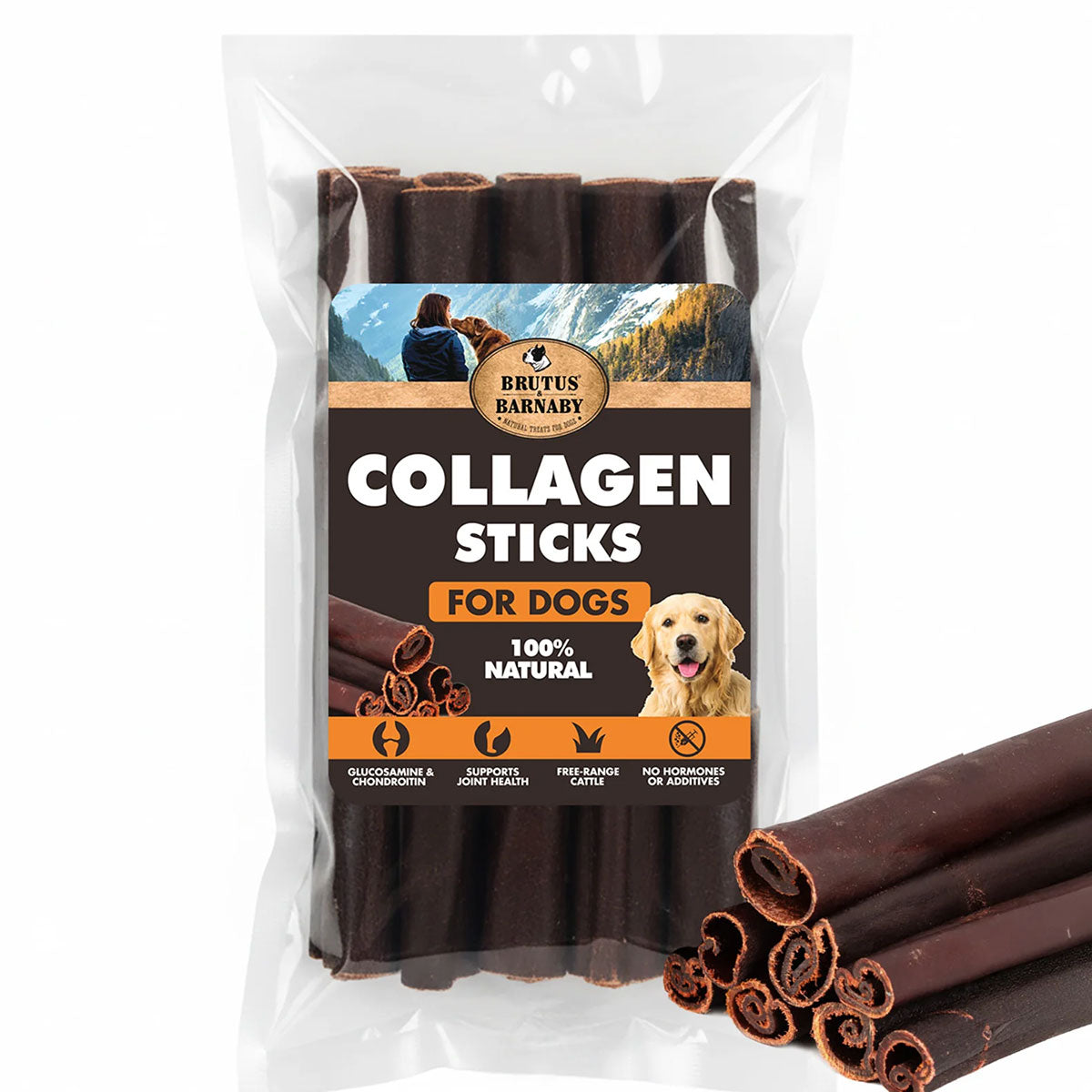
Beef Collagen Sticks
Durable and highly digestible chews rich in vital amino acids that support joint flexibility, digestive lining, and skin health.
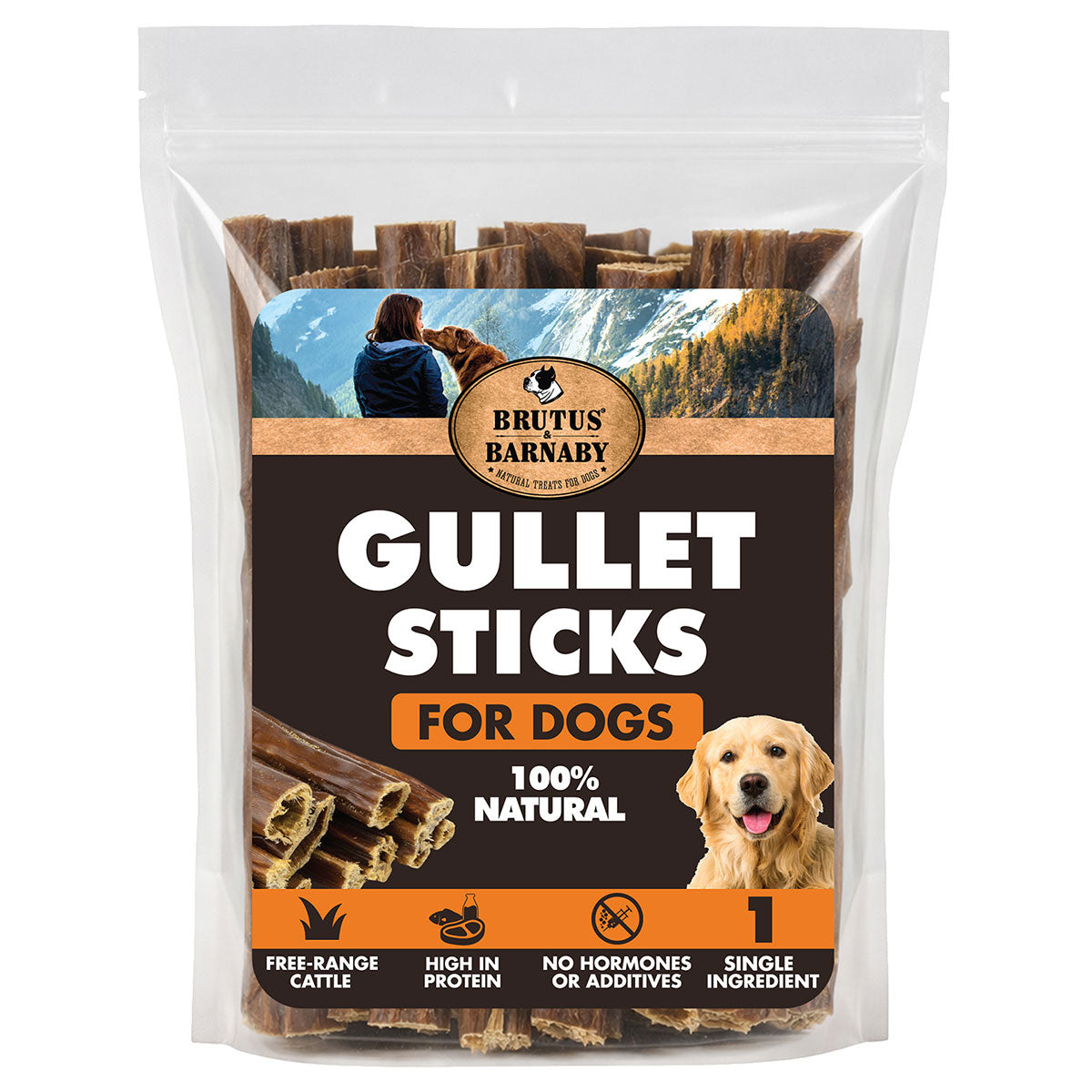
Beef Gullet Sticks
Easier to digest and naturally rich in glucosamine and chondroitin, making them a great option for light chewers or senior dogs.
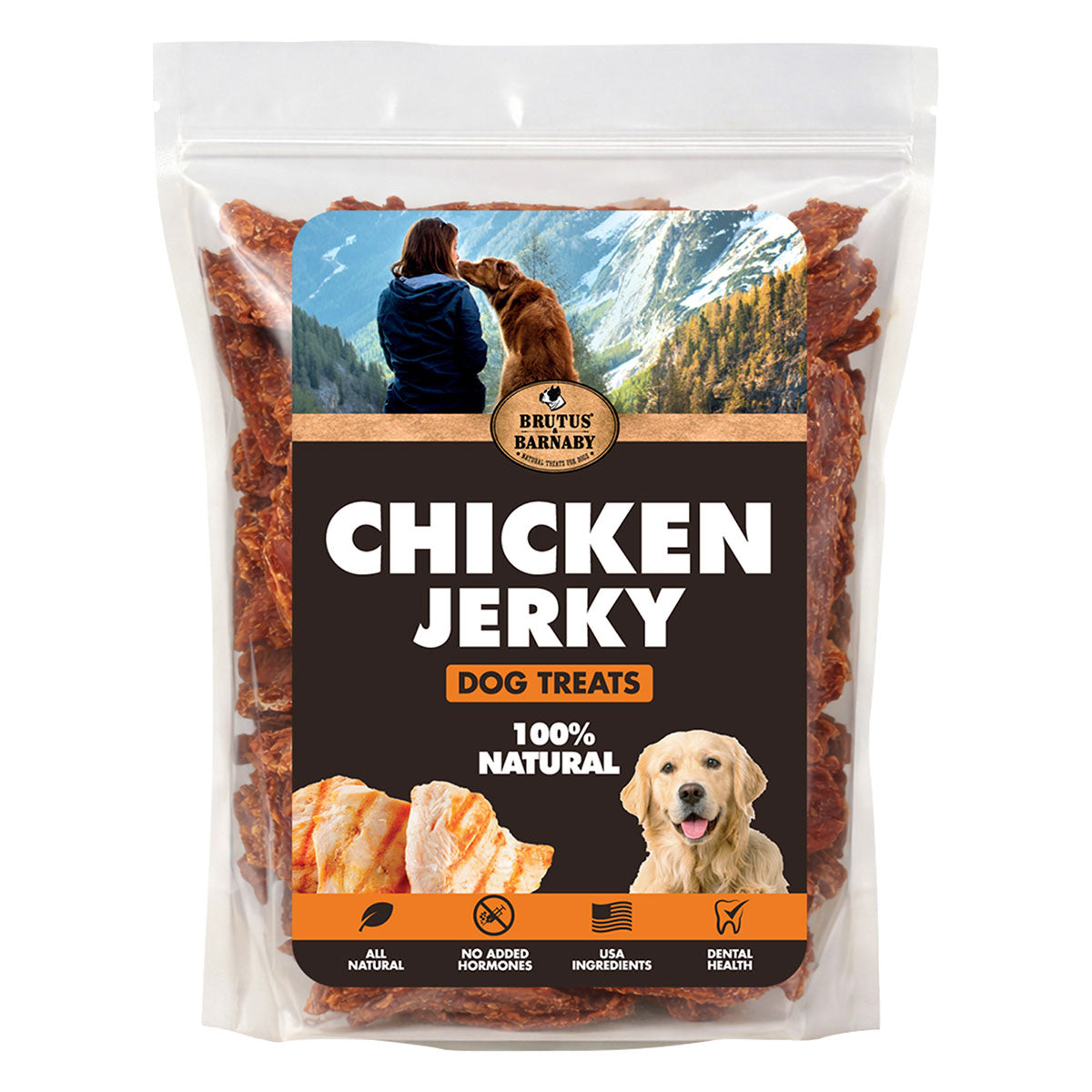
USA Chicken Jerky
100% USA chicken breast jerky providing lean, pathogen-free protein rewards without excess grease or fillers.
Veterinary Guidance Snapshot on Natural Chews
Official safety advice from organizations like FDA Center for Veterinary Medicine, WSAVA, and Cornell Vet underscores three core principles for natural chews:
- Fat Sensitivity: Dogs prone to overweight issues, hyperlipidemia, or previous pancreatitis episodes should strictly avoid high-fat chews like pig ears.
- Contamination Safety: Choose brands with rigorous heat-treatment processing to eliminate foodborne pathogens like Salmonella.
- Supervised Feeding: Always monitor dogs while eating animal-derived chews to prevent large swallowed pieces from obstructing the esophagus or intestines.
Frequently Asked Questions (FAQ)
Are pig ears safe for puppies?
Most veterinarians advise against pig ears for puppies. A puppy's developing digestive system is especially sensitive to high fat levels, which can easily trigger severe diarrhea or stomach upset. Additionally, puppies are prone to gulping chunks, increasing blockage risks. Opt for lighter options like Beef Gullet Sticks instead.
Why are cow ears considered safer than pig ears?
Cow ears are vastly lower in fat than pig ears (typically under 5% fat compared to 20%+ in pig ears). They consist almost entirely of lean cartilage, offering a crisp, satisfying chew without the high caloric density or risk of fat-induced pancreatitis.
Can pig ears cause pancreatitis in dogs?
Yes. Pancreatitis is an inflammation of the pancreas often triggered by high-fat foods. Pig ears contain high levels of dense fat that can overtax the pancreas, leading to severe abdominal pain, vomiting, lethargy, and dehydration.
What are the symptoms of a dog having a chew-related blockage?
Symptoms of an intestinal blockage include repeated vomiting, inability to keep food or water down, lethargy, painful whining when the abdomen is touched, loss of appetite, and straining to pass stool. Contact a vet immediately if you notice these signs.
How often can a dog have a cow ear or natural chew?
Low-fat options like Natural Cow Ears can be given 2 to 3 times per week as part of an enrichment and dental hygiene routine, provided total treats do not exceed 10% of daily calories.
Do pig ears stain carpets or smell bad?
Because pig ears have a high fat content, they frequently melt or leave greasy, stinky stains on carpets and furniture while chewed. Low-fat chews like cow ears or beef cheek rolls are much cleaner for indoor use.
Are dehydrated chews better than raw chews?
Slow-dehydrated or oven-baked chews are significantly safer from a bacterial standpoint. Thermal dehydration removes harmful pathogens like Salmonella while preserving natural protein structures and chew duration.
What should I do if my dog swallows a large piece of a chew?
Monitor your dog closely for the next 24 to 48 hours. If they display any vomiting, lethargy, loss of appetite, or distress, take them to a veterinarian right away for diagnostic imaging.
Choose Safer, Low-Fat Natural Chews Today
Protect your dog from high-fat digestive risks and blockages by switching to clean, low-fat single-ingredient alternatives like Natural Cow Ears and Beef Cheek Rolls.
Explore Natural Cow EarsVeterinary Disclaimer: The information provided in this article is for educational and informational purposes only and does not replace professional veterinary advice. Always supervise your pet during chew sessions and consult your veterinarian if your dog has pancreatitis, GI sensitivities, or swallows a foreign object.