

What to Do If Your Dog Gets an Upset Stomach After Treats
Even healthy dogs can get loose stool, gas, or vomiting after a new treat. Learn what to do, when to pause treats, and when to call your vet.
Even the healthiest dogs can get an upset stomach after trying a new treat.
Sometimes the treat was too rich, too fatty, too large, or too different from what your dog usually eats. Other times, it may be a sign of sensitivity, intolerance, or an ingredient that simply does not agree with your dog.
A mild stomach upset after a treat is usually not a reason to panic, but it is important to know what to watch for, when to pause treats, and when symptoms need veterinary attention.
Quick rule: if a treat causes vomiting, diarrhea, gas, or discomfort, stop that treat and keep your dog’s routine simple until they settle.
How Do You Soothe a Dog’s Upset Stomach?
If your dog has mild loose stool, gas, or one small vomiting episode after eating a treat, the first step is usually to simplify. Pause treats, avoid adding anything new, and give your dog time to settle.
For mild cases, dog parents often focus on rest, water access, and returning to a simple routine. If your dog has repeated vomiting, blood in stool, lethargy, a swollen belly, pain, or symptoms that do not improve, call your veterinarian.
Call your vet urgently if your dog has repeated vomiting, blood in vomit or stool, severe diarrhea, weakness, collapse, pale gums, a swollen abdomen, signs of pain, or possible toxin/foreign object exposure.
Can a Dog’s Upset Stomach Resolve Itself?
Some mild treat-related stomach upsets may improve on their own once the treat is stopped and your dog’s routine is simplified. This is more likely when your dog is otherwise bright, drinking normally, and symptoms are mild.
However, vomiting and diarrhea can also be caused by infections, pancreatitis, parasites, toxins, foreign objects, or other medical issues. Do not assume a treat is the only cause if symptoms are repeated, severe, or unusual.
How Long Should an Upset Stomach Last for a Dog?
A mild treat-related upset may improve within a day or two, but the timeline depends on your dog, the treat, and the cause of the upset. Puppies, seniors, small dogs, and dogs with medical conditions may need help sooner.
During this period, monitor energy level, appetite, thirst, stool, vomiting, and behavior. If your dog is not improving, seems uncomfortable, or symptoms continue, call your veterinarian.
Better safe than sorry: if symptoms last more than 24–48 hours, worsen, or include lethargy, blood, pain, or repeated vomiting, contact your vet.
Why Some Treats Cause Digestive Upset
Treat-related stomach upset often happens because the treat is new, rich, fatty, too large, or made with ingredients your dog is not used to. Some dogs are more sensitive than others.
Too Rich or Fatty
Rich treats may bother dogs who are sensitive to fat or sudden diet changes.
Too Many Ingredients
Blended proteins, flavors, binders, and additives can make it harder to identify what bothered your dog.
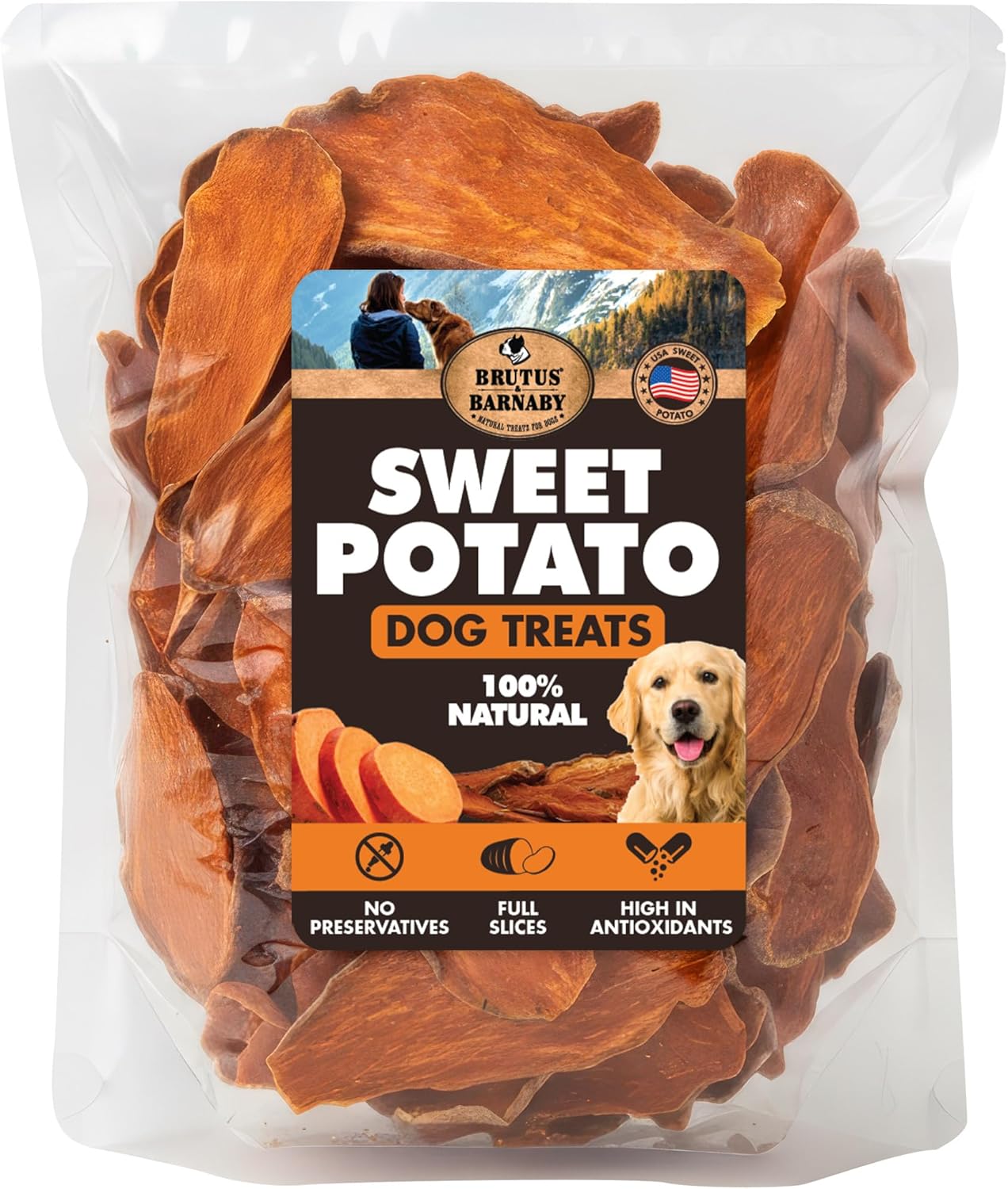
Sweet Potato Slices
A simple plant-based treat option for dogs who need a gentler snack and an easy-to-track ingredient.
- Simple everyday snack
- Great for light chewers
- Easy treat tracking
How to Prevent Stomach Issues After Treats
You cannot prevent every stomach upset, but you can reduce the chances by introducing treats slowly and choosing simpler options.
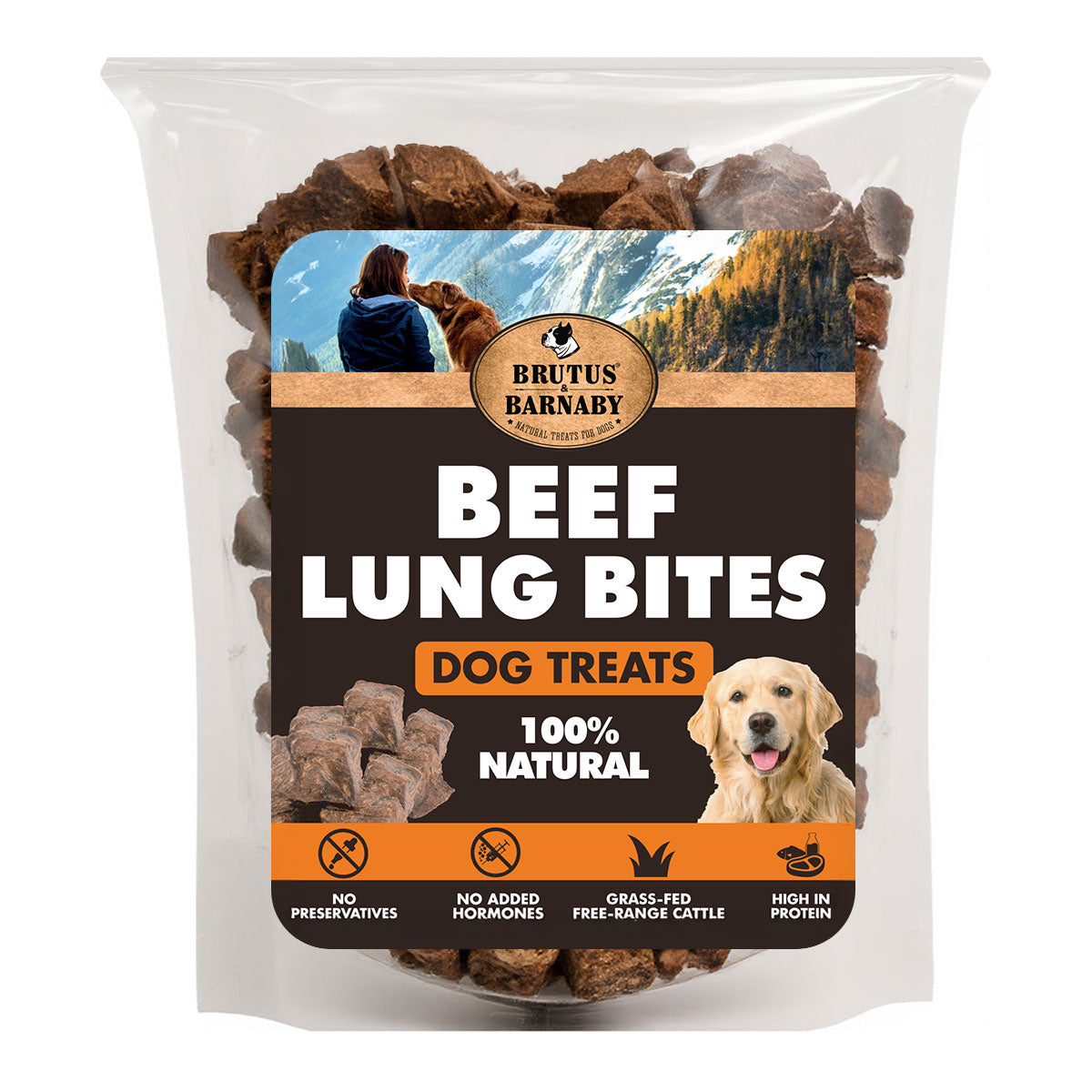
Beef Lung Bites
A light, protein-focused reward for dogs who love meaty treats and quick, controlled snack portions.
- Protein-rich treat option
- Great for quick rewards
- Light crunchy texture

Beef Liver Dog Food Topper
A flavorful topper option for dogs who need extra interest at mealtime without changing the entire diet.
- Great for picky eaters
- Easy meal enhancer
- Simple protein topper
Frequently Asked Questions
Final Takeaway
An upset stomach after a treat is often temporary, but it should still be taken seriously. Stop the treat, simplify your dog’s routine, and monitor their energy, appetite, stool, and vomiting closely.
To reduce future issues, introduce new treats slowly, keep portions small, avoid complicated ingredient lists, and contact your veterinarian if symptoms continue or your dog seems unwell.
Choose Simpler Treats for Sensitive Dogs
Explore natural treats and toppers made for simple reward routines and easier ingredient tracking.
Shop Natural Dog Treats