



Why Single-Ingredient Treats Can Be Better for Sensitive Dogs
If your dog has a sensitive stomach or possible food sensitivities, simpler treats can make snack time easier to manage and easier to track.
If your dog has a sensitive stomach, unpredictable digestion, or possible food sensitivities, single-ingredient treats can make snack time much simpler.
A single-ingredient treat contains one clear ingredient instead of a long list of proteins, binders, fillers, flavorings, and additives. That makes it easier to understand what your dog is eating and easier to spot what they tolerate well.
Single-ingredient treats are not a cure for digestive problems, and they are not automatically right for every dog. But for many dog parents, they are a better starting point because they reduce guesswork. For more ingredient basics, read our guide to choosing natural dog treats without fillers or artificial additives.
Quick rule: the fewer ingredients in a treat, the easier it is to track your dog’s response.
Why Are Single-Ingredient Treats Better for Some Dogs?
Single-ingredient treats have one major advantage: they are predictable. If a treat contains only sweet potato, beef liver, or beef lung, you know exactly what your dog is eating.
That can be helpful for dogs with sensitive digestion because you avoid hidden blended proteins, fillers, grains, artificial colors, and flavor enhancers that may make reactions harder to understand.
Clear Ingredient List
You know what your dog is eating, which makes treat tracking easier.
Easier to Monitor
If your dog reacts, there are fewer ingredients to investigate.
Important: simple does not mean allergy-proof. If your dog is allergic to an ingredient, avoid it even if it is natural or single-ingredient.
What Treats Are Good for a Dog With a Sensitive Stomach?
Dogs with sensitive stomachs often do best when treats are simple, introduced slowly, and given in small amounts. The best treat depends on your dog’s size, age, allergies, fat tolerance, chewing style, and current diet.
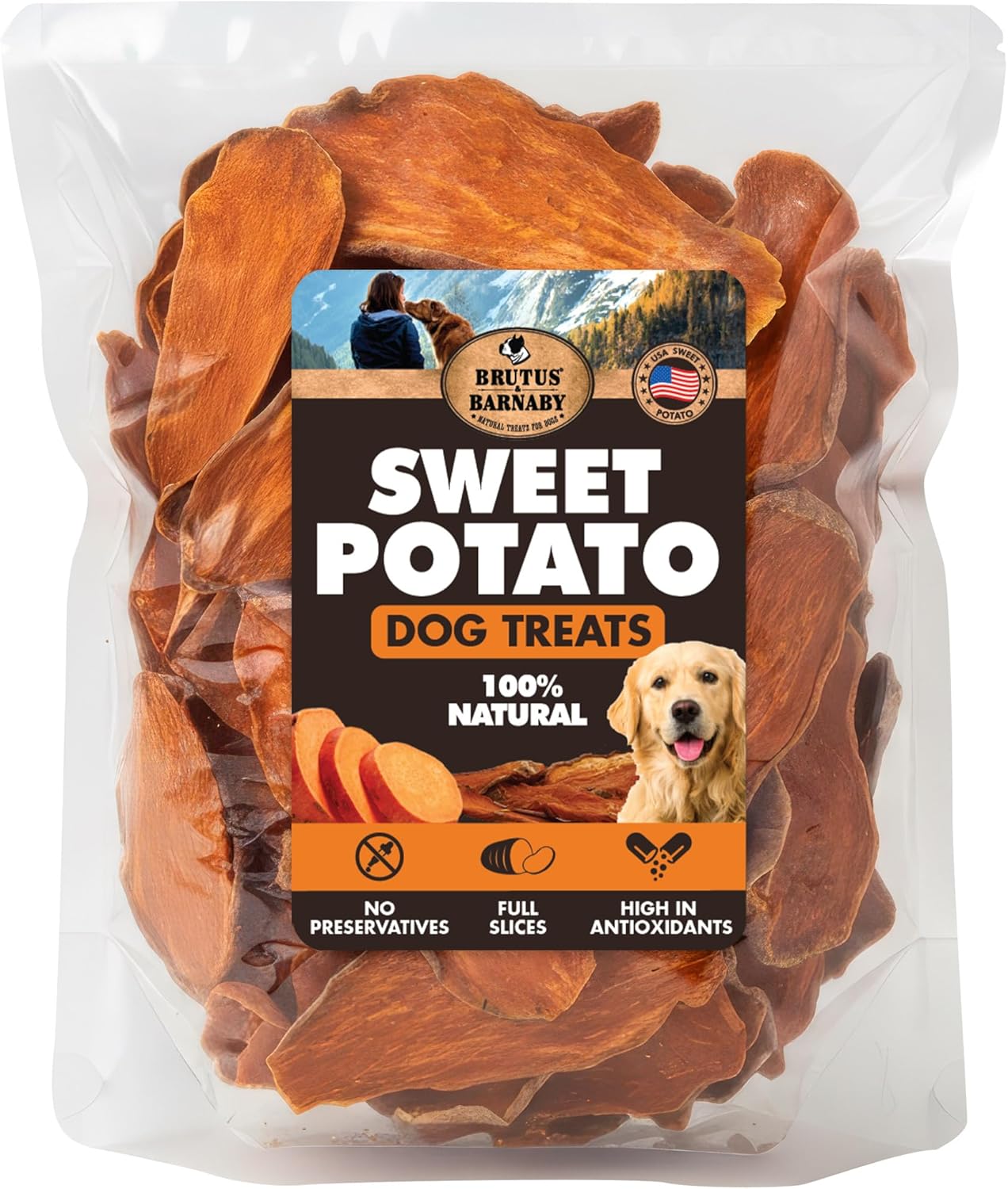
Sweet Potato Slices
A simple plant-based treat option for dogs who need a gentler snack and an easy-to-track ingredient.
- Simple everyday snack
- Great for light chewers
- Easy treat tracking
Which Foods Are Easier for Dogs to Digest?
Dogs often do better with treats that are simple, appropriately portioned, and matched to their tolerance. Many sensitive dogs benefit from treats that are lower in unnecessary additives and not overly rich.
In general, look for treats that are easy to understand: single-ingredient, lightly processed, moderate in richness, and made from recognizable food sources.
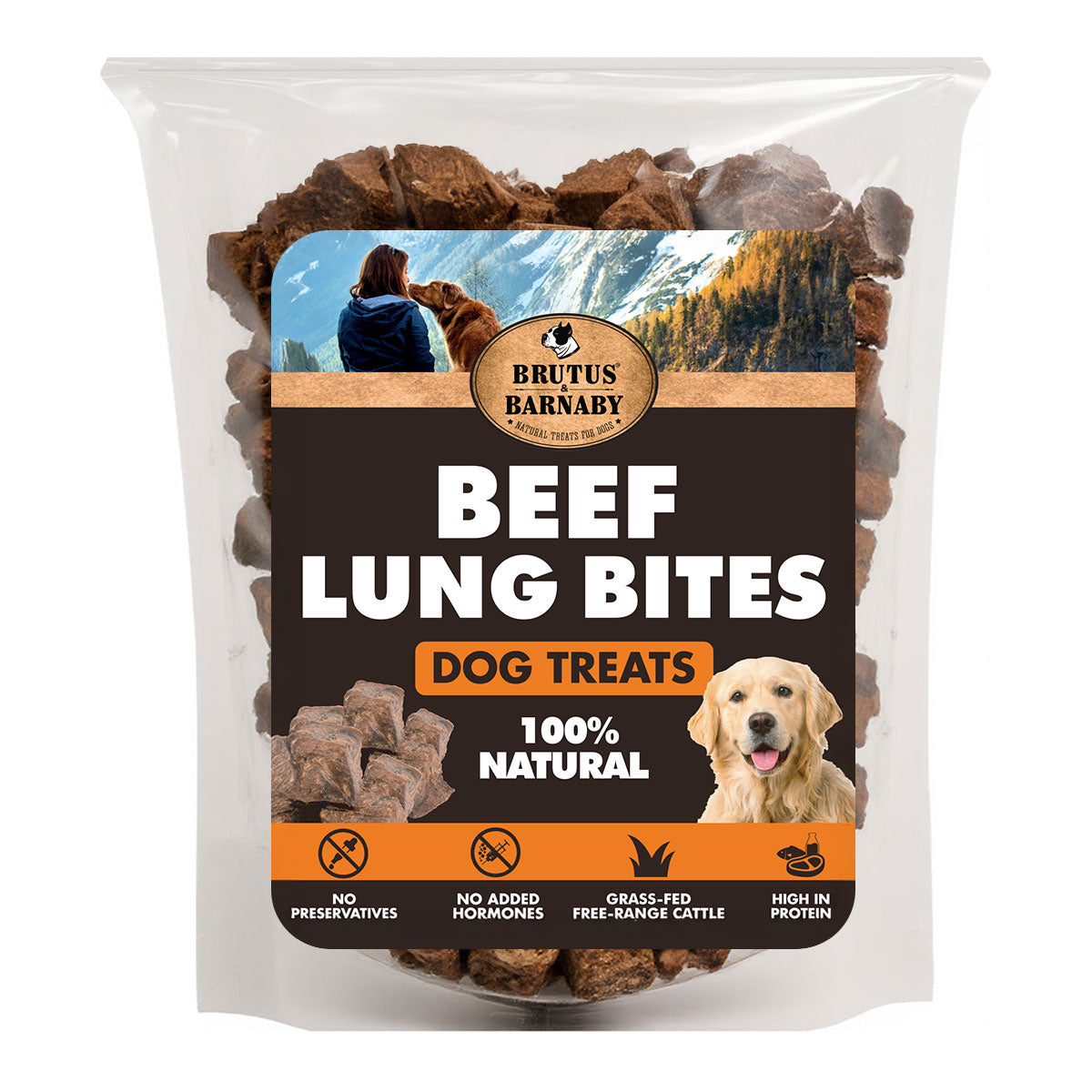
Beef Lung Bites
A light, protein-focused reward for dogs who love meaty treats and quick, controlled snack portions.
- Protein-rich treat option
- Great for quick rewards
- Light crunchy texture
What Makes Sensitive Stomach Treats Different?
Sensitive stomach treats usually focus on simplicity. They avoid complicated formulas and make it easier to keep the dog’s routine consistent.
For full meals, dogs with ongoing digestive issues may need a veterinarian-recommended diet. Treats can support a simpler routine, but they should not replace medical guidance or a complete and balanced food.
90/10 reminder: most calories should come from complete and balanced dog food. Treats and toppers should stay limited.
Simple Toppers for Sensitive Dogs
Toppers can add flavor and variety, especially for picky eaters. But for sensitive dogs, toppers should be used carefully and in small amounts.
Choose a topper with clear ingredients, introduce gradually, and stop if your dog develops vomiting, diarrhea, gas, itching, or appetite changes.

Beef Liver Dog Food Topper
A flavorful topper option for dogs who need extra interest at mealtime without changing the entire diet.
- Great for picky eaters
- Easy meal enhancer
- Simple protein topper
Frequently Asked Questions
Final Takeaway
Dogs with sensitive stomachs often do better when treat routines are simple, consistent, and easy to track. Single-ingredient treats can help reduce guesswork because there are fewer ingredients to evaluate.
Choose clear ingredients, introduce new treats gradually, keep portions small, and contact your veterinarian if your dog has repeated vomiting, diarrhea, gas, appetite changes, itching, or other ongoing symptoms.
Choose Simpler Treats for Sensitive Dogs
Explore natural treats and toppers made for simple reward routines and easier ingredient tracking.
Shop Natural Dog Treats