



Are Freeze-Dried Treats Good for Sensitive Dogs?
Freeze-dried treats are popular with dog parents because they are simple, flavorful, and easy to portion. Here’s how they compare for dogs with sensitive stomachs or food sensitivities.
If your dog has a sensitive stomach or possible food sensitivities, finding treats that do not cause issues can feel like a never-ending experiment.
Freeze-dried treats can be a helpful option because they are often made with short ingredient lists and a strong natural flavor. That makes them useful for training, topping meals, and testing what your dog tolerates.
They are not magic, and they are not right for every dog. But when they are single-ingredient and introduced slowly, freeze-dried treats can make snack time easier to manage for many sensitive dogs. For more ingredient basics, read our guide to choosing natural dog treats without fillers or artificial additives.
Quick rule: freeze-dried treats are easiest to evaluate when they contain one clear ingredient and no mystery blends.
Are Freeze-Dried Treats Good for Dogs?
Freeze-dried treats can be a good option for many dogs, especially when they are made from simple ingredients and used in moderation. The freeze-drying process removes moisture, creating a shelf-stable treat that keeps the original ingredient easy to recognize.
For sensitive dogs, the biggest benefit is simplicity. A single-ingredient freeze-dried treat makes it easier to know exactly what your dog is eating, which can help with treat tracking and gradual introductions.
Simple and Flavorful
Freeze-dried treats often deliver strong flavor in small pieces, which makes them useful for training and meal topping.
Easy to Track
When there is only one ingredient, it is easier to monitor your dog’s reaction and spot possible sensitivities.
Freeze-Dried Beef Liver Bites
A high-value beef liver treat for dogs who love meaty rewards and simple ingredient lists.
- Single-ingredient treat
- Great for high-value rewards
- Easy to use in small portions
Are Freeze-Dried Treats Good for Sensitive Stomachs?
Freeze-dried treats may work well for some sensitive dogs because they can be simple, low in unnecessary additives, and easy to portion. But they still need to match your dog’s individual tolerance.
A dog can still react to beef, chicken, lamb, liver, or any other ingredient if that ingredient does not agree with them. The key is to start small, introduce slowly, and watch stool quality, gas, vomiting, itching, and appetite.
Sensitive stomach tip: start with a tiny amount, wait, and only increase if your dog handles it well.
Are Freeze-Dried Treats Good for Dogs With Allergies?
Freeze-dried treats can be helpful for allergy-prone dogs when they contain a single protein or one clear ingredient. Fewer ingredients mean fewer variables, which makes it easier to identify what your dog can and cannot tolerate.
However, freeze-dried does not make an ingredient allergy-safe. If your dog is allergic to beef, a freeze-dried beef liver treat can still trigger a reaction. If your dog has suspected food allergies, work with your veterinarian on an appropriate elimination plan.
Allergy rule: simple ingredients help with tracking, but known allergens should always be avoided.
What Are the Disadvantages of Freeze-Dried Treats?
Freeze-dried treats have plenty of advantages, but they are not perfect for every dog or every situation. Here are the main drawbacks to keep in mind.
90/10 reminder: treats should usually stay around 10% or less of your dog’s daily calories, even when the ingredients are simple.
Other Simple Treat Options for Sensitive Dogs
Freeze-dried treats are one option, but they are not the only simple choice. Some dogs do better with lighter textures, plant-based snacks, or gently chewy treats depending on their tolerance.
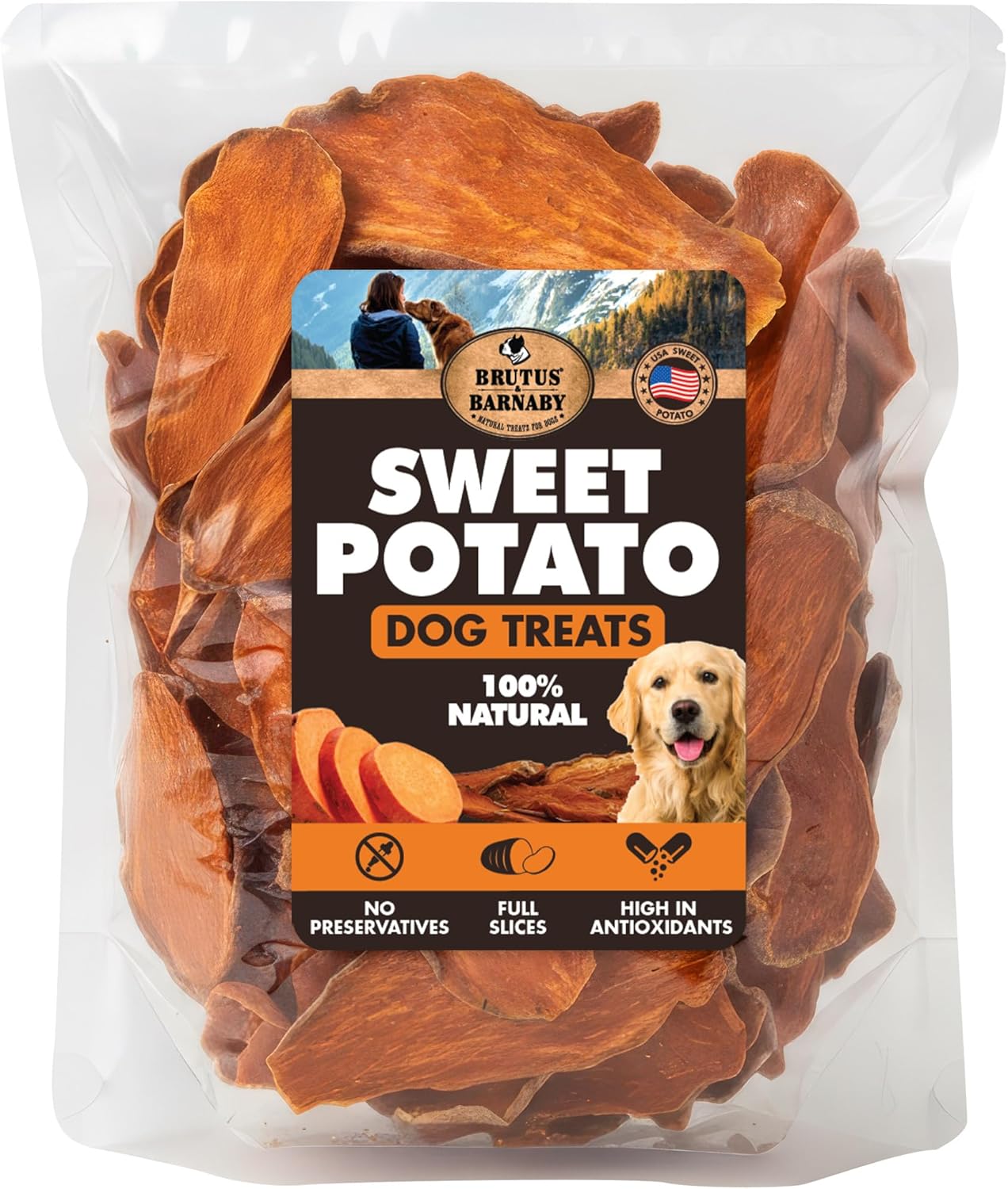
Sweet Potato Slices
A simple plant-based treat option for dogs who need a gentler snack and an easy-to-track ingredient.
- Simple everyday snack
- Great for light chewers
- Easy treat tracking
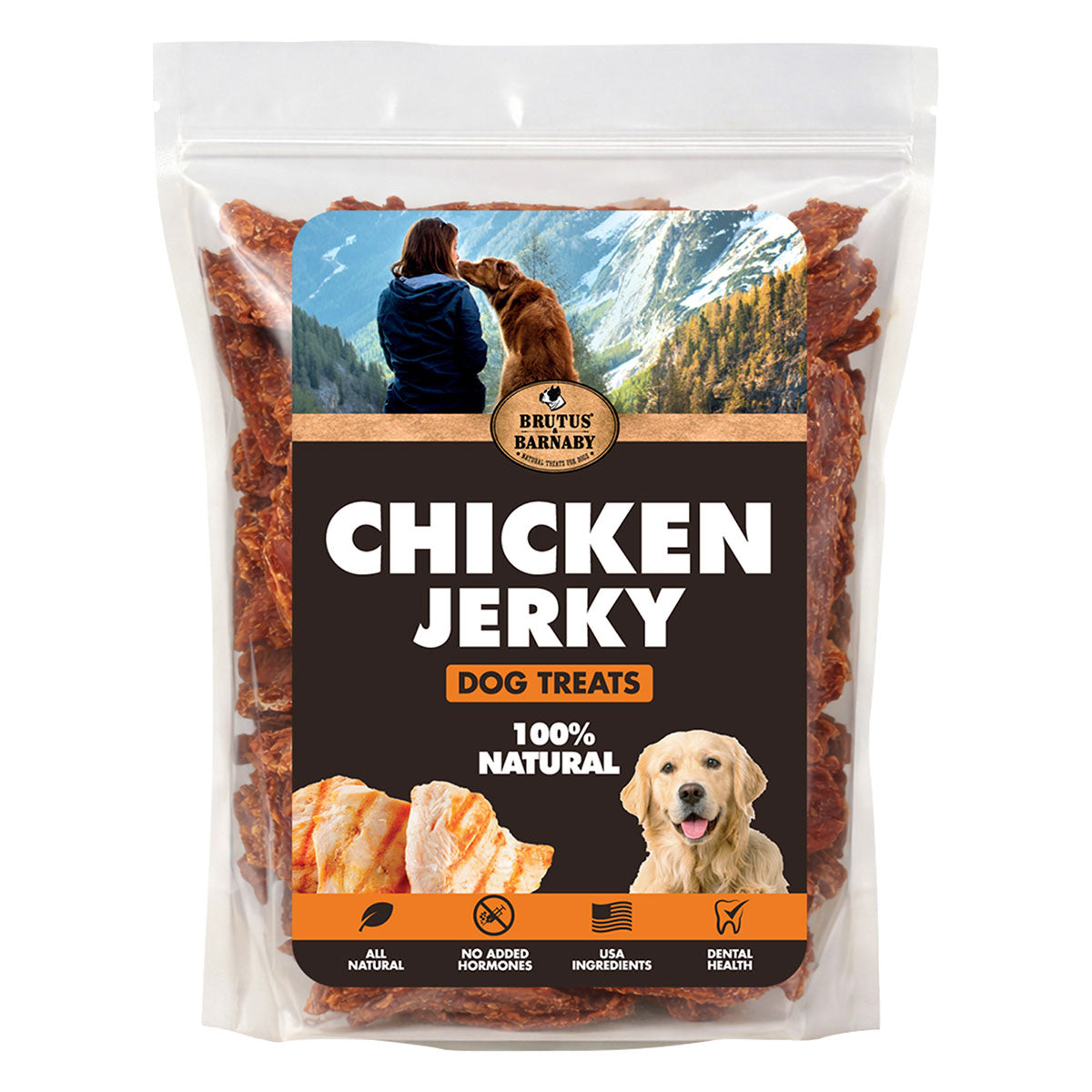
Chicken Jerky Dog Treats
A savory protein treat option for dogs who tolerate chicken and enjoy a chewy reward.
- Protein-packed reward
- Great for chicken-loving dogs
- Easy to break into pieces
How to Use Freeze-Dried Treats for Sensitive Dogs
If you want to test freeze-dried treats with a sensitive dog, keep the process slow and simple. Treats work best when they are part of a consistent routine, not constant snacking.
Frequently Asked Questions
Final Takeaway
Freeze-dried treats can be a strong choice for many sensitive dogs because they are often simple, flavorful, and easy to portion. They are especially useful when you want fewer ingredients and easier treat tracking.
The key is moderation. Choose clear ingredients, introduce slowly, avoid known allergens, and watch your dog’s response. If your dog has ongoing digestive or allergy symptoms, work with your veterinarian before changing their treat routine.
Choose Simpler Treats for Sensitive Dogs
Explore natural treats, toppers, and chews made for simple reward routines and easier ingredient tracking.
Shop Natural Dog Treats