



Best Summer Treats to Help Dogs Stay Cool & Comfortable
Summer heat can be tough on dogs. Learn how shade, water, rest, and simple chilled treats can support a safer hot-weather routine.
Summer heat can be tough on dogs, especially thick-coated breeds, short-muzzled breeds, seniors, puppies, overweight dogs, and dogs with sensitive digestion.
Shade, fresh water, cool indoor space, and rest are always the essentials. Treats should never replace heat safety basics, but the right treat routine can make hot days more enjoyable.
Simple chilled treats, rehydrated toppers, and light snacks can help encourage calmer indoor time and give your dog something refreshing to enjoy after walks, play, or potty breaks.
Quick rule: treats can support a summer routine, but water, shade, air conditioning, and avoiding peak heat matter most.
How to Keep Your Dog Safe in Extreme Heat
In hot weather, the priority is reducing your dog’s heat exposure. That means planning walks carefully, keeping your dog out of direct sun, and watching for early signs of heat stress.
Dogs cool themselves mostly through panting, so they can overheat faster than many owners realize. Hot pavement, humid air, intense sun, and overexertion can all make heat more dangerous.
Call your vet urgently if your dog has heavy panting that does not settle, weakness, collapse, vomiting, diarrhea, glazed eyes, confusion, bright red or pale gums, or signs of heatstroke.
How Treats Can Support a Summer Cooling Routine
Treats do not lower body temperature the way shade, water, and rest do. But they can help support a summer routine in three useful ways: encouraging hydration, creating calm indoor enrichment, and giving your dog a lighter snack option.
The best summer treats are simple, portion-controlled, and easy on the stomach. Avoid heavy, salty, greasy, or sugary snacks during hot weather, especially if your dog already has sensitive digestion.
Chilled & Simple
Chilled treats can feel refreshing without adding complicated ingredients.
Heavy Snacks
Rich, greasy, or oversized treats may be harder on some dogs during hot weather.
What Are Cool-Down Treats for Dogs?
Cool-down treats are snacks served chilled, frozen, or rehydrated to make hot days more refreshing. They should be safe, portion-controlled, and made from ingredients your dog already tolerates.
Good summer treat ideas include frozen water-safe treats, small portions of dog-safe fruits, plain frozen toppers, or chilled versions of natural treats. Avoid unsafe foods, added sugar, xylitol, excess dairy, and salty human snacks.
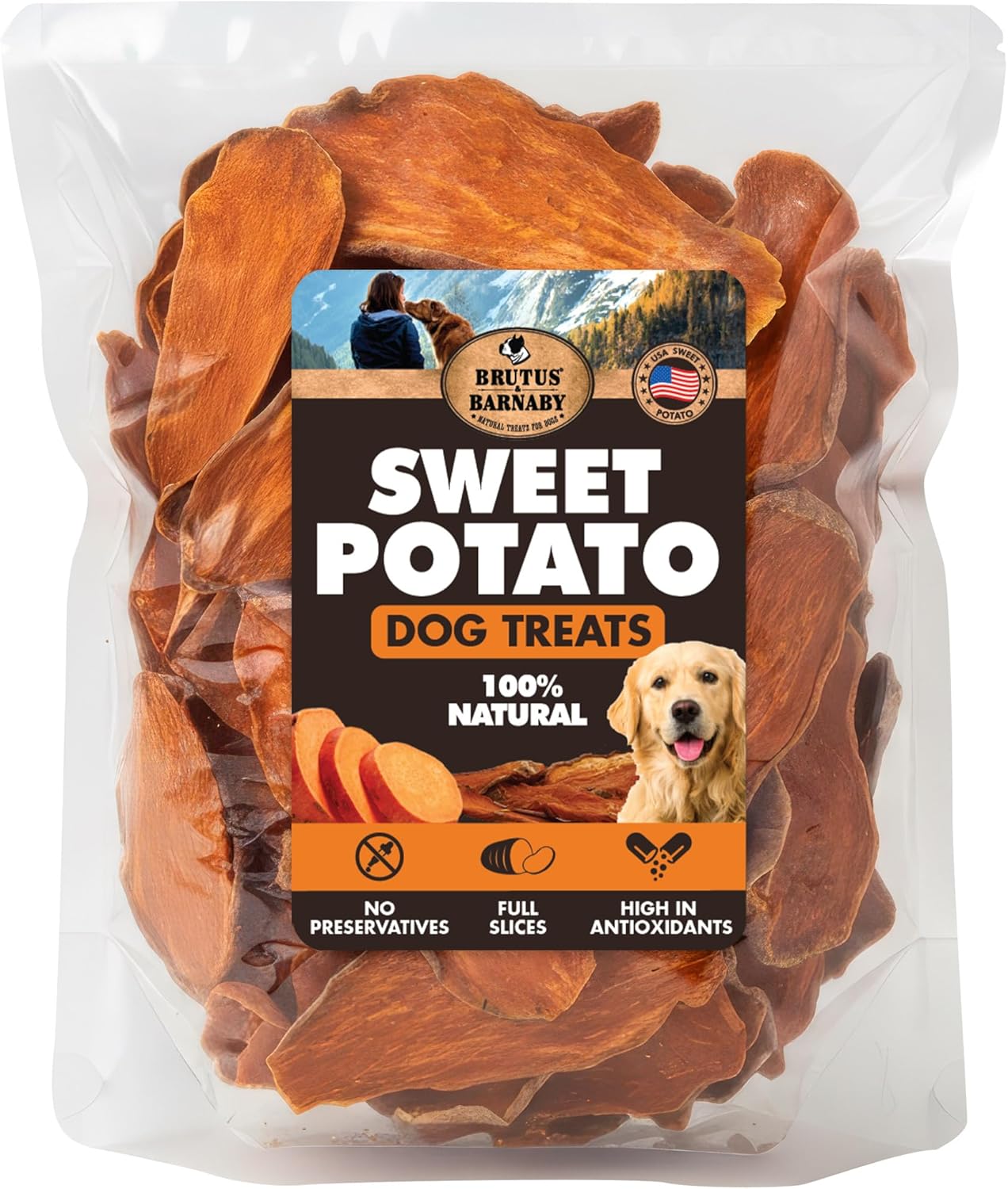
Sweet Potato Slices
A simple plant-based treat you can chill for a refreshing summer snack your dog can enjoy indoors.
- Simple everyday snack
- Great for light chewers
- Easy treat tracking
The 90/10 Rule for Summer Treats
The 90/10 rule applies all year: most of your dog’s daily calories should come from complete and balanced dog food, while treats should usually stay around 10% or less.
This matters during summer because many dogs want more refreshing snacks, but too many treats can still lead to stomach upset or extra calories. Cooling treats should stay light and limited.
Summer treat tip: choose small portions more often instead of large frozen snacks that can upset the stomach or become choking risks.
Treats That Help Dogs Stay Comfortable in the Heat
The best summer treats are simple, easy to portion, and gentle enough for your dog’s routine. Serve them chilled, lightly rehydrated, or in small pieces depending on your dog’s size and chewing style.
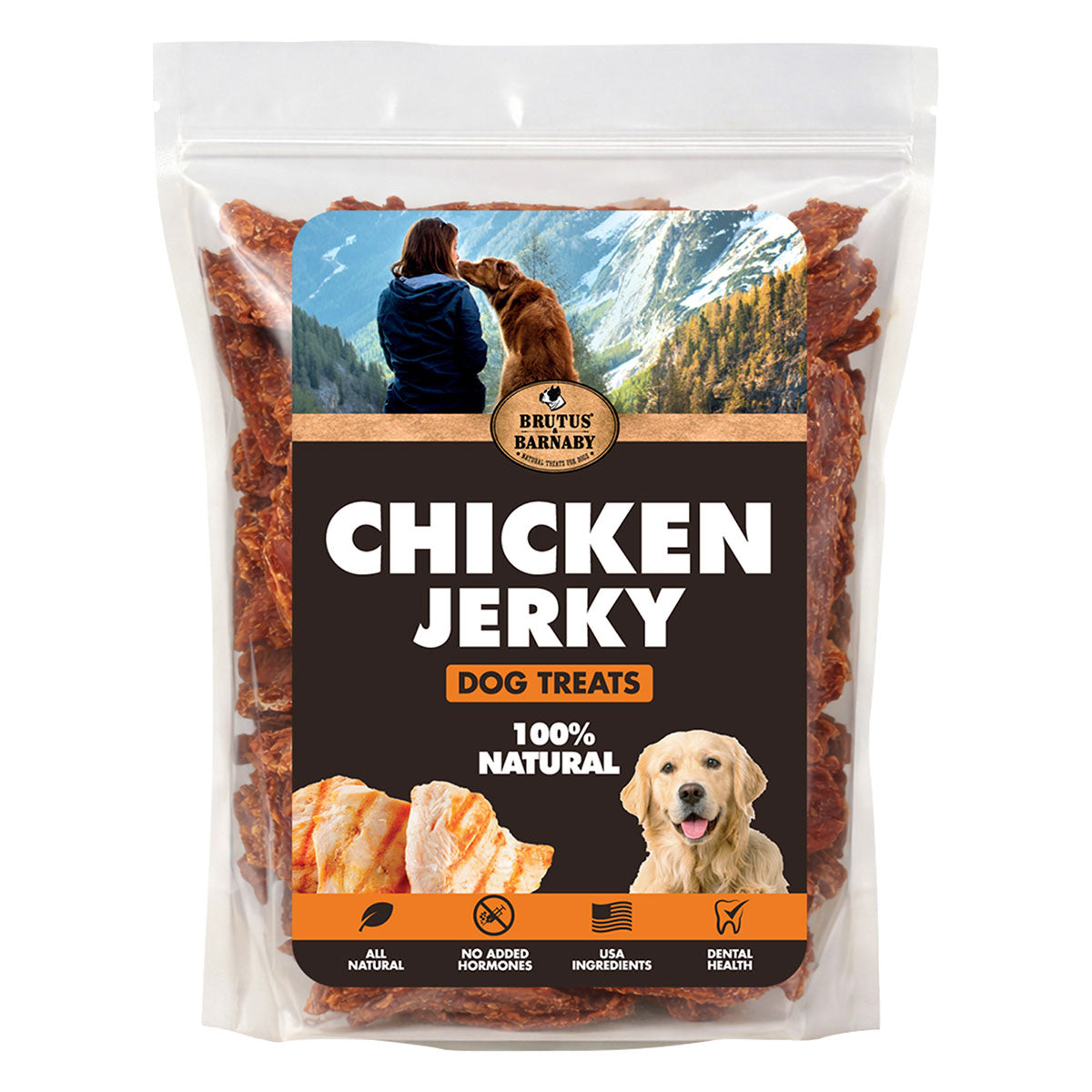
Chicken Jerky Dog Treats
A savory protein treat option for dogs who tolerate chicken and enjoy a chewy reward after summer walks.
- Protein-packed reward
- Easy to break into pieces
- Great for chicken-loving dogs
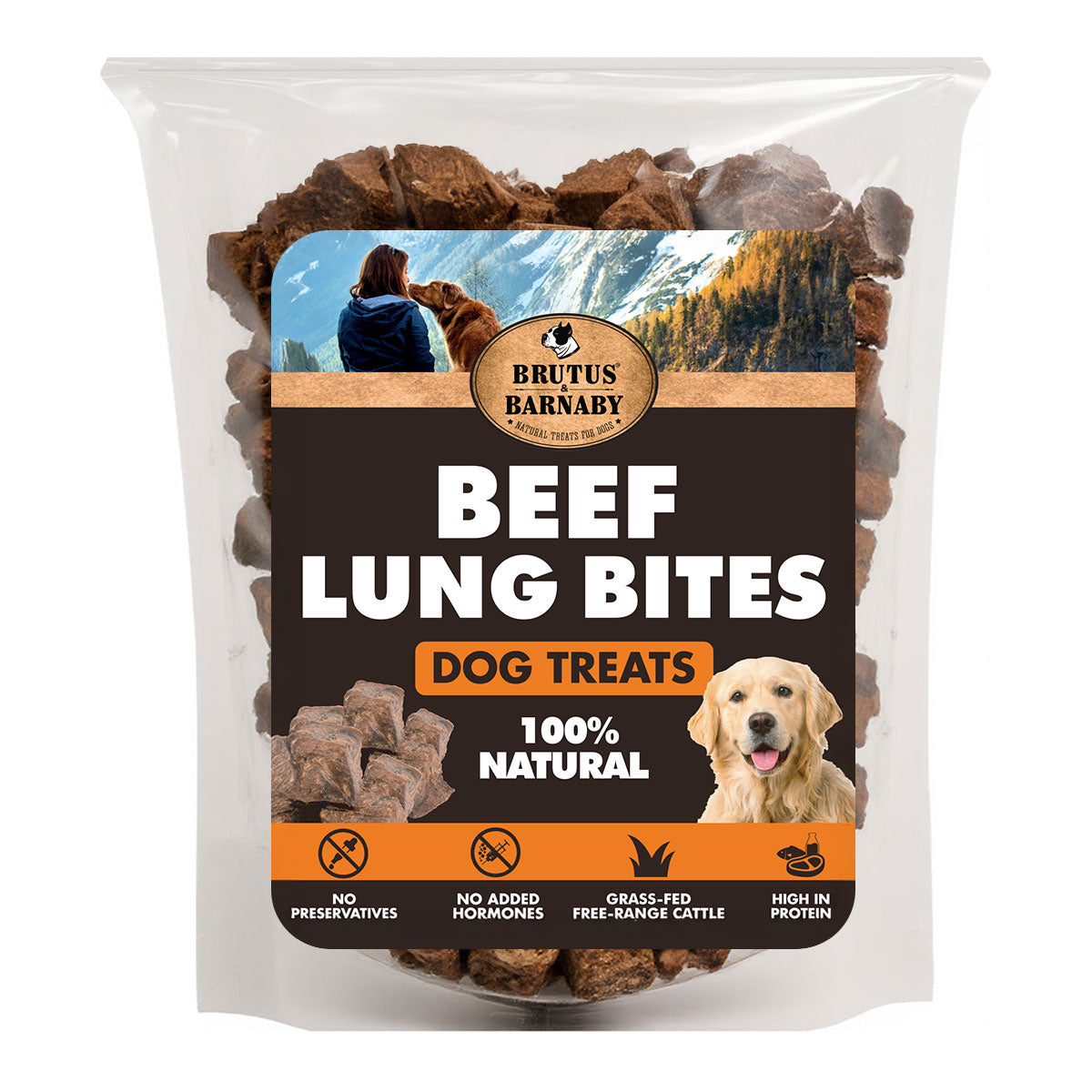
Beef Lung Bites
A light, protein-focused reward for quick summer snack portions and simple reward routines.
- Protein-rich treat option
- Great for quick rewards
- Light crunchy texture
Rehydrated Treats & Toppers for Hot Days
Another simple summer trick is adding a little moisture back into dry treats or toppers. This can make treats softer, more aromatic, and more refreshing when served in small amounts.
Use cool water, serve immediately, and throw away leftovers. Rehydrated treats should not sit out in the heat.

Beef Liver Dog Food Topper
A flavorful topper option that can be mixed into meals in small amounts when your dog needs extra interest at mealtime.
- Great for picky eaters
- Easy meal enhancer
- Simple protein topper
Frequently Asked Questions
Final Takeaway
Keeping your dog safe in summer heat starts with shade, fresh water, cool indoor space, and avoiding peak heat. Treats can support the routine, but they are not a substitute for real heat protection.
For hot days, choose simple treats that can be chilled, rehydrated, or served in small portions. Keep things light, watch your dog closely, and contact your vet right away if you see signs of heat stress.
Build a Better Summer Treat Routine
Explore natural treats, chews, and toppers made for simple reward routines, summer snack time, and everyday enrichment.
Shop Treats & Chews