



How to Tell If a Chew Is Too Hard for Your Dog
Chewing can be great for enrichment, boredom, and routine — but some chews are so hard they may put your dog’s teeth and gums at risk.
Giving your dog something to chew can support enrichment and help satisfy their natural chewing instinct — but not every chew is a good fit for every dog.
Some chews are so hard that they may contribute to cracked teeth, gum irritation, mouth discomfort, or painful chewing. The goal is not to avoid chew time completely. The goal is to choose a texture your dog can enjoy safely and comfortably.
Here’s how to spot a chew that may be too hard, what warning signs to watch for, and which gentler chew options may be better for your dog’s size, age, and chewing style.
Quick rule: if a chew feels rock-hard and has no give, it may be too hard for your dog’s teeth.
How Do I Know If a Chew Is Too Hard for My Dog?
A common chew-safety test is the fingernail test: if you cannot press your fingernail into the chew and leave a small dent, the chew may be too hard for many dogs.
This is not a perfect rule for every dog, but it is a useful warning sign. Senior dogs, puppies, small breeds, dogs with dental disease, and aggressive chewers may need extra caution.
Some Flex or Give
A safer chew should usually have enough give that your dog is chewing, not slamming their teeth against a rigid surface.
Rock-Hard Texture
Chews that feel like stone, bone, or hard plastic may be too much for many dogs’ teeth.
Warning Signs a Chew Is Causing Discomfort
Your dog may not always stop chewing right away, even if a chew is uncomfortable. Watch their body language and chewing pattern.
Stop chew time if you see blood, sharp edges, broken chunks, sudden pain, gagging, choking, or one-sided chewing.
Do Hard Chew Toys Hurt Dogs’ Teeth?
They can. Overly hard chews may contribute to tooth fractures, gum irritation, worn enamel, jaw fatigue, or chewing discomfort. The risk depends on your dog’s teeth, jaw strength, chewing style, age, and the chew’s hardness.
Common chews that may be too hard for some dogs include antlers, weight-bearing raw bones, and dense nylon toys with no flex. Dogs with dental disease, missing teeth, fragile teeth, senior teeth, or aggressive chewing habits need extra caution.
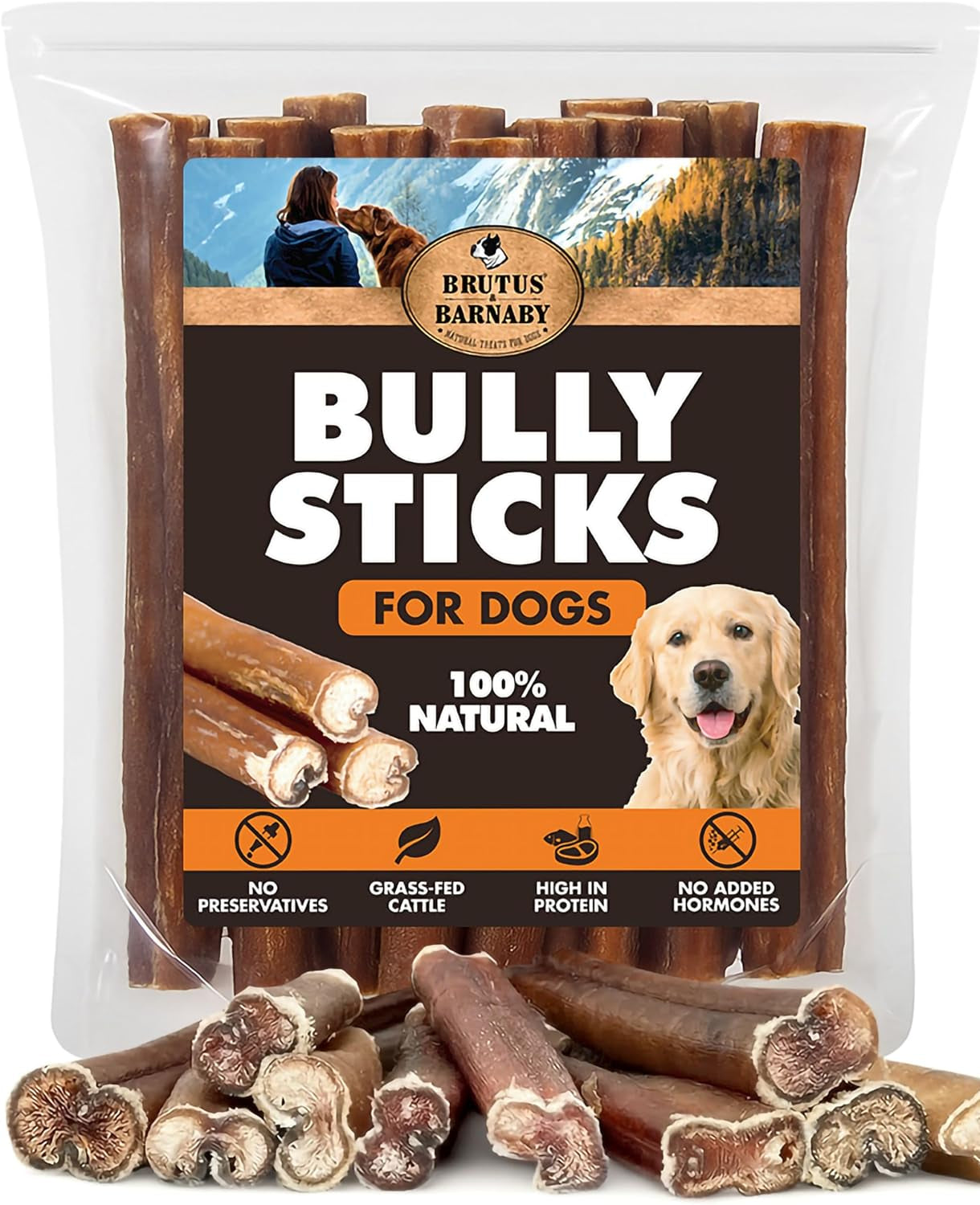
Natural Bully Sticks
A rawhide-free chew option for dogs who need longer chew time and supervised chewing enrichment.
- Long chew time
- Keeps dogs busy
- Rawhide-free chew
Are Dog Dental Chews Supposed to Be Hard?
Dental-style chews should usually be firm, not rock-hard. They should offer resistance, but they should not feel like stone, glass, or rigid plastic.
Chewing may help with mechanical scraping on the tooth surface, but treats and chews are not a replacement for brushing, dental exams, or veterinary dental care.
Dental note: if your dog has bad breath, tartar buildup, red gums, loose teeth, or mouth pain, schedule a veterinary dental check.
Gentler Chew Options for Dogs
If your dog needs a gentler option, look for treats that are easier to bite, break, or soften during chewing. The right choice depends on your dog’s size, chewing style, dental health, and digestion.
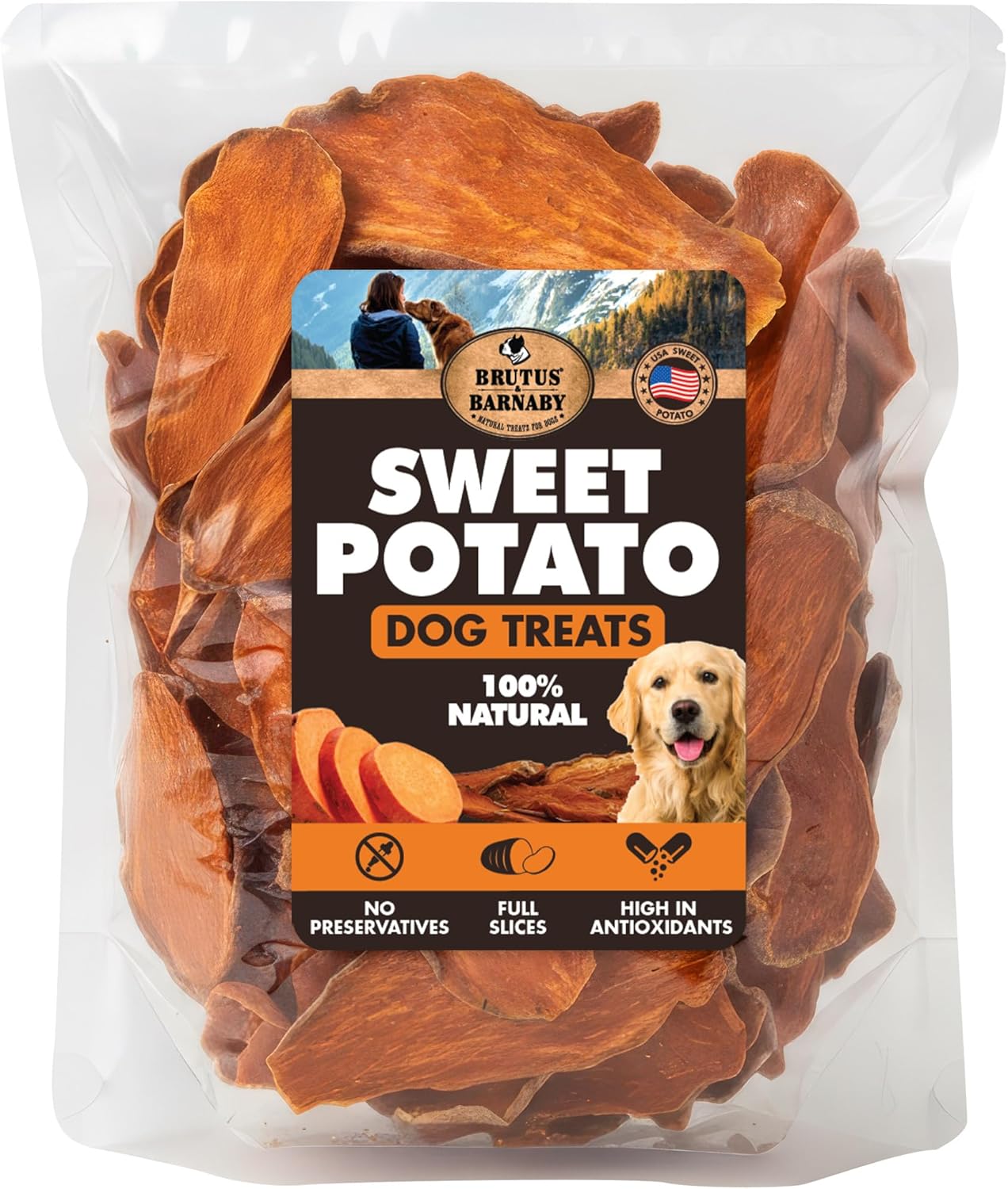
Sweet Potato Slices
A simple plant-based treat option for dogs who need a gentler alternative to very hard chews.
- Simple everyday snack
- Gentler treat option
- Easy alternative to hard chews
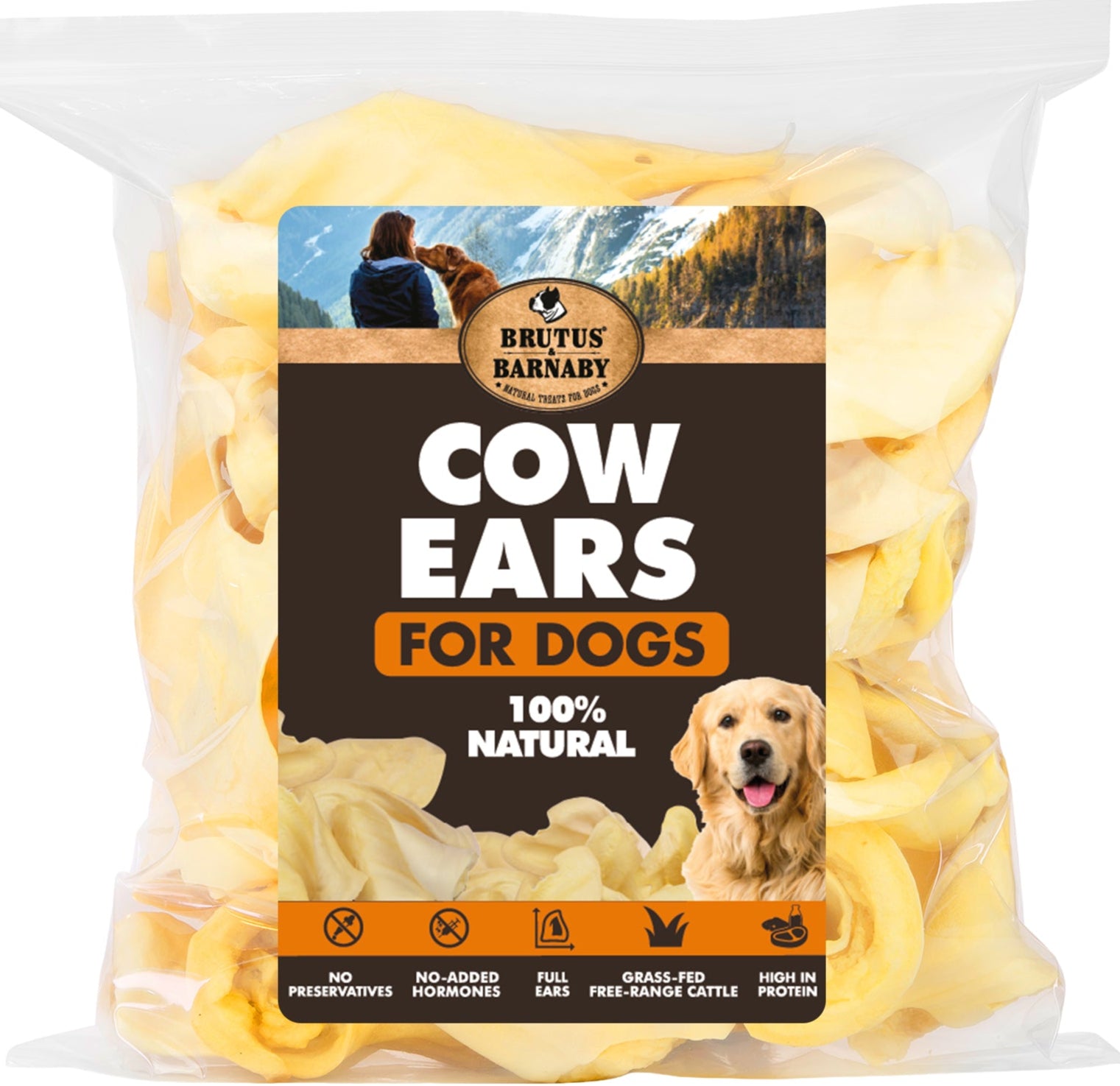
Cow Ears for Dogs
A lighter natural chew option for dogs who enjoy crunch but may not need dense, extra-hard chews.
- Rawhide-free chew
- Crunchy texture dogs love
- Great for supervised chew time
Is Chewing Hard Things Good for Dogs?
Chewing can be a healthy, normal behavior for dogs. It can provide enrichment, help relieve boredom, and give dogs an appropriate outlet for chewing urges. But chewing something too hard can create risk.
Hardness is not the only factor. Size, shape, chewing style, dental health, and supervision matter too. A chew that works well for one dog may be too hard, too rich, too small, or too risky for another.
When Should You Replace a Chew Immediately?
Chews should be enjoyable, not painful or risky. Throw the chew away or take it from your dog if you notice any of these warning signs.
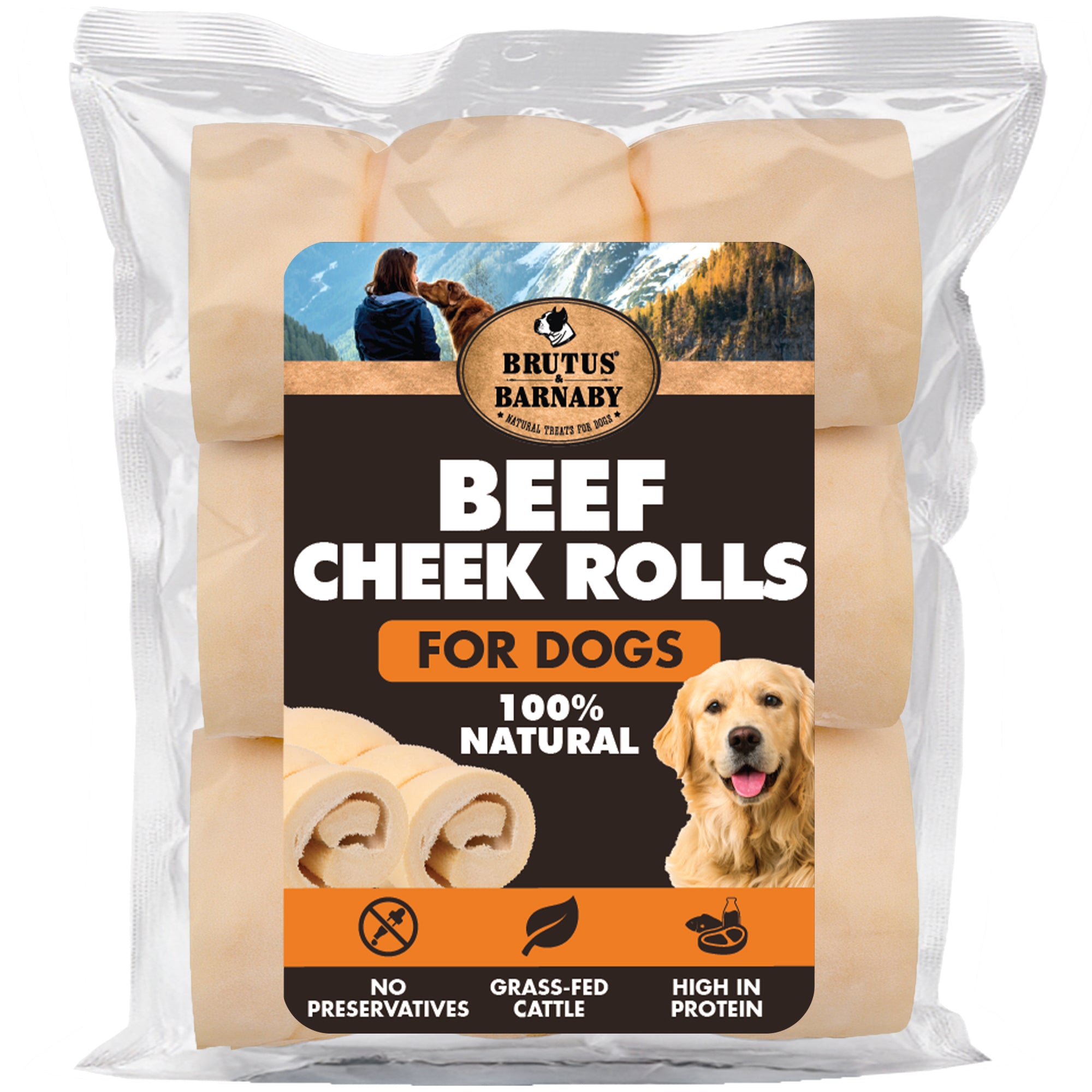
Beef Cheek Rolls
A rawhide-free chew option for experienced adult chewers who need longer chew time and supervised enrichment.
- Longer chew time
- Rawhide-free option
- Best for supervised chewing
Frequently Asked Questions
Final Takeaway
If you cannot dent a chew with your fingernail, it may be too hard for many dogs. Chews should satisfy your dog’s chewing instinct without forcing them to bite down on something rock-hard.
Choose the right texture for your dog’s age, dental health, size, and chewing style. Supervise every chew session, remove small pieces, and stop immediately if you see bleeding, sharp edges, pain, or one-sided chewing.
Find a Better Chew for Your Dog
Explore natural treats and chews for light chewers, moderate chewers, strong chewers, puppies, seniors, and adult dogs.
Shop Treats & Chews