



Probiotic Dog Treats: Science vs. Marketing Hype
Probiotic treats can support some dogs, but shelf stability, strain quality, CFU counts, and your dog’s actual symptoms matter more than front-label claims.
You have probably noticed your dog’s occasional digestive upset — maybe soft stools, gas, or a sudden loss of appetite — and wondered if a probiotic dog treat could fix it.
The honest truth is that probiotic dog treats can support digestive health in some situations, but they are not all created equal. They are also not a cure-all for every digestive issue.
This guide breaks down what probiotics can do, how probiotic treats compare with supplements, what to look for on labels, and when a simpler treat routine may be the better place to start.
Understanding Your Dog’s Gut Microbiome
Your dog’s digestive system contains a complex community of bacteria and other microorganisms. This gut microbiome helps with digestion, stool quality, nutrient use, and normal immune function.
Dogs are not humans with fur. Their digestive system, stomach acidity, transit time, diet needs, and gut bacteria are different from ours. That means a probiotic or gut-health strategy that works for people does not automatically translate to dogs.
When the gut balance is disrupted, sometimes called dysbiosis, dog parents may notice changes like loose stools, gas, bloating, appetite changes, or digestive sensitivity after food changes.
Watch For
Gut Balance Can Shift After
Important: probiotics may support digestive balance, but ongoing vomiting, diarrhea, pain, blood in stool, appetite loss, or lethargy should be discussed with your veterinarian.
What the Science Says About Probiotics for Dogs
Research on probiotics for dogs is promising, but it is not as broad or settled as many marketing claims make it sound. Some studies suggest certain probiotic strains may help with stool consistency, gut balance, and digestive recovery, especially when a dog already has digestive disruption.
The key word is specific. Benefits depend on the strain, dose, product quality, storage, and the dog’s actual condition. A vague “probiotic blend” on a treat bag does not tell you much by itself.
Research reality: probiotic benefits are usually strain-specific and situation-specific. The strongest case is often for dogs with digestive upset, antibiotic-related changes, or known gut imbalance — not every healthy dog forever.
What This Means for Your Dog
If your dog has occasional digestive issues or is recovering from antibiotics, probiotics may help support gut balance. If your dog already has firm stools, normal appetite, and steady digestion, the case for daily preventive probiotic use is much weaker.
Probiotic Treats vs. Supplements vs. Prebiotics
The treat aisle is crowded with gut-health claims. To choose well, it helps to separate probiotic treats, probiotic supplements, and prebiotic support.
For active digestive issues, many veterinarians prefer dedicated probiotic supplements because they are easier to dose and evaluate. For everyday treat routines, simple, digestible treats and fiber-forward options may be the more practical foundation.
Better Everyday Digestive-Support Treats
A treat does not need to be a probiotic product to fit a digestion-conscious routine. Sometimes the best first step is simply choosing treats with recognizable ingredients, moderate portions, and textures your dog tolerates well.
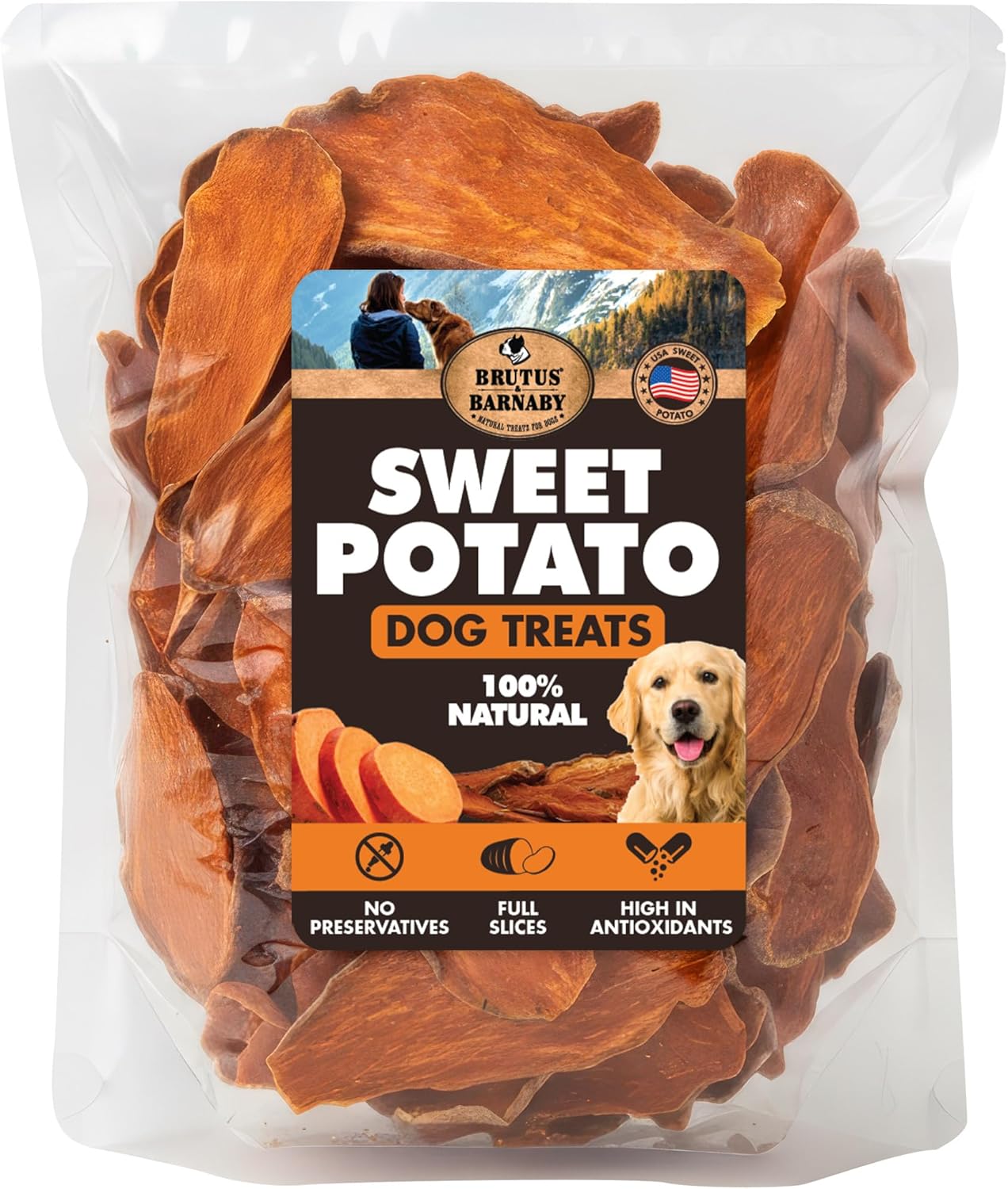
Sweet Potato Slices
A simple plant-based treat for dogs who need a gentle, fiber-forward snack in their routine.
Shop Sweet Potato Slices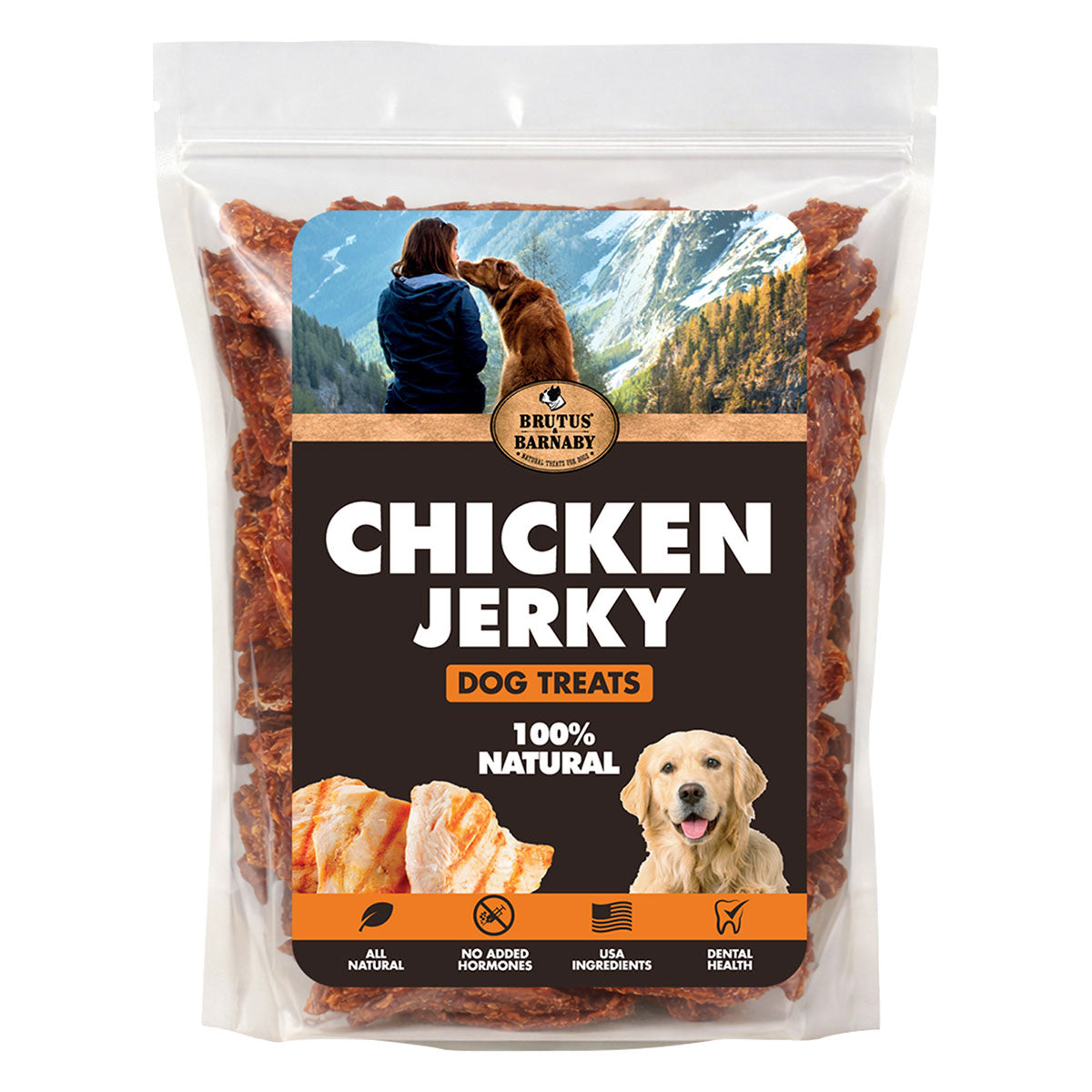
Chicken Jerky
A breakable protein treat for dogs who tolerate chicken and need a simple, high-value reward.
Shop Chicken Jerky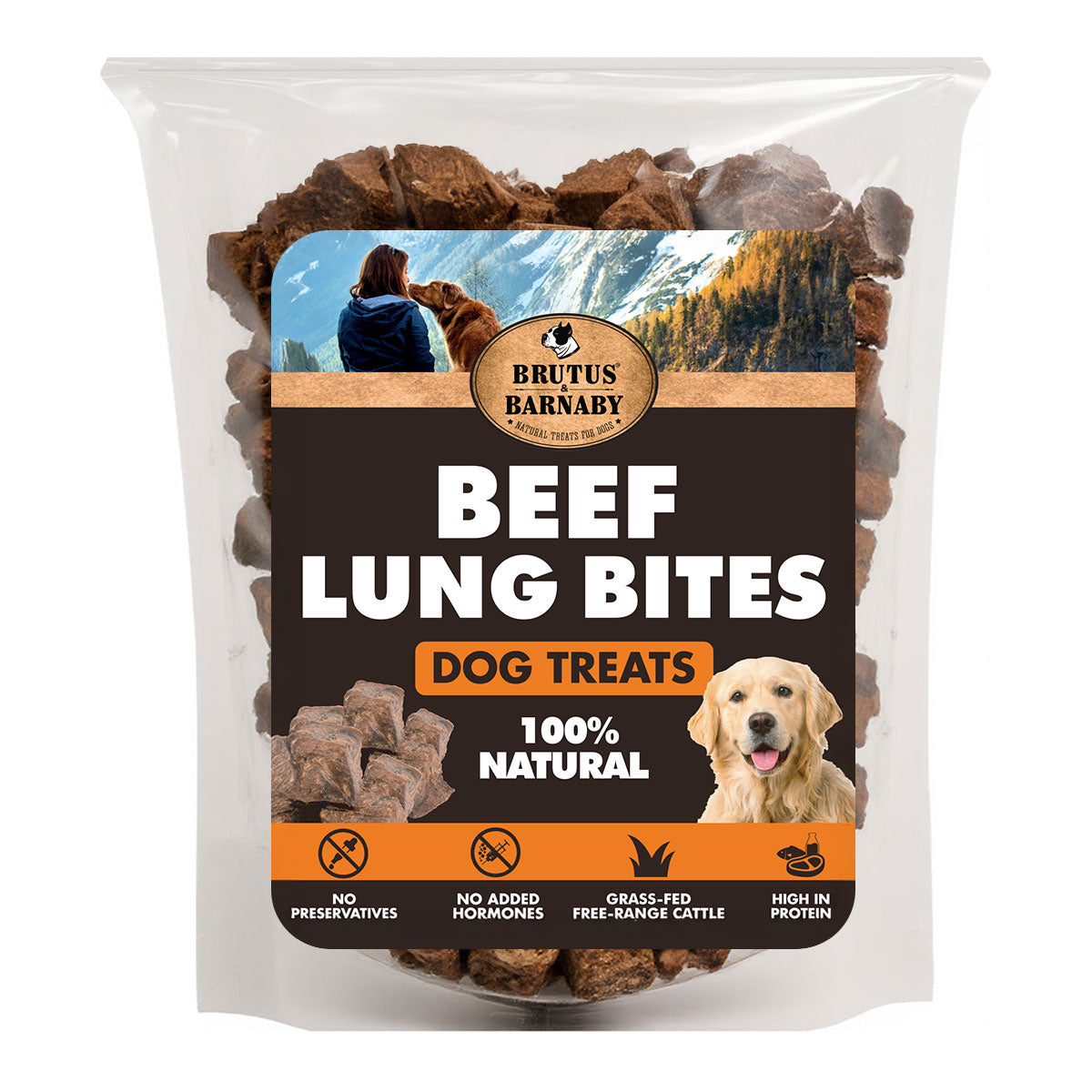
Beef Lung Bites
A light, airy protein treat that is easy to break smaller for controlled rewards.
Shop Beef Lung Bites
Beef Meat Sticks
A hearty beef-based reward that can be cut into smaller pieces for controlled treating.
Shop Beef Meat SticksPractical takeaway: for everyday digestive wellness, start with consistent meals, simple treats, gradual introductions, and portion control before relying on functional probiotic claims.
How to Spot Effective Probiotic Products vs. Marketing Hype
Not all probiotic claims are equal. A strong probiotic product should tell you more than “supports gut health.” It should make the strain, amount, storage, expiration, and use case clear.
Shelf Stability, CFU Viability, and Storage Reality
Live probiotics are sensitive. Heat, air, moisture, processing, and time can all reduce viability. That means the number of live bacteria in a probiotic treat may decline between manufacturing and the day your dog eats it.
This does not mean probiotic treats never work. It means dog parents should be careful about products that make big claims without showing strain details, CFU counts, storage guidance, or expiration information.
When to Use Probiotics vs. When to Skip Them
Not every dog needs probiotics. The best use case is usually when there is a clear reason for digestive support, not just because “gut health” sounds like something every dog should supplement daily.
There Is a Clear Reason
Your Dog Is Already Stable
Best first step: simplify the treat routine, introduce new treats slowly, and talk to your vet before using probiotics for ongoing digestive symptoms.
Frequently Asked Questions About Probiotic Dog Treats
The Bottom Line
Probiotic dog treats can be useful in the right situation, but they are not magic. The details matter: strain, CFU count, expiration, storage, product quality, and whether your dog actually needs digestive support.
For everyday digestive wellness, start with the basics: consistent meals, simple treats, gradual transitions, clean ingredient lists, and veterinary guidance when symptoms are persistent or severe.
Build a Simpler Digestive Routine
Shop simple dog treats made with recognizable ingredients for everyday rewards, training, and treat rotation.
Shop Dog Treats & Chews```