



Low-Calorie Dog Treats That Still Satisfy
Treats can still be rewarding without overloading your dog’s daily calorie budget.
Treats are essential for training, bonding, and rewarding your dog — but too many high-calorie treats can quickly lead to weight gain.
The good news is that you do not have to sacrifice taste to keep things healthier. The right low-calorie treats can still be highly rewarding, satisfying, and motivating for your dog.
The key is choosing simple treats that are easy to portion, then using them consistently within your dog’s daily calorie needs.
What Are the Best Low-Calorie Treats for Dogs?
The best low-calorie dog treats are simple, lean, minimally processed, and easy to break into smaller pieces. Instead of focusing only on “diet” treats packed with fillers, look for options that naturally deliver flavor without being overly rich.
Lean protein treats like Chicken Jerky or portion-controlled options like Training Treats are strong examples because they are satisfying without being too heavy for everyday rewards.
Better Low-Calorie Treat Traits
Treats That Add Up Fast
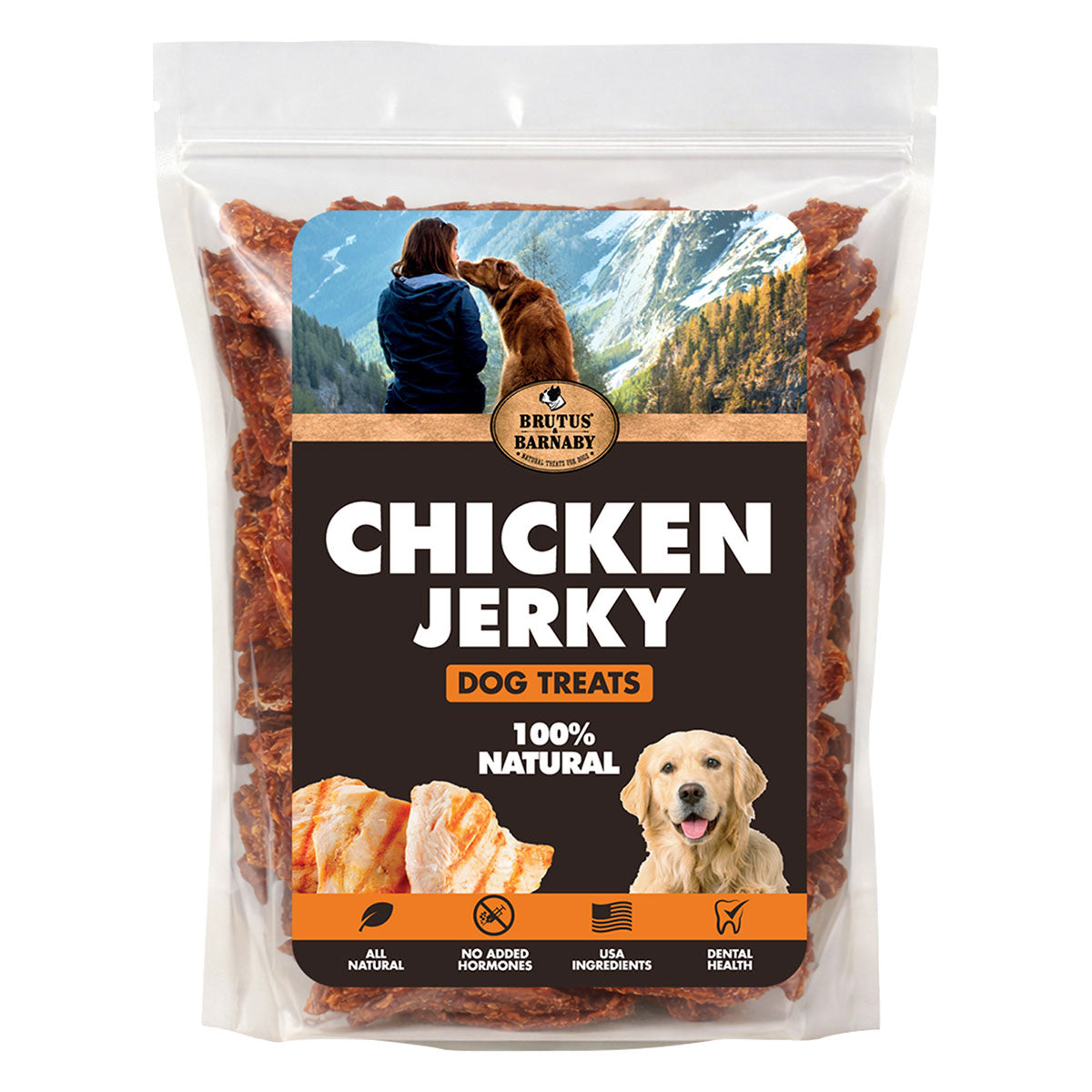
Chicken Jerky
A breakable, high-value protein reward for training, motivation, and easier portion control.
- Lean protein reward
- Easy to break smaller
- High-value training treat
- Great for portion control
What Treats Do Dogs Love the Most?
Dogs are driven more by smell, texture, and reward history than calories. A treat does not need to be huge or high-calorie to feel exciting.
Most dogs naturally respond well to meaty aromas, chewy or slightly firm textures, and treats that are easy to earn during training. This is why even lower-calorie treats can still feel like a high-value reward when chosen correctly.

Peanut Butter Banana Training Treats
Small, soft rewards for training, daily routines, and easier portion control.
Shop Training Treats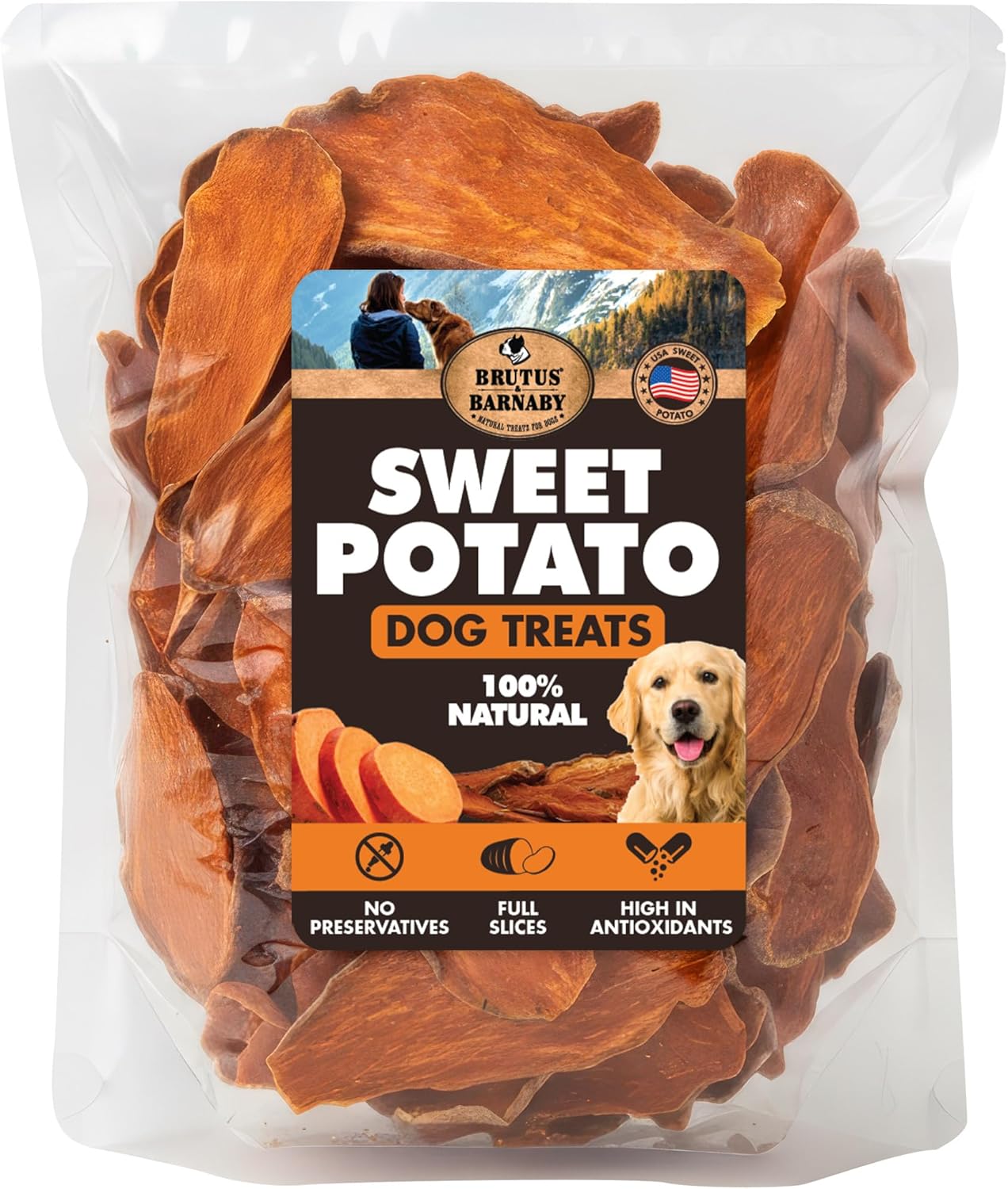
Sweet Potato Slices
A simple plant-based snack for dogs who need a satisfying treat that fits a lighter routine.
Shop Sweet Potato SlicesWhat Treats Help Dogs Lose Weight?
Treats do not cause weight loss on their own. Weight management comes from total daily calories, balanced meals, activity level, and consistency. But the right treat strategy can make weight management much easier.
The strategy is simple: lower calories, controlled portions, and consistent tracking. Choose treats that are easy to break into smaller pieces, not overly fatty or greasy, and satisfying enough that a small amount still feels rewarding.
Weight-management rule: the best treat is not just “low-calorie.” It is a treat you can portion consistently without overfeeding.
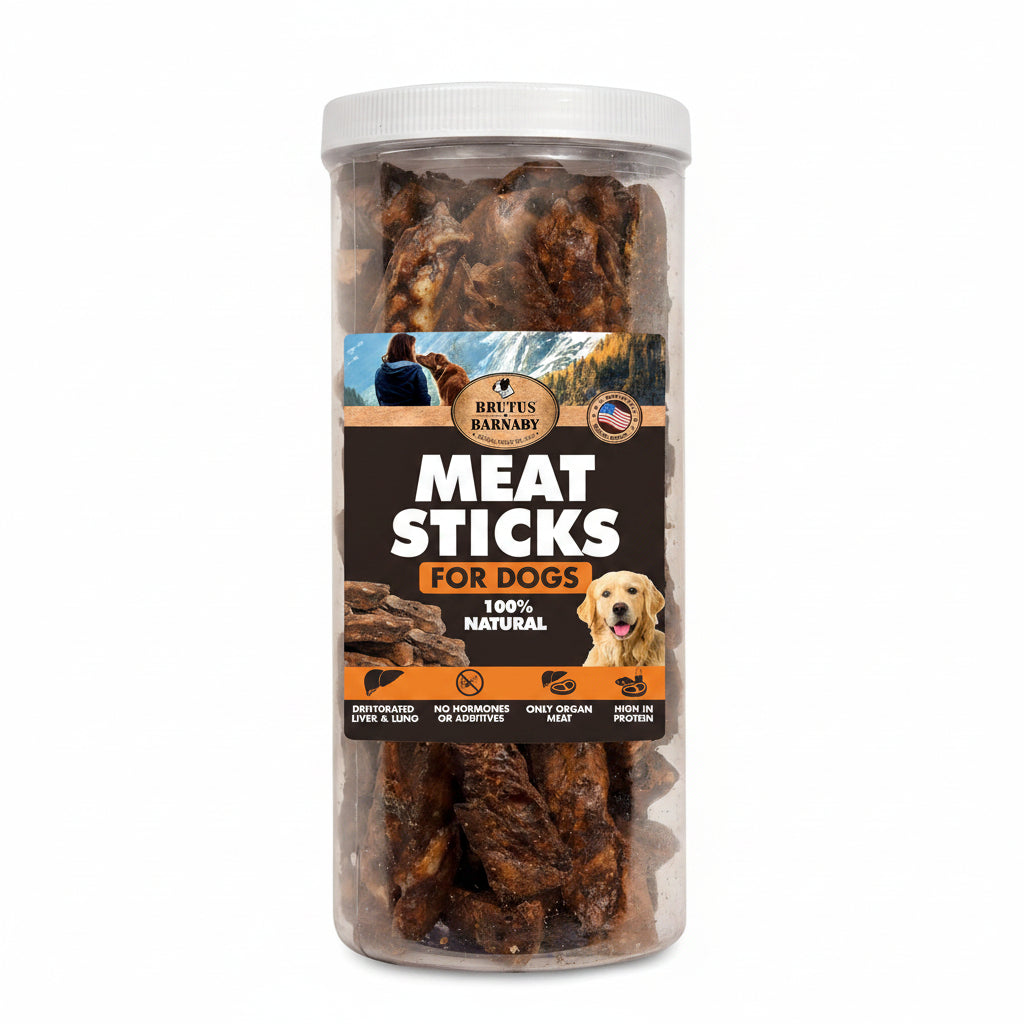
Beef Meat Sticks
A hearty beef-based reward that can be cut into small pieces for controlled treating.
- Easy to portion smaller
- Hearty reward
- Great for picky dogs
- Useful for controlled treating
What Treats Are Not Fattening for Dogs?
“No-fat” is not the goal. Dogs still need balanced nutrition, and some fat is normal in a healthy diet. The real goal is moderation, portion control, and choosing treats that are not overly rich for your dog’s daily routine.
Highly processed, oily treats are more likely to contribute to weight gain than simple, natural treats used in the right amount. Portion size still matters most.
The 90/10 Rule for Dog Treats
A helpful guideline is that about 90% of your dog’s daily calories should come from complete and balanced meals, while treats should stay around 10% of daily calories.
This keeps treats from interfering with overall nutrition and helps prevent accidental overfeeding. Remember that chews, toppers, table scraps, and training rewards all count toward that treat budget.
90/10 reminder: a treat can be healthy and still too much if it pushes your dog over their daily calorie needs.
Portion Control Matters More Than the Treat
Even low-calorie treats can lead to weight gain if they are overused. Instead of giving large pieces, break treats smaller and reward more strategically.
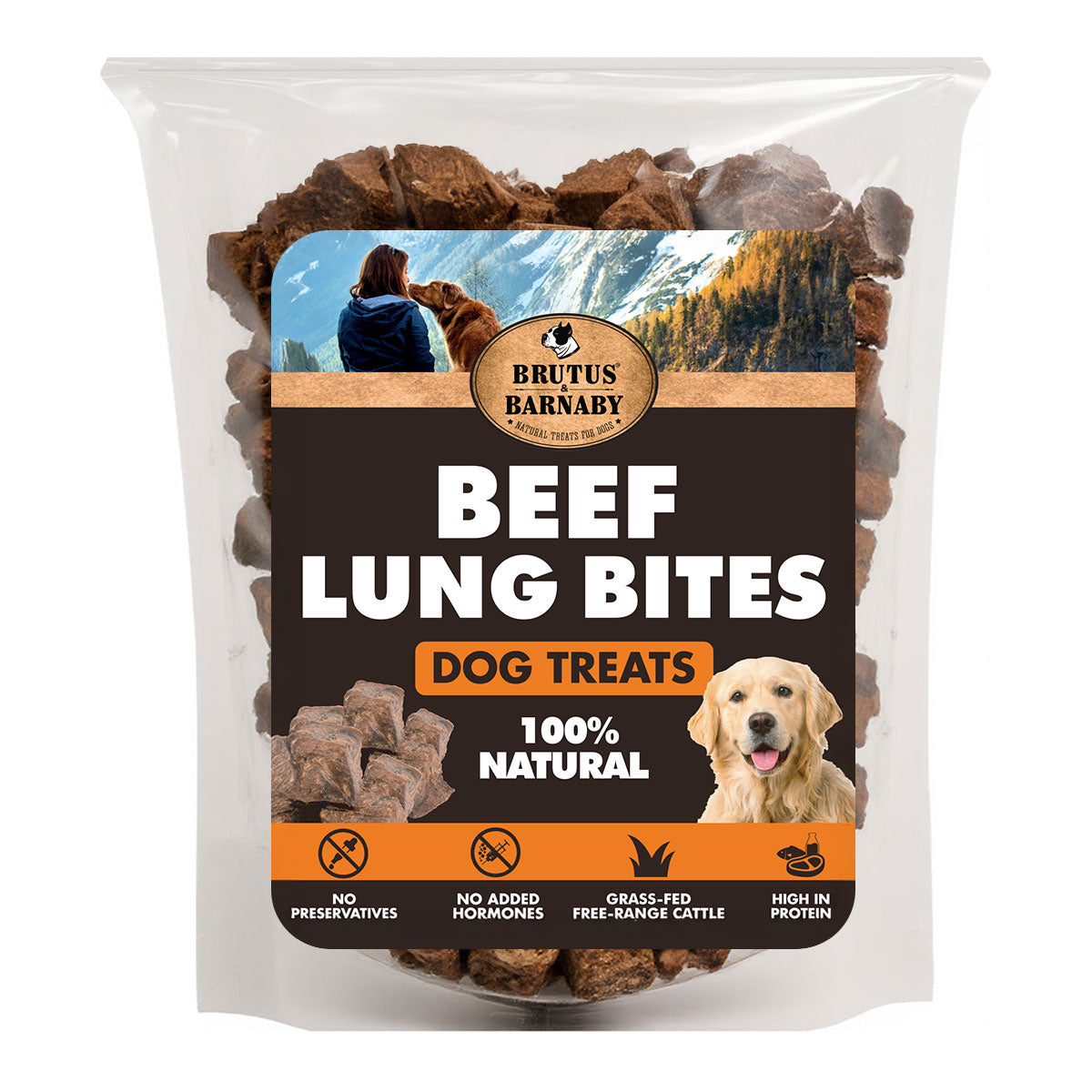
Beef Lung Bites
A light, airy protein treat that is easy to break smaller for controlled rewards.
Shop Beef Lung Bites
Sweet Potato Chicken Training Treats
Small rewards for training, routine reinforcement, and consistent treat portions.
Shop Training TreatsFrequently Asked Questions
The Bottom Line
Low-calorie dog treats do not have to be boring. The best options are lean, minimally processed, easy to portion, and still rich in smell, texture, and reward value.
When used correctly, treats can help keep your dog motivated and satisfied without unnecessary weight gain. Focus on smaller portions, consistent tracking, and treats that fit your dog’s daily calorie needs.
Reward More Without Overdoing It
Shop simple, satisfying treats that are easy to portion for training, bonding, and daily rewards.
Shop Dog Treats & Chews```