

Probiotics for Dogs: Myths, Facts & Do They Work in Treats?

Posted by Doug Joyce on

DOG DIGESTION GUIDE

Probiotic Dog Treats: Myths vs. Facts

Probiotic treats can be useful in the right situation, but they are not a magic fix for every dog’s digestion.

Gut Health Digestive Support Simple Treats

Probiotics are everywhere — from supplements to dog treats — promising better digestion, stronger immunity, and overall wellness.

But do dogs actually need probiotics? And more importantly, do probiotic dog treats really work?

The honest answer is: sometimes. Probiotics can support digestive balance in certain situations, but they are not automatically necessary for every dog every day. Treat quality, probiotic strain, storage, freshness, and your dog’s individual needs all matter.


Do Dogs Actually Need Probiotics?

Not always. Healthy dogs already have a gut microbiome made up of bacteria and other microorganisms. In many cases, a dog eating a balanced diet with normal stool and no digestive issues does not need daily probiotic support.

Probiotics are better thought of as a support tool, not a requirement for every dog. They may be more useful during digestive disruption, after antibiotics, during diet transitions, or during stressful periods that affect stool quality.

May Help During

Digestive Stress Moments

Diet changes or food transitions
After antibiotic use, with veterinary guidance
Stressful travel, boarding, or routine changes
Occasional digestive imbalance
Not Always Needed

Daily Use May Be Unnecessary When

!Your dog has normal stool
!Your dog eats a balanced diet well
!There are no digestive symptoms
!You are using them only because the label sounds healthy

Simple answer: dogs do not automatically need probiotics every day. Use them strategically when there is a reason, and ask your veterinarian if symptoms are frequent or severe.


Do Probiotic Treats Work for Dogs?

Yes, probiotic treats can work for some dogs, but there are limitations. Effectiveness depends on the probiotic strain, the amount provided, how the product is made, how it is stored, and whether the probiotics are still alive and active by the time your dog eats them.

Many treats are exposed to heat during manufacturing. Heat, moisture, oxygen, and time can reduce probiotic potency. That means some probiotic treats may be less reliable than dedicated probiotic supplements designed and stored specifically for live bacteria.

What Matters Why It Matters What to Check
Strain quality Different strains may support different digestive needs. Look for named strains, not vague “probiotic blend” language.
Survivability Live bacteria can lose potency during heat processing or storage. Check storage instructions, expiration dates, and brand transparency.
Reason for use Probiotics work best when matched to an actual digestive need. Use them for specific support, not automatically forever.

Reality check: probiotic treats can help, but a simple, digestible treat routine often matters more for everyday dogs with normal digestion.


Signs Your Dog May Need Digestive Support

Your dog may benefit from digestive support if you notice recurring stool changes, gas, bloating, or changes after antibiotics. But ongoing symptoms should not be ignored or covered up with treats.

Sign What It May Suggest What to Do
Frequent loose stool Diet sensitivity, stress, gut imbalance, or medical issue. Track food changes and ask your vet if it continues.
Gas or bloating Treat may be too rich, too new, or poorly tolerated. Simplify treats and introduce new foods slowly.
Changes after antibiotics Gut bacteria may need time to rebalance. Ask your veterinarian whether probiotic support is appropriate.
Vomiting, pain, or lethargy Could indicate something more serious than simple gut imbalance. Contact your veterinarian instead of relying on treats.

Natural Digestive Support vs. Added Probiotics

Some dog owners prefer to support digestion by choosing simpler, less processed treats instead of relying only on added probiotics. This can be a smart everyday strategy, especially for dogs who do not have ongoing digestive issues.

Natural, minimally processed treats like Chicken Jerky and Beef Meat Sticks do not need to be probiotic products to fit a digestion-conscious routine. Their benefit is that they are simple, recognizable, and easier to portion than many heavily processed treats.
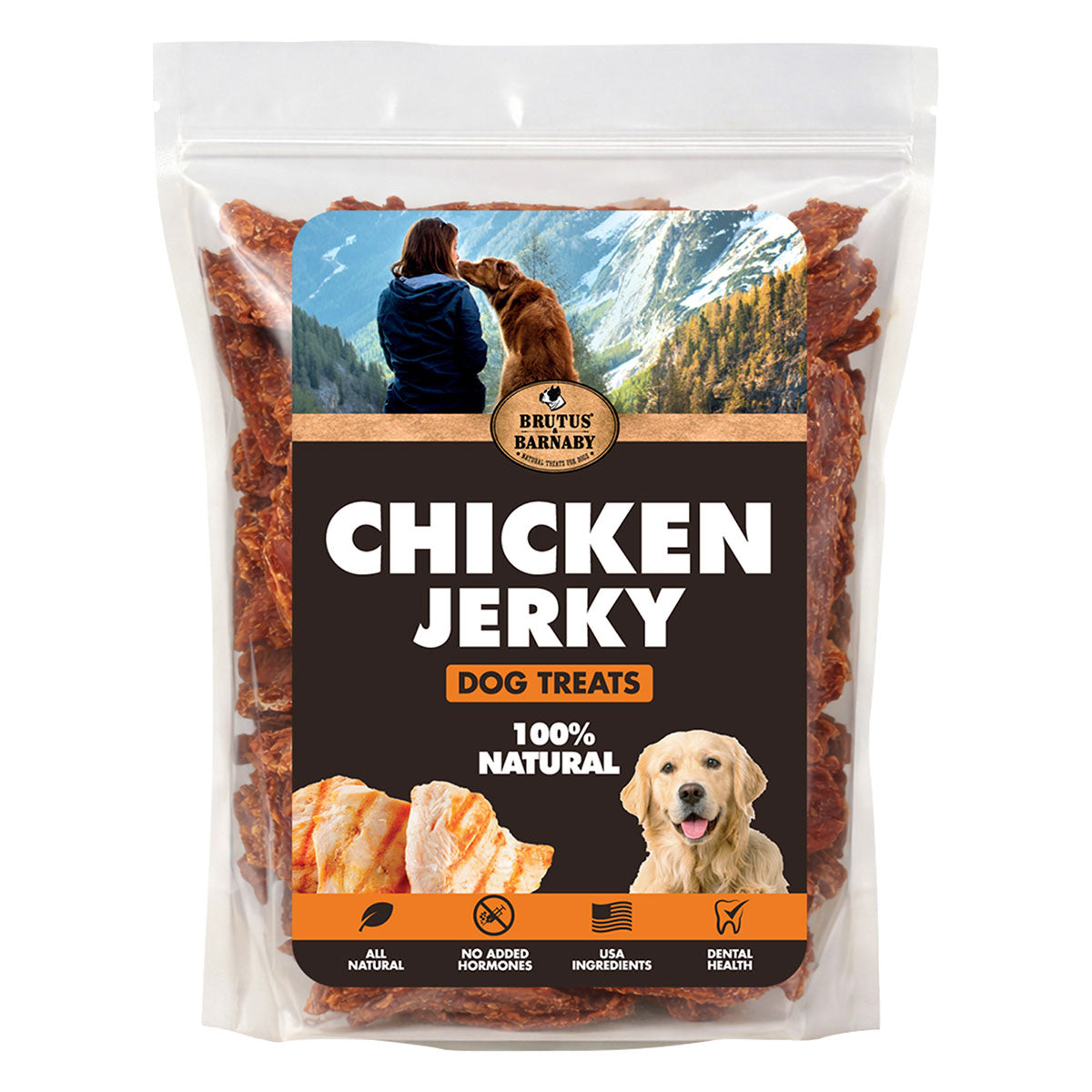
Brutus and Barnaby Chicken Jerky simple dog treats
Simple Protein Pick

Chicken Jerky

A breakable protein reward for dogs who tolerate chicken and need simple, high-value treating.

Shop Chicken Jerky

Brutus and Barnaby Beef Meat Sticks simple dog treats
Hearty Reward Pick

Beef Meat Sticks

A hearty beef-based reward that is easier to portion than a large chew.

Shop Beef Meat Sticks

Everyday digestion tip: before adding more supplements, simplify the treat routine and remove overly processed, overly rich, or poorly tolerated snacks.


Should You Give Probiotics Every Day?

Daily use is not always necessary. For most healthy dogs, probiotics are best used strategically rather than automatically. Short-term use may be helpful during digestive disruption, while long-term use should be based on your dog’s actual needs and veterinary guidance.

Use Pattern When It May Make Sense Best Next Step
Short-term support After diet changes, stress, or antibiotics. Use with a consistent diet and monitor stool.
Long-term daily use Some dogs with ongoing digestive needs may benefit. Ask your veterinarian for the right product and dose.
No obvious digestive issue Your dog has normal stool, appetite, and energy. Focus on quality food, simple treats, and consistency.

Myths vs. Facts About Probiotic Dog Treats
Myth Fact What It Means
All probiotic treats are effective. Potency can vary based on strain, processing, storage, and freshness. Choose carefully and do not rely only on front-label claims.
Every dog needs probiotics daily. Healthy dogs with normal digestion may not need them consistently. Use probiotics when there is a reason, not just because they sound healthy.
More probiotics always means better results. Quality, strain, dose, and need matter more than simply adding more. The best product is the one that fits your dog’s specific situation.
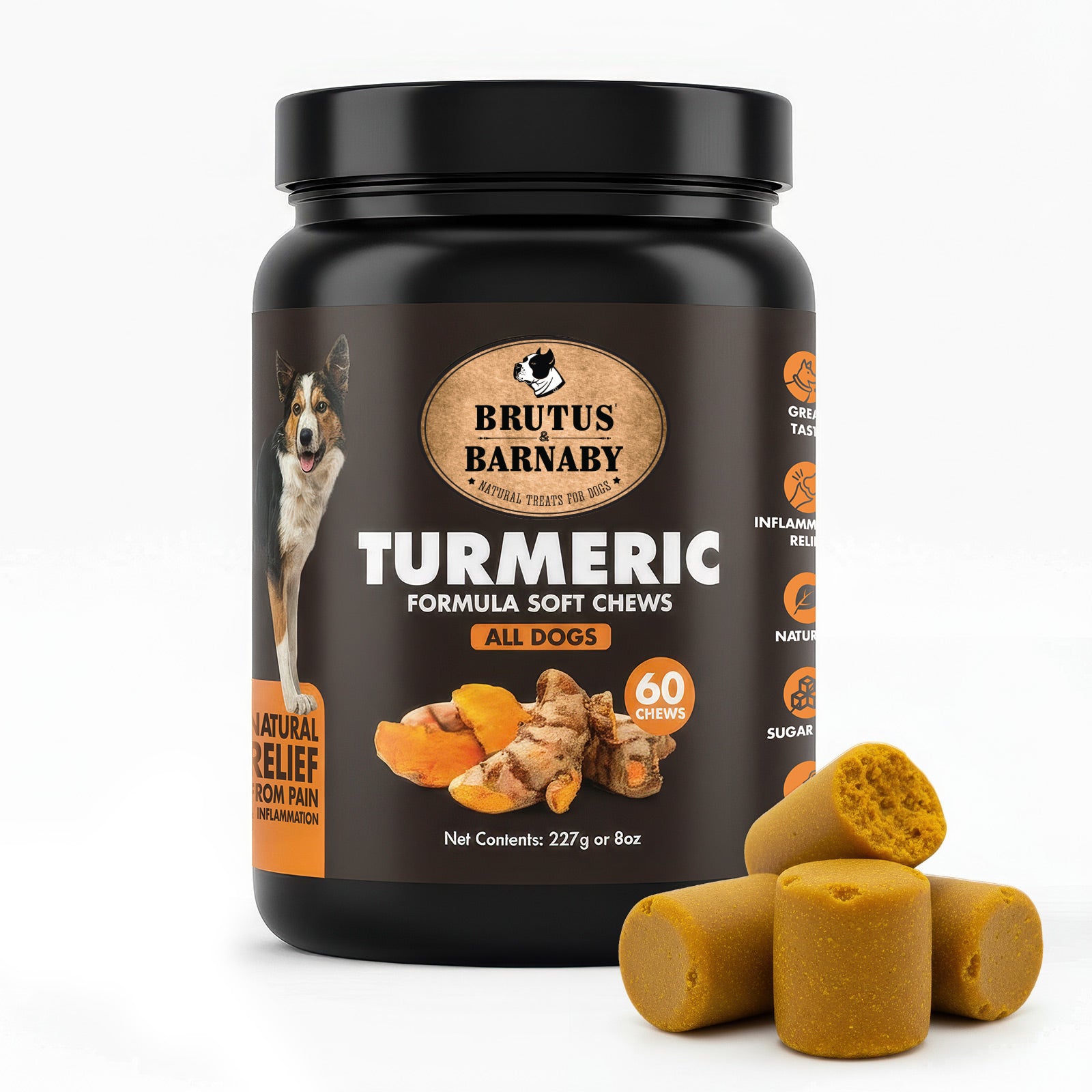
Brutus and Barnaby Turmeric Chews for dogs
Soft Chew Option

Turmeric Chews

A soft chew option for dogs who need an easier treat texture as part of a simple daily routine.

  • Soft chew format
  • Easy daily routine
  • Helpful for dogs who prefer softer treats
  • Use as directed on packaging
Shop Turmeric Chews

Are There Better Alternatives?

Sometimes, yes. For everyday digestive wellness, the better first step may be keeping your dog’s diet consistent and choosing simple, highly digestible treats instead of relying only on probiotic claims.

Overly processed treats, sudden diet changes, rich chews, and too many rewards can all disrupt digestion. Before adding probiotic treats, make sure the basic treat routine is not the real problem.
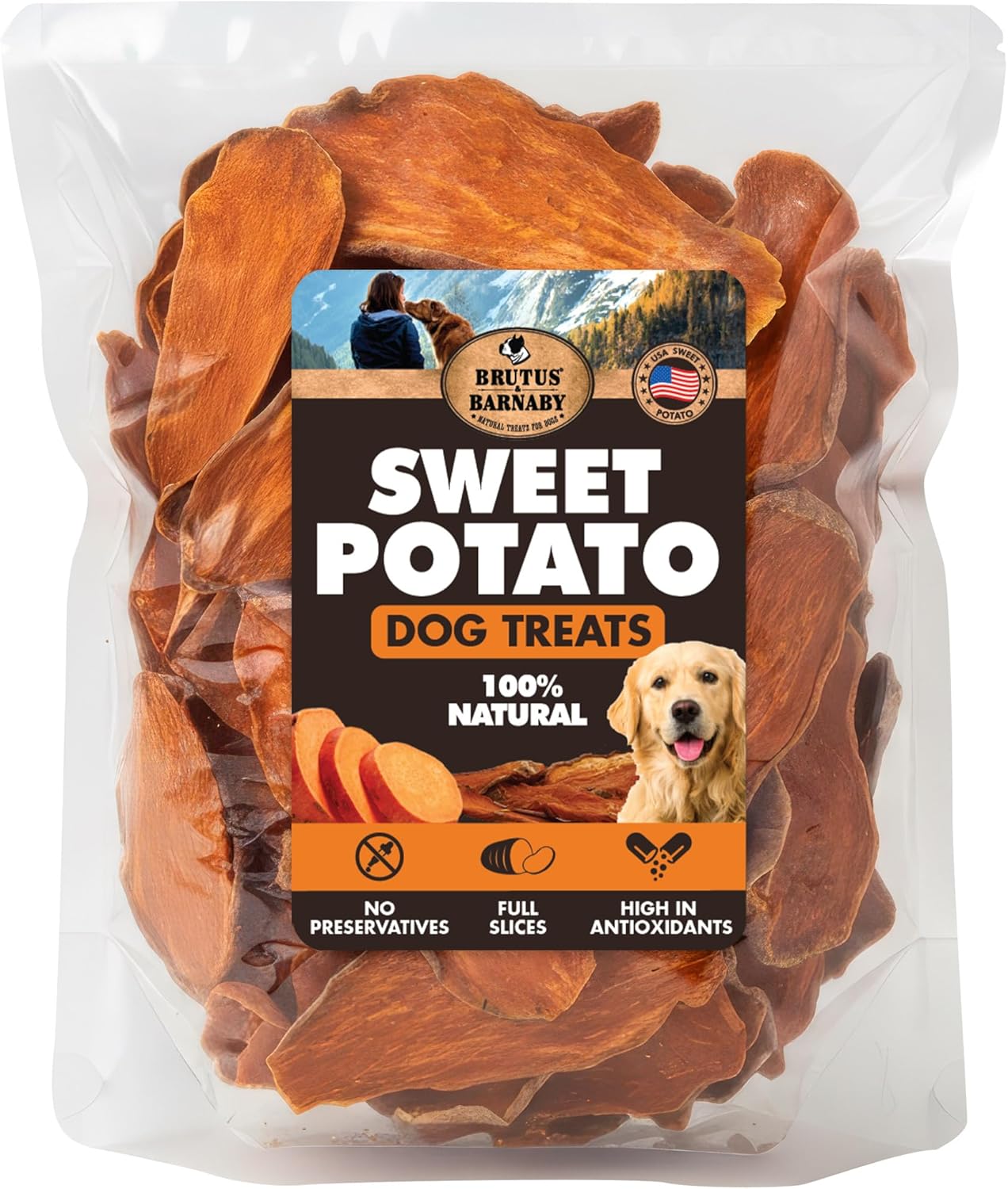
Brutus and Barnaby Sweet Potato Slices for digestive-friendly dog treats
Gentle Snack Pick

Sweet Potato Slices

A simple plant-based treat for dogs who need a fiber-forward snack and an easier daily reward.

Shop Sweet Potato Slices
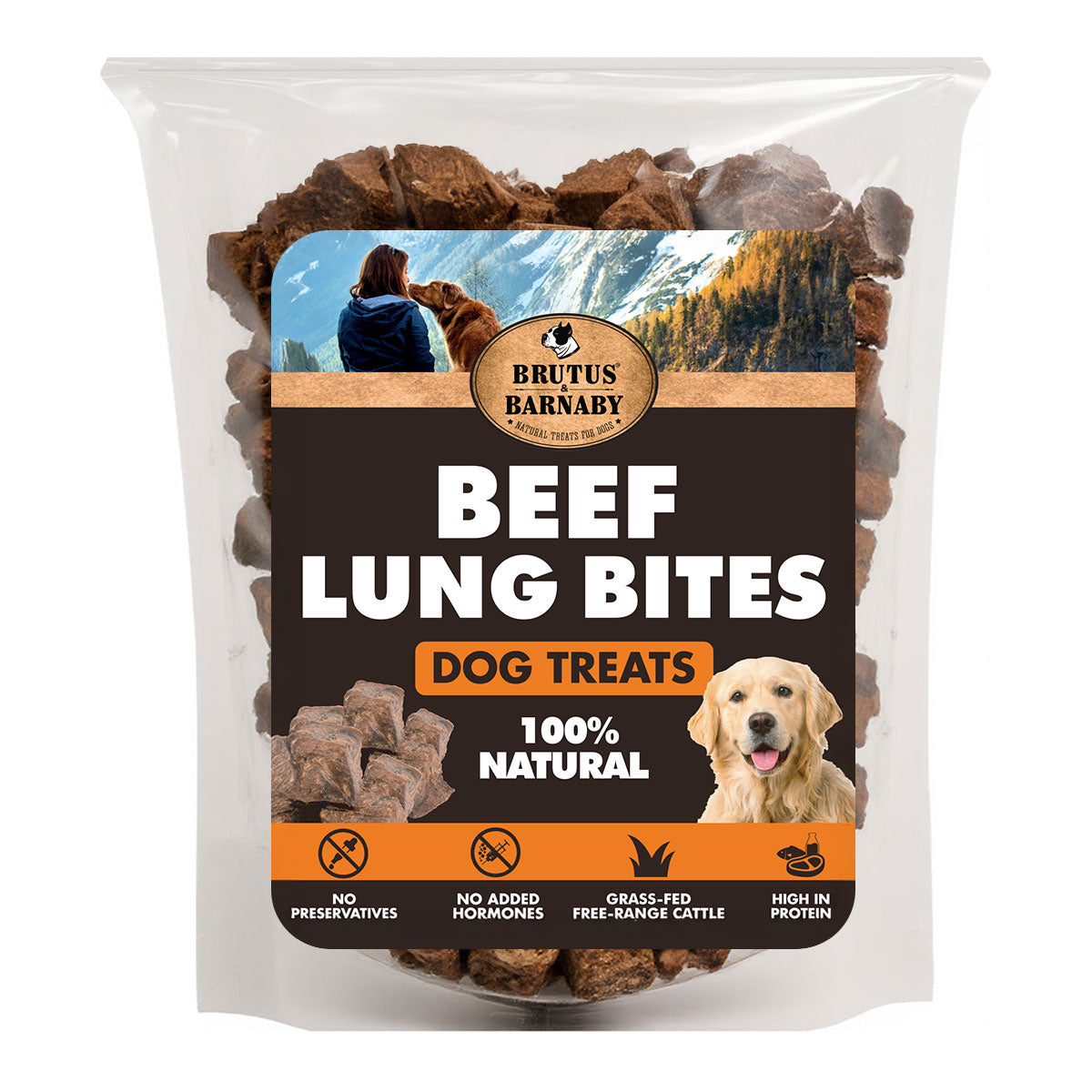
Brutus and Barnaby Beef Lung Bites simple dog treats
Light Protein Pick

Beef Lung Bites

A light, airy protein treat that is easy to break smaller for controlled rewards.

Shop Beef Lung Bites

Frequently Asked Questions

QDo dogs actually need probiotics?
Not always. Healthy dogs with normal digestion often do not need daily probiotics. Probiotics may be more useful during digestive upset, after antibiotics, or during stressful routine changes.
QDo probiotic treats work for dogs?
They can help some dogs, but results depend on probiotic strain, potency, processing, storage, freshness, and whether your dog actually needs digestive support.
QShould dogs take probiotics every day?
Daily use is not always necessary. Some dogs may benefit from ongoing support, but many dogs only need probiotics strategically during digestive disruptions or after veterinary recommendation.
QAre probiotic treats better than supplements?
Not always. Dedicated probiotic supplements may be more reliable because they are often formulated and stored specifically for probiotic potency. Treats may be convenient, but potency can vary.
QWhat treats are good for digestion besides probiotic treats?
Simple, digestible treats such as Sweet Potato Slices, Chicken Jerky, Beef Lung Bites, and Beef Meat Sticks can fit a digestion-conscious routine when introduced gradually and portioned properly.

The Bottom Line

Probiotic dog treats can help in the right situation, but they are not a magic solution. They work best when chosen carefully, used strategically, and paired with a consistent, balanced diet.

For everyday digestive wellness, simple and digestible treats often matter more than added probiotic claims. Start with consistent meals, fewer unnecessary ingredients, controlled portions, and treats your dog tolerates well.

Build a Simpler Digestive Routine

Shop simple treats, soft chews, and natural rewards that fit your dog’s digestion, routine, and reward style.

Shop Dog Treats & Chews
Important Notice
Disclaimer: The information in this article is for general educational purposes only and does not constitute veterinary, medical, nutritional, diagnostic, digestive health, supplement, emergency, or product safety advice. Digestive symptoms, probiotic suitability, supplement needs, stool quality, food tolerance, and treat suitability vary by dog based on age, size, breed, diet, health status, medications, allergies, activity level, digestion, and veterinary history. Probiotic products and treats are not intended to diagnose, treat, cure, or prevent any disease or medical condition. Always consult your veterinarian before using probiotics, supplements, or digestive support products, especially if your dog has chronic diarrhea, vomiting, pancreatitis history, inflammatory bowel disease, immune issues, takes medication, recently used antibiotics, or has ongoing digestive symptoms. Treats and chews should be appropriately sized, introduced gradually, counted within daily calories, and offered under supervision. Contact a veterinarian if your dog shows repeated vomiting, diarrhea, lethargy, appetite changes, abdominal pain, bloating, dehydration, blood in stool, choking, dental pain, excessive drooling, gulping, or suspected obstruction. Ingredient sourcing and product formulations are subject to change — always refer to current product packaging for the most accurate information. Keep all treats out of reach of children.


```