



What "Natural" Really Means — And Why Our Ingredients Prove It
Every brand says “natural.” The real difference is whether the ingredient list is simple, clear, and easy for dog parents to understand.
The word “natural” looks reassuring on a dog treat bag. But the front of the package does not always tell the full story.
Many dog treat brands use natural-sounding language while still relying on fillers, vague flavoring, added colors, unnecessary sweeteners, or long ingredient lists that are hard to understand.
At Brutus & Barnaby, we believe the strongest “natural” claim is not a marketing word. It is a label you can read quickly and actually understand.
The “Natural” Label Is a Starting Point, Not the Full Standard
In pet food and treat labeling, “natural” generally refers to ingredients derived from plant, animal, or mineral sources rather than synthetic sources. That can be helpful, but it does not automatically tell you the full quality story.
A treat can sound natural while still having a long ingredient list, low-value fillers, vague flavoring, or ingredients your dog does not tolerate well. That is why ingredient transparency matters more than the front-label word alone.
“Natural” Does Not Always Mean
Look for Treats That Are
Simple rule: do not stop at the word “natural.” Flip the bag over and read the ingredient list.
What Most Budget Treats Use vs. What We Do
Ingredient lists are usually arranged by weight before processing, with the heaviest ingredients listed first. That means the first few ingredients deserve the most attention.
Some budget treats rely on grains, sweeteners, vague meat meals, or artificial colors to create texture and appeal. Brutus & Barnaby focuses on simple, recognizable ingredients that are easier for dog parents to evaluate.
Our standard: we do not need a long explanation to make our treats sound clean. The ingredient list should speak clearly on its own.
Our Best-Selling Natural Treats
Every product starts with a simple question: can a dog parent understand what this treat is without decoding a long ingredient panel?
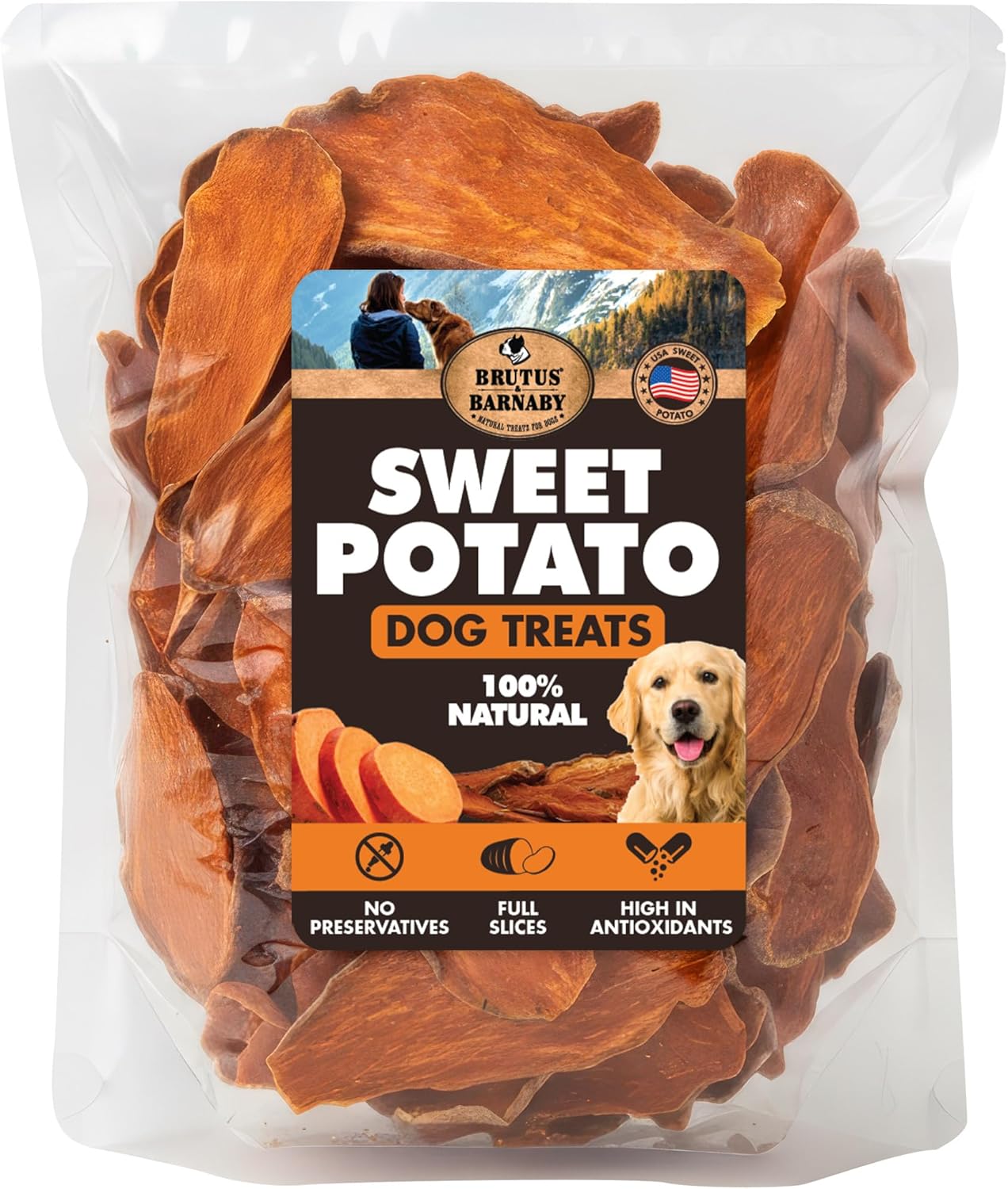
Sweet Potato Slices
A simple plant-based treat for dogs who need a fiber-forward snack and a cleaner everyday reward.
Shop Sweet Potato Slices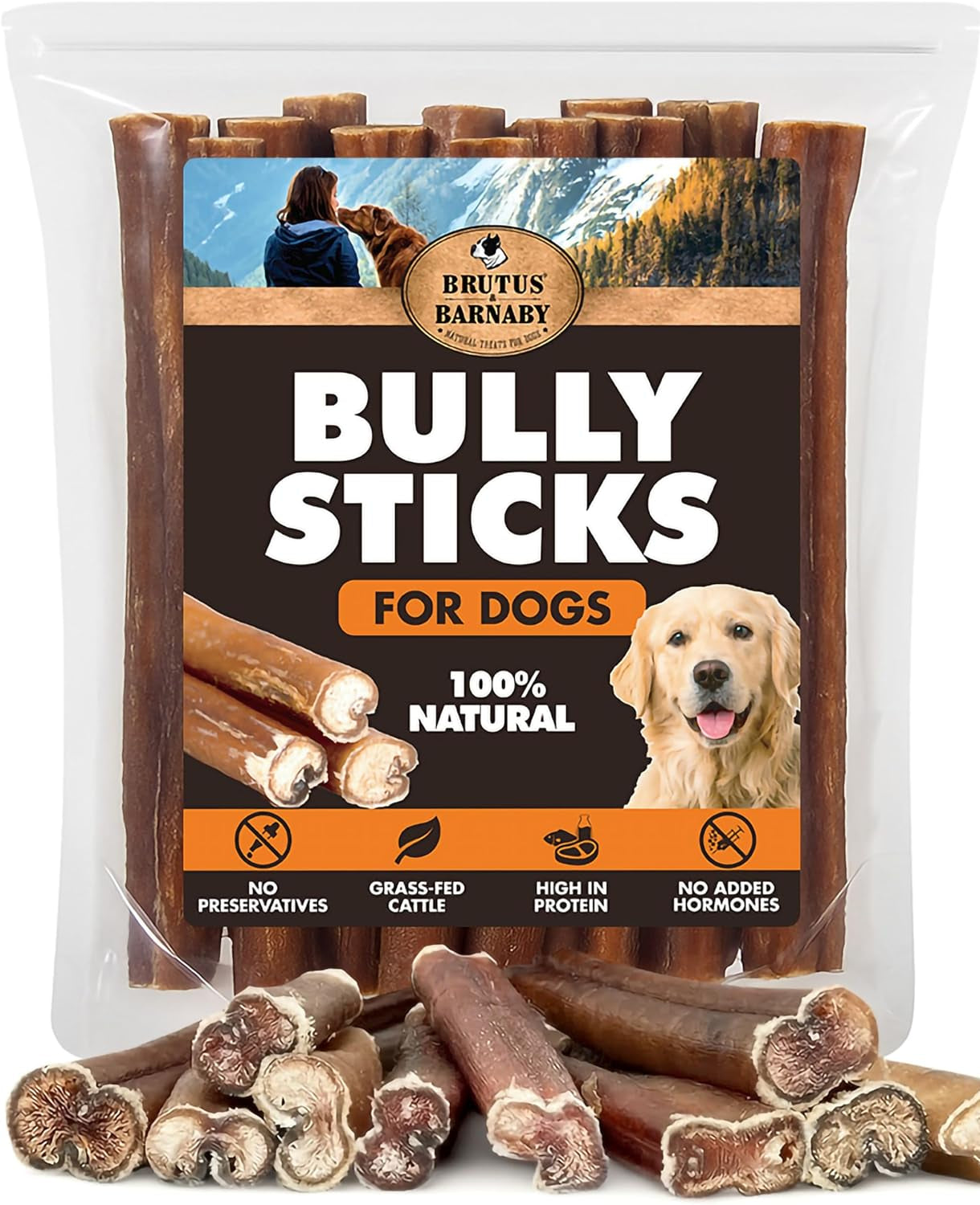
Natural Bully Sticks
A satisfying rawhide-free chew for supervised chew time and dogs who love a longer-lasting reward.
Shop Bully Sticks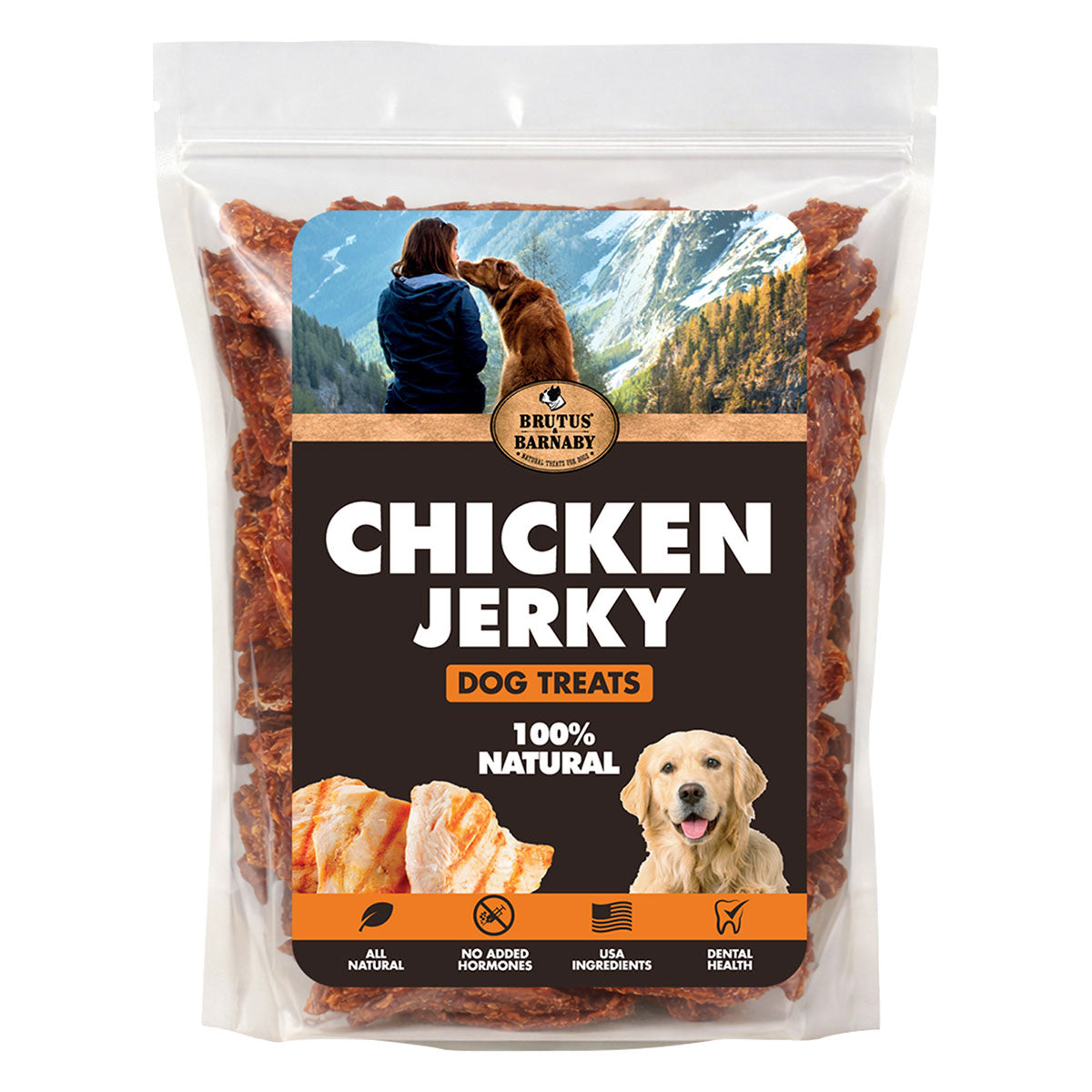
Chicken Jerky
A breakable, high-value protein reward for training, picky dogs, and simple treat routines.
Shop Chicken Jerky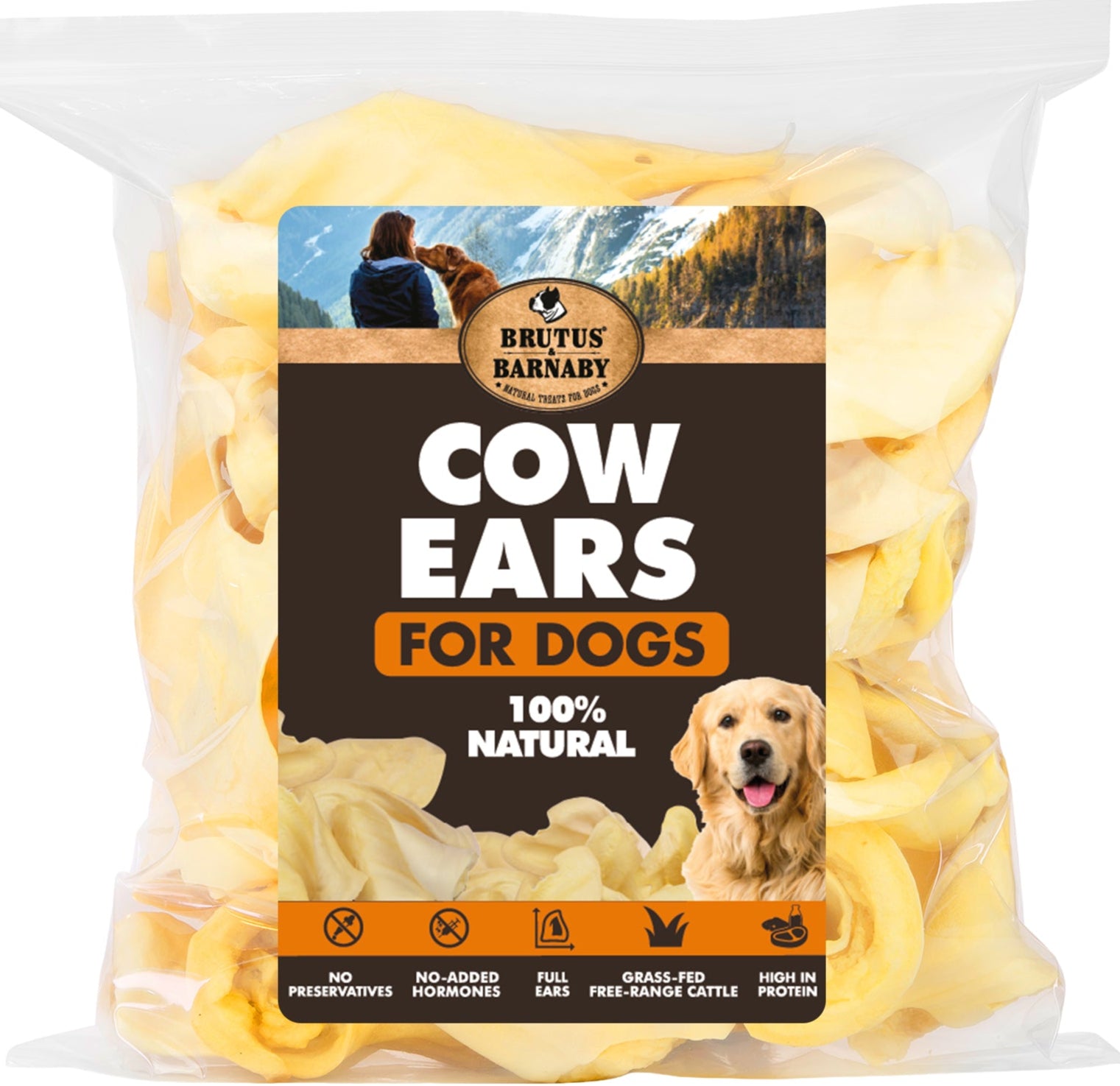
Cow Ears
A crunchy rawhide-free chew for dogs who enjoy satisfying chew time with a simple animal-based treat.
Shop Cow EarsWhy Fillers Do Not Belong in Your Dog’s Treat Routine
Some plant-based ingredients can be perfectly appropriate for dogs. Sweet potato, for example, can be a great fiber-forward treat ingredient. The problem is not “plants.” The problem is when cheap fillers dominate the formula while the treat is marketed as premium.
Corn, wheat, soy, and added sweeteners are often used because they are affordable, help with texture, or make a product more appealing to humans. That does not automatically make every treat unsafe, but it can make the treat less useful for dogs who need simple, digestible, easy-to-evaluate ingredients.
Our rule: if an ingredient does not clearly improve the treat for your dog, it should not be there just to make the formula cheaper, sweeter, or more colorful.
How to Read Any Dog Treat Label in Under 60 Seconds
Once you know what to look for, judging a dog treat label becomes much easier. Use this quick framework before adding a new treat to your dog’s routine.
Preservatives, Dyes, and Additives You Should Know
Preservation matters because treats need to stay fresh and safe. Some treats use drying, packaging, or simpler preservation methods. Others rely on added preservatives, stabilizers, colors, or flavor systems.
Artificial dyes like Red 40, Yellow 5, or Blue 2 are not added for your dog’s benefit. They are added to make treats look more appealing to humans. A dog does not need a treat to be bright red to enjoy it.
Vague “beef flavor,” “bacon flavor,” or “natural flavor” can also make it harder to know exactly what your dog is eating. That does not mean every flavoring is unsafe, but it does make the label less transparent.
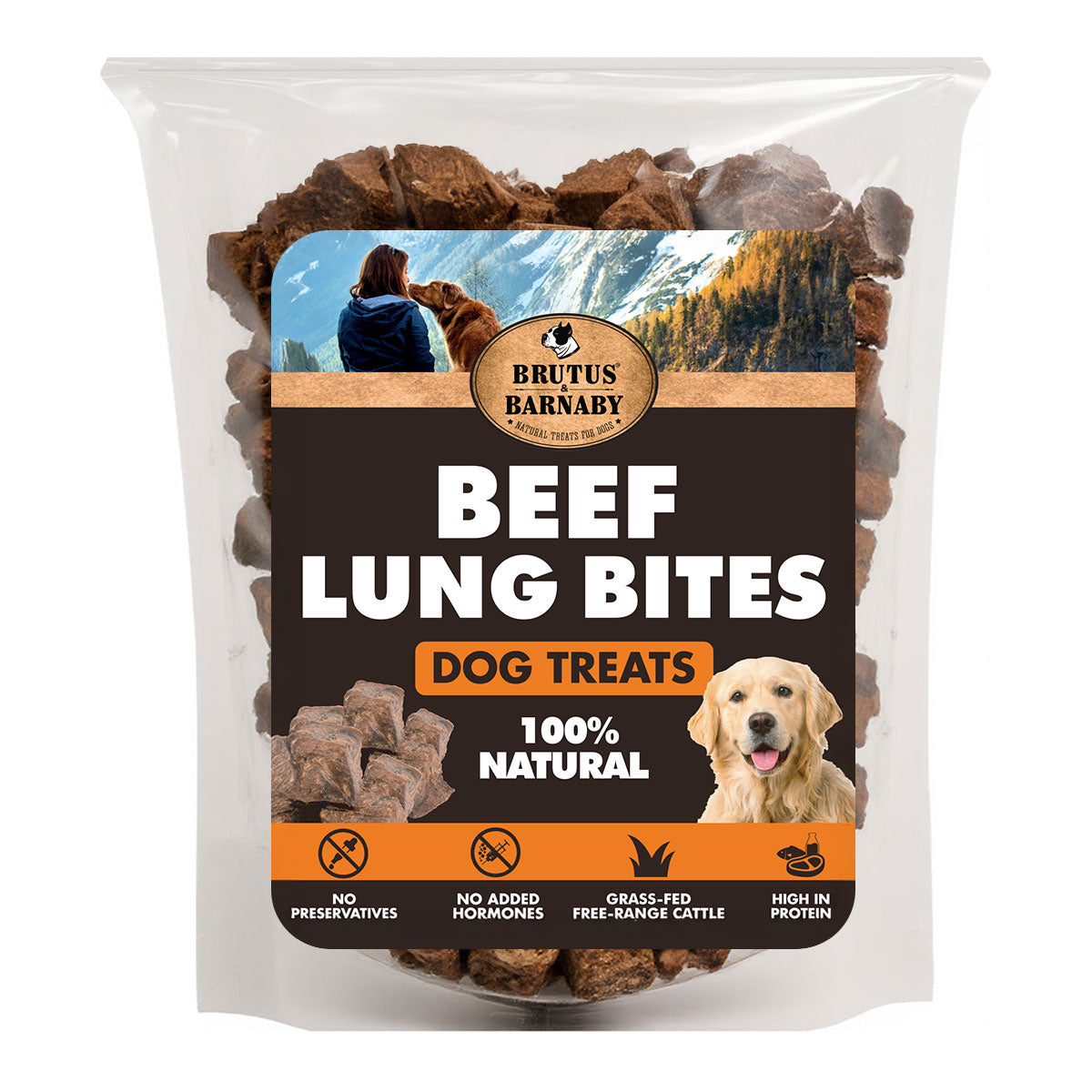
Beef Lung Bites
A light, airy protein treat that is easy to break smaller for controlled rewards and everyday training.
- Light protein reward
- Easy to portion smaller
- Great for training
- Simple treat routine
Frequently Asked Questions About Natural Dog Treat Ingredients
The Bottom Line
“Natural” is not enough on its own. The real standard is ingredient transparency: clear labels, recognizable ingredients, no unnecessary extras, and treat formats that make sense for your dog.
Brutus & Barnaby treats are built around that idea. Read the label, understand the treat, and choose rewards you feel confident giving your dog.
Read Our Ingredients. We Dare You.
Shop simple dog treats and chews made for dog parents who actually read the label.
Shop Best Sellers```