



Cow Ears vs Rawhide: Why Dog Owners Are Making the Switch
The chew your dog gets matters. Here’s how cow ears compare with rawhide when it comes to ingredients, digestibility, chewing style, and supervision.
You have probably seen rawhide chews stacked on pet store shelves for years. They are inexpensive, familiar, and many dogs enjoy them. But more dog parents are now asking what those chews are made from, how they are processed, and whether there are simpler alternatives.
That is why cow ears have become a popular rawhide-free option for dogs who love a crunchy, satisfying chew.
This guide compares cow ears and rawhide in plain language — ingredients, digestibility, chewing experience, safety considerations, and how to choose the right chew for your dog.
The Hidden Problem with Rawhide
Rawhide is typically made from the inner layer of animal hide. While that may sound straightforward, the concern for many dog owners is the processing, texture, and digestibility of the final chew.
Some rawhide products may go through multiple processing steps before they reach the shelf. Depending on the manufacturer, that can involve cleaning, shaping, drying, whitening, flavoring, or preserving. The label may not always make those steps easy to understand.
The bigger practical issue is that rawhide can become tough, gummy, or hard to break down when swallowed in larger pieces. For dogs who gulp, shred, or try to swallow chunks, that can create choking or digestive concerns.
Why Some Owners Switch
Look For Chews That Are
Honest takeaway: rawhide is not automatically harmful for every dog, but it does come with enough concerns that many owners prefer simpler rawhide-free chews.
What Makes Cow Ears Different?
Cow ears are exactly what they sound like: natural beef ears prepared as a chew. Instead of a heavily shaped hide product, cow ears offer a simpler chewing experience with a more recognizable ingredient.
The biggest benefit is transparency. With a quality cow ear chew, the ingredient is easy to understand, the texture is naturally crunchy, and the product gives dogs satisfying chew time without being rawhide.
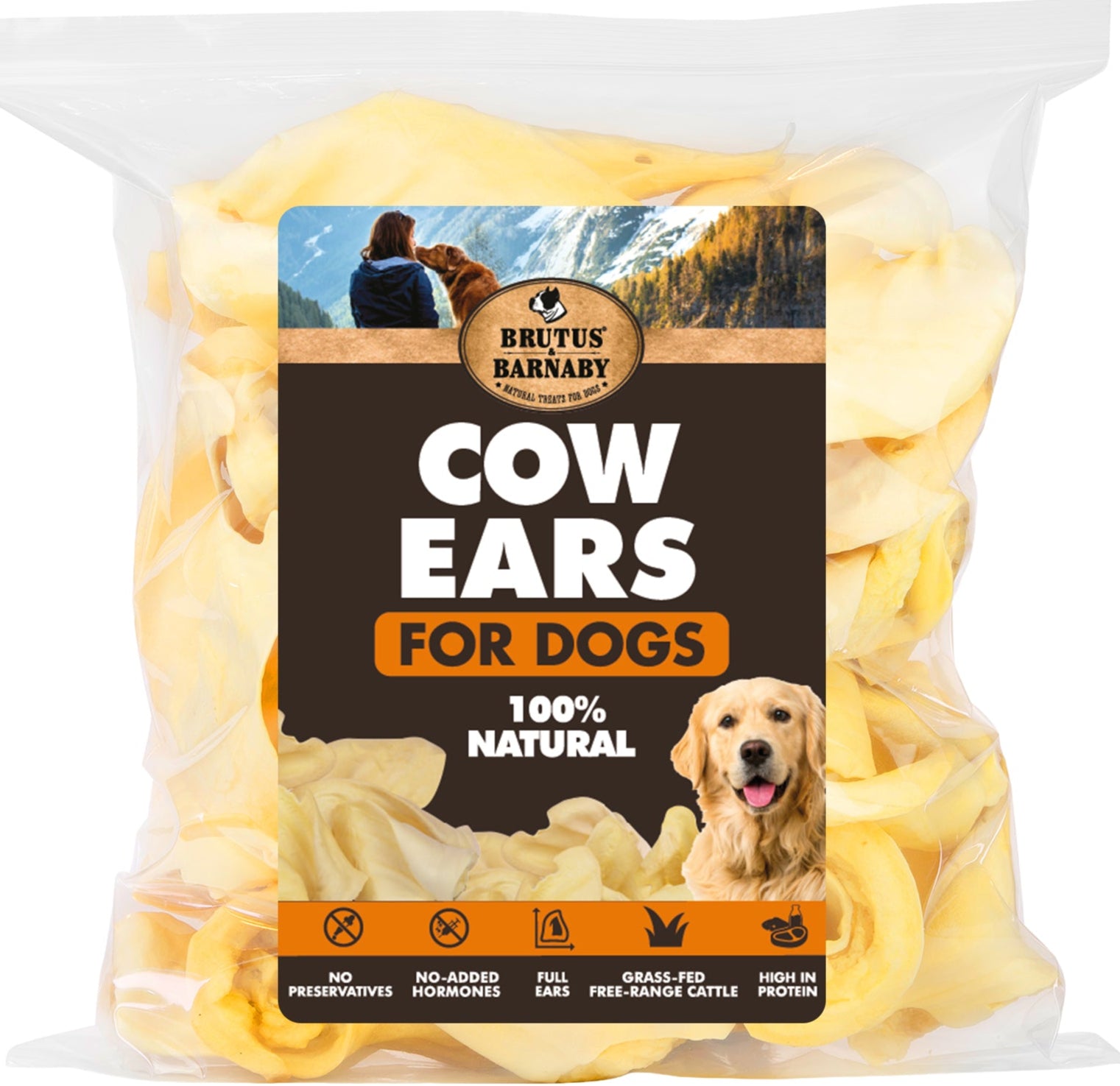
Cow Ears for Dogs
A crunchy, rawhide-free chew for dogs who enjoy satisfying chew time with a simple animal-based treat.
- Rawhide-free chew
- Crunchy chew satisfaction
- Simple ingredient direction
- Best with supervision
Cow Ears vs Rawhide: Safety and Digestibility
No edible chew is completely risk-free. Cow ears and rawhide both require supervision, correct sizing, and removal once the chew becomes small enough to swallow whole.
The difference is that cow ears are typically chosen as a rawhide-free alternative with a simpler ingredient profile. Rawhide, on the other hand, can be harder for some dogs to process and may not be ideal for dogs who swallow chunks.
Chew safety rule: supervise every edible chew, choose the right size, and remove it before it becomes small enough to swallow whole.
How to Choose the Right Chew for Your Dog
The best chew depends on your dog’s size, age, dental comfort, digestion, and chewing style. A chew that works well for a calm Golden Retriever may not work for a fast-gulping terrier.
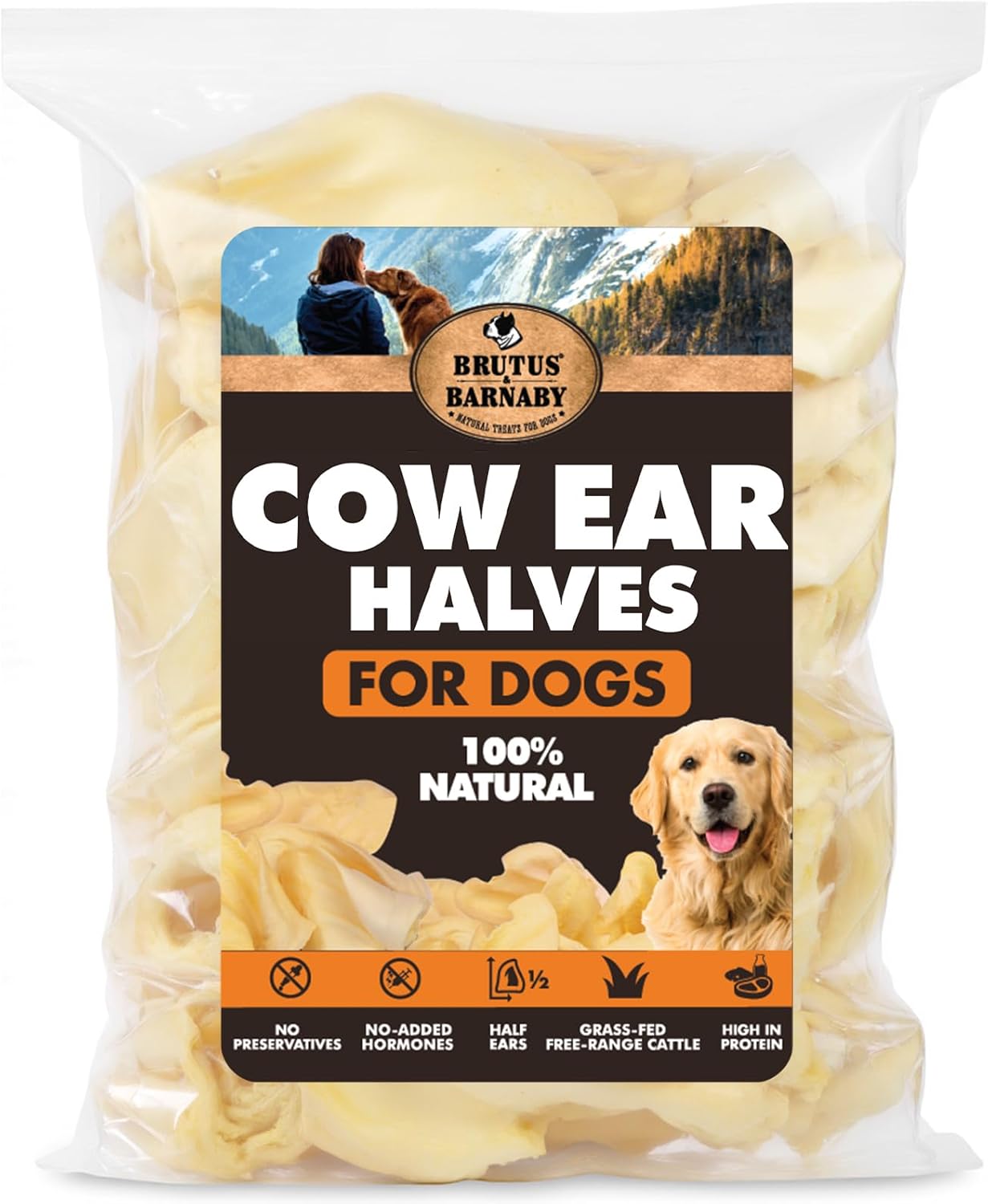
Cow Ear Halves
A smaller cow ear option for dogs who enjoy crunchy chew time without needing a full-size ear.
Shop Cow Ear Halves
Cow Ear Slivers
A smaller crunchy option for dogs who need a controlled cow ear reward instead of a full chew session.
Shop Cow Ear SliversStomach Sensitivity and the Digestibility Question
If your dog has a sensitive stomach, chew choice matters. Some dogs do better with simple, minimally processed treats, while others react poorly to rich chews, sudden diet changes, or treats they swallow too quickly.
Cow ears may be a better fit than rawhide for many dogs because they are rawhide-free and easier to understand from an ingredient standpoint. But cow ears are still chews, and they may not be ideal for every sensitive dog.
Sensitive stomach tip: introduce cow ears slowly. Start with a short supervised chew session and monitor stool, appetite, and comfort for 24 hours.
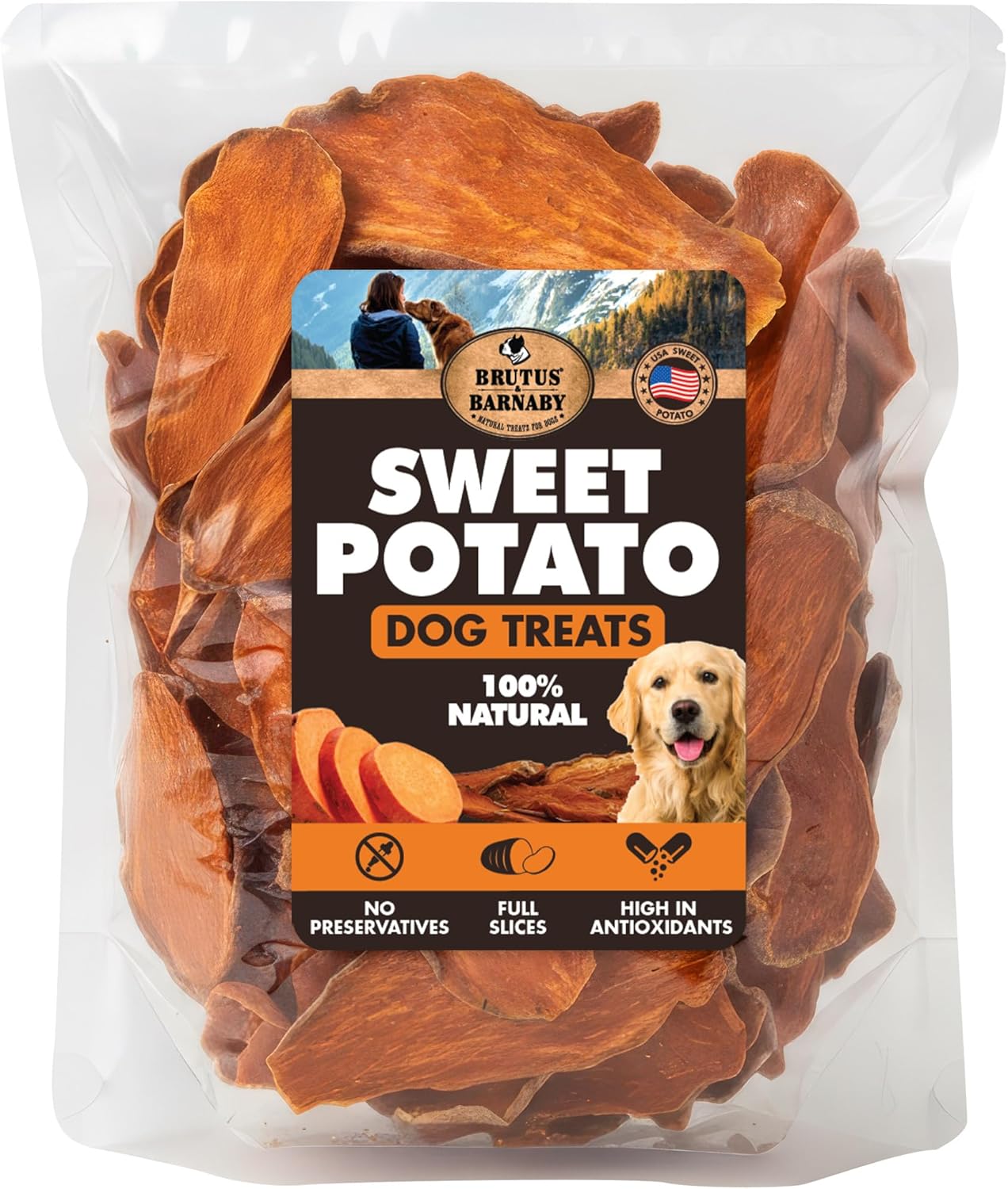
Sweet Potato Slices
A simple plant-based snack for dogs who need a gentler option between chew sessions.
Shop Sweet Potato Slices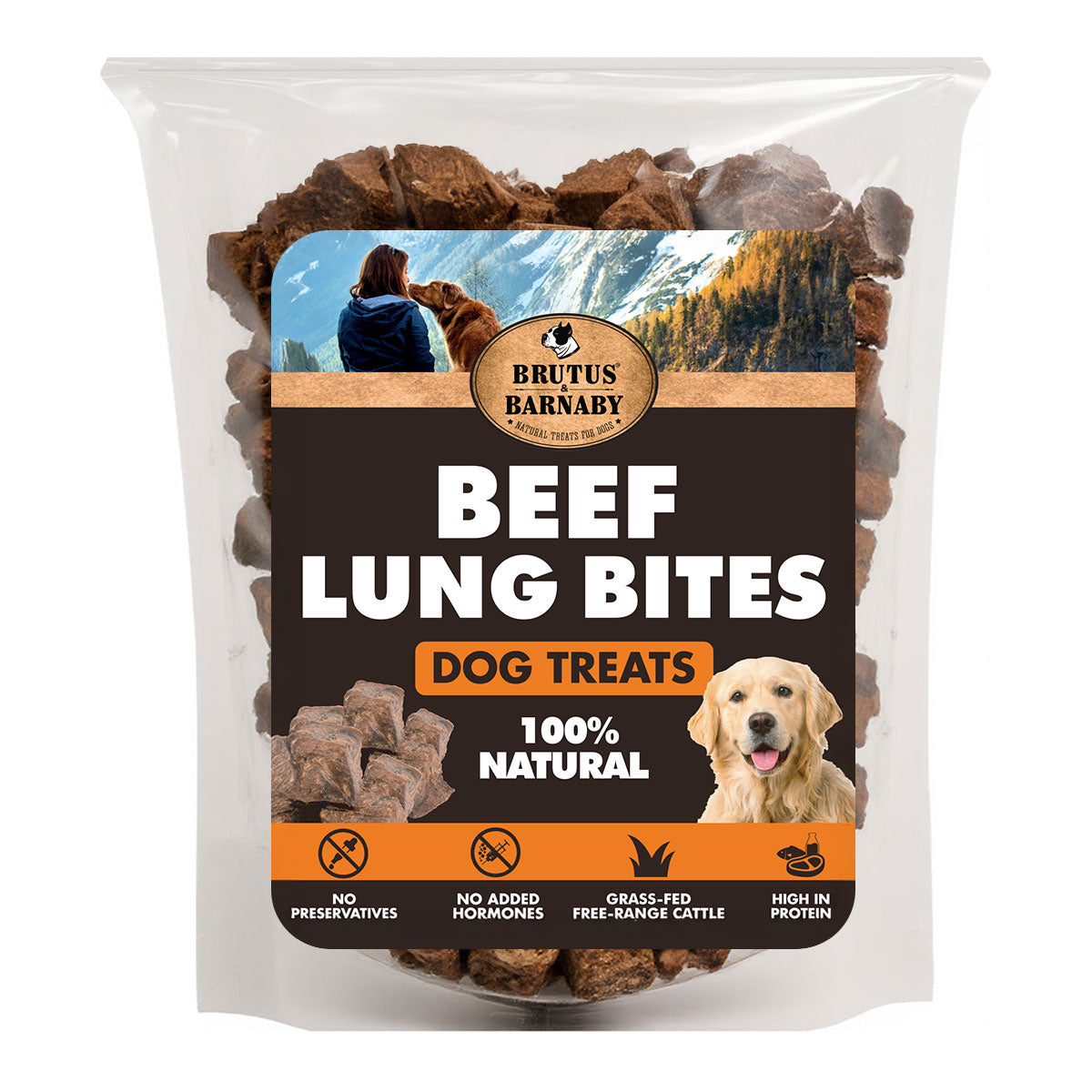
Beef Lung Bites
A light, airy protein treat that is easy to break smaller for controlled rewards.
Shop Beef Lung BitesWhy Transparency Matters in Treat Labels
Treat labels should make your decision easier, not harder. If you cannot tell what the chew is, how it is meant to be used, or whether it fits your dog’s size and chewing style, that is a reason to pause.
Cow ears are appealing because the product is easy to understand. They are a natural animal-based chew with a clear purpose: satisfying, supervised chew time.
Label rule: choose treats with clear ingredients, clear sizing, and clear use guidance. Avoid relying only on words like “natural,” “premium,” or “healthy.”
Frequently Asked Questions About Cow Ears and Rawhide
The Bottom Line
Cow ears are a popular rawhide-free chew because they are simple, crunchy, satisfying, and easier to understand than many rawhide products.
The best chew is the one that fits your dog’s size, chewing style, dental comfort, digestion, and supervision needs. For many dogs, cow ears make a strong rawhide alternative — especially when introduced slowly, sized correctly, and used with supervision.
Make the Rawhide-Free Switch
Shop cow ears, cow ear halves, cow ear slivers, and other natural dog treats made for supervised chew time.
Shop Cow Ears```