



Senior Dog Treats Made from Natural Ingredients
As dogs age, their treat needs change. Natural, simple, portion-friendly treats can help keep reward time enjoyable without overloading their routine.
Your 7-year-old golden retriever used to bound up the stairs like a puppy, but lately, she takes them one at a time and moves a little slower after playtime.
As dogs enter their senior years, their needs can shift. Many older dogs become less active, more sensitive to rich foods, or more selective about treat texture. That means the treats that worked perfectly when they were younger may not be the best fit forever.
Senior dog treats made from natural ingredients can be a smart part of an aging dog’s routine when they are simple, easy to digest, portion-friendly, and matched to your dog’s chewing ability, mobility, and daily calorie needs.
Why Senior Dogs Need Different Treats
Many dogs are considered senior around age 7, though this depends on breed, size, and health. Larger breeds may show age-related changes earlier, while smaller breeds may stay active longer.
Senior dogs often need fewer calories because their activity level may decrease. At the same time, they still need high-quality nutrition, satisfying rewards, and treat textures they can comfortably chew. This is where natural, simple treats can help.
Treat Needs May Change When
Senior Treats Should Be
Key insight: senior dogs do not need more treats. They need better-matched treats — smaller portions, simpler ingredients, and textures that fit their current body.
Common Senior Dog Concerns and Treat Choices
The best senior dog treat depends on what your dog actually needs. Some seniors need lighter rewards. Others need softer textures. Some still chew confidently but need better portion control.
Natural Treats for Senior Dogs: Best Product Fits
Natural treats work best for seniors when you choose by purpose: light rewards, softer textures, meal support, or supervised chew time.
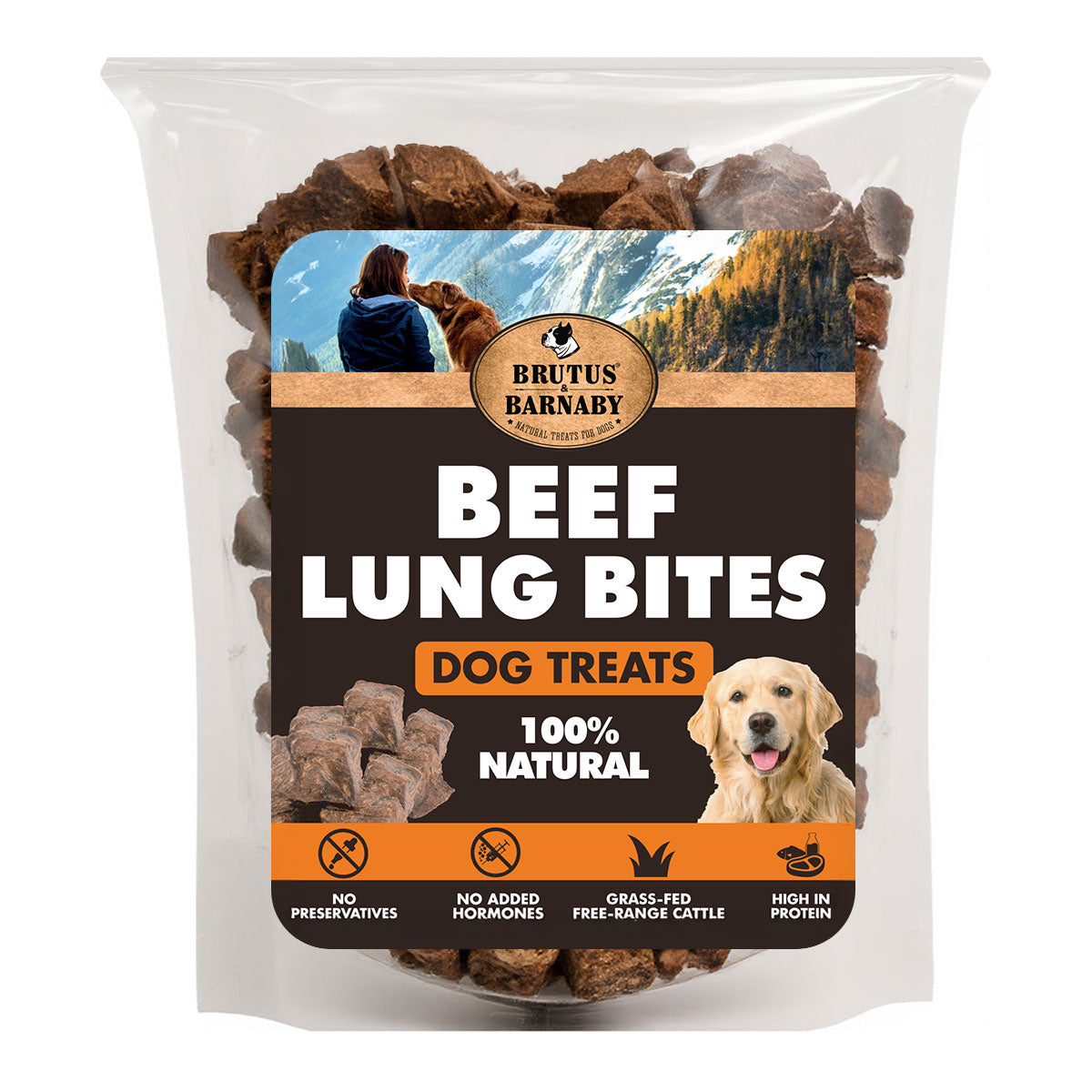
Beef Lung Bites
A light, airy protein treat that is easy to break smaller for senior-friendly rewards.
Shop Beef Lung Bites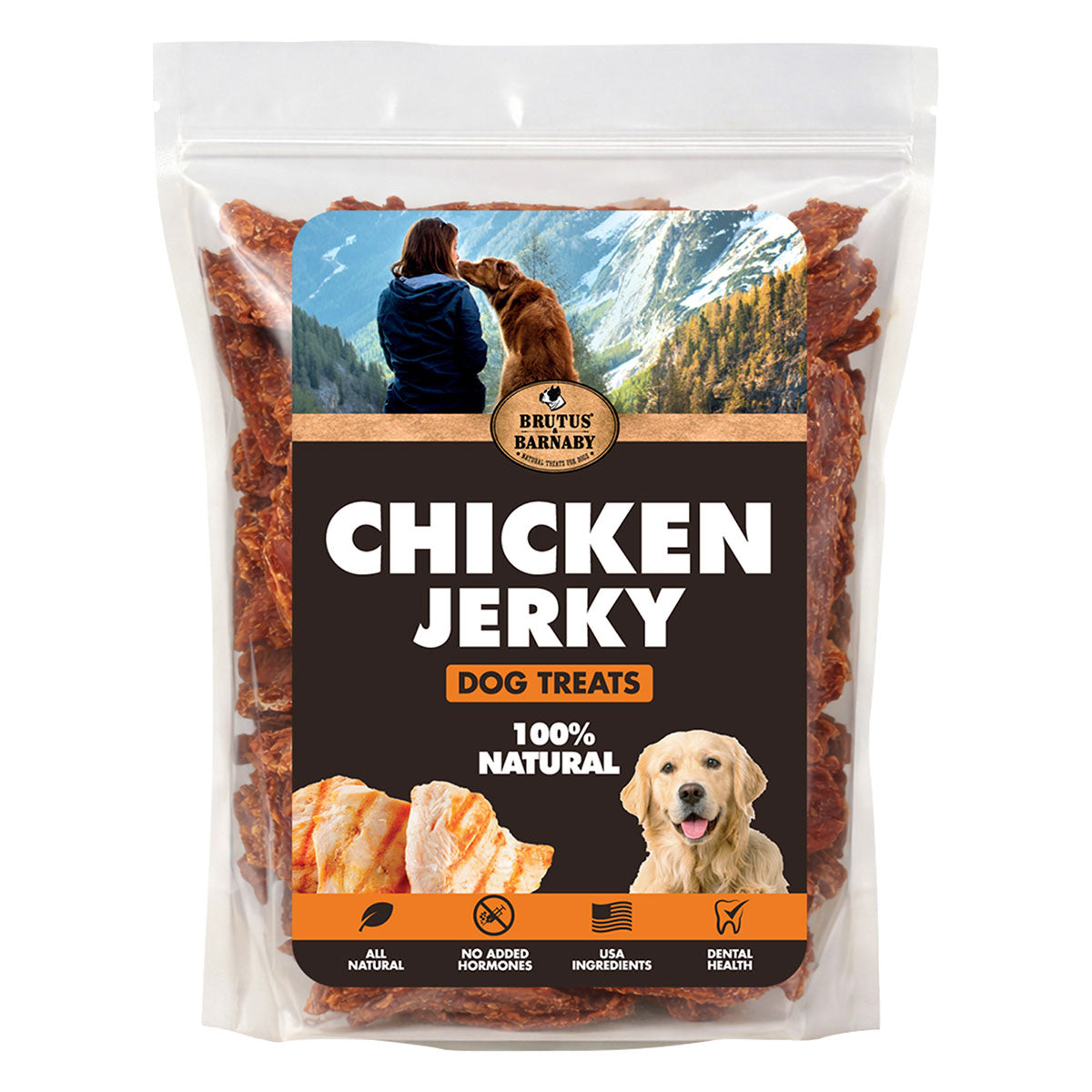
Chicken Jerky
A breakable, high-value protein reward for training, motivation, and easier portion control.
Shop Chicken Jerky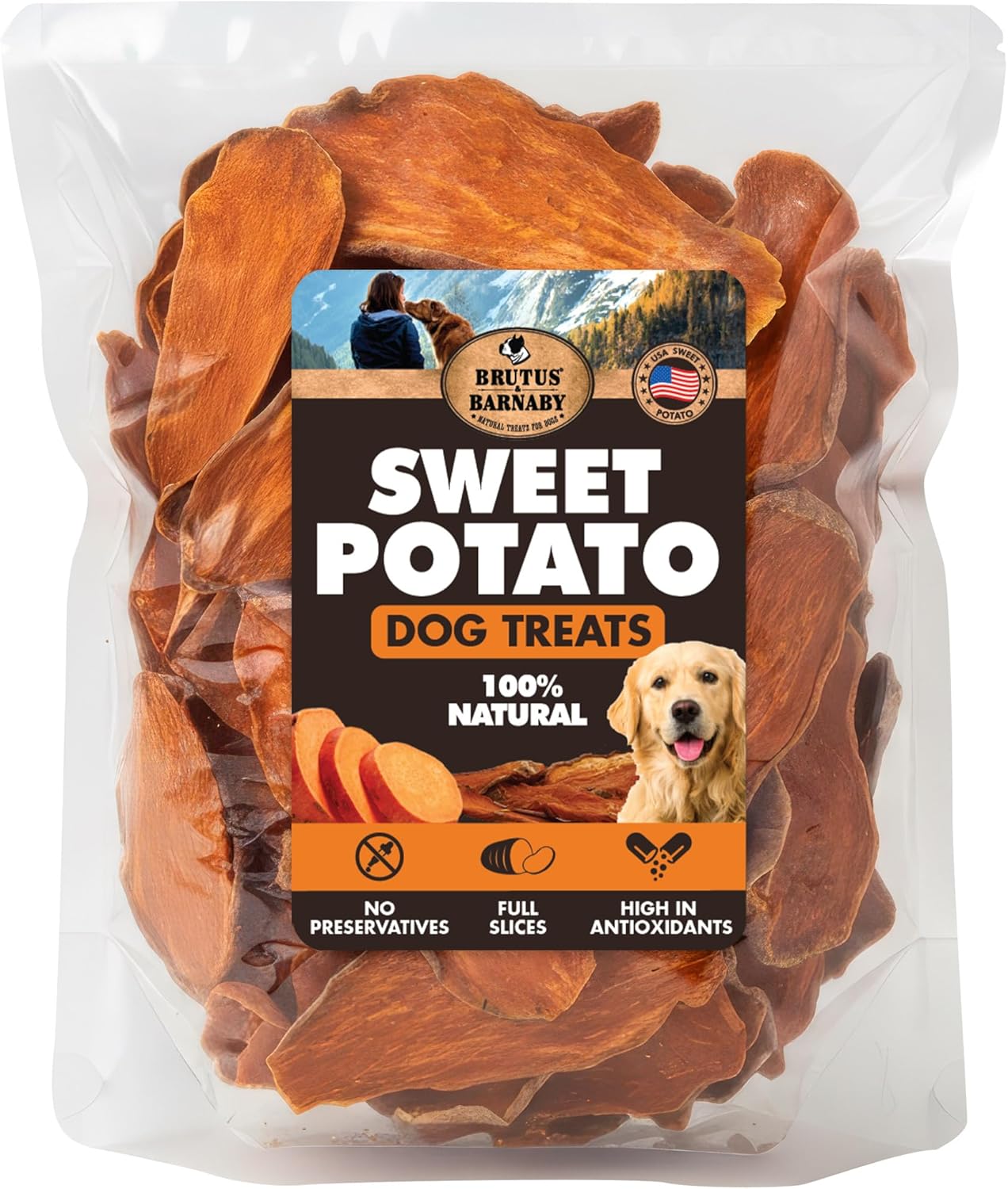
Sweet Potato Slices
A simple plant-based snack for dogs who need a fiber-forward treat and gentler reward routine.
Shop Sweet Potato Slices
Beef Liver Dog Food Topper
A meal topper for senior dogs who need flavor, enrichment, and excitement without extra chewing effort.
Shop Beef Liver TopperJoint Comfort, Mobility, and Chew Selection
Many senior dogs deal with stiffness or mobility changes. Treats cannot diagnose, treat, or cure joint disease, but they can fit a more thoughtful routine when you choose easy-to-manage rewards and avoid unnecessary excess calories.
For dogs who still enjoy chewing comfortably, rawhide-free chews like Beef Gullet Sticks, Beef Collagen Sticks, or Natural Bully Sticks may provide supervised chew enrichment. For dogs with dental issues, lighter treats or toppers may be a better fit.
Mobility reminder: excess calories can make movement harder for senior dogs. Treats should support the routine, not quietly add too much weight.
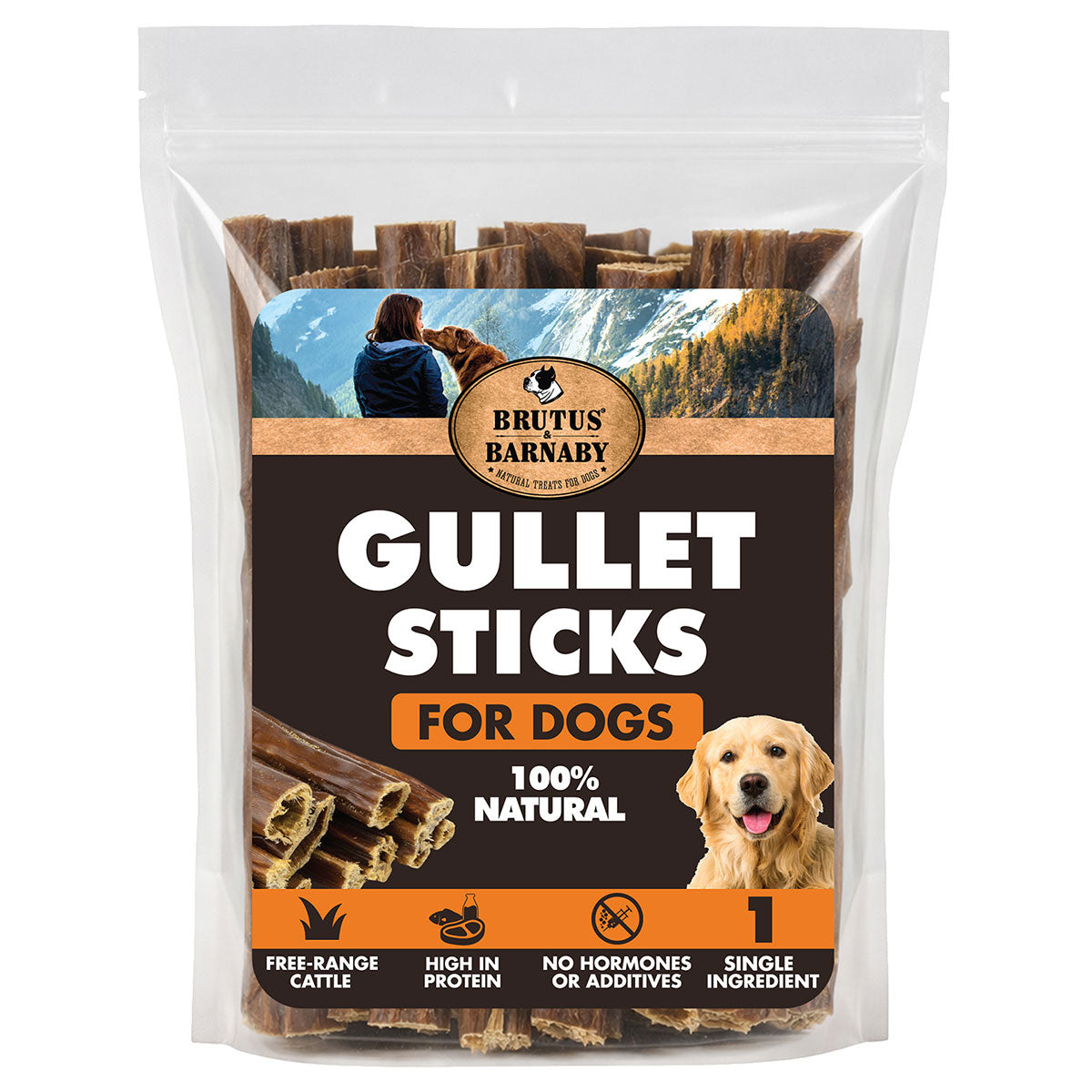
Beef Gullet Sticks
A rawhide-free chew option for dogs who still chew comfortably and need supervised enrichment.
Shop Gullet Sticks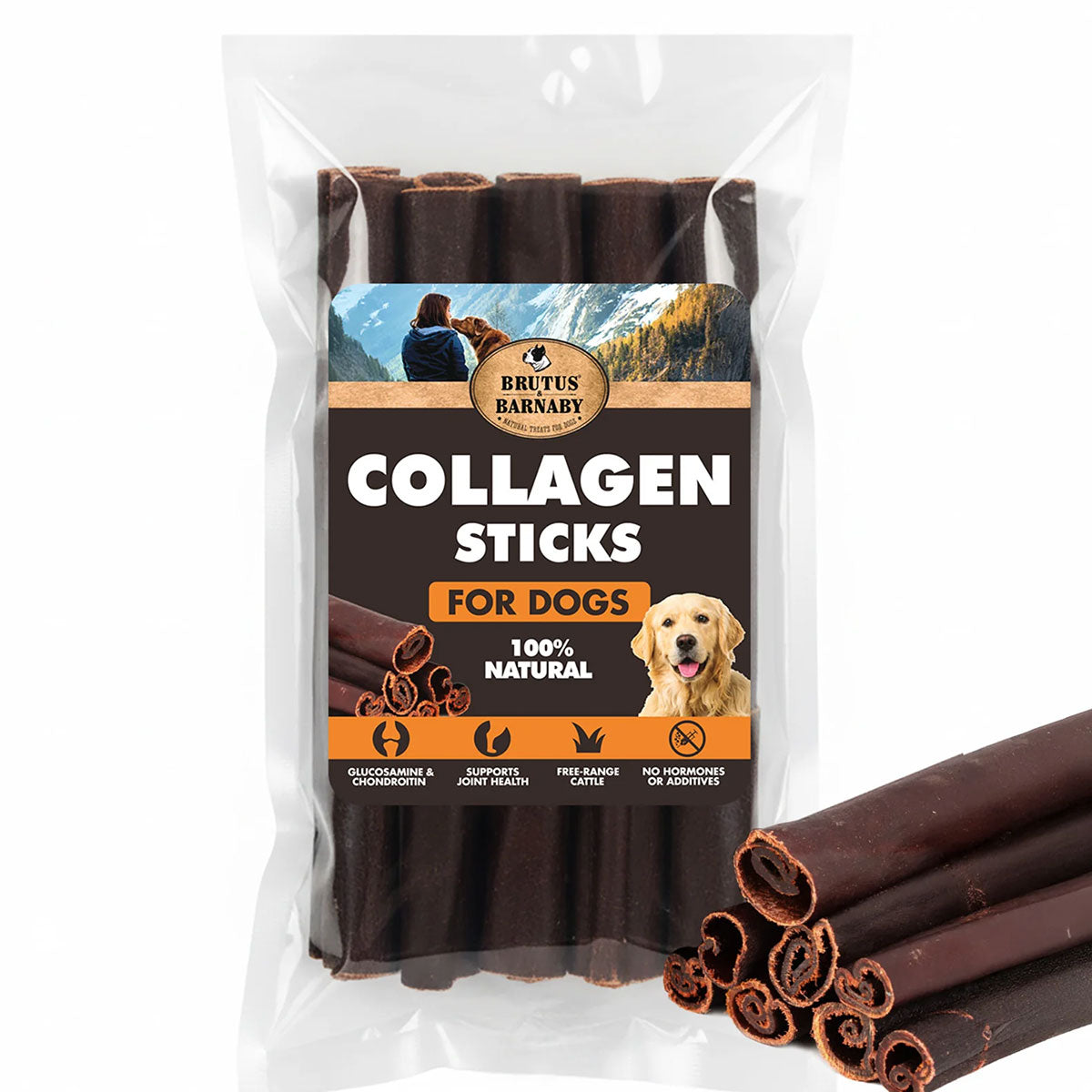
Beef Collagen Sticks
A rawhide-free chew for dogs who can still chew comfortably and need a longer supervised session.
Shop Collagen SticksPortion Control for Aging Dogs
One of the easiest mistakes is giving senior dogs the same treat portions they received as younger, more active dogs. Treats should generally make up no more than about 10% of daily calories, with the rest coming from complete and balanced meals.
This includes treats, chews, toppers, and table scraps. A chew that seems harmless can still add meaningful calories if it becomes a daily habit.
Senior treat rule: the treat can be high quality and still be too much if the portion is too large or too frequent.
Choosing Quality: What to Look for on the Label
When shopping for natural treats for senior dogs, the ingredient list tells you a lot. Look for simple ingredients, clear product descriptions, and treats that are easy to portion for your dog’s size.

Peanut Butter Banana Training Treats
Small, soft rewards for senior dogs who need controlled treating, training reinforcement, or easy daily rewards.
- Small treat format
- Soft reward texture
- Good for controlled portions
- Useful for daily routines
Frequently Asked Questions About Senior Dog Treats
The Bottom Line
Senior dog treats made from natural ingredients can support a better treat routine when they are simple, portion-friendly, and matched to your dog’s current needs.
For aging dogs, quality matters more than quantity. Choose treats that are easy to understand, easy to portion, comfortable to chew, and counted within your dog’s daily calorie budget.
Treat Your Senior Dog Thoughtfully
Shop natural treats, soft rewards, toppers, and supervised chews that fit your senior dog’s comfort, digestion, and routine.
Shop Natural Dog Treats```