

Dog Treat Allergies: Common Triggers & Safer Treat Choices
Food sensitivities can show up through itching, ear issues, digestive upset, or paw licking. Learn which treat ingredients are common triggers and how to choose simpler options.
Dog treat allergies and food sensitivities can be frustrating because the trigger is not always obvious.
Some dogs tolerate their regular food but react to certain treats. That can happen because treats often contain hidden proteins, flavorings, binders, dairy, grains, or artificial additives that are not part of the dog’s usual diet.
The goal is not to guess forever. The best approach is to simplify the treat routine, introduce one new treat at a time, and work with your veterinarian if symptoms continue. For more ingredient basics, read our guide to choosing natural dog treats without fillers or artificial additives.
Quick rule: if your dog may have food sensitivities, choose treats with fewer ingredients and introduce only one new treat at a time.
What Dog Treats Cause Allergies Most Often?
The most common treat triggers are often the same ingredients found in many dog foods: animal proteins, dairy, wheat, soy, corn, eggs, and artificial additives. Every dog is different, so the “problem ingredient” for one dog may be completely fine for another.
Many treats contain blended proteins, flavor enhancers, or binding ingredients. That makes it harder to tell what your dog is actually reacting to. A simpler ingredient list gives you more control.
Best habit: do not introduce several new treats at once. If your dog reacts, you will not know which ingredient caused the problem.
What’s the Most Common Allergen in Dog Treats?
There is no single allergen that affects every dog. However, proteins such as chicken, beef, dairy, and egg are common suspects in food-related reactions because they are used so often in dog foods and treats.
Grains are often blamed first, but many dogs react to proteins rather than grains. This is one reason a proper elimination diet should be done with veterinary guidance instead of guessing based on trends.
Proteins & Dairy
Chicken, beef, dairy, and egg are common ingredients in treats, which can make them harder to rule out without tracking.
Simplify & Track
Use simple treats, keep a food diary, and introduce one ingredient at a time so reactions are easier to spot.
Single-Ingredient Treats for Dogs With Sensitivities
Single-ingredient treats are useful because they make it easier to see what your dog is eating. They are not automatically allergy-proof, but they are easier to evaluate than treats with long ingredient lists.
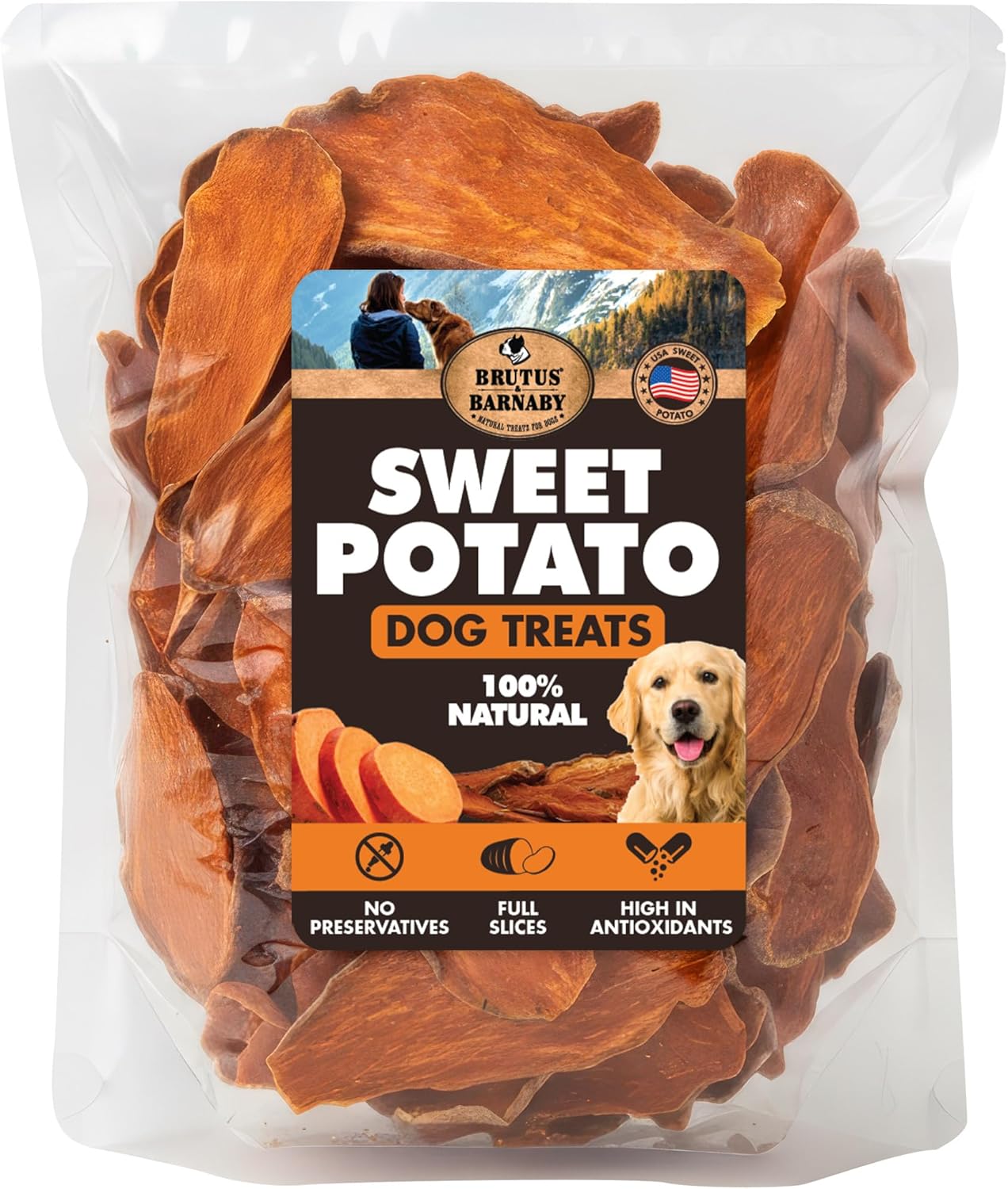
Sweet Potato Slices
A simple plant-based option for dog parents who want a treat that is easy to understand and easy to track.
- Simple everyday snack
- Great for light chewers
- Easy treat tracking
Important: if your dog has a known allergy, avoid that ingredient even if the treat is natural or single-ingredient.
The 90/10 Rule for Dogs With Allergies
The 90/10 rule means most of your dog’s daily calories should come from complete and balanced meals, while treats should stay limited. A common guideline is about 90% food and no more than about 10% treats.
This matters even more for dogs with suspected allergies. Keeping treat portions small and consistent helps reduce unnecessary exposure and makes reactions easier to track.
Allergy tracking tip: write down the treat, ingredient, amount, and date. If symptoms appear, you will have a clearer pattern to show your vet.
How to Avoid Allergens in Dog Treats
The best approach is to simplify. You do not need to guess through dozens of complicated treats. Start with basic ingredients and watch your dog’s response.
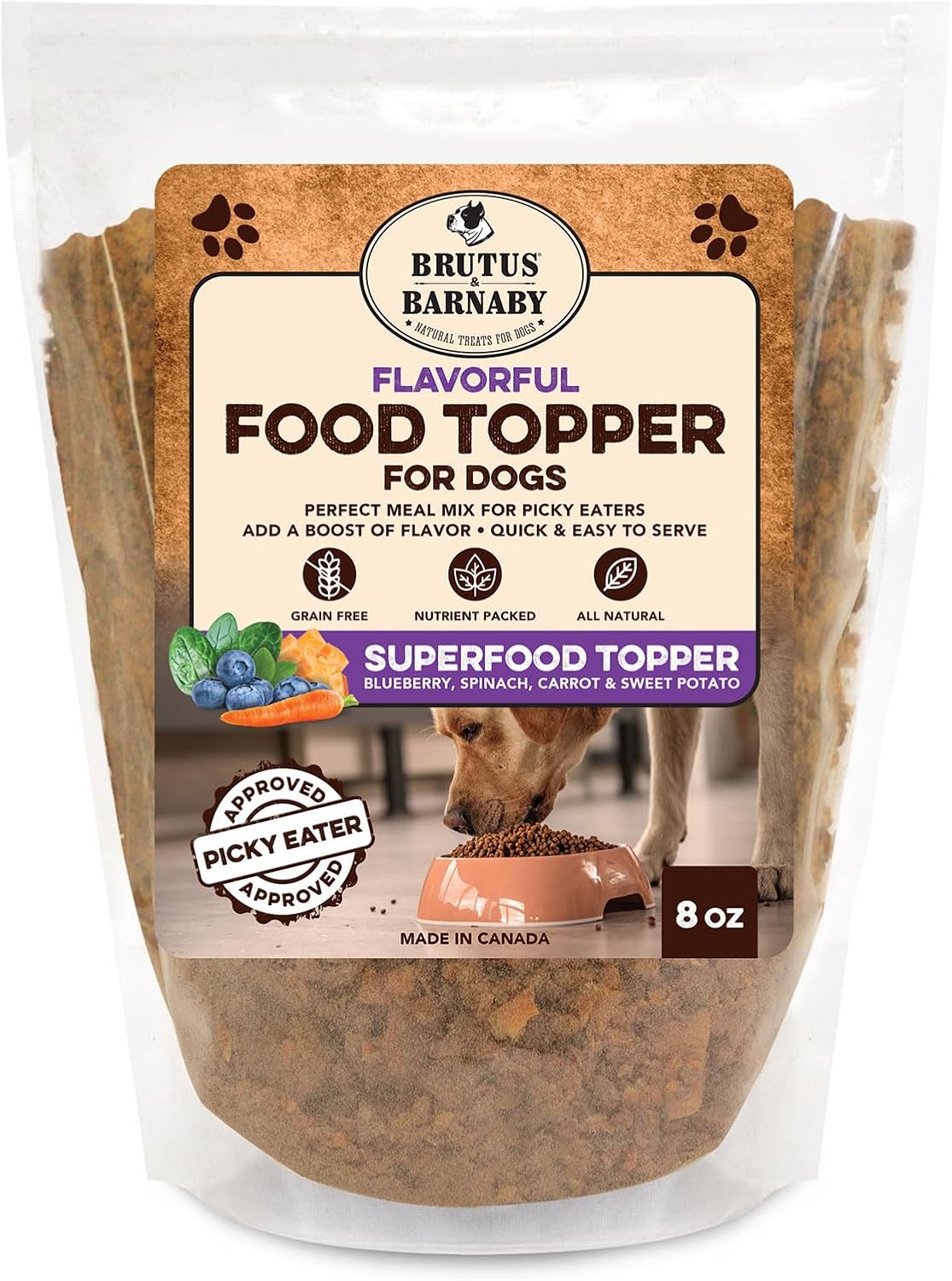
Superfood Topper
A plant-based topper option for adding variety and flavor while keeping your dog’s routine easy to monitor.
- Plant-based topper
- Easy flavor boost
- Great for picky eaters
Frequently Asked Questions
Final Takeaway
Most dog treat reactions are easier to manage when you simplify the ingredient list. Common triggers may include popular proteins, dairy, grains, artificial additives, or hidden blended ingredients.
Choose treats you can understand, introduce one new item at a time, track your dog’s response, and work with your veterinarian if symptoms continue. A simple treat routine is often the best starting point for dogs with suspected sensitivities.
Choose Simpler Treats for Sensitive Dogs
Explore natural treats, toppers, and chews made for simple reward routines and easier ingredient tracking.
Shop Natural Dog Treats