



How Chewing Supports Digestion in Dogs
Chewing is not just for boredom or teeth. The right chew can help slow your dog down, support a calmer routine, and make treat time easier on digestion.
Chewing is one of the simplest ways to support a calmer, slower, more satisfying treat routine for your dog.
Many dog parents think chewing is only about boredom or dental scraping, but chewing also plays a role in how dogs approach food and treats. It slows them down, encourages saliva flow, and gives their body more time to transition into eating.
The right chew will not “fix” digestive problems on its own, but it can support better habits: slower eating, calmer behavior, more controlled chewing, and easier-to-manage treat portions. For more nutrition basics, read our guide to the 6 basic nutritional requirements your dog needs.
Quick rule: if your dog gulps food or treats, choose options that encourage slower chewing and smaller, controlled bites.
How Does Chewing Support Digestion?
Chewing slows your dog down and allows saliva to mix with food or treats before they reach the stomach. Saliva helps moisten food, making it easier to swallow and move through the digestive tract.
Slower chewing may also reduce gulping, which can make treat time more comfortable for some dogs. Dogs who swallow too quickly may be more likely to experience gas, gagging, regurgitation, or stomach upset.
Slow the Pace
A good chew gives your dog a reason to slow down instead of swallowing too quickly.
Saliva Flow
Saliva helps moisten food and treats, making swallowing easier and more controlled.
Why Is Chewing Important for Dogs?
Chewing does more than satisfy instinct. It can help support daily enrichment, calm behavior, slower treat time, and better chewing habits.
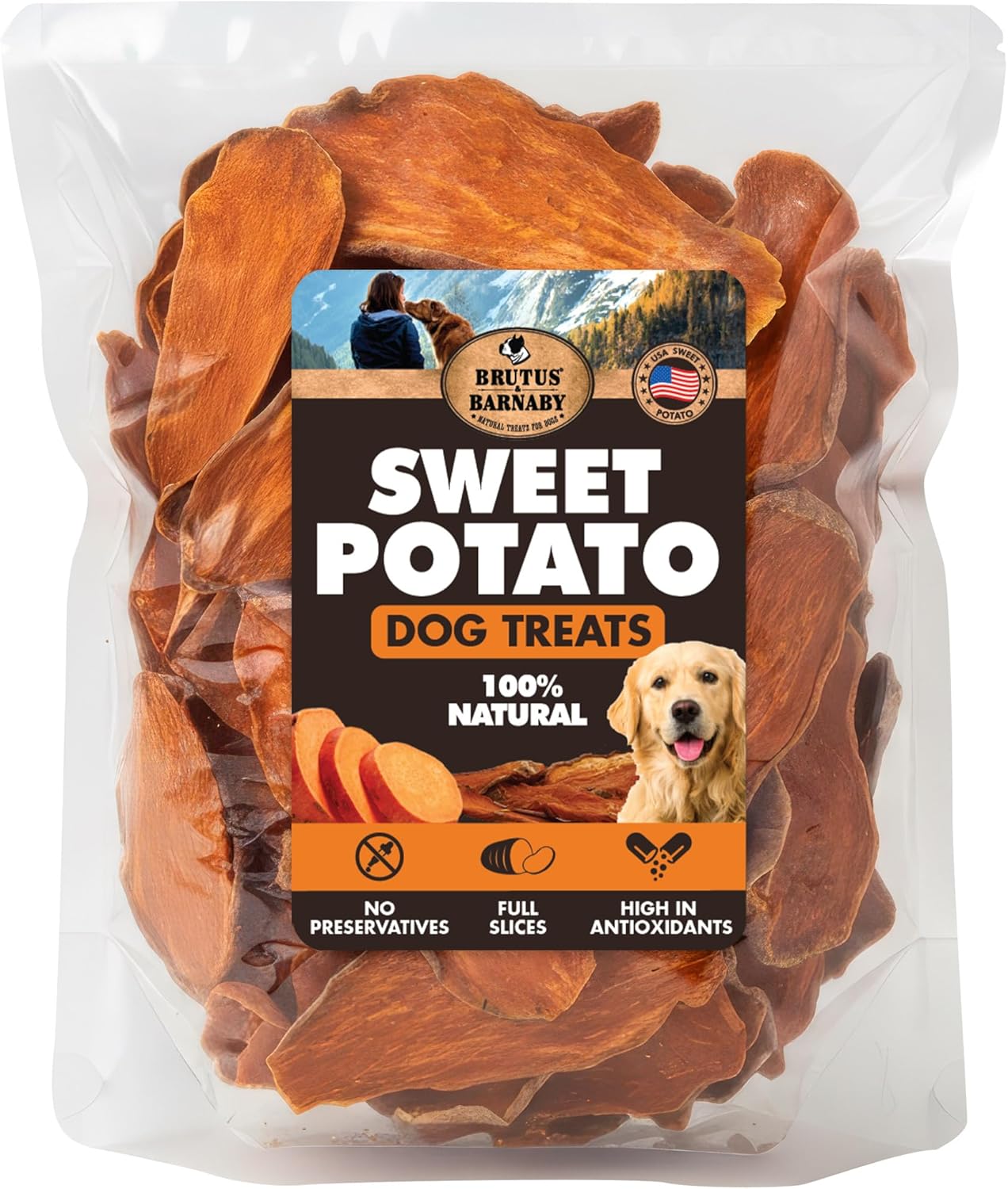
Sweet Potato Slices
A simple plant-based treat option for dogs who need a gentler snack and a more controlled chewing routine.
- Simple everyday snack
- Great for light chewers
- Gentler treat option
Can Dogs Digest Food Without Chewing?
Dogs can swallow food with less chewing than humans, but that does not mean gulping is ideal. When a dog eats too quickly or swallows large pieces, their stomach has more work to do.
Some dogs who gulp may experience gas, regurgitation, vomiting, loose stool, or stomach discomfort. If these symptoms happen repeatedly, talk to your veterinarian instead of relying on treats or chews alone.
Call your vet if your dog has repeated vomiting, diarrhea, bloating, painful abdomen, loss of appetite, lethargy, choking, gagging, or sudden digestive changes.
Best Treat Textures for Digestive Comfort
The best chew texture depends on your dog’s size, teeth, age, chewing strength, and stomach sensitivity. You want something that slows your dog down without being too hard, too rich, or too easy to swallow whole.
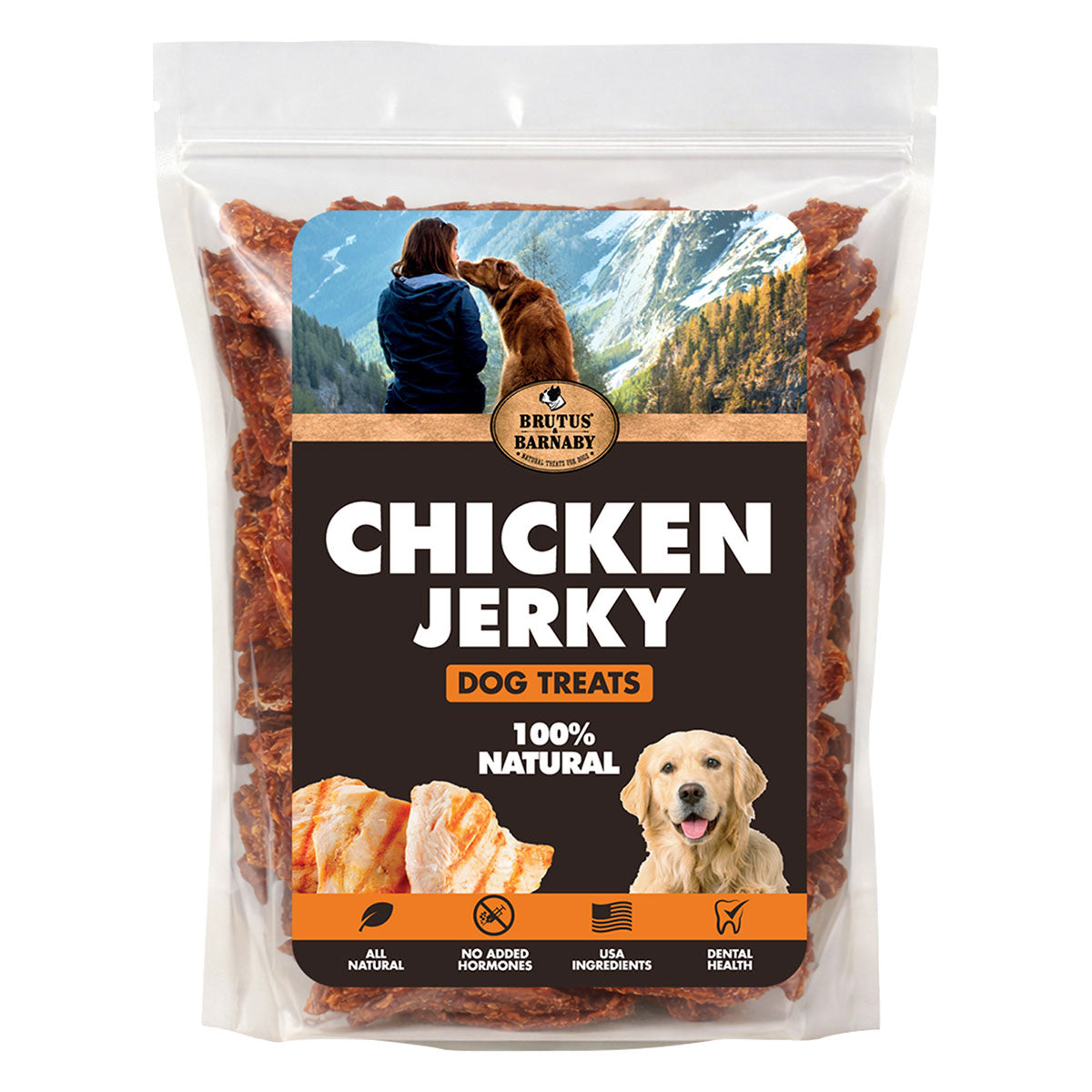
Chicken Jerky Dog Treats
A savory protein treat option for dogs who enjoy chewy texture and a more satisfying reward.
- Protein-packed reward
- Great for chicken-loving dogs
- Easy to break into pieces
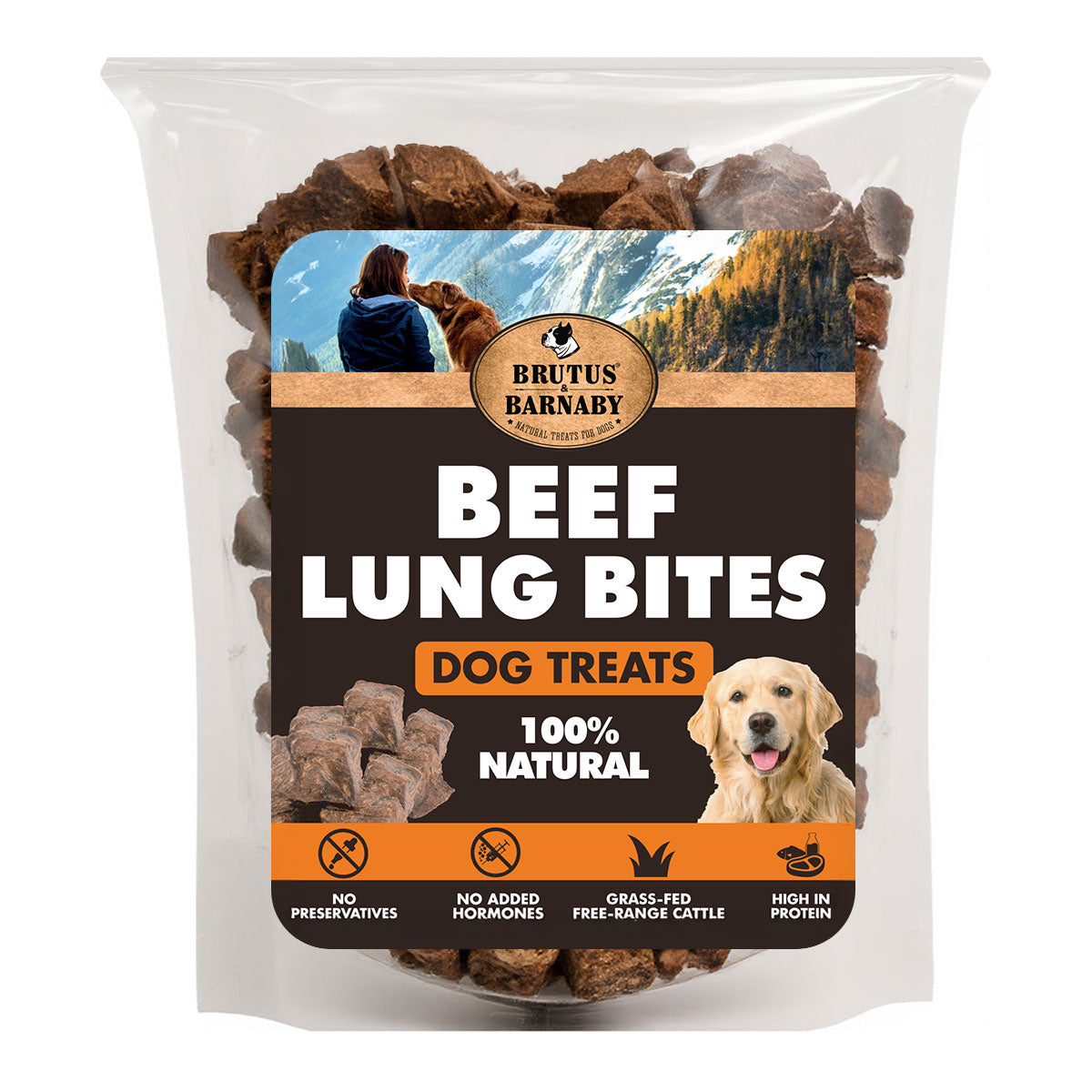
Beef Lung Bites
A light, protein-focused reward for dogs who love meaty treats and quick, controlled snack portions.
- Protein-rich treat option
- Great for quick rewards
- Light crunchy texture
How Can I Support My Dog’s Digestion?
Healthy digestion comes from a full routine, not one single chew. The right food, fresh water, exercise, portion control, slow eating, and vet care all matter.

Beef Liver Dog Food Topper
A flavorful topper option for dogs who need extra interest at mealtime without changing the entire diet.
- Great for picky eaters
- Easy meal enhancer
- Simple protein topper
Frequently Asked Questions
Final Takeaway
Chewing is not just enrichment. It can support a slower, calmer, more controlled eating routine, which may help some dogs feel more comfortable during treat time.
Choose treats that match your dog’s size, teeth, chewing style, and digestive tolerance. Start slowly, keep portions small, supervise chew time, and call your veterinarian if your dog has repeated digestive symptoms.
Support a Better Chewing Routine
Explore natural treats, chews, and toppers made for simple reward routines, slower chewing, and everyday snack time.
Shop Treats & Chews