



Can Dogs Eat Human Foods? Safe Choices and Foods to Avoid
Some everyday foods are safe for dogs in small, plain portions — and others should stay far away from your pup’s bowl. Here’s how to know the difference.
Your dog’s eyes lock onto your plate during dinner, and you wonder: is that piece of sweet potato safe, or could it land you at the vet’s office? The question of whether dogs can eat human foods sits at the heart of responsible pet parenting. The answer is mostly yes — but only when you know which foods are safe, which are dangerous, and how to keep portions small and plain.
The Most Important Rule: Plain, Safe, and Portion-Controlled
Many human foods can be dog-friendly when served plain: no butter, no salt, no onion, no garlic, no sauces, no sugar-free sweeteners, and no cooked bones. But even safe foods are still treats. They should not replace a complete and balanced dog food unless your veterinarian has helped design the diet.
Human Foods That Can Be Dangerous
Human Foods Dogs Can Often Enjoy
Safe vs. Unsafe Human Foods for Dogs
Use this table as a quick reference, but remember: your dog’s size, age, health conditions, and current diet all matter. When in doubt, ask your vet before introducing a new food.
Emergency note: if your dog eats chocolate, grapes, raisins, xylitol, onions, garlic, macadamia nuts, alcohol, or anything you are unsure about, call your veterinarian or animal poison control right away.
Homemade Treats vs. Natural Commercial Treats
Homemade treats can be a fun bonding activity, especially when you use simple ingredients like sweet potato, pumpkin, or plain cooked chicken. The challenge is consistency: homemade treats can vary in calories, moisture, shelf life, and food safety. They should still follow the same treat rule — no more than about 10% of daily calories.
Natural commercial treats help when you want a cleaner, easier routine. Look for named ingredients, simple labels, no artificial colors or preservatives, and clear feeding guidance. Avoid vague terms, mystery by-products, and treat labels that sound healthy but hide sugar, salt, or unnecessary fillers.
How to Share Human Foods Safely
Start Tiny
Offer a small bite first, especially if your dog has a sensitive stomach. Watch for vomiting, diarrhea, itching, or gas.
Keep It Plain
No salt, butter, sauces, onion, garlic, spices, fried coating, or sugar-free sweeteners.
Respect Calories
Human foods are still treats. If you share snacks, reduce other treats that day.
Ask When Needed
Dogs with diabetes, pancreatitis, kidney disease, allergies, or prescription diets need vet-specific guidance.
Best Brutus & Barnaby Treats Inspired by Real Foods
These picks fit this topic because they use recognizable ingredients and give you a safer, more consistent alternative to sharing random table scraps.
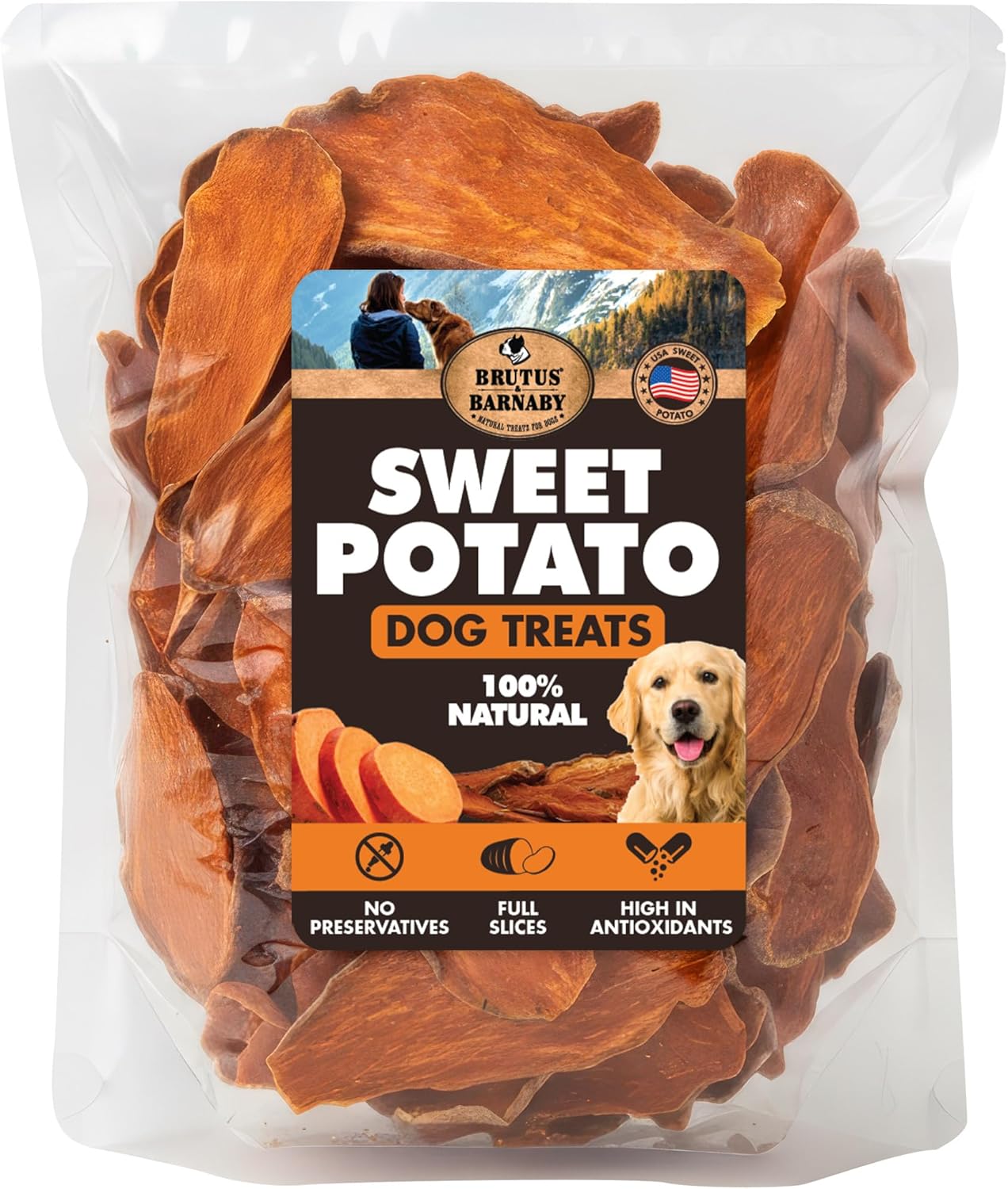
Sweet Potato Slices
Made with just sweet potato, these are a simple way to give your dog a familiar whole-food treat without seasoning, butter, or table-scrap guesswork.
- 100% sweet potato
- Grain-free and gluten-free
- Good for sensitive stomachs
- Chewy texture dogs love
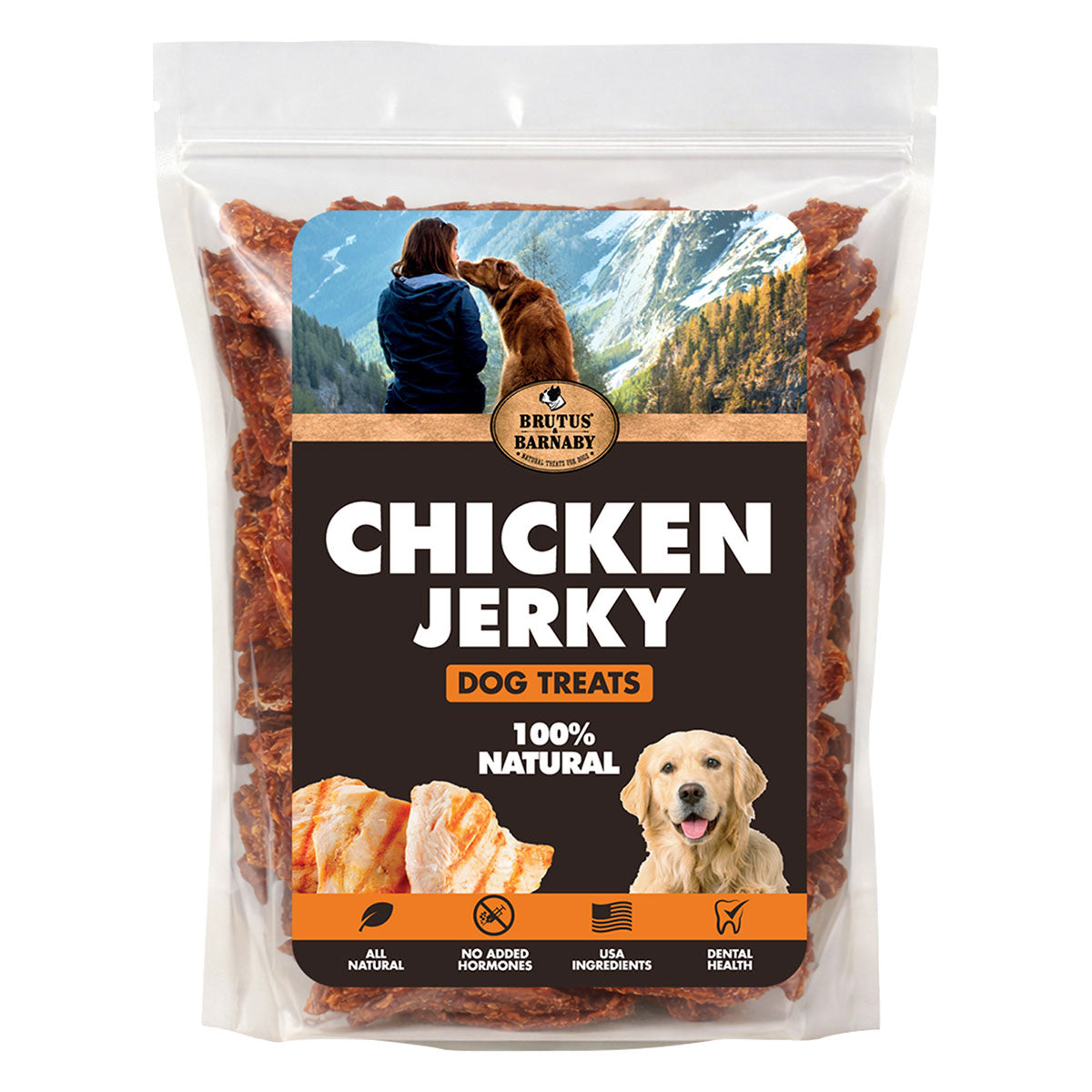
Chicken Jerky
A single-ingredient chicken treat for dogs who love plain cooked chicken, but in a shelf-stable, portionable form.
- 100% USA chicken breast
- No preservatives, fillers, or additives
- High-protein reward
- Great for picky eaters
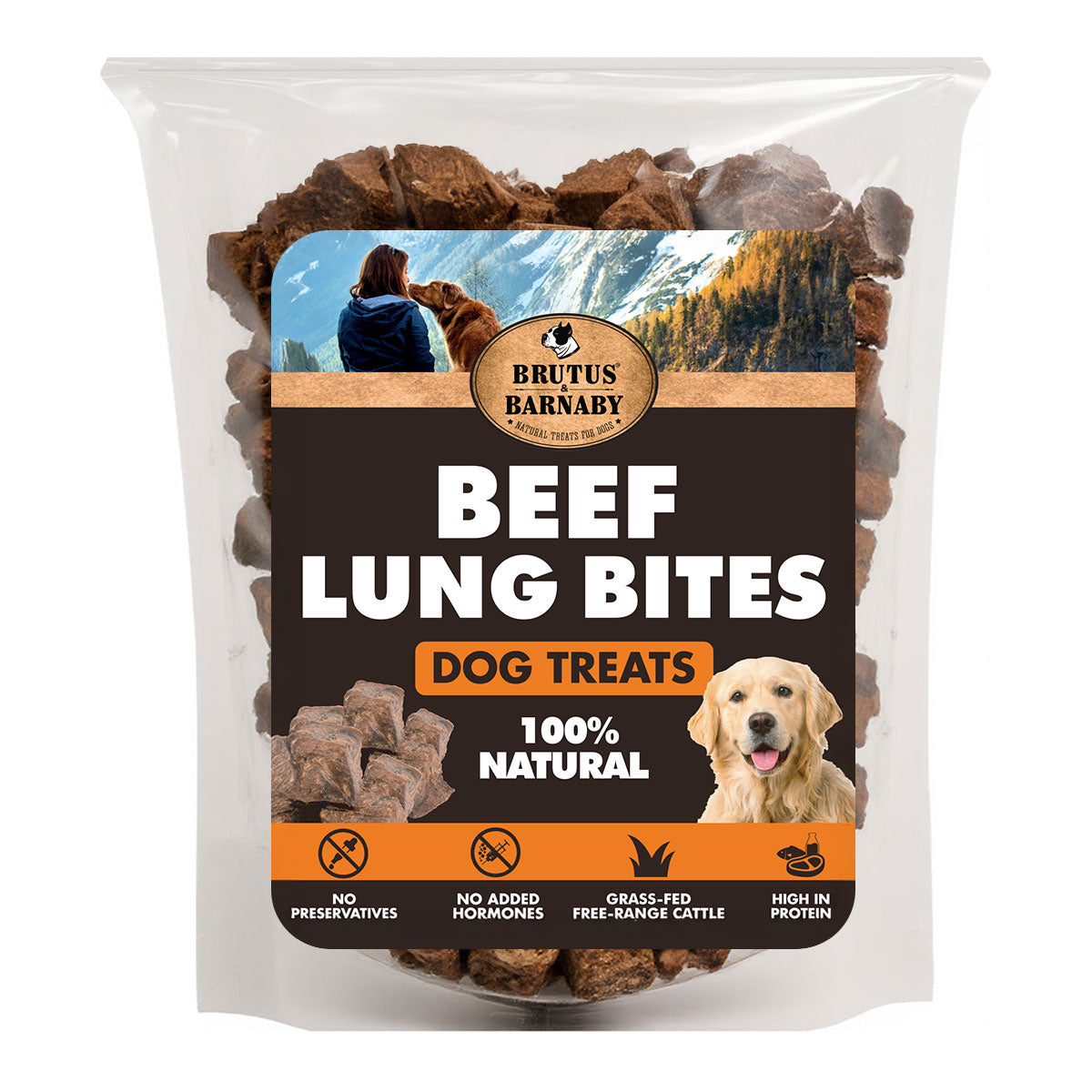
Beef Lung Bites
A simple beef-based reward for dogs who do well with beef and need small, high-value pieces for training or snacking.
- 100% beef lung
- Made in the USA
- High-protein bite-size reward
- Easy to portion

Sweet Potato Sticks with Salmon & Kelp
A crunchy treat made with recognizable ingredients: sweet potato, salmon, and kelp.
- Real salmon
- Sweet potato base
- Kelp for minerals
- Easy to snap into rewards
Frequently Asked Questions About Human Foods for Dogs
Choose Treats You Can Recognize
When you want simple ingredients without table-scrap risk, Brutus & Barnaby treats make snack time easier to feel good about.
Shop Natural Treats