



Omega Fatty Acids in Dog Treats: Skin & Coat Support Explained
Omega-rich treats can support healthy skin and coat as part of a complete routine — but they are not a cure for allergies, infections, or chronic itching. Here’s what dog parents should know.
If you’ve ever watched your dog scratch at their belly, paws, or ears — only to find no fleas or obvious culprit — you’re not alone. Itchy skin can come from allergies, infections, parasites, dry skin, food sensitivities, or environmental triggers. Omega fatty acids in dog treats can support healthy skin and coat, but the most important first step is understanding what omega-rich treats can realistically do and when your dog needs veterinary help.
Omega-3 vs. Omega-6: What Dog Parents Need to Know
Omega-3 and omega-6 fatty acids are essential fats, which means dogs need them in the diet. They help support the skin barrier, coat quality, cell function, and normal inflammatory balance. The goal is not to overload your dog with one nutrient. The goal is to provide a balanced routine that supports the skin from the inside out.
Omega-3s from marine sources, especially EPA and DHA, are commonly used by veterinarians to support dogs with inflammatory skin concerns. Omega-6 fatty acids are also important because they help maintain the skin’s surface barrier. Both matter — but if your dog is itchy, red, licking paws, or getting recurrent ear issues, nutrition should be paired with a vet-guided diagnosis.
What Omega Treats Cannot Do
Where Omega Treats Fit Best
Natural Sources vs. Fish Oil Supplements
Fish oil supplements can be useful when your veterinarian recommends them, especially when your dog needs a specific EPA/DHA amount. Treats are different. They are usually better for routine support, palatability, and daily consistency — not precise therapeutic dosing.
Simple rule: use omega treats for steady skin-and-coat support, but ask your vet about exact fish oil dosing if your dog has diagnosed allergies, dermatitis, arthritis, kidney disease, or other medical conditions.
Common Skin Triggers Omega Treats Cannot Diagnose
If your dog is scratching, omega-rich treats may help support skin health — but they will not tell you why your dog is itchy. A vet may need to check for parasites, yeast, bacteria, food reactions, environmental allergies, dry skin, hormonal issues, or ear disease.
Food Reactions
If food is suspected, your vet may recommend an elimination diet. Adding new treats during that process can interfere with results.
Environmental Allergies
Pollen, dust mites, mold, and grass can trigger itching even when your dog’s diet is excellent.
Yeast or Bacteria
Odor, discharge, redness, or greasy skin may require medicated treatment, not just nutritional support.
Dry Skin & Coat Dullness
Nutrition can help support a better skin barrier, but hydration, grooming, and environment also matter.
What to Expect Over 8–12 Weeks
Skin and coat changes take time. You may notice subtle improvements first: a softer coat, less dryness, or fewer mild scratch sessions. Dogs with diagnosed allergies or infections may not improve without targeted care, so track progress and follow your vet’s plan.
A simple way to track progress is to take weekly photos of the same areas — paws, ears, belly, or coat — under the same lighting. Also note sleep quality, licking frequency, and whether itching happens seasonally or after specific foods.
Best Brutus & Barnaby Treats for Skin & Coat Routines
These products are not allergy treatments, but they fit well into a natural skin-and-coat wellness routine for dogs who tolerate the ingredients.

Sweet Potato Sticks with Salmon & Kelp
Made with real salmon, sweet potato, and kelp, these crunchy sticks are the strongest fit for this article because they naturally support a skin-and-coat routine.
- Salmon as a natural omega-3 source
- Sweet potato fiber
- Kelp for minerals
- Easy to portion for rewards
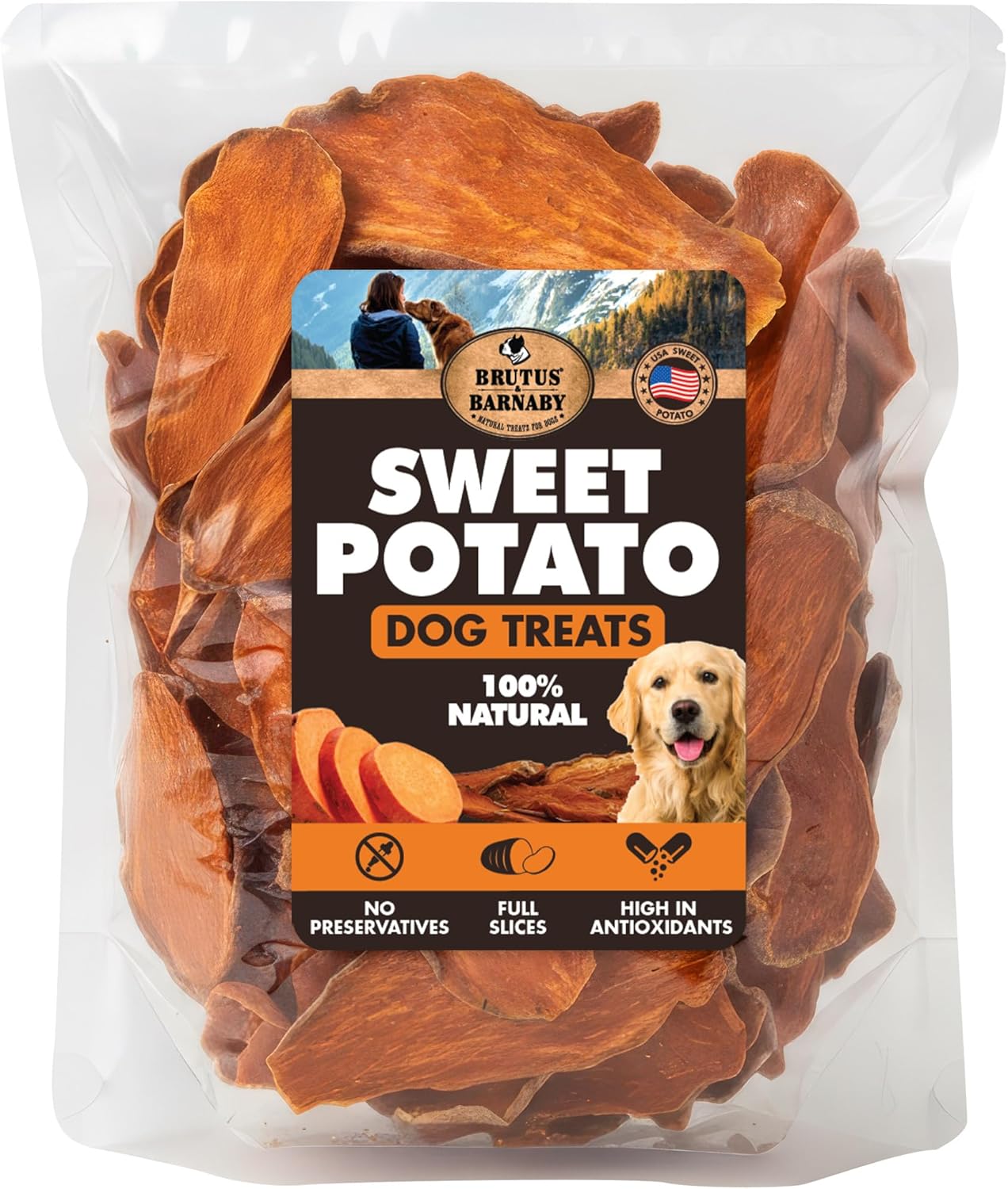
Sweet Potato Slices
A single-ingredient option for dogs who need a simple treat while you keep the rest of their routine clean and easy to track.
- 100% sweet potato
- Grain-free and gluten-free
- Great for sensitive stomachs
- Useful during simple treat rotations
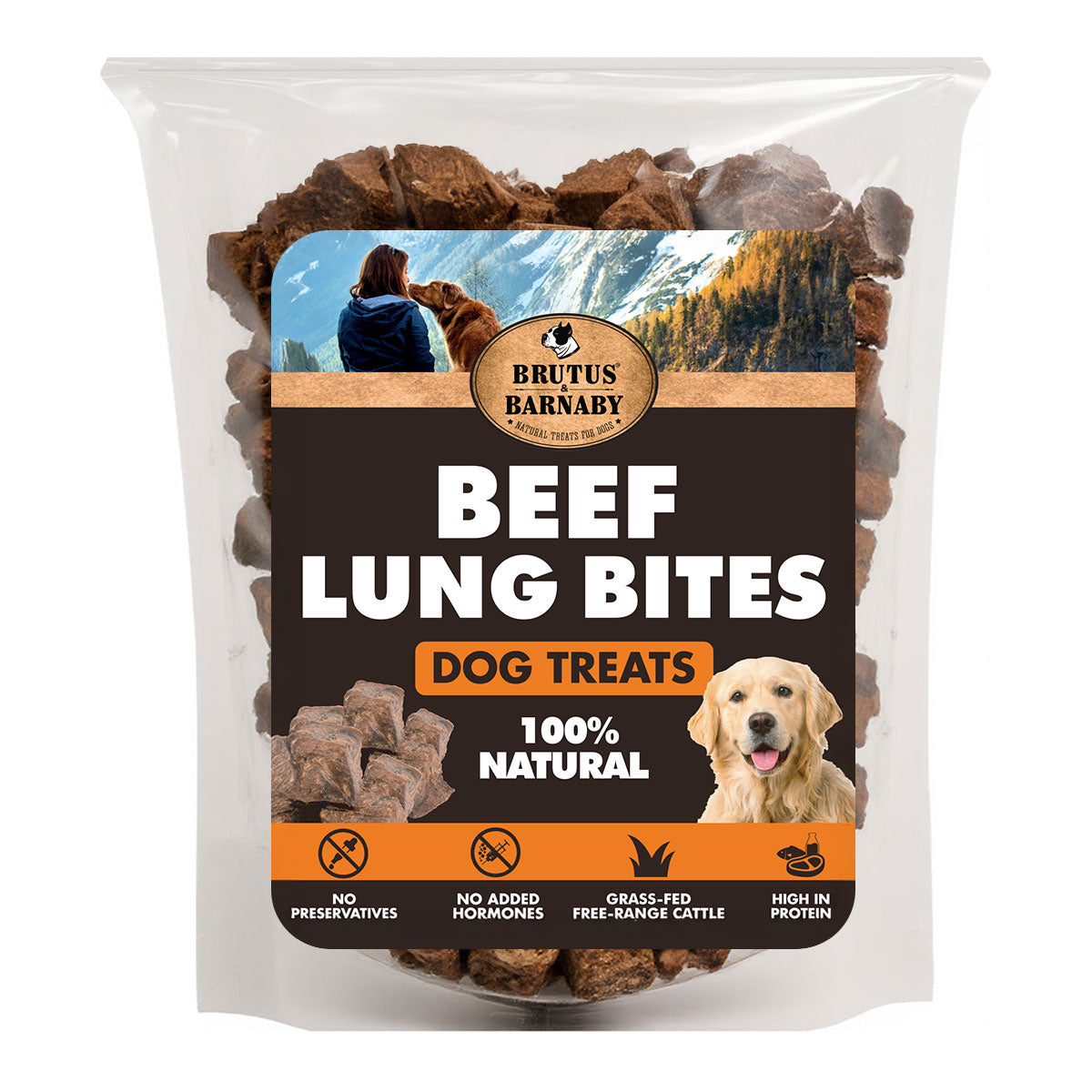
Beef Lung Bites
A simple, high-protein reward for dogs who need a meaty treat option that is easy to portion during daily routines.
- 100% beef lung
- Made in the USA
- High-protein training reward
- Easy to use in small amounts
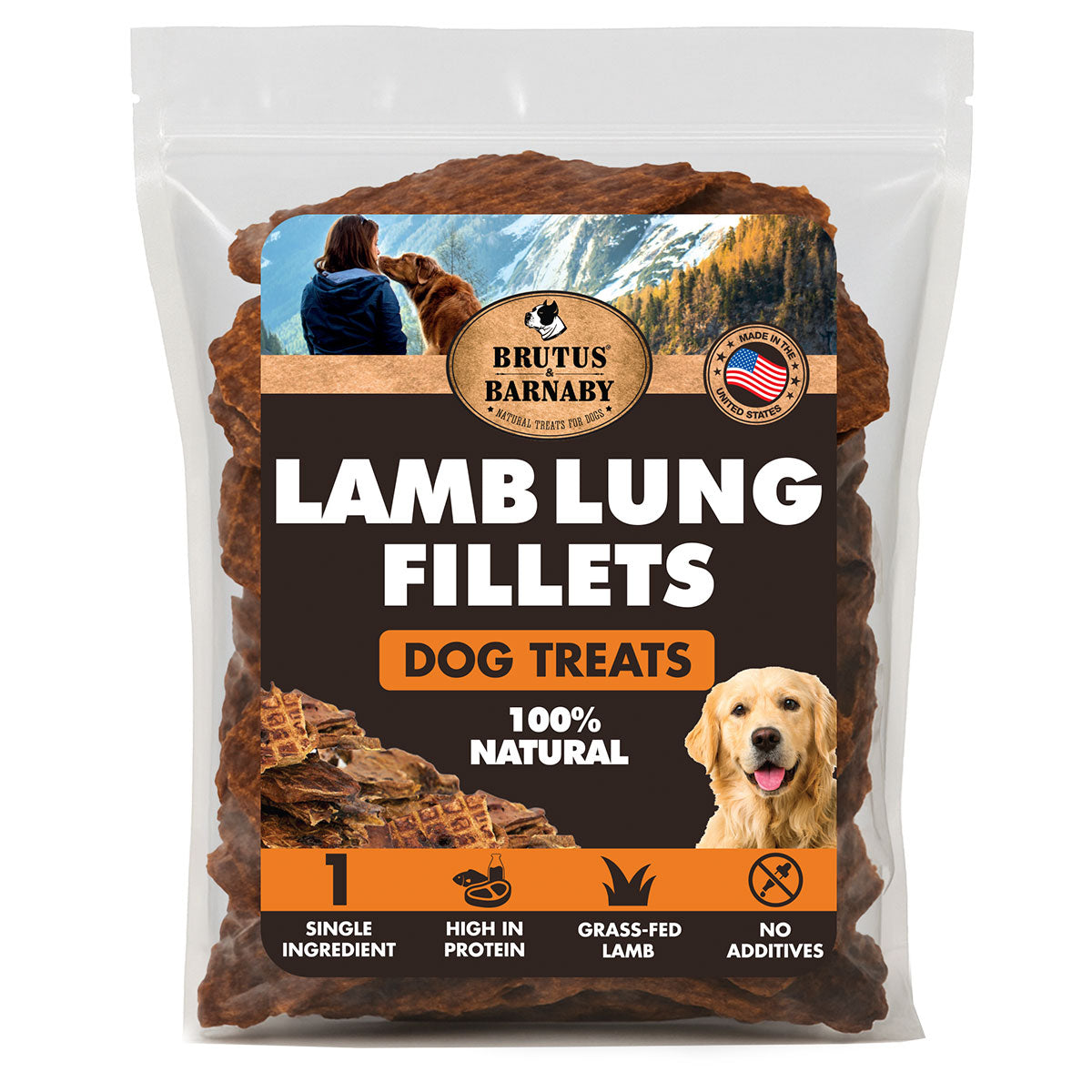
Lamb Lung Fillets
A single-ingredient lamb option for dogs who do better rotating proteins or need a break from common proteins.
- 100% lamb lung
- No fillers or artificial ingredients
- Breakable texture
- Great for protein rotation
Frequently Asked Questions About Omega Fatty Acids & Dog Treats
Support Skin & Coat From the Inside Out
Choose simple treats that fit your dog’s routine, track changes over time, and work with your vet when itching is persistent, painful, or recurring.
Shop Skin & Coat Treats