



Is Chicken Jerky Safe for Dogs?
Chicken jerky can be a safe, lean, high-protein dog treat — but only when the ingredients, sourcing, and texture are clean and transparent.
Chicken jerky treats are one of the most popular snacks for dogs — high in protein, lean, and full of flavor. But not all chicken jerky is created equal.
While high-quality, single-ingredient jerky can be very safe, lower-quality versions have caused issues in the past, especially imported products with unclear sourcing. This guide explains when chicken jerky is safe, what to avoid, and how to choose better alternatives such as Chicken Jerky, Chicken & Sweet Potato Jerky, Sweet Potato Slices, Bully Sticks, and Beef Lung Bites.
Is Chicken Jerky Safe for Dogs?
Yes — when made from whole cuts of chicken breast with no unnecessary additives, chicken jerky can be safe and highly nutritious. It becomes unsafe when sourcing is unclear, the jerky is artificially softened, it contains preservatives or artificial colors, or it uses low-grade poultry by-products.
Unsafe Jerky Signs
Safer Jerky Signs
Dogs who already do well with clean products like Sweet Potato Slices or Beef Lung Bites often tolerate high-quality chicken jerky well because the ingredient quality and simplicity are similar.
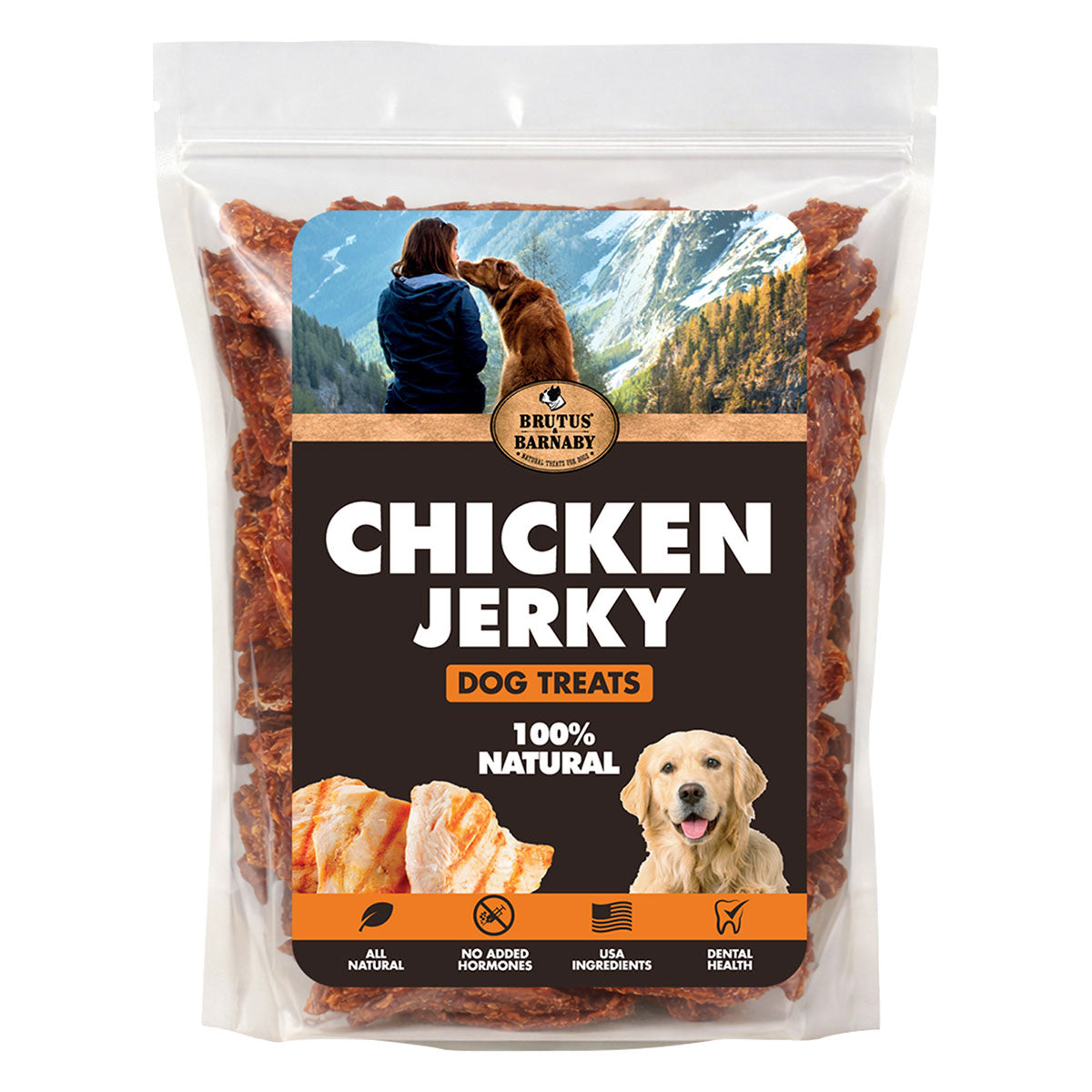
Chicken Jerky
A lean, high-protein reward made for dog parents who want chicken flavor without mystery ingredients or artificial softening.
- Lean chicken treat
- High-protein reward
- Great for chicken lovers
- Simple jerky texture
How to Know When Chicken Jerky Is Safe
Safe jerky will usually have just one to three ingredients, clear sourcing, a natural slightly firm but flexible texture, no added sugars or syrups, and no chemical preservatives. If your dog already enjoys natural chews like Cow Ears or Bully Sticks, you’ll notice the same pattern: simple, transparent ingredients.
Avoid jerky that looks shiny, sticky, overly soft, or has an artificial smell. Those signs can point to added moisture-retaining agents, heavy processing, or ingredients that are not necessary for your dog.
Simple rule: the best dog jerky should look like dried meat, not candy. If it feels sticky, glossy, or heavily flavored, skip it.
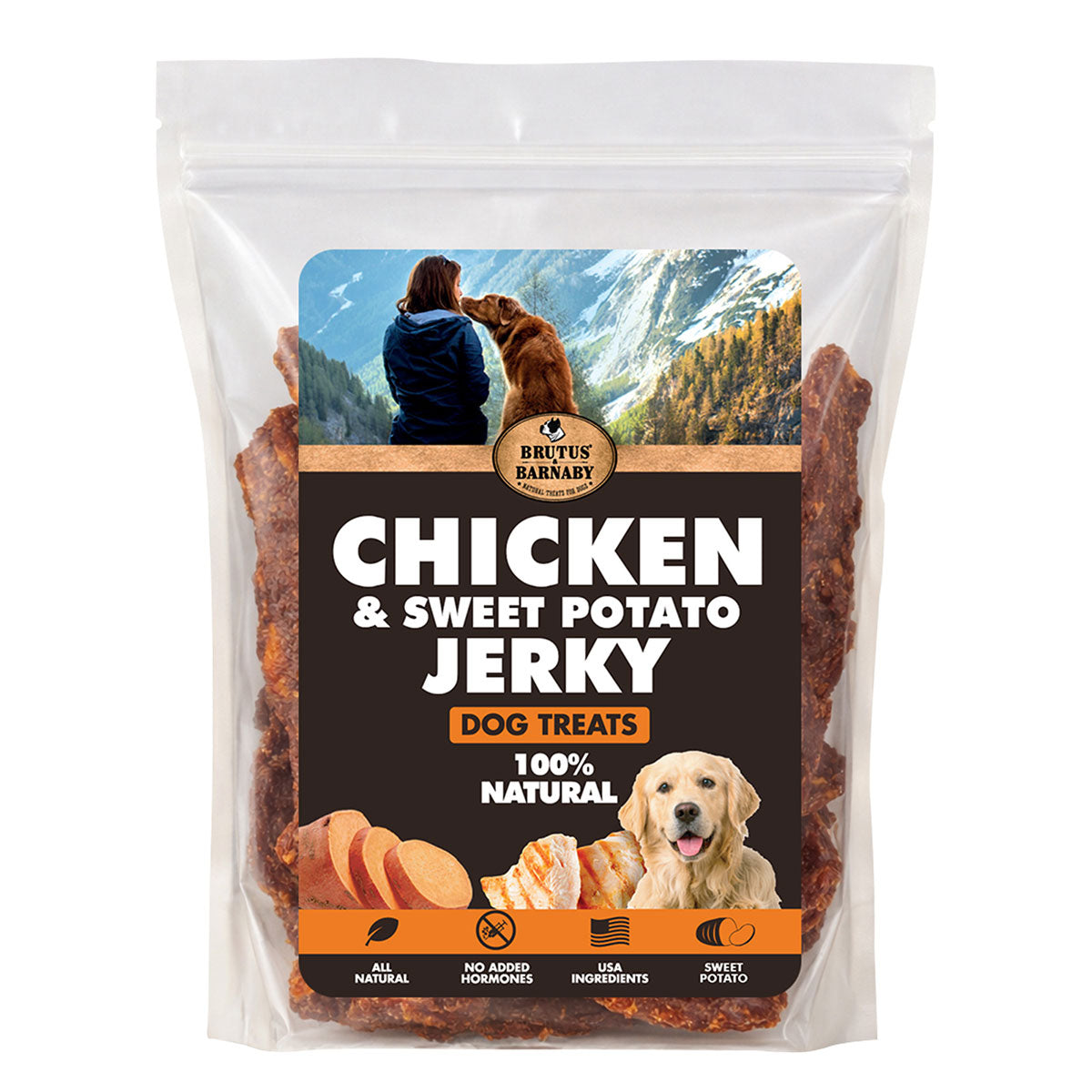
Chicken & Sweet Potato Jerky
A flavorful option for dogs who love chicken but also do well with gentle sweet potato-based treats.
- Chicken and sweet potato
- Chewy jerky texture
- Great for treat rotation
- High-value reward option
Chicken Jerky & Fanconi Syndrome — Why It Happened
Between 2007 and 2015, veterinary reports linked certain imported chicken jerky treats to Fanconi-like syndrome, a kidney-related disorder. Nearly all cases involved jerky that was manufactured in overseas factories, chemically treated, or made with unknown additives.
That history is why many dog owners are careful about jerky sourcing today. Modern, clearly sourced jerky made for dogs is not the same as mystery jerky with long ingredient lists and unclear manufacturing.
Are Chicken Jerky Treats Safe Today?
Yes — when you buy from reputable brands and read the label carefully. Avoid bulk jerky from discount stores, jerky with long ingredient lists, products that contain glycerin for softness, and packages with no clear country-of-origin label.
If you want a worry-free rotation, pairing chicken jerky with natural chews like Bully Sticks or Beef Gullet Sticks is a smart way to keep treats clean and simple.
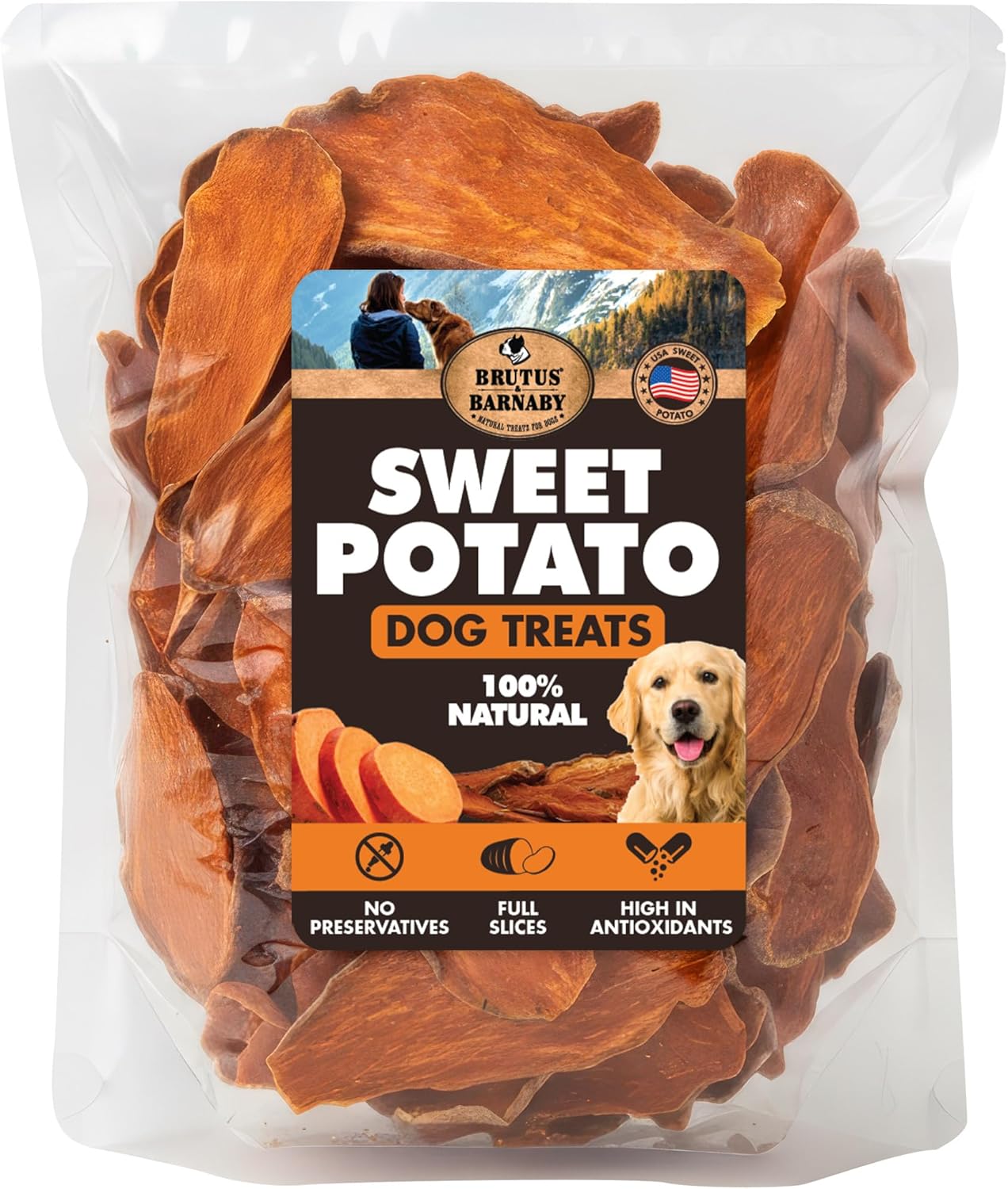
Sweet Potato Slices
A simple, plant-based treat to rotate with chicken jerky when your dog needs a gentler, non-meat option.
- Great for sensitive stomachs
- Simple sweet potato treat
- Chewy plant-based texture
- Good jerky rotation option
What to Watch Out For When Buying Chicken Jerky
1. Texture Problems
Texture can tell you a lot. Jerky that is too brittle may be over-dried, while jerky that is too soft, shiny, or sticky may include added moisture-retaining agents. A natural piece of jerky should feel firm but not artificially moist.
2. Long Ingredient Lists
Avoid ingredients like sorbitol, glucose syrup, artificial smoke, and unspecified poultry by-product. Natural treats like Sweet Potato Slices and Beef Lung Bites do not need these ingredients to be appealing to dogs.
3. Vague Labeling
If the brand hides sourcing, skip it. A good dog treat label should make it easy to understand what the treat is, where the protein comes from, and whether unnecessary additives are included.
Symptoms If Your Dog Eats Unsafe Jerky
If your dog eats unsafe or questionable jerky, watch for vomiting, diarrhea, increased thirst or urination, lethargy, or refusal to eat. If symptoms appear, discontinue the treat and call your veterinarian.
Call your vet: increased thirst, increased urination, repeated vomiting, diarrhea, lethargy, or appetite loss after eating jerky should be taken seriously.
Are Human Chicken Jerky Products Safe for Dogs?
No — human chicken jerky is not a safe dog treat. Human jerky often contains salt, onion powder, garlic powder, spices, marinades, sugar, or preservatives that dogs do not need and may not tolerate well.
Even small amounts can be harmful depending on the seasoning. Only give jerky made specifically for dogs, and always check the ingredient list before offering it.
Safer Alternative Treats If You’re Concerned
If you want predictable, simple options, consider Chicken Jerky, Chicken & Sweet Potato Jerky, Sweet Potato Slices, Beef Lung Bites, Bully Sticks, and Cow Ears. These options are clean, easy to understand, and simple to rotate based on your dog’s preferences.
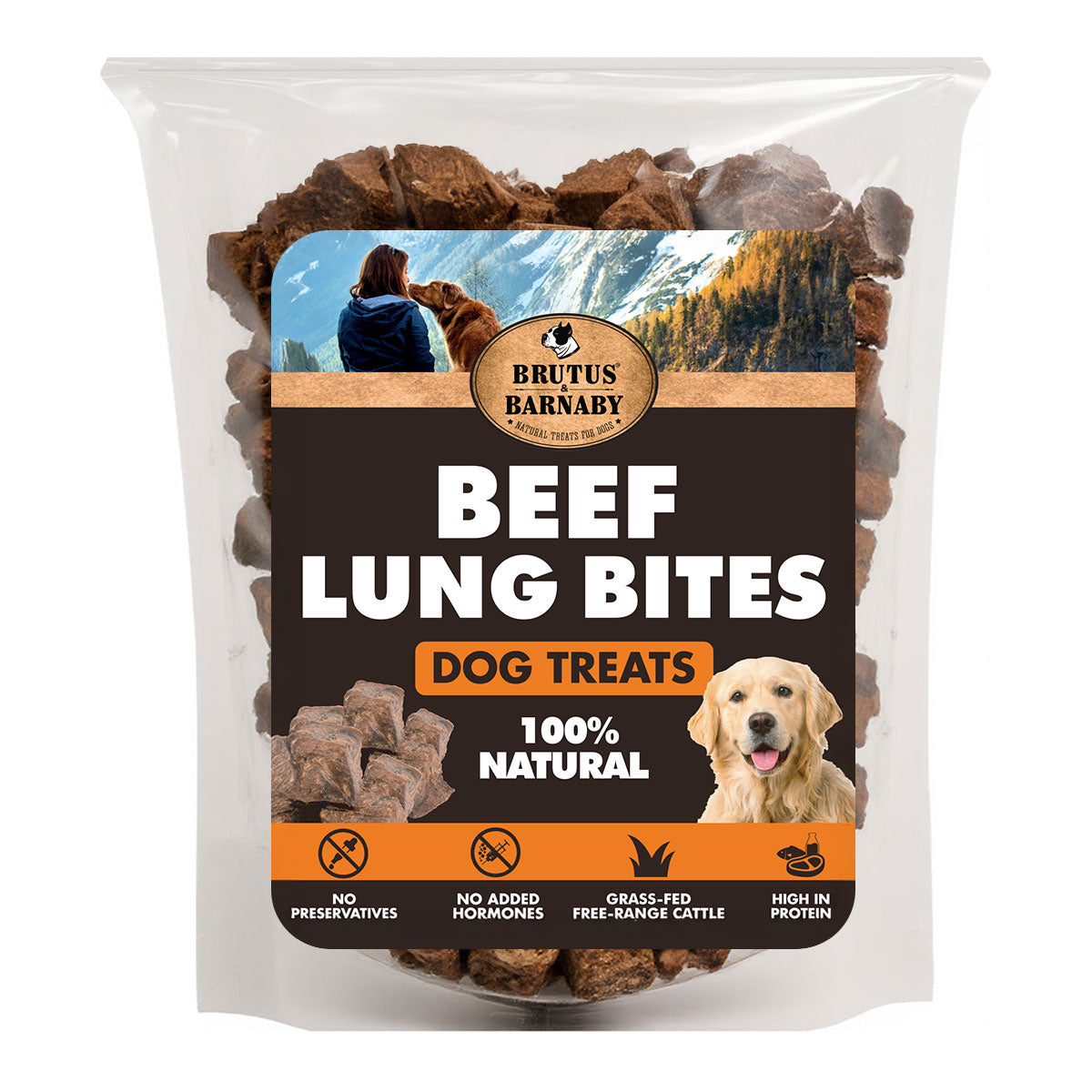
Beef Lung Bites
A light, protein-rich treat that is easy to break into smaller rewards when you want a non-chicken option.
- Clear beef protein source
- Easy to break for training
- Light, airy texture
- Great jerky alternative
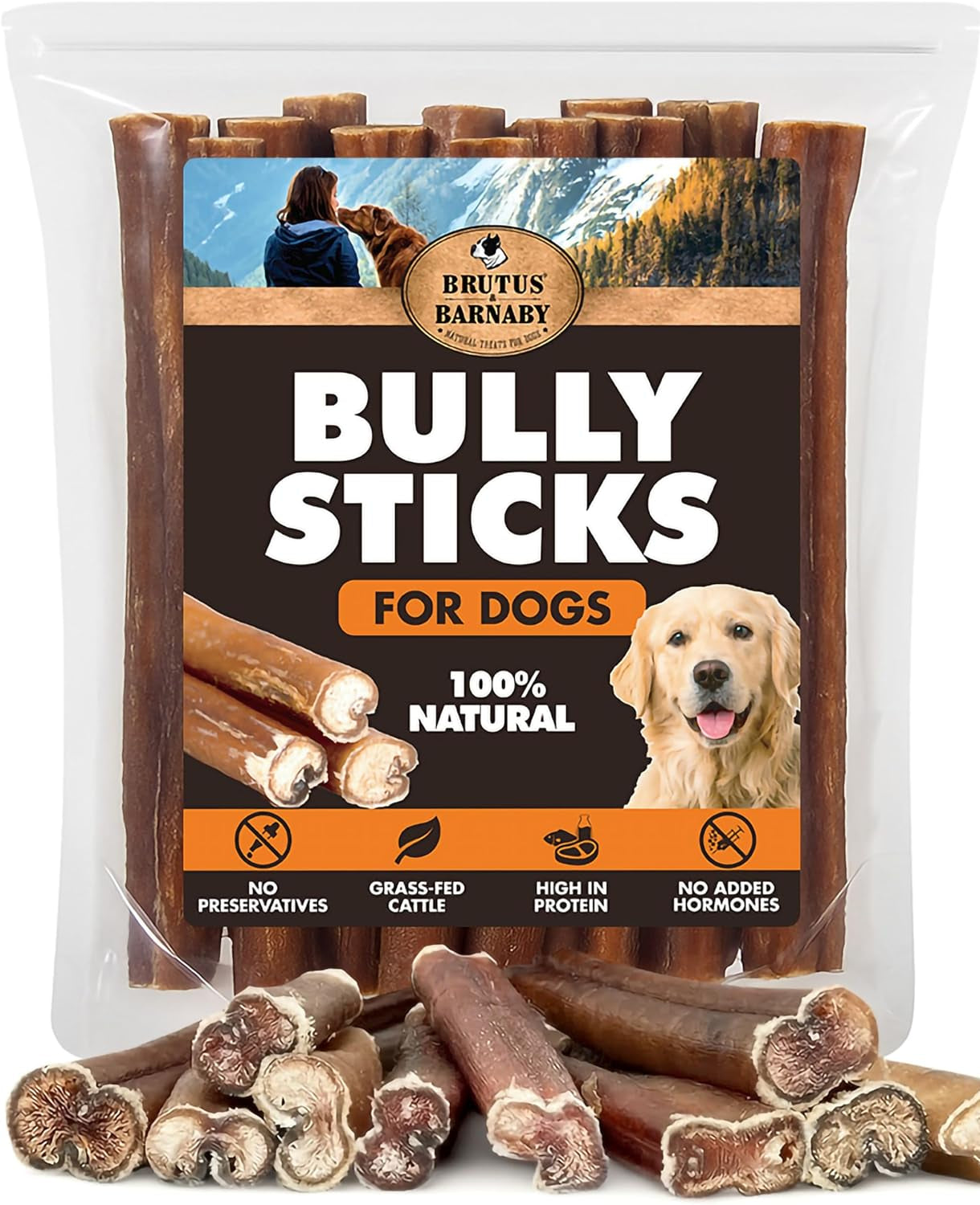
Bully Sticks
A rawhide-free chew to rotate with jerky when your dog needs longer chewing satisfaction instead of a quick snack.
- Fully digestible chew
- Rawhide-free option
- Longer chew satisfaction
- Great for moderate chewers
Frequently Asked Questions
Final Thoughts
Chicken jerky treats are safe when you choose high-quality, minimally processed versions. Stick to dog-specific jerky with clear sourcing, avoid artificially softened or mystery-ingredient products, and rotate with natural treats like Sweet Potato Slices, Beef Lung, Cow Ears, and Bully Sticks to keep your dog’s routine clean and varied.
Clean ingredients mean safer treats, easier label reading, and a healthier dog treat routine.
Choose Cleaner Chicken Treats & Natural Chews
From chicken jerky and chicken sweet potato jerky to beef lung, sweet potato slices, and bully sticks, Brutus & Barnaby makes it easier to build a simple, safer treat rotation.
Shop Natural Dog Treats
```