



How to Choose Natural Dog Treats Without Fillers or Artificial Additives
Treats are one of the easiest ways to reward your dog, support training, and show affection. The key is choosing natural dog treats with simple ingredients, sensible calories, and no unnecessary fillers.
Everyone loves giving their dog treats. Dogs are enthusiastic, loving companions, and rewarding them with something they enjoy can feel just as good for us as it does for them.
Treats can be useful for training, bonding, enrichment, and rewarding good behavior. But not all dog treats are created equally. Some are made with simple, recognizable ingredients. Others rely on unnecessary fillers, artificial colors, added sweeteners, and long ingredient lists that do not add much value for your dog.
Giving your dog healthy food is one of the most important parts of supporting a happy, active life. Treats should support that routine, not work against it. For more foundational feeding guidance, read our guide to the 6 basic nutritional requirements your dog needs.
Why Natural Dog Treats Matter
Natural dog treats are becoming more important to dog parents because people are reading labels more carefully. A treat is not automatically better just because the packaging looks cute, colorful, or “premium.” The ingredient list tells the real story.
The best treats are easy to understand, easy to portion, and appropriate for your dog’s size, activity level, chewing style, and health needs. They should be given in moderation and counted as part of your dog’s total daily intake.
Simple Ingredients
Choose treats with recognizable ingredients and a purpose that matches your dog’s routine.
Empty Extras
Skip treats loaded with unnecessary fillers, artificial colors, and ingredients that are hard to understand.
Simple rule: a better treat usually has ingredients you can recognize and a portion size you can control.
Tips and Things to Avoid When Giving Dog Treats
Treats should make your dog happy without creating avoidable problems. Here are the biggest things to watch when choosing dog treats.
1. Watch Out for Too Many Calories
Many dogs do not need a large number of extra calories each day. Treats can quickly add up, especially for smaller dogs, indoor dogs, senior dogs, or dogs who are less active. Too many calories can contribute to weight gain and related health concerns over time.
That does not mean treats are bad. It means treats should be used intentionally. Choose options that fit your dog’s routine, and avoid giving greasy human foods or cheap biscuits loaded with fillers and sweeteners as everyday rewards.
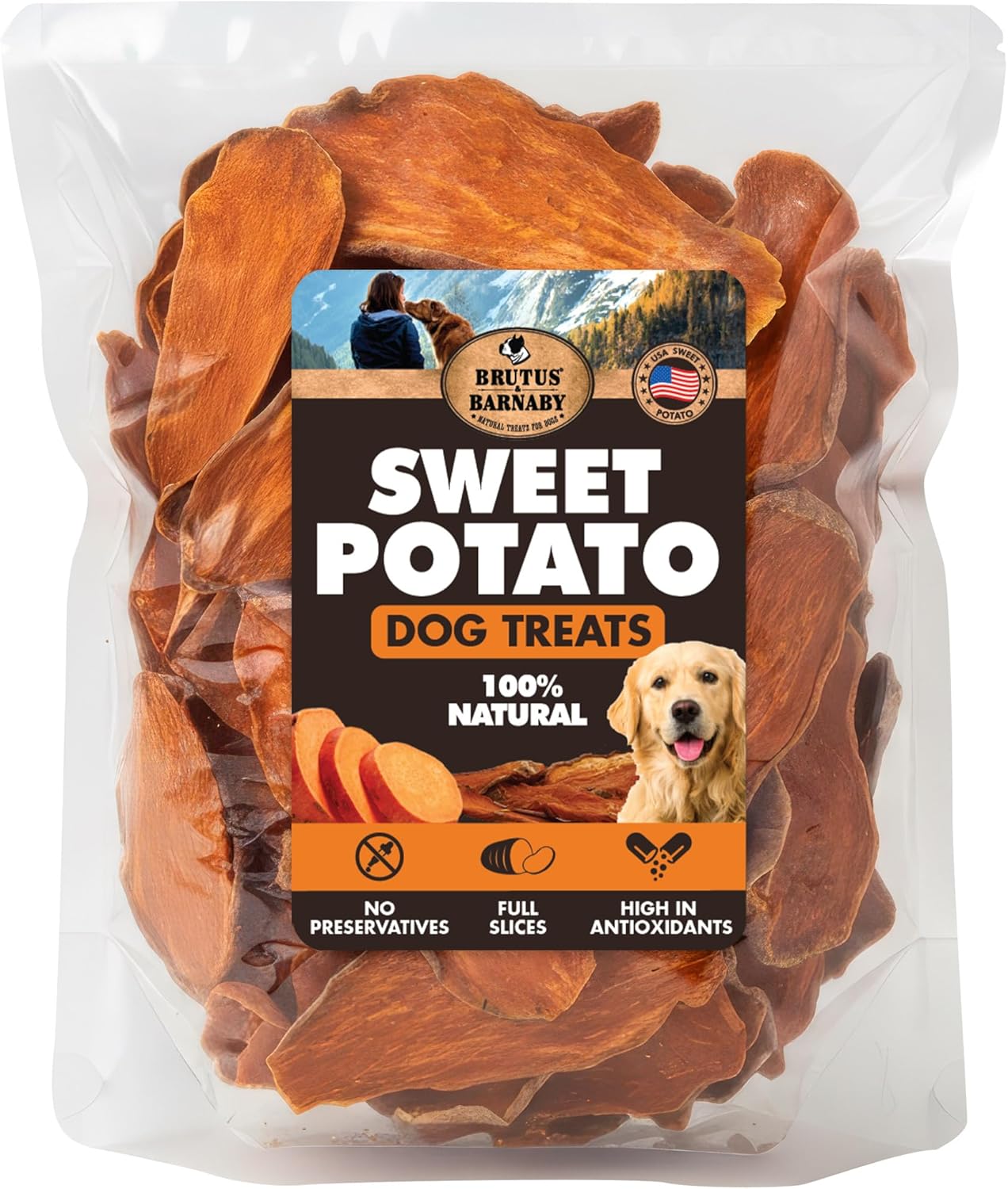
Sweet Potato Slices
A simple dog-friendly treat option for dog parents who want an easy alternative to table scraps or overly rich snacks.
- Simple everyday snack
- Great for gentle treating
- Easy alternative to table scraps
2. Choose Real Ingredients
Some dog treats are designed to look cute on the shelf more than they are designed to be useful for your dog. Fun shapes, bright colors, and long marketing claims do not matter as much as the ingredient list.
Real treats may not always look as polished as colorful biscuits, but dogs care more about smell and taste than decoration. A simple ingredient list like sweet potato, pumpkin, and cinnamon is easier to understand than a long list of fillers, artificial colors, and sweeteners.
Label test: if the first few ingredients look like fillers instead of the food advertised on the front of the bag, keep looking.
3. Avoid Artificial Additives, Colors, and Unnecessary Ingredients
Many additives are used to change texture, appearance, shelf life, or flavor. Some preservatives are used to help keep treats fresh, and not every preservative is automatically bad. But long lists of unnecessary artificial colors, flavors, sweeteners, and hard-to-understand ingredients are not what most dog parents want in a daily treat.
Dogs do not need treats to be brightly colored. They choose food mostly through smell and taste, not because a treat looks pretty to humans. A better treat should be naturally appealing because of its real ingredients.
4. Skip Unnecessary Fillers
Fillers such as certain starches, flours, and low-cost carbohydrates are often used to bulk up treats. Dogs can eat some grains and carbohydrates, and not every grain is bad. The issue is when fillers make up most of the treat while the front of the package focuses on a more appealing ingredient.
For example, a treat might be marketed as “made with real chicken,” but the first few ingredients may be mostly starches, sweeteners, and flours, with chicken appearing farther down the list. That is why the ingredient order matters.
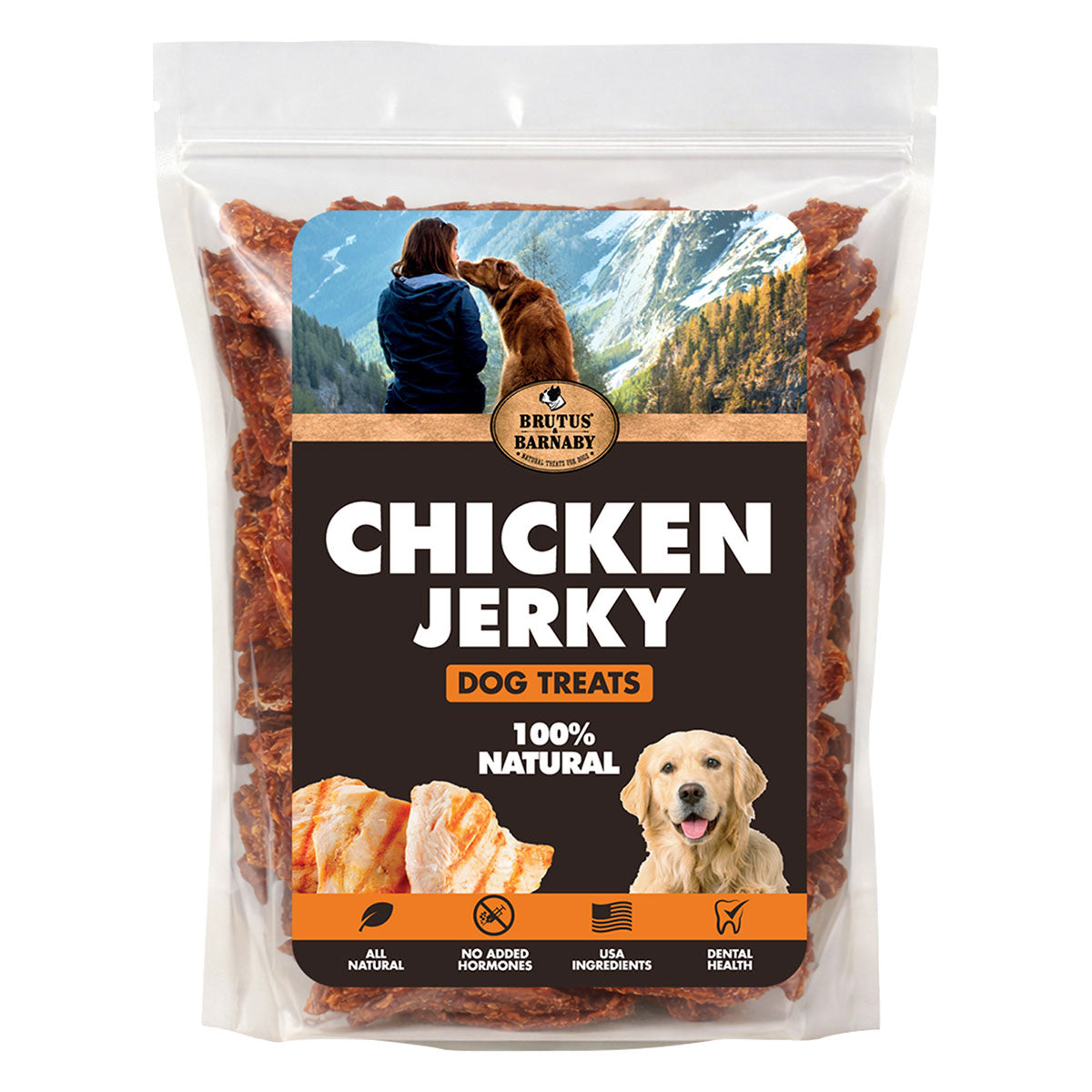
Chicken Jerky Dog Treats
A simple protein-rich treat option for dog parents who want a clear ingredient choice instead of filler-heavy biscuits.
- Protein-packed reward
- Great for dogs who love chicken
- Simple treat option for daily routines
5. Think Carefully About Sourcing
Dog parents are also paying more attention to where ingredients come from and how treats are made. For animal-based treats, many shoppers prefer products made with real, recognizable animal ingredients and without unnecessary coatings, fillers, or artificial additives.
Sourcing claims can vary by product, so it is always worth checking the product page, packaging, ingredient list, and any available quality information before buying. The goal is simple: choose treats you can feel confident giving your dog.
Smart shopping tip: look beyond front-of-bag claims and read the ingredient list, serving size, texture, and sourcing details before choosing a treat.
All-Natural Dog Treats
Brutus & Barnaby focuses on natural dog treats and chews made with ingredients that are easy to understand. The goal is to give dog parents better options for training, rewarding, chewing, and everyday enrichment.
Whether your dog needs a gentle plant-based treat, a protein-rich reward, or a longer-lasting chew, the best choice is the one that fits your dog’s size, chewing style, activity level, and daily routine.
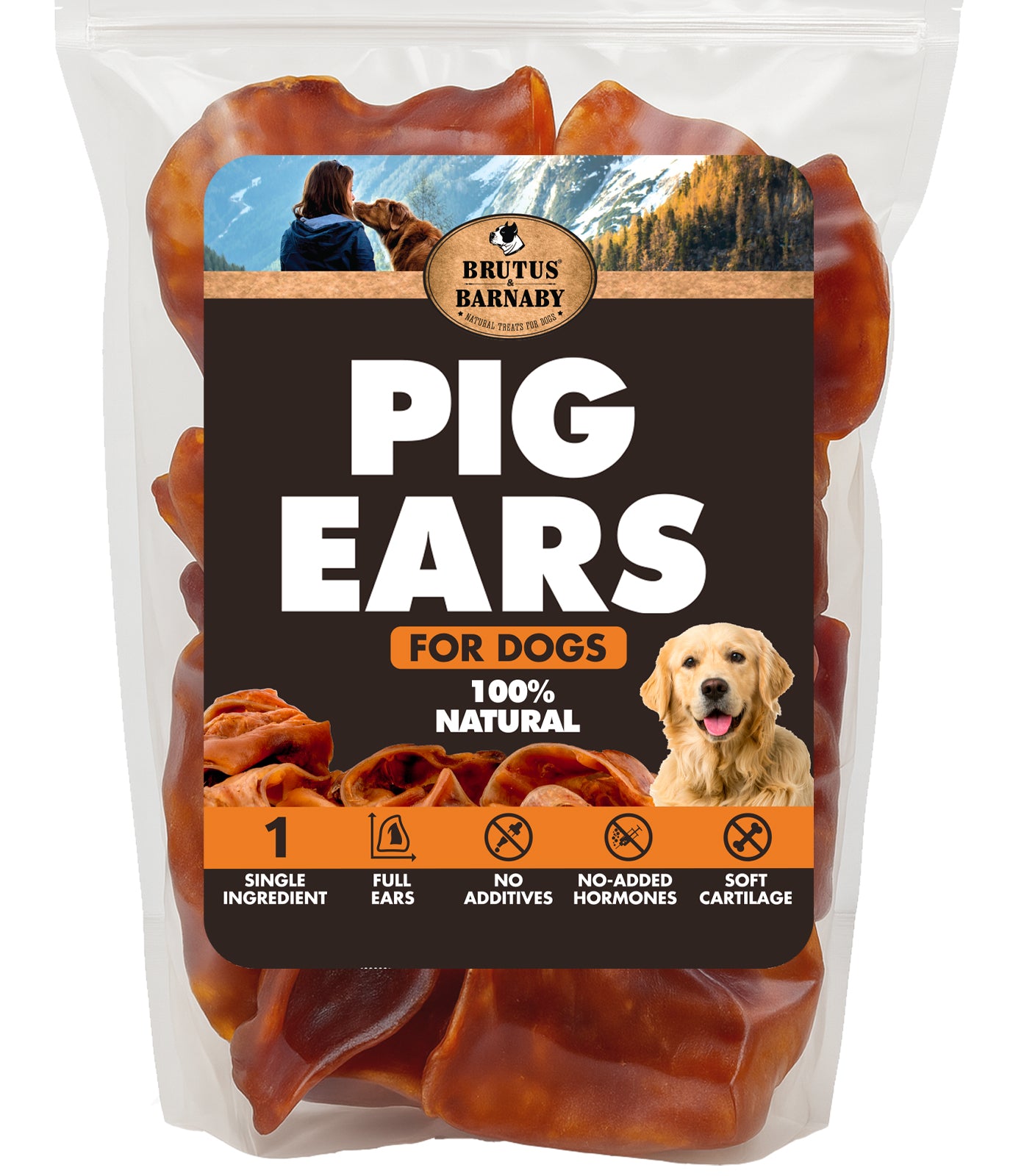
Pig Ears for Dogs
A crunchy, satisfying chew option for dogs who love natural texture and supervised treat time.
- Dogs love the crunch
- Great for supervised treat time
- Natural chew texture
Frequently Asked Questions
Final Takeaway
Treats are a joyful part of life with dogs. They help with training, bonding, enrichment, and rewarding good behavior. But a better treat should be more than tasty — it should be simple, appropriate, and easy to understand.
Look for natural dog treats with recognizable ingredients, avoid unnecessary fillers and artificial colors, watch the calorie count, and choose treats that match your dog’s real needs. A small amount of label reading can make a big difference in your dog’s daily routine.
Choose Natural Treats With Confidence
Explore natural treats and chews made for training, rewarding, enrichment, and everyday routines.
Shop Natural Dog Treats