



Can Dogs Eat Thanksgiving Turkey? Safe Holiday Foods & What to Avoid
Thanksgiving is full of tempting smells, dropped scraps, and begging puppy eyes. Learn which holiday foods dogs can safely enjoy, which ones to avoid, and how to include your pup without risking an upset stomach.
The holiday season is full of food, family, and celebration — and if you are a dog lover, it is only natural to want your pup included in the fun.
But Thanksgiving can also be risky for dogs. Rich foods, bones, desserts, butter, onions, garlic, grapes, raisins, and dropped scraps can quickly turn a happy holiday into an upset stomach or emergency vet visit.
So, can dogs eat Thanksgiving turkey? Yes — if it is plain, fully cooked, boneless, skinless, and served in a small amount. The safest plan is to keep your dog’s normal food routine in place, skip risky table scraps, and offer dog-safe treats instead. For more everyday nutrition guidance, read our guide to the 6 basic nutritional requirements your dog needs.
Holiday rule: plain, simple, and small is safest. If the food has bones, skin, butter, seasoning, sauce, onion, garlic, sugar, or xylitol, keep it away from your dog.
Can Dogs Eat Thanksgiving Turkey?
Yes, dogs can eat turkey, but only when it is prepared safely. Plain, cooked turkey meat can be okay for many dogs in small amounts. The turkey should be boneless, skinless, and free from seasoning, gravy, butter, onions, garlic, and sauces.
Turkey bones are dangerous because cooked poultry bones can splinter. These sharp pieces may injure your dog’s mouth, throat, stomach, or intestines. Turkey skin is also best avoided because it is fatty and often seasoned, which can trigger digestive upset in sensitive dogs.
Plain Meat Only
Small pieces of plain, cooked, boneless, skinless turkey are the safest way to share.
Bones, Skin, Gravy
Bones can splinter, skin is fatty, and gravy often contains ingredients dogs should not eat.
Thanksgiving Day Foods Dogs Can Safely Eat
Some Thanksgiving ingredients can be dog-friendly when they are plain and served in small amounts. The key is to avoid butter, sugar, salt, seasoning, sauces, casseroles, and mixed dishes.
Portion tip: even safe foods can cause upset stomach if your dog eats too much or is not used to them. Offer small bites only.
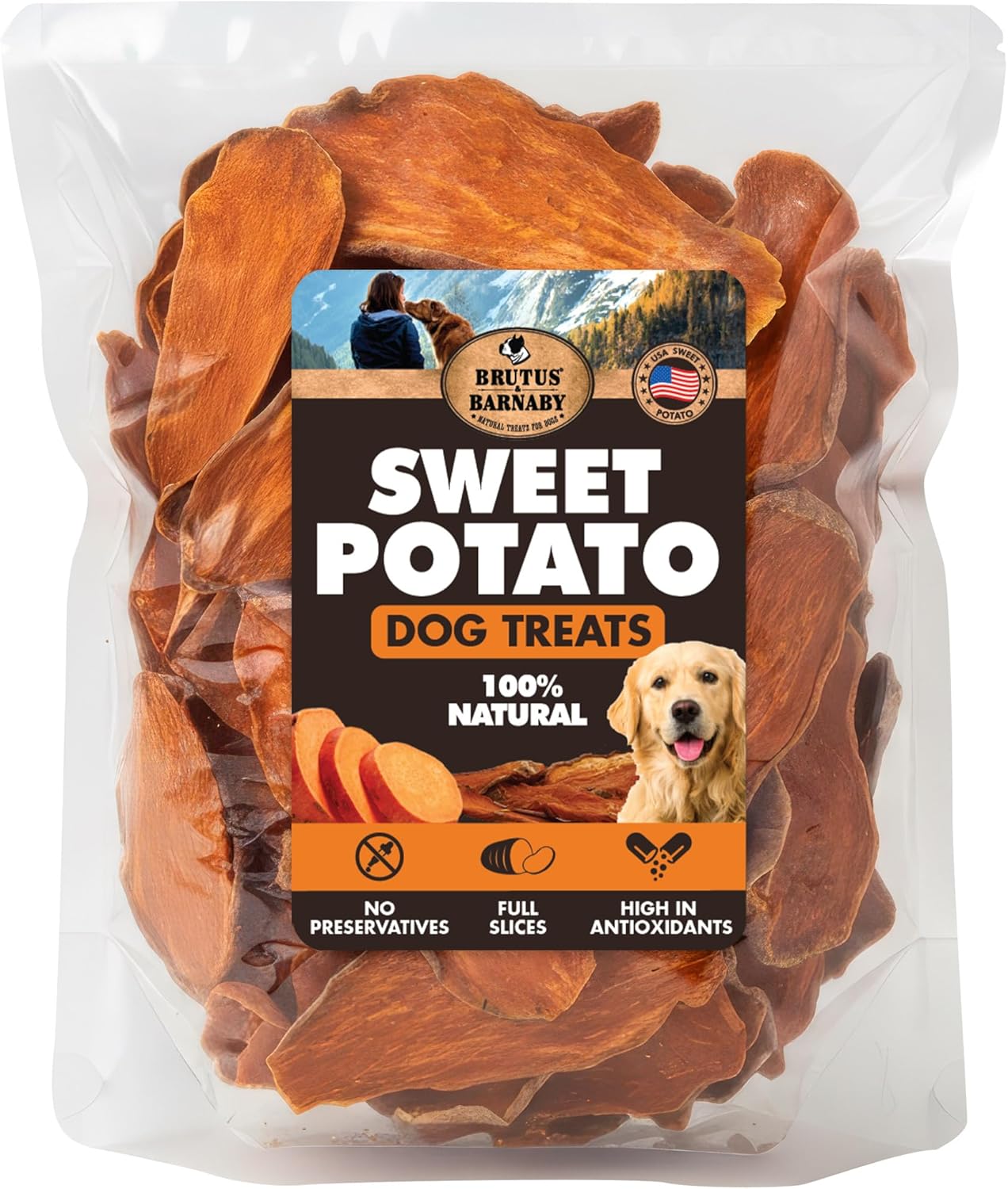
Sweet Potato Slices
A simple dog-friendly way to give your pup a sweet potato treat without butter, sugar, marshmallows, or table scraps.
- Simple everyday snack
- Great Thanksgiving alternative
- Easy way to avoid table scraps
Thanksgiving Foods You Shouldn’t Feed Your Dog
While a few plain ingredients can be safe, the general rule is still this: do not feed your dog Thanksgiving table scraps. Holiday dishes are usually too rich, fatty, salty, sugary, or heavily seasoned for dogs.
Call your vet urgently if your dog eats bones, xylitol, grapes, raisins, chocolate, large amounts of fatty food, or shows vomiting, diarrhea, weakness, bloating, pain, collapse, or unusual behavior.
Why Fatty Thanksgiving Foods Are a Problem
Ham, bacon, buttery mashed potatoes, casseroles, gravy, and turkey skin may seem like small treats, but they can be too rich for dogs. Fatty foods can cause vomiting, diarrhea, stomach pain, and in some cases may contribute to pancreatitis risk, especially in sensitive dogs.
It is much easier to prevent the problem than to deal with a sick dog after dinner. Tell guests not to feed your dog from the table, keep plates out of reach, and have dog-safe treats ready before the meal starts.
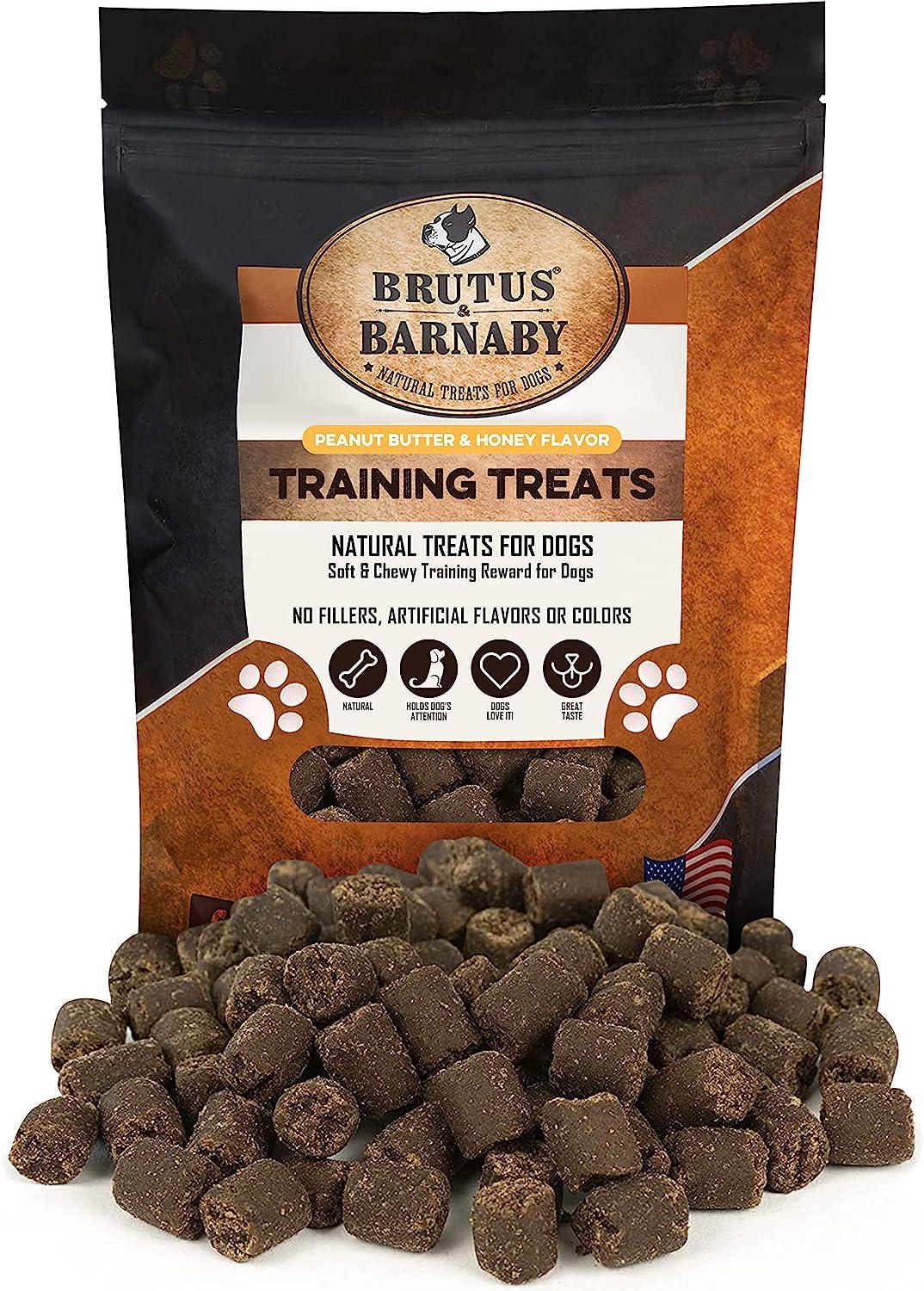
Peanut Butter & Honey Training Treats
Small training treats make it easier to reward your dog during a busy holiday without giving them fatty scraps from the table.
- Great for quick rewards
- Easy to portion
- Helpful for holiday manners
How to Include Your Dog in Thanksgiving Safely
Your dog does not need a full Thanksgiving plate to feel included. A little planning can make the day safer, calmer, and more enjoyable for everyone.
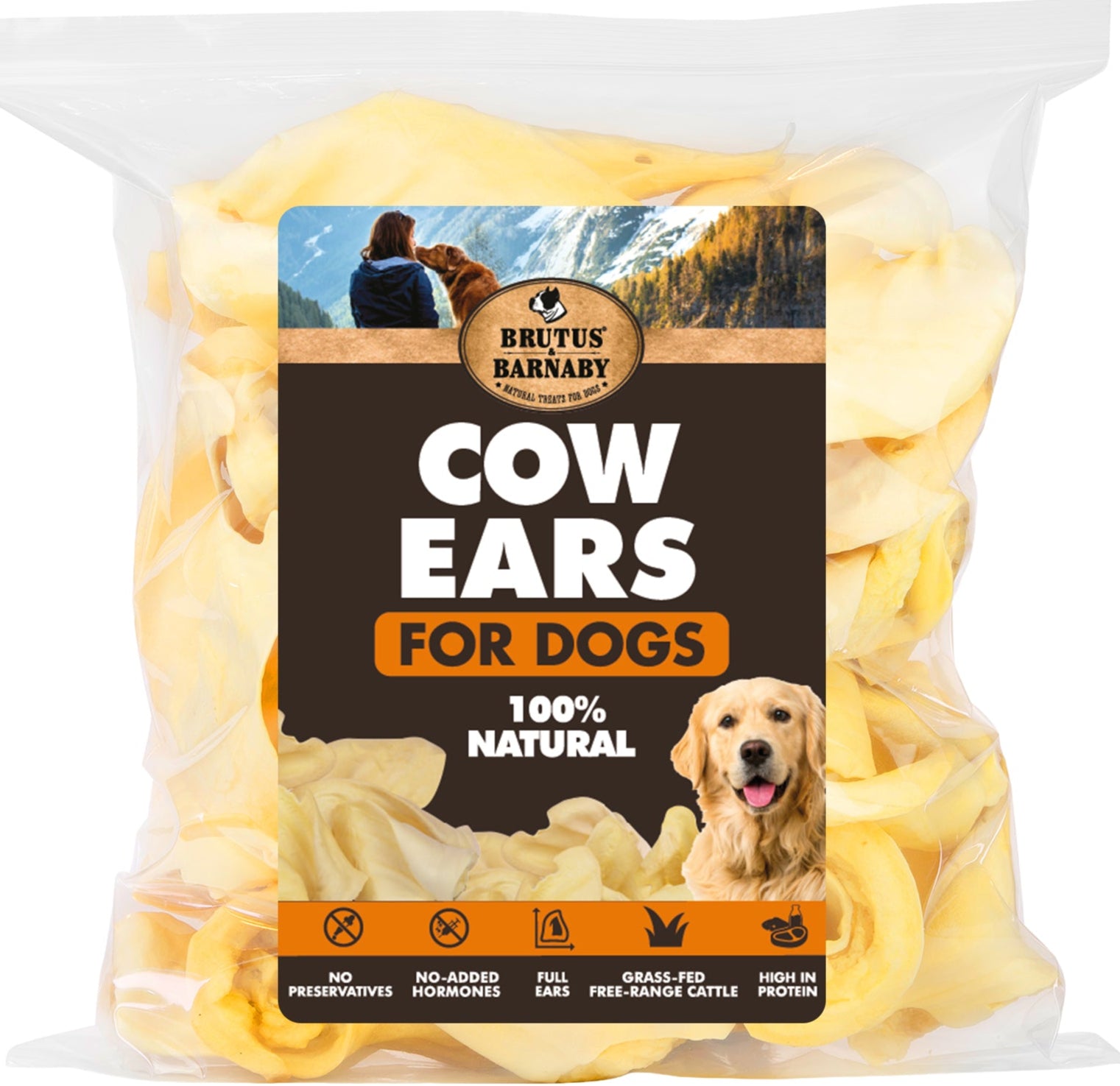
Cow Ears for Dogs
A rawhide-free chew option that can help keep your dog busy during supervised holiday downtime.
- Rawhide-free chew
- Crunchy texture dogs love
- Great for supervised enrichment
Frequently Asked Questions
Final Takeaway
Dogs can enjoy a small taste of Thanksgiving when the food is plain, simple, and safe. Plain turkey meat, green beans, pumpkin, sweet potatoes, peas, and apple slices may be okay for many dogs when served without seasoning, sugar, butter, bones, or sauces.
The safest holiday plan is to keep your dog’s regular routine, skip table scraps, secure the trash, tell guests not to feed your dog, and offer dog-safe treats or chews so your pup feels included without the risk.
Give Your Dog a Safe Thanksgiving Treat
Skip risky table scraps and choose treats made for dogs to enjoy during the holiday season.
Shop Dog Treats & Chews