



List of Foods That Are Bad for Dogs
Some human foods are harmless to us but dangerous for dogs. Learn which foods to avoid, what warning signs to take seriously, and what safe treat alternatives make more sense.
Dogs’ bodies are different from human bodies, and certain foods simply are not compatible with your dog. Some can cause stomach upset, while others can be toxic or even life-threatening.
As a concerned dog owner, it is important to remember that not everything humans eat should be shared with your pup. Foods that seem healthy or harmless to you — like grapes, onions, avocado, or sugar-free candy — may be dangerous for dogs.
Keep these foods in mind, be careful with what falls on the floor, and choose dog-safe treats instead of random table scraps. For more feeding guidance, read our guide to the 6 basic nutritional requirements your dog needs.
Emergency note: if your dog eats a potentially toxic food, do not wait for symptoms. Call your veterinarian, an emergency animal hospital, or pet poison control right away and tell them what your dog ate, how much, and when.
List of Foods That Are Bad for Dogs
Some foods are dangerous because they are toxic. Others are risky because they can cause choking, intestinal blockage, digestive upset, pancreatitis, or excess calories. When in doubt, do not feed it.
Important: toxic food risk depends on the food, amount, your dog’s size, and your dog’s health. But with xylitol, grapes, raisins, chocolate, onions, garlic, alcohol, and caffeine, it is safest to call a professional right away.
Other Foods and Items to Avoid
Not every risky food is poisonous in the same way. Some are dangerous because they can cause blockages, choking, broken teeth, digestive upset, or too much fat or salt.
Safe habit: keep trash cans closed, clear plates quickly, and teach a strong “leave it” cue so your dog is less likely to grab dropped food.
What Should You Feed Instead?
The safest routine is simple: stick to your dog’s normal complete and balanced food, then use dog-appropriate treats in moderation. Lean meats, plain cooked vegetables like sweet potato or pumpkin, and some dog-safe fruits may be okay for many dogs in small amounts, but they should not replace your dog’s main diet.
Avoid giving your dog random table scraps, especially meals that may contain hidden onions, garlic, butter, salt, sauces, spices, chocolate, or xylitol. If you want to reward your dog, choose treats made for dogs and introduce new items gradually.
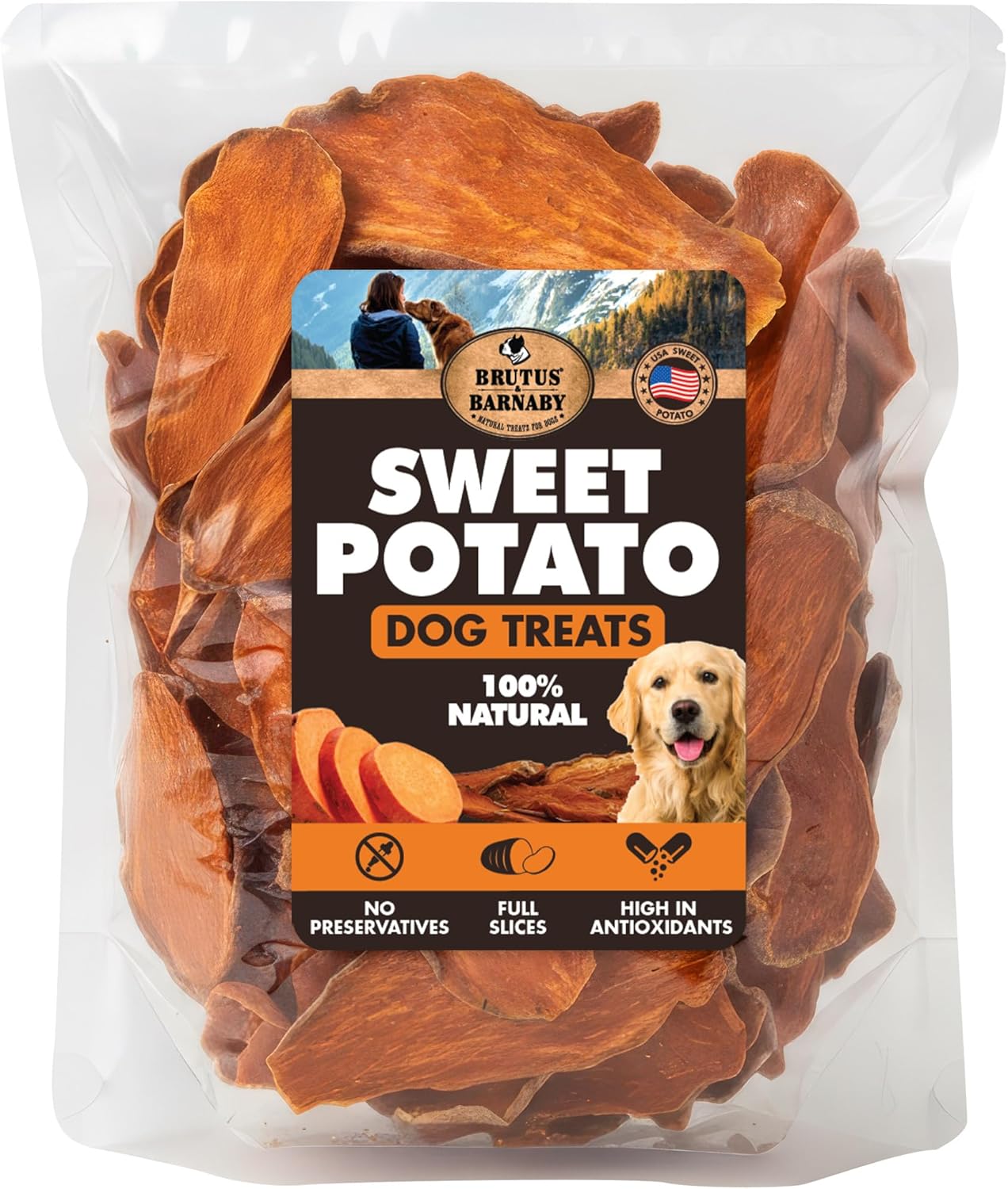
Sweet Potato Slices
A simple, dog-friendly treat option when you want something more appropriate than table scraps or human snacks.
- Simple plant-based snack
- Great for gentle treating
- Easy everyday reward
Human Sweets Are Not Dog Treats
Human sweets are one of the easiest ways for dogs to get into trouble. Candy, gum, baked goods, chocolate, diet desserts, and sugar-free snacks may contain ingredients that are unsafe for dogs. Xylitol is especially dangerous and can act quickly.
Instead of sharing sweets, keep dog treats on hand for rewarding good behavior. This gives your dog something enjoyable without the risk of hidden toxic ingredients.
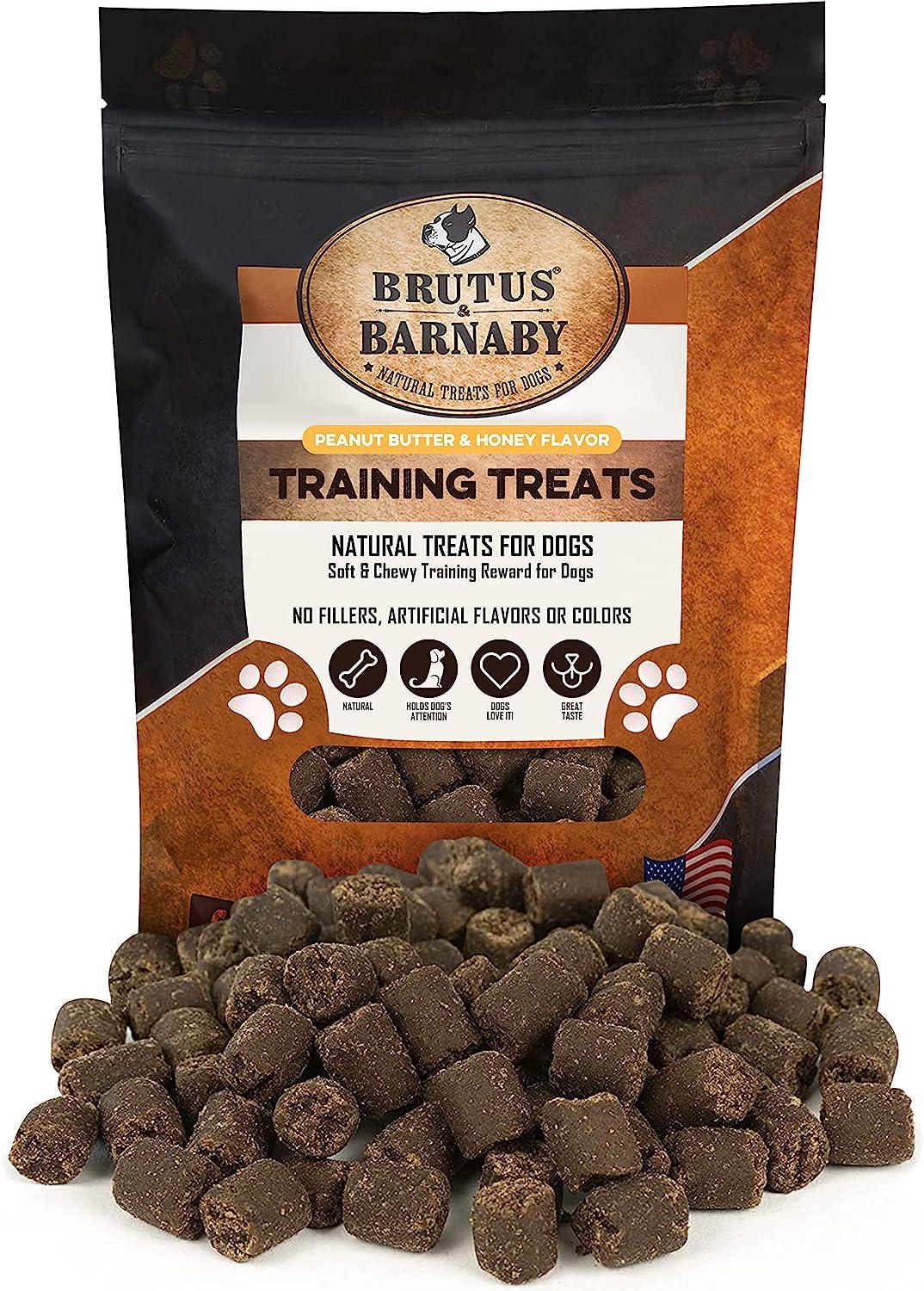
Peanut Butter & Honey Training Treats
Small training treats are useful when you want to reward your dog without sharing candy, cookies, or unsafe human snacks.
- Great for quick rewards
- Easy to portion
- Helpful for training routines
What to Do If Your Dog Eats Something Unsafe
If your dog eats something on this list, do not try to guess whether the amount was “enough” to be dangerous. Some toxins act quickly, and some symptoms may appear later. Fast professional guidance is safest.
Call urgently if you see: vomiting, weakness, collapse, seizures, tremors, pale gums, severe diarrhea, trouble breathing, extreme restlessness, or sudden behavior changes.
Frequently Asked Questions
Final Takeaway
Not every human food is safe for dogs. Xylitol, chocolate, grapes, raisins, onions, garlic, macadamia nuts, alcohol, caffeine, cooked bones, corn cobs, and fruit pits are all foods or items dog owners should take seriously.
The safest approach is to feed your dog their regular complete and balanced food, avoid table scraps, keep toxic foods out of reach, and use dog-appropriate treats when you want to reward them.
Choose Safer Treats for Your Dog
Skip risky table scraps and reward your dog with treats made for dogs.
Shop Dog Treats & Chews