



Puppy Won’t Eat Treats? Why It Happens and What to Try
If your 4-month-old puppy sniffs treats and walks away, they are not broken or untrainable. They may simply need a softer texture, smaller reward, gentler flavor, or better training setup.
You’ve got your new puppy home, you’re excited to start training, and you reach for a treat — only to watch your 4-month-old sniff it, turn away, and lose interest entirely. If your puppy won’t eat treats, you’re not alone. A puppy rejecting treats is usually sending you a specific message: the texture may hurt, the flavor may be too strong, the piece may be too big, or the training moment may feel overwhelming.
Why 4 Months Can Be Peak Puppy Pickiness
Around 4 months old, many puppies are moving through an uncomfortable teething phase. Baby teeth are loosening, adult teeth are starting to come in, and your puppy’s mouth can feel sensitive from week to week. That changes how they respond to texture, chewing pressure, and even strong smells.
A treat that worked last week may suddenly feel too hard today. A smell that makes an adult dog drool may feel overpowering to a young puppy. That does not mean your puppy is stubborn. It means you need to match the reward to their current stage.
Key insight: if your puppy is rejecting treats but still eating meals normally, the issue is often texture, treat size, flavor intensity, or training timing — not a lack of trainability.
The Teething Timeline and Treat Rejection
Every puppy is different, but this general timeline helps explain why treat preferences shift so quickly:
- 8–12 weeks: many puppies enjoy soft rewards and tiny food pieces.
- 12–16 weeks: teething discomfort can make hard, crunchy, or dense treats less appealing.
- 16–24 weeks: chewing urges often increase, but mouth sensitivity may still come and go.
- 6–7 months and beyond: adult teeth settle in and many puppies tolerate more textures.
Why Your Puppy Rejects Treats: The 5 Most Common Reasons
Before you assume your puppy has a behavior problem, look at the treat itself and the training environment. Most puppy treat refusal comes down to fit.
Treats Puppies Often Refuse
Rewards That Work Better
1. Texture Is Too Hard for Tender Teeth
Hard, crunchy, or chewy treats may be uncomfortable when your puppy’s gums are sore. Switch to softer pieces that do not require grinding or heavy chewing.
2. Flavor Is Too Strong
Highly processed treats can smell intense. Young puppies may prefer simpler, gentler flavors like chicken, sweet potato, apple, pumpkin, or peanut butter.
3. Your Puppy Had a Bad Experience
A treat may have been too large, stuck in the mouth, or caused mild stomach upset. Rebuild confidence with very small pieces and no-pressure exploration.
4. Food Is Not the Main Motivator Yet
Some puppies are more excited by toys, movement, praise, or touch. Pair treats with play instead of expecting food to do all the work by itself.
5. The Treat Is Too Big
Training treats should be tiny. For a young puppy, think pea-sized or smaller. The reward should disappear quickly so the puppy can stay focused.
What Actually Works: Training and Treat Strategies
Once texture and size are fixed, the next step is making treats feel exciting. Pair treats with your puppy’s favorite experiences: play, praise, movement, and short wins.
- Offer a treat right after a fun play session.
- Use a happy voice and celebrate when your puppy takes even a tiny piece.
- Keep training sessions under 2 minutes at first.
- Use high-value treats only for breakthrough moments.
- Try a different room, yard, or low-distraction space if your puppy ignores treats indoors.
Training tip: the reward should be small enough that your puppy can eat it in one second. If they have to stop, chew, and think about it, the treat is interrupting the lesson.
Best Brutus & Barnaby Treats for Picky Puppies
These are the best B&B products to place in this article because they match the problem: soft rewards, small pieces, picky puppy interest, and gentle treat introduction. Always break treats into puppy-sized pieces and supervise your dog.

Sweet Potato & Chicken Soft Training Treats
Tiny soft rewards that are ideal when your puppy needs fast training cycles without long chewing pauses.
- Soft, bite-sized pieces
- Best for puppy training
- Great for frequent rewards
- Made with real chicken and sweet potato
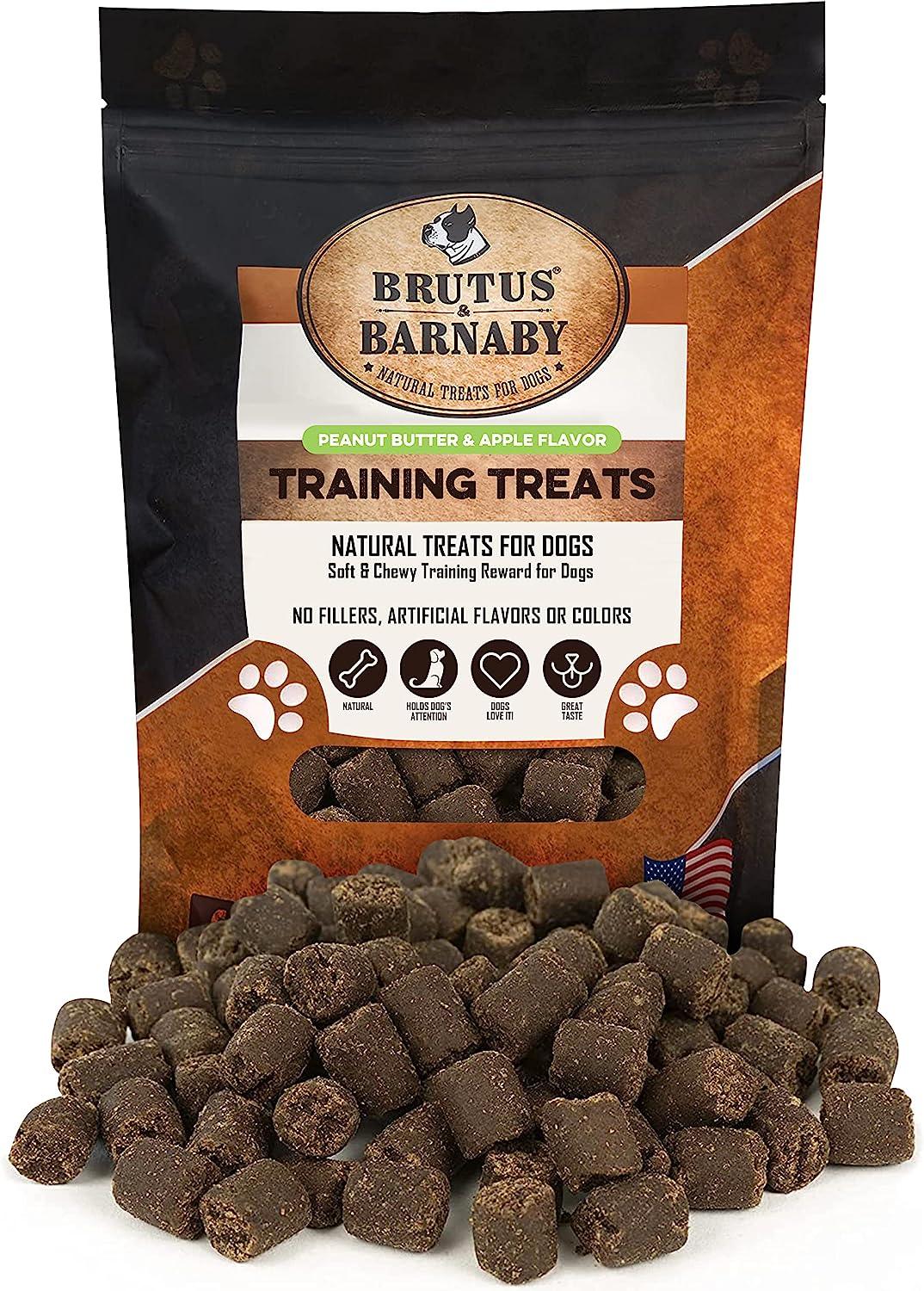
Peanut Butter & Apple Soft Training Treats
A soft, bite-sized option for positive reinforcement when your puppy needs a quick reward that does not slow the session down.
- Soft bites for fast rewards
- Good for puppy training
- Useful for frequent reward moments
- Peanut butter and apple flavor
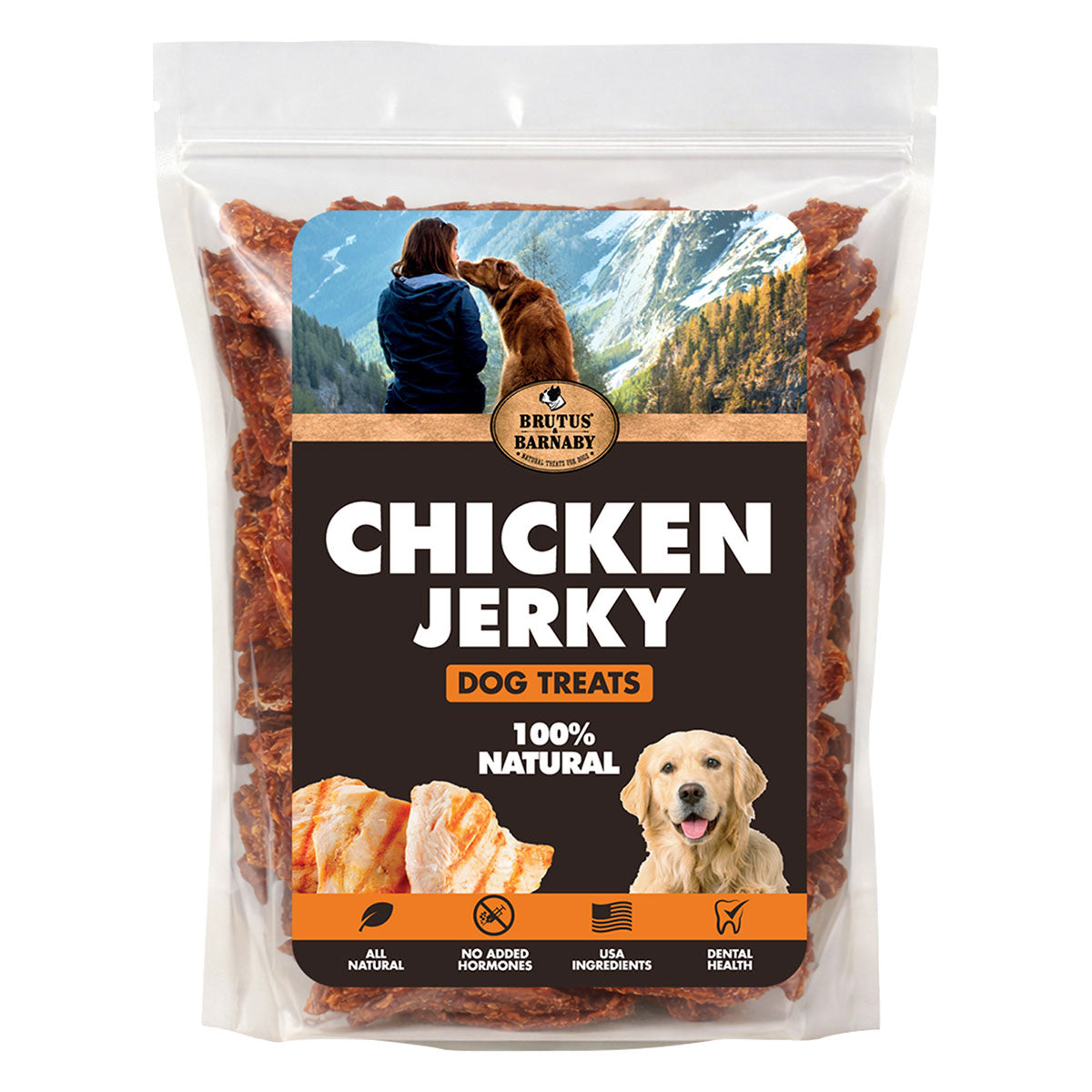
Chicken Jerky
A high-value real chicken reward for picky eaters. Break into tiny pieces before using with puppies.
- Made from USA chicken breast
- Single-ingredient treat
- Great for picky eaters
- Break into small puppy-sized pieces
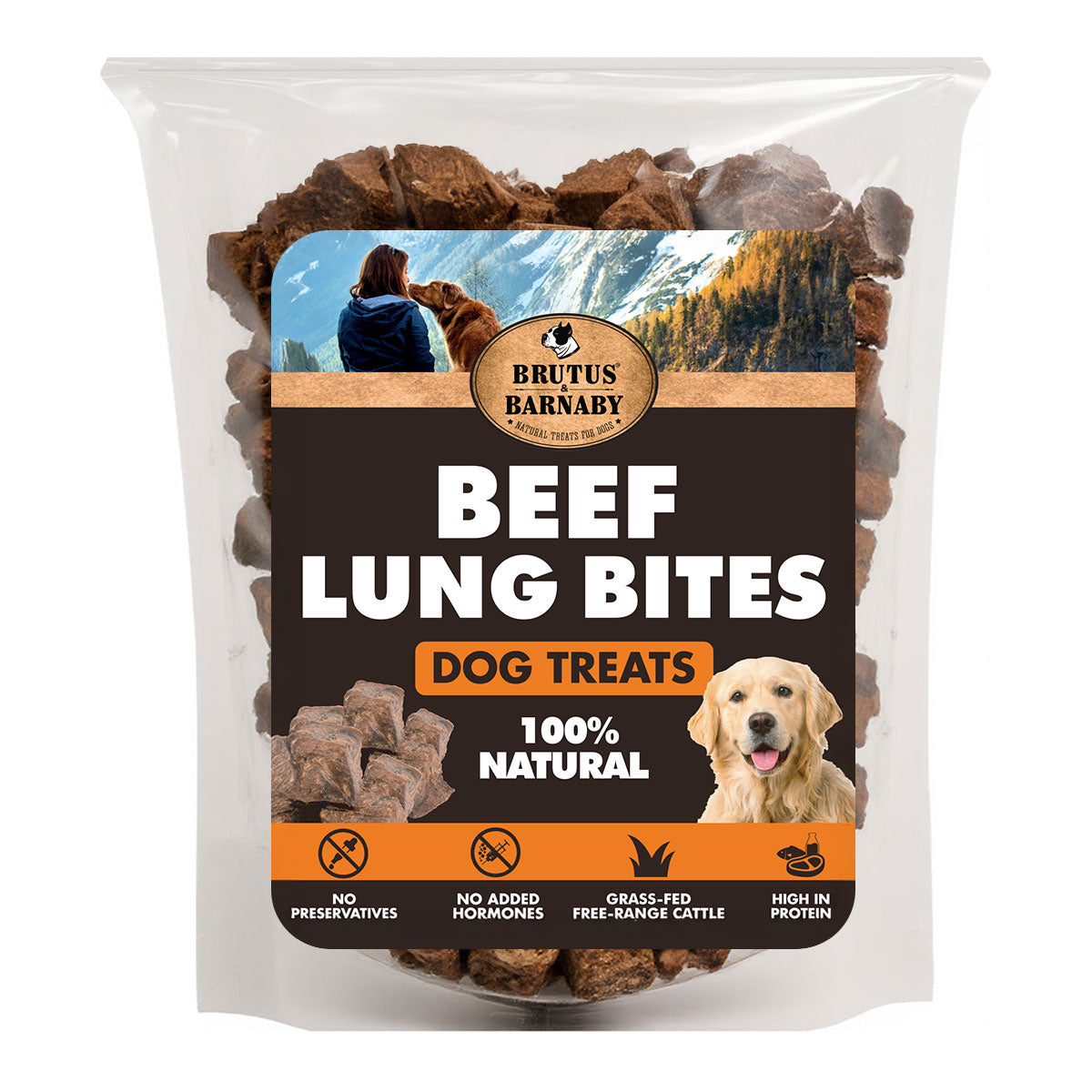
Beef Lung Bites
A meaty, high-protein reward that works well once your puppy is ready for light crunch. Break smaller for younger puppies.
- 100% beef lung
- Great for training rewards
- High-protein reward option
- Best when broken into small pieces
When Treat Rejection Needs a Vet Check
Treat rejection is usually developmental or sensory, but contact your vet if your puppy refuses regular food, seems painful, or shows other symptoms.
- Refusal of all food, not just treats.
- Excessive drooling with trouble swallowing.
- Swollen, bleeding, or very painful gums.
- Bad breath or visible tooth issues.
- Vomiting or diarrhea after eating.
- Lethargy or behavior changes along with appetite changes.
A 4-Week Plan to Build Treat Enthusiasm
Once you find a texture your puppy accepts, use a gentle progression instead of pushing too hard too fast.
Frequently Asked Questions
Make Puppy Training Easier
Start with soft, tiny rewards your puppy can enjoy quickly. Brutus & Barnaby training treats help keep sessions simple, positive, and puppy-friendly.
Shop Puppy-Friendly Treats