



How Much Should You Feed Your Dog?
Feeding the right food matters, but feeding the right amount matters too. Learn how size, activity level, age, treats, and routine affect how much your dog should eat each day.
Feeding your dog the correct nutrients is vital to their health, but feeding the correct amount is just as important.
Despite your dog’s begging, there is a correct amount. Too little food can leave your dog undernourished, while too much food can contribute to weight gain and related health concerns. The right amount depends on your dog’s size, age, body condition, activity level, metabolism, food type, and treat intake.
This guide will help you understand how much to feed your dog, how often to feed them, how treats fit into the plan, and why exercise matters. For a broader nutrition overview, read our guide to the 6 basic nutritional requirements your dog needs.
How Much Should You Feed Your Dog?
Dogs require enough nutrients and calories to meet their energy needs and maintain healthy body tissues. The amount you feed should be based on your dog’s size and energy output. A large breed dog, such as a Mastiff or German Shepherd, will usually need more food than a small breed, such as a Pekingese or Dachshund.
Activity level matters too. An energetic dog who runs, plays, hikes, or works may need more calories than a sedentary house dog. Weather can also play a role, especially if your dog spends time outside in extreme heat or cold.
Dogs That May Need More Food
Dogs That May Need Less Food
Simple rule: start with the feeding guide on your dog food label, then adjust based on body condition, activity level, treats, and your veterinarian’s advice.
Why Overfeeding Is So Easy
Feed your dog too much, and they may gain unhealthy weight over time. Extra weight can increase stress on joints and may contribute to other health problems. The easiest way to overfeed a dog is not always the main meal — it is often table scraps, extra snacks, and high-calorie treats throughout the day.
That does not mean treats are bad. It means treats should be chosen carefully and counted as part of the day’s total intake. Quality treats in moderation are much better than constant table scraps or random human food.
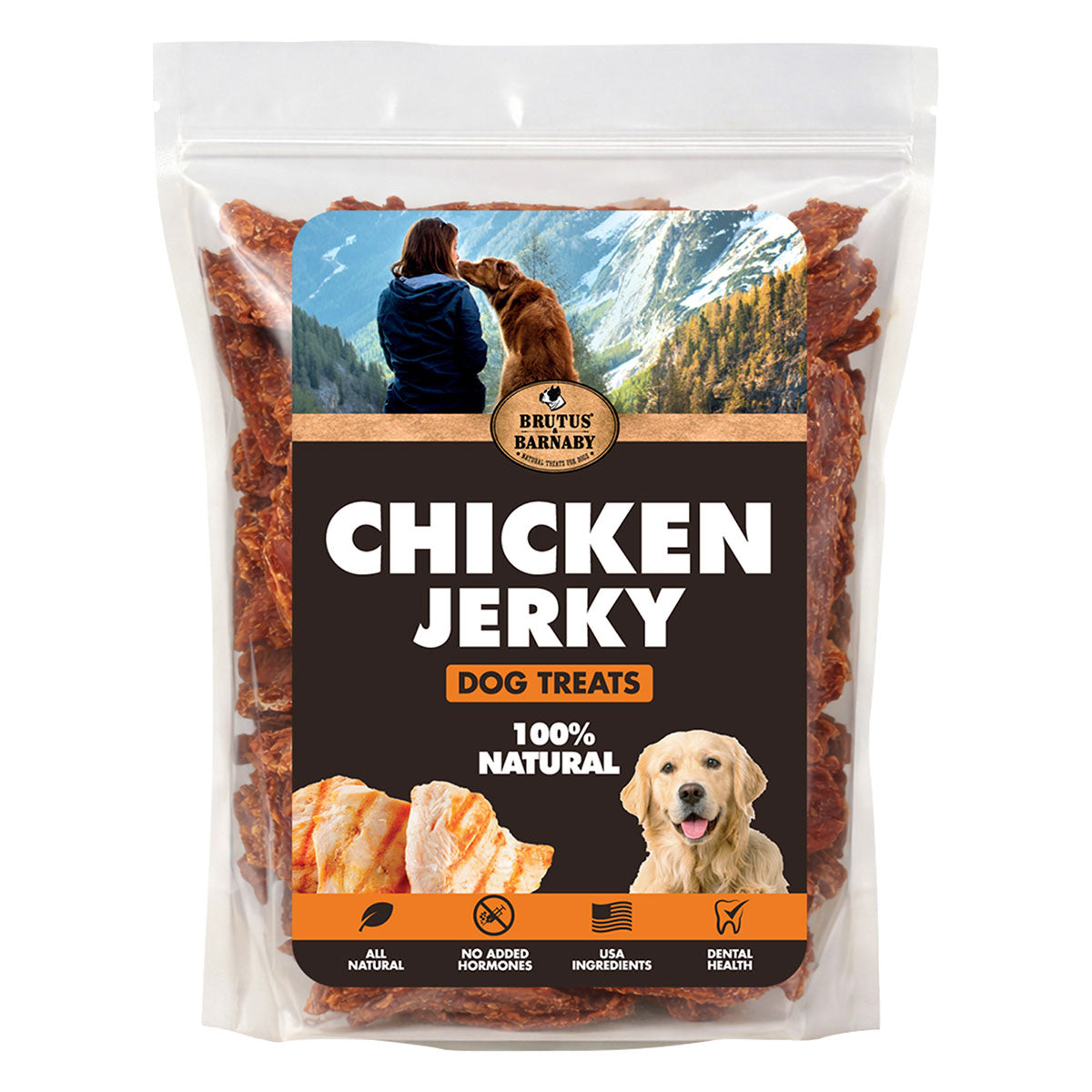
Chicken Jerky Dog Treats
A lean, protein-rich treat option for dog parents who want to reward their pup without relying on table scraps.
- Protein-packed reward
- Great for dogs who love chicken
- Simple treat option for daily routines
How Often Should You Feed Your Dog?
Many adult dogs do well with two meals per day, spaced roughly 8 to 12 hours apart. This can help keep hunger, digestion, and energy more predictable throughout the day.
Puppies have different needs because they are growing. Depending on age, breed, and size, puppies may need three to four meals per day. Large-breed puppies need especially careful feeding guidance because growth rate and body condition matter.
More important than frequency: the total daily amount matters most. Two meals that are too large can still lead to weight gain.
Dog Food Feeding Amount
Most dog food bags list general feeding amounts on the back of the package. Use those recommendations as a starting point, then factor in your dog’s activity level, treats, age, body condition, and whether they need to gain, lose, or maintain weight.
Practical tip: measure your dog’s food instead of guessing. A real measuring cup or kitchen scale can help keep portions consistent.
Healthy Treats to Give Your Dog
Your dog may beg for more food with those irresistible puppy eyes. The trick is not to give in every time, but to build a smart treat routine. Treats should be given in moderation and should fit into your dog’s total daily intake.
Choose treats that match your dog’s size, chewing style, and calorie needs. Small training treats work well for frequent rewards. Longer chews are better for supervised enrichment. Toppers can help picky eaters enjoy regular meals without turning every meal into table scraps.
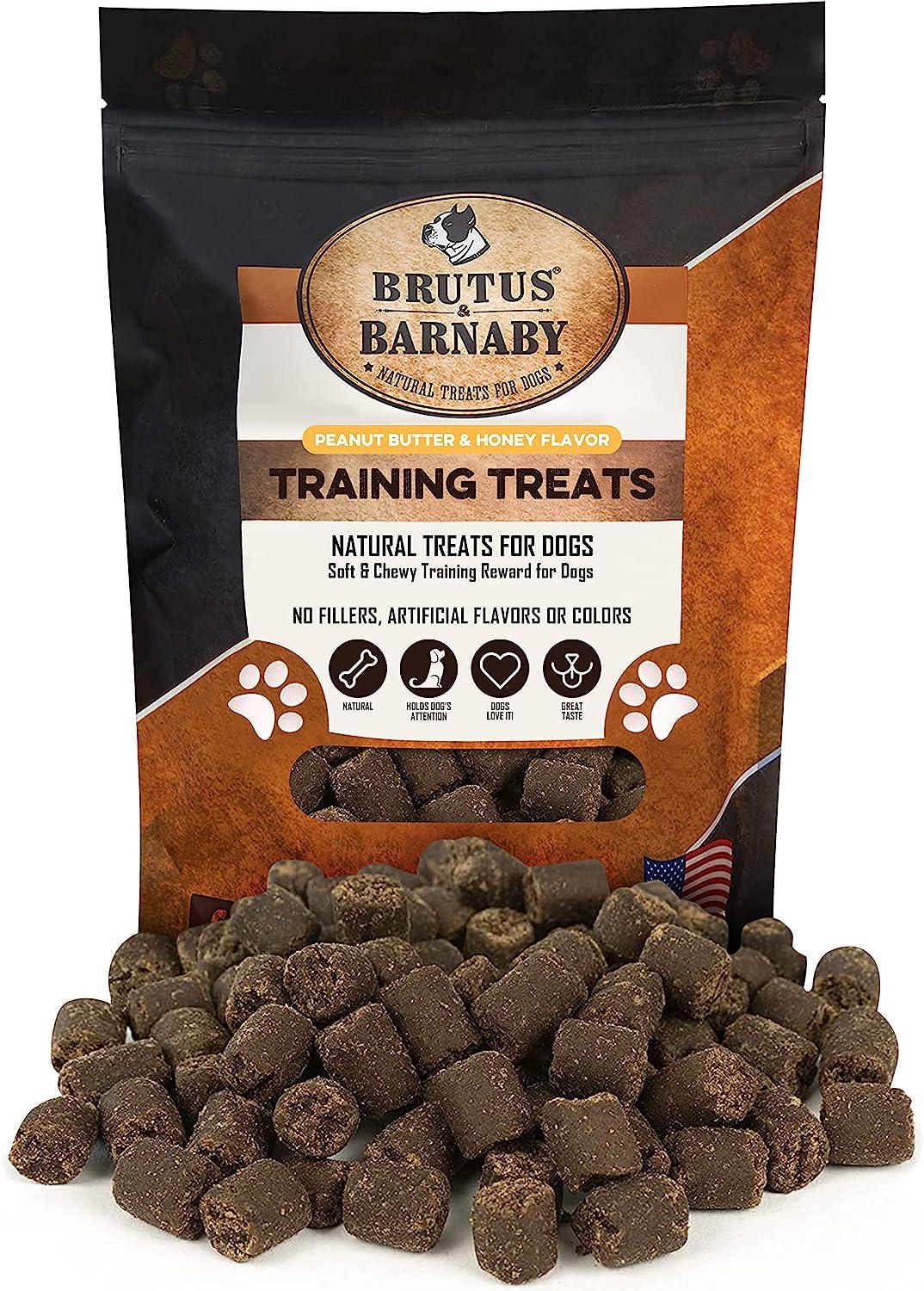
Peanut Butter & Honey Training Treats
Small training treats make it easier to reward good behavior without giving large snacks every time your dog asks.
- Great for quick rewards
- Easy to portion
- Helpful for training routines
Exercise Helps Balance the Bowl
Exercise is another important part of healthy weight management. Walking, playing, running, and enrichment help your dog burn energy, maintain muscle, reduce boredom, and support overall wellbeing.
A dog who exercises regularly may have different calorie needs than a dog who spends most of the day indoors. If your dog’s activity changes — for example after surgery, during hot weather, in senior years, or during a new routine — their food amount may need to change too.
Frequently Asked Questions
Final Takeaway
Feeding your dog the right amount is one of the simplest ways to support their long-term health. Start with your dog food label, divide the daily amount into appropriate meals, measure portions, and adjust based on your dog’s weight, activity, and body condition.
Treats are part of the routine too. Choose quality dog treats, use them in moderation, avoid table scraps, and keep your dog active. A steady feeding plan can help your dog stay healthy, happy, and ready for every walk, game, and adventure.
Reward Smarter Between Meals
Choose treats that fit your dog’s routine, training needs, and portion goals.
Shop Treats & Chews