



Bringing a New Dog Home: 4 Things Every First-Time Dog Owner Should Know
Bringing home a dog is exciting, emotional, and life-changing. Here’s how to choose the right dog, prepare your home, handle the first day, and build a routine that helps your new best friend settle in.
They’re soft, they’re furry, and they’re absolutely adorable. Bringing a new dog home for the first time can be an indescribable moment filled with happiness and joy — but it is also a big responsibility.
```Owning a dog is a major step in life, and it should not be taken lightly. Dogs need time, patience, structure, training, daily care, safe food, regular vet visits, and a home where they can feel secure. Before signing adoption papers or bringing a puppy home, it helps to think through the practical side of dog ownership.
Here are four important things to know when deciding to bring a pet dog into your home — from choosing the right dog to building a daily routine that helps them thrive. For more helpful dog care guides, visit the Brutus & Barnaby dog tips blog.
1. How to Choose Your Pet
When you’re considering adopting a dog, breed, size, temperament, age, and energy level all matter. There is a huge difference between a Mastiff and a Maltese, and before you make a final decision, you should think about which type of dog is the best fit for your home, schedule, budget, and lifestyle.
If you are prone to allergies, you may want to avoid dogs that are heavy shedders. If you live in a smaller apartment, you may need to think carefully before bringing home a large, high-energy breed. Larger dogs typically need more space to move around, and many working breeds need consistent exercise and mental stimulation to stay happy.
Questions to Ask First
Common Mismatches
Simple rule: choose the dog that fits your real life, not just the dog that looks cute in a photo.
2. How to Prepare Your Home
Once you are sure the dog you are considering is a good fit for you and your home, start preparing before the first day. There are entire stores dedicated to pet care, and it is easy to feel overwhelmed by food, beds, crates, bowls, toys, treats, supplements, grooming tools, and accessories.
Since this is your first dog, keep things simple. Start with the essentials: appropriate food, food and water bowls, a collar or harness, leash, ID tag, crate or safe resting area, cleaning supplies, poop bags, and a few safe training rewards. Once you get to know your dog better, you can slowly add toys, treats, chews, and other fun accessories.
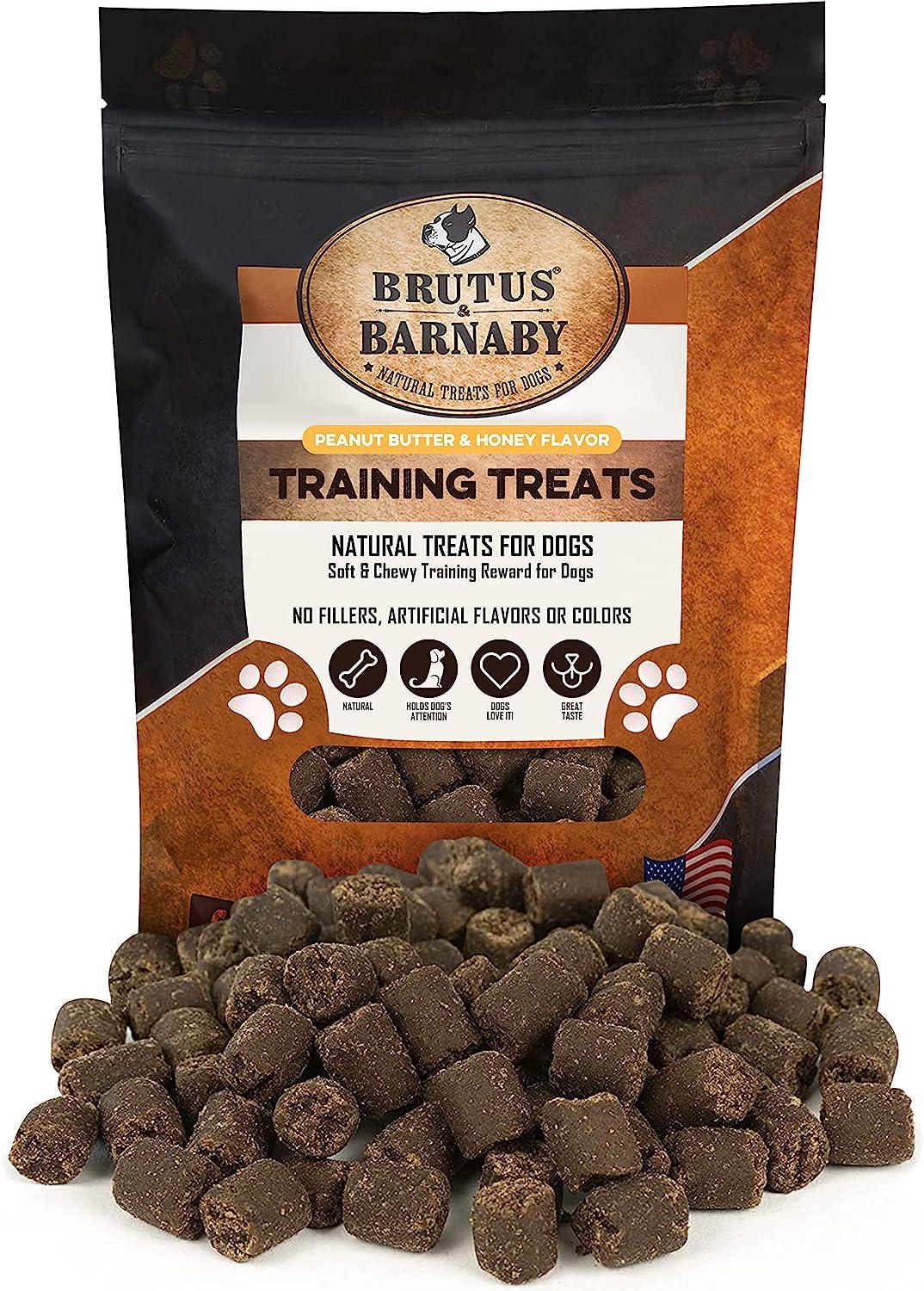
Peanut Butter & Honey Training Treats
Small, soft rewards can help your new dog learn their name, come when called, settle calmly, and build trust during the first few days at home.
- Great for basic training
- Easy to portion into small rewards
- Helpful for first-day bonding
3. How to Handle the First Day
When you bring your dog home for the first time, keep your expectations realistic. They may not instantly warm up to you or their new environment. Some dogs want to explore right away, while others may hide, freeze, pace, whine, or sleep more than expected.
It can help to block off one room or create a calm “safe zone” so your dog is not overwhelmed by the entire house. Give them water, a comfortable resting spot, and space to observe. Keep things calm, quiet, and kind. If your dog was adopted or rescued, remember that they may have experienced neglect, stress, or instability before coming home.
First-day mindset: your goal is not perfection. Your goal is safety, calm, and a gentle first impression.
4. How to Handle Every Day After the First
It may take a while before your dog is used to you, and it may take a while for you to adjust to living with a dog. That is completely normal. The best advice for raising a pet is to keep things as regular as possible.
Take your dog out to relieve themselves at consistent times throughout the day. Feed meals on a predictable schedule. Create regular walk times. Use short training sessions. There will be a learning curve, and you are sure to encounter a few messes along the way.
Home care tip: invest in a good pet stain and odor remover early. Accidents are normal during the adjustment period, especially with puppies, rescues, and nervous dogs.
Over time, you’ll start to know all the little quirks and personality your dog has to offer. The more time you spend laughing, playing, training, and caring for your dog, the deeper your bond will grow. It is a lot of work to be a pet owner, but few things in life are as rewarding.

Sweet Potato Slices
A simple, gentle treat option for building everyday routines, rewarding calm behavior, or giving your dog something wholesome between meals.
- Simple plant-based snack
- Great for gentle treating
- Helpful for new dog routines
Helping Your Dog Settle In Long-Term
The first few weeks are about learning each other. Your dog is learning your voice, your schedule, your home, and your expectations. You are learning their body language, bathroom habits, food preferences, energy level, and comfort zones.
This is also the time to introduce treats and chews carefully. Do not overwhelm your dog with too many new foods at once. Start slowly, supervise chew time, and choose treats that match your dog’s size, age, chewing style, and stomach sensitivity. You can also read our guide on how to safely introduce new chews into your dog’s diet.
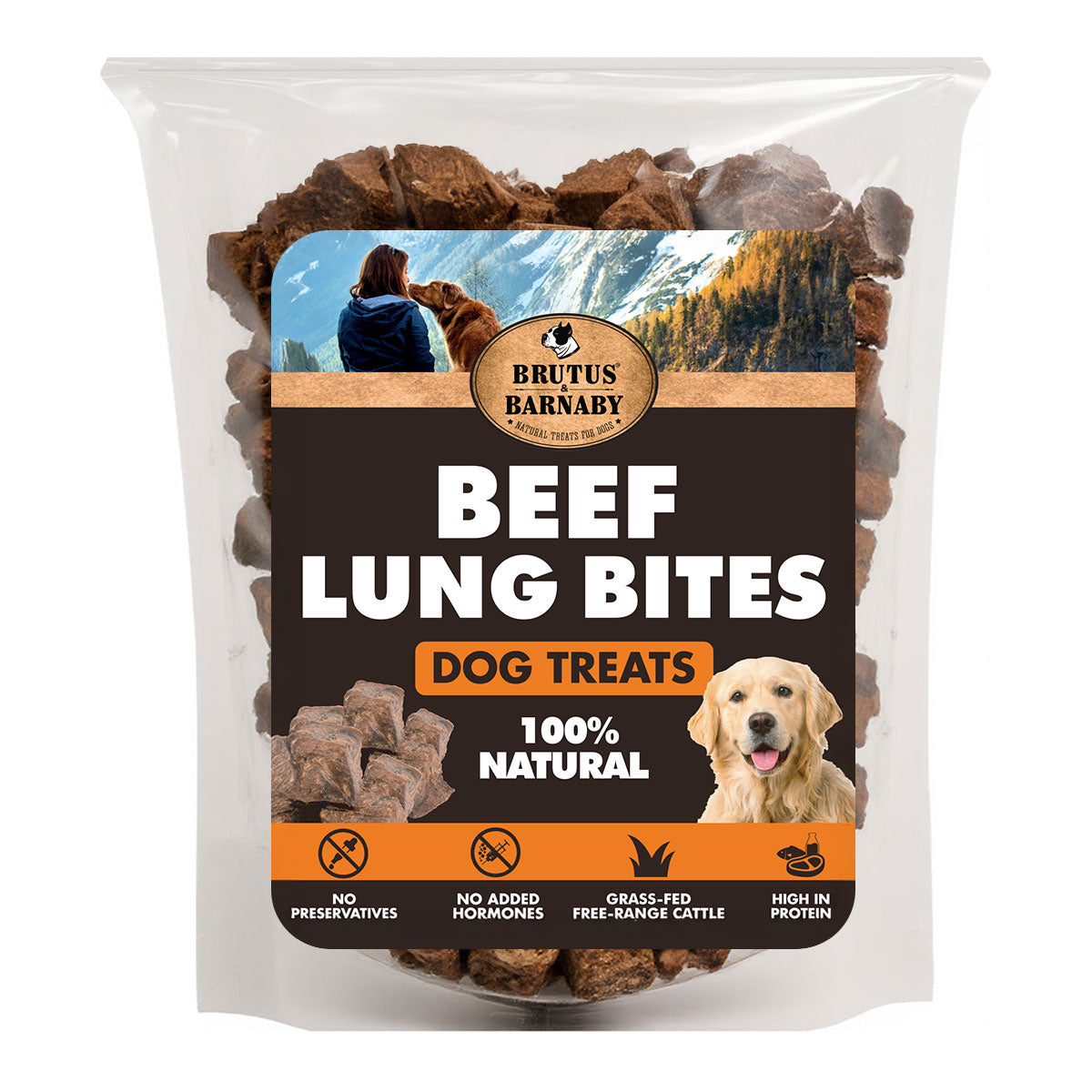
Beef Lung Bites
Light, easy rewards are useful for short training sessions while your new dog learns basic cues, house manners, and confidence.
- Easy to use as quick rewards
- Great for basic training
- Simple protein-rich treat option
Frequently Asked Questions
Final Takeaway
Bringing a new dog home is exciting, but it also comes with responsibility. The best start comes from choosing the right dog for your lifestyle, preparing your home, keeping the first day calm, and building a steady routine after that.
With patience, structure, safe rewards, and lots of kindness, your new dog can learn to trust you and feel at home. Over time, the bond you build will become one of the most rewarding parts of your life.
Start Your New Dog’s Routine Right
Build trust with simple training, safe treats, supervised chew time, and a routine your dog can count on.
Shop Dog Treats & Chews