



Turmeric for Dogs: Benefits, Safety & How to Use It
Turmeric is popular for joint, inflammation, and wellness support — but it is still a supplement. Learn what it may support, when to be cautious, and how to talk to your vet before adding it to your dog’s routine.
Have you heard about the health benefits of turmeric? This golden spice is widely discussed for its antioxidant and anti-inflammatory properties, and many dog parents wonder whether it can help support their dog’s joints, digestion, skin comfort, and overall wellness.
```The key is to think of turmeric as supportive — not as a replacement for veterinary care, medications, or a diagnosis. Turmeric may be useful for some dogs, but it is not right for every dog, especially dogs taking medications or dealing with existing health issues.
This guide explains what turmeric is, why curcumin gets so much attention, how dog parents commonly use it, and what safety questions to ask before adding it to your dog’s routine. For more wellness and treat guidance, explore the Brutus & Barnaby dog tips blog.
What Is Turmeric?
Turmeric comes from a plant in the same family as ginger. When dried and ground, it has a bright yellow color and bold flavor. It has been used for centuries in food and traditional wellness practices.
The main compound people talk about is curcumin. Curcumin is associated with anti-inflammatory and antioxidant activity, which is why turmeric is commonly included in joint-support and wellness supplements. Veterinary references list turmeric among botanical products with anti-inflammatory and analgesic attributes, but they also note possible side effects and drug interactions.
Simple definition: turmeric is the spice; curcumin is one of the main active compounds that gives turmeric much of its wellness reputation.
How Can Turmeric Support Your Dog?
Turmeric supplementation is often discussed for several areas of dog wellness. The safest way to present these benefits is as support — not guaranteed treatment. If your dog has pain, allergies, cancer, liver disease, digestive disease, or eye issues, your veterinarian should guide the care plan.
Joint & Inflammation Support
Medical Conditions
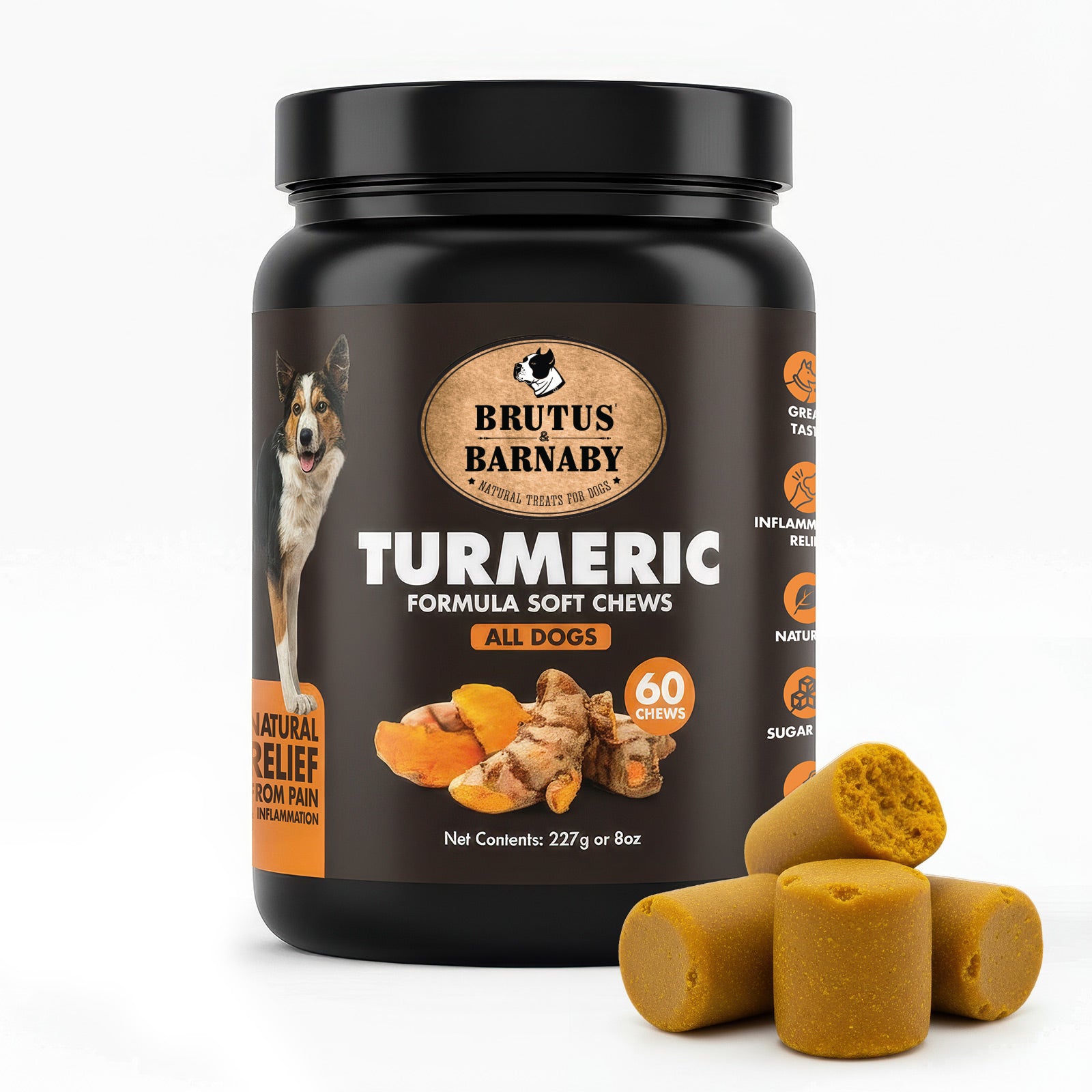
Turmeric Soft Chews for Dogs
A simple way to add turmeric-style wellness support to your dog’s routine without measuring powder or making paste.
- Convenient soft chew format
- Easy to add to daily routine
- Great for dogs who dislike powders
- Use with vet guidance if your dog has medical conditions
Is Turmeric Right for My Dog?
Many dogs tolerate turmeric well, but not every dog should take it. Always check with your vet before adding turmeric or any supplement, especially if your dog takes medication, has a diagnosed condition, is scheduled for surgery, or has a sensitive stomach.
Safety first: never stop prescribed medication or replace veterinary treatment with turmeric. Supplements should be discussed as part of your dog’s overall care plan.
How to Find the Right Turmeric Supplement for Your Dog
There are several ways to give turmeric to your dog. The right option depends on your vet’s advice, your dog’s tolerance, and how accurately you want to dose it.

Beef Liver Dog Food Topper
If your dog is picky with powders or supplements, a flavorful meal topper can make daily routines easier while keeping mealtime exciting.
- Great for picky dogs
- Easy to sprinkle over meals
- Helpful for building a consistent routine
How to Add Turmeric to Your Dog’s Routine Safely
The safest approach is simple: ask your vet, choose a dog-appropriate product, start low, and monitor your dog’s response. If you are also introducing new treats, chews, or toppers, go slowly so you can tell what your dog tolerates well. You can also read our guide on how to safely introduce new chews into your dog’s diet.
-
1Ask your vet first. This is especially important if your dog takes medications, has a chronic condition, or is scheduled for surgery.
-
2Choose a dog-specific product. Avoid human supplements that may contain unsafe sweeteners, extra herbs, or concentrations that are not appropriate for dogs.
-
3Start gradually. Watch for vomiting, diarrhea, gas, bloating, appetite changes, itching, or behavior changes.
-
4Track results honestly. If you are using turmeric for mobility, comfort, or digestion, keep notes and review them with your vet.

Superfood Dog Food Topper
For dogs who need mealtime variety, a superfood-style topper can support a more enjoyable daily routine alongside vet-approved wellness choices.
- Easy meal enhancer
- Great for bored or picky eaters
- Simple way to refresh daily meals
Frequently Asked Questions
Final Takeaway
Turmeric can be a useful wellness supplement for some dogs, especially when used thoughtfully for joint and inflammatory support. But it is still a supplement, and it can interact with medications or worsen certain conditions.
Talk to your vet first, choose a dog-specific product, introduce it gradually, and monitor your dog’s response. For an easy option, explore Turmeric Soft Chews for Dogs, or browse our full treats, chews, and toppers collection for more daily routine support.
Support Your Dog’s Daily Wellness
Add turmeric-style support in an easy soft chew format — with vet guidance for dogs on medications or with health conditions.
Shop Turmeric Chews