



Glucosamine & Chondroitin for Dogs: Natural Joint Support Sources
Joint stiffness, arthritis, and mobility changes are common concerns for dog parents. Learn what glucosamine and chondroitin are, why they’re often discussed for joint support, and how natural cartilage-rich chews may fit into a healthy routine.
Does your dog suffer from joint pain, stiffness, or trouble getting up? You are not the only concerned dog owner thinking about mobility, comfort, and long-term joint health.
Joint problems, including osteoarthritis, are common in dogs. Senior dogs, large breeds, overweight dogs, athletic dogs, and dogs with previous injuries may be especially vulnerable. Even if your dog is not currently showing signs of joint discomfort, understanding joint support can help you make better decisions about diet, exercise, chews, supplements, and veterinary care.
This guide explains what dog joint pain can look like, why glucosamine and chondroitin are often discussed, and which natural animal-based chews may provide cartilage-rich support as part of a balanced routine. For more helpful dog wellness articles, explore the Brutus & Barnaby dog tips blog.
Important note: if your dog is limping, painful, reluctant to move, or suddenly less active, talk to your veterinarian. Treats and chews can support a routine, but they are not a substitute for diagnosis or treatment.
Dog Joint Pain: What It Is and Why It Matters
Osteoarthritis, also called degenerative joint disease, is a progressively worsening joint condition associated with cartilage wear, inflammation, stiffness, and discomfort. It is especially common in senior dogs and large breeds, but it can affect dogs of many ages and sizes.
If your dog is experiencing stiffness, limping, difficulty getting up, reluctance to jump, less interest in play, irritability, or changes in behavior, joint discomfort may be part of the picture. Dogs often hide pain for as long as they can, so subtle changes matter.
Common Mobility Signs
Why It Affects Quality of Life
Chondroitin and Glucosamine: Common Joint-Support Nutrients
If you have searched for ways to support your dog’s joints, you have probably heard of chondroitin and glucosamine. These two nutrients are often used together in joint-support supplements because both are associated with cartilage and joint function.
They are not magic cures, and they should not replace veterinary care, especially if your dog is in pain. But they are commonly discussed as part of a long-term support plan that may also include weight management, regular low-impact exercise, physical therapy, medications, supplements, and diet changes recommended by your vet.
Best practice: ask your veterinarian before adding supplements or using chews as part of a joint-support plan, especially if your dog has arthritis, allergies, digestive issues, pancreatitis risk, or medication needs.
Chondroitin: Cartilage, Elasticity, and Joint Support
Chondroitin is found primarily in joint cartilage. A form known as chondroitin sulfate is commonly used in dietary supplements and is often sourced from animal connective tissue. It is discussed for its role in cartilage structure, water retention, and shock absorption within the joint.
Animal cartilage is one dietary source of chondroitin, which is why cartilage-rich chews are often discussed by dog owners looking for natural ways to support a healthy routine. That said, the amount present can vary by product, size, animal source, and processing method, so it is best to treat these items as supportive chews rather than precisely dosed supplements.
Glucosamine: A Common Nutrient in Joint-Support Routines
Glucosamine is a compound found naturally in the body. It is involved in the production of glycosaminoglycans, which are molecules used in cartilage and other connective tissues. In dogs, glucosamine is often included in joint-support routines for mobility, comfort, and cartilage support.
Dog parents commonly discuss glucosamine for senior dogs, large breeds, dogs recovering from joint stress, and active dogs that need long-term mobility support. It may take time for joint-support nutrients to become part of a routine, and results can vary. Always follow your veterinarian’s guidance if your dog has diagnosed arthritis or pain.
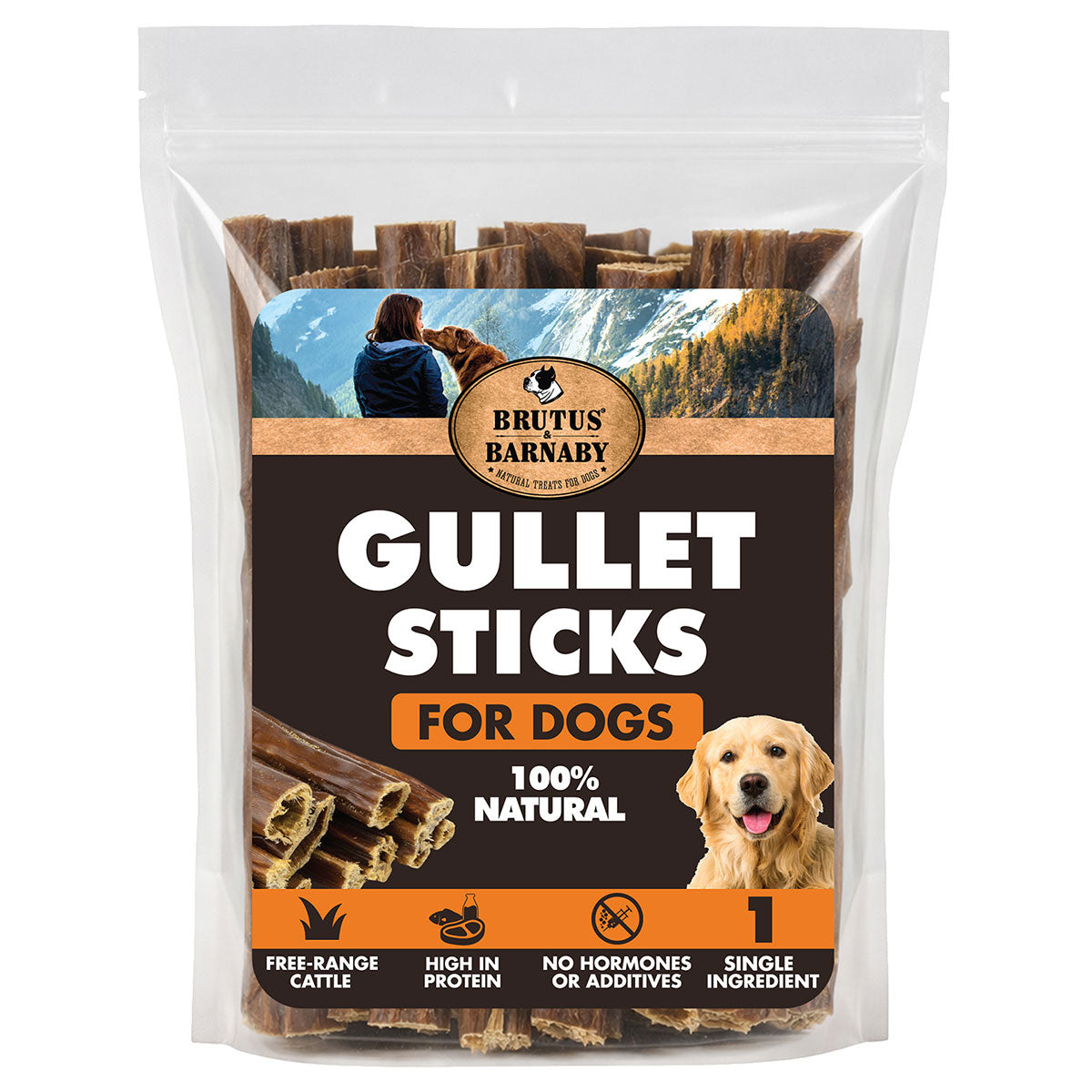
Beef Gullet Sticks for Dogs
Beef gullet is a naturally cartilage-rich chew that can fit into a supervised chewing routine for dogs who enjoy animal-based treats.
- Natural beef chew
- Great for supervised chew time
- Useful for dogs who love chewy texture
- Good joint-routine rotation
Important Takeaways for Your Dog’s Joint Health
Chondroitin and glucosamine are often used together because both are associated with cartilage and joint support. For dogs with diagnosed joint disease, your veterinarian may recommend a complete plan that includes weight control, medication, controlled activity, physical therapy, supplements, or other treatments.
Key point: natural chews can be part of a wellness routine, but they should not be positioned as a treatment for arthritis or a replacement for veterinary care.
Where to Find Natural Sources of Chondroitin and Glucosamine
Chondroitin and glucosamine are associated with animal cartilage and connective tissue. That is why certain animal-based chews are often discussed as natural sources. The exact amount can vary, but these chews can still make sense for dogs who tolerate them well and enjoy supervised chewing.
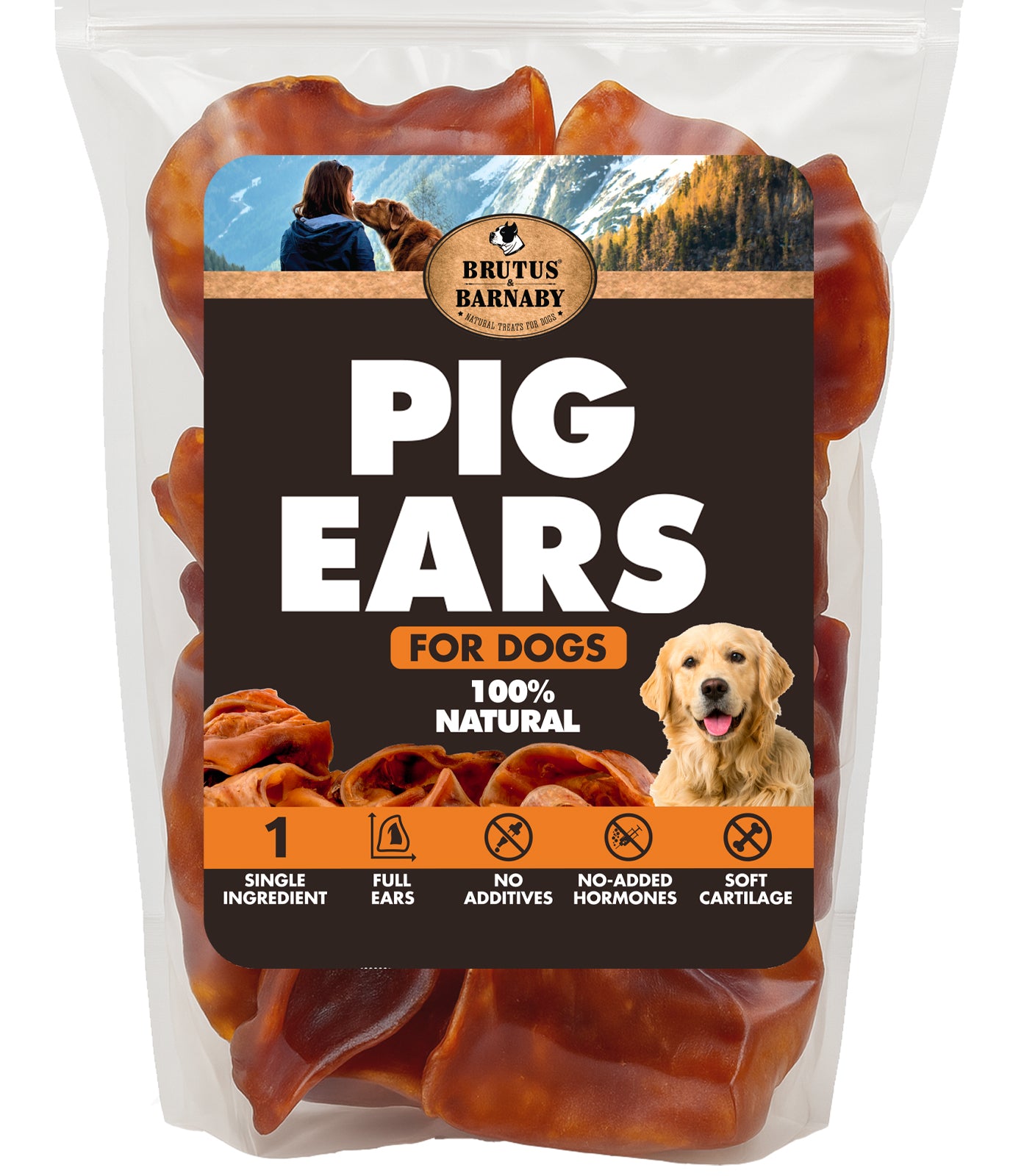
Pig Ears for Dogs
Pig ears are a classic cartilage-rich chew that many dogs love for their satisfying texture and natural flavor.
- Crunchy, satisfying chew
- Great for supervised treat time
- Best introduced gradually
- Natural cartilage texture
Other Cartilage-Rich Chews Dog Owners Discuss
Chicken feet, tails, necks, knuckles, and other cartilage-containing animal parts are also discussed as natural sources of joint-support nutrients. Some of these are easier to find than others, and not every option is appropriate for every dog.
Be careful with anything high-fat, very hard, unfamiliar, or bone-based. Dogs with sensitive stomachs, pancreatitis risk, dental issues, allergies, or a history of swallowing large pieces need extra caution. Always introduce new chews slowly and supervise closely. You can also read our guide on how to safely introduce new chews into your dog’s diet.
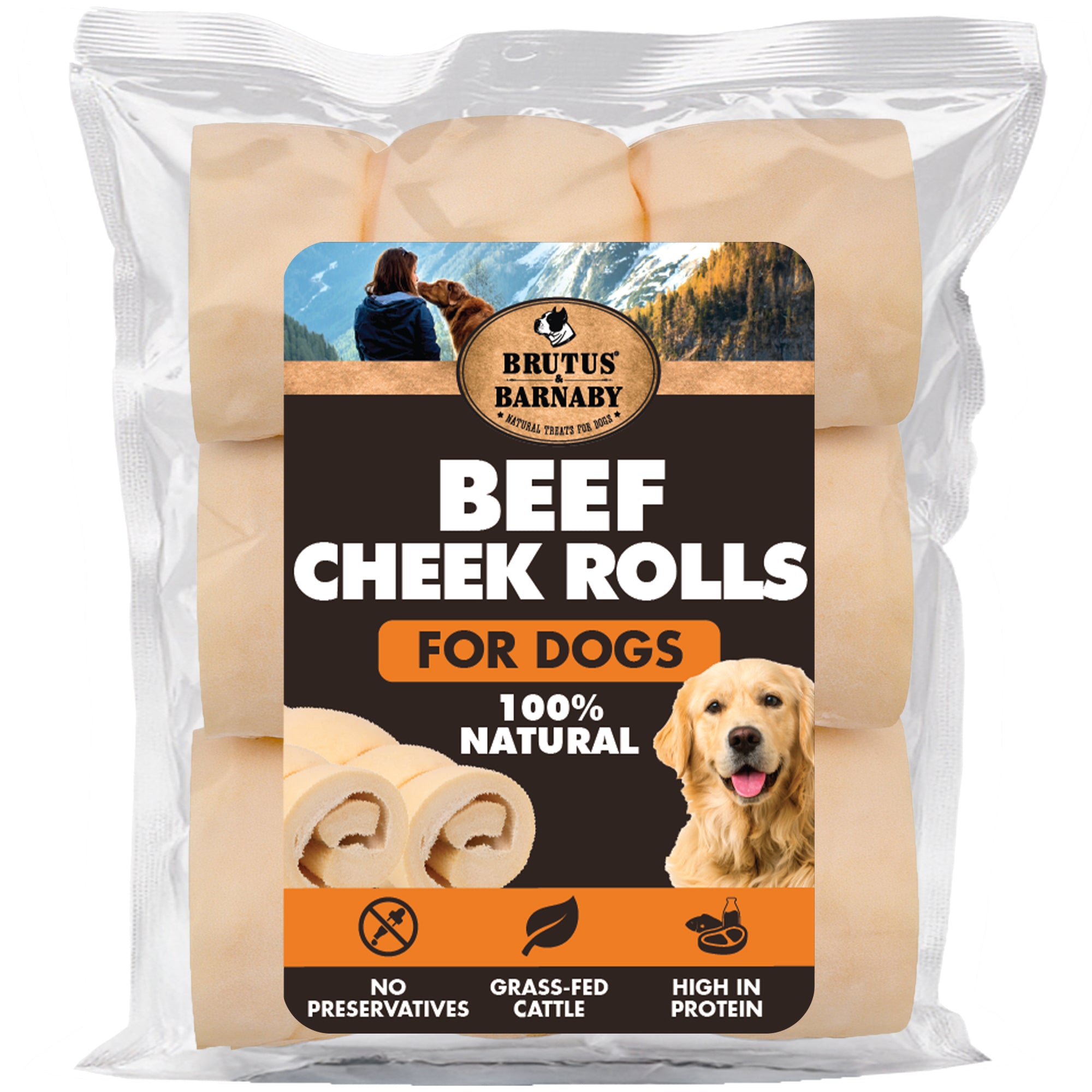
Beef Cheek Rolls
For dogs who love a longer chewing session, beef cheek rolls can be a satisfying supervised chew option.
- Longer chew time
- Great for dogs who need enrichment
- Rawhide-free chew option
- Keeps dogs busy
How Brutus & Barnaby Supports Healthy Chewing Routines
At Brutus & Barnaby, we love seeing dogs healthy, happy, and excited about treat time. That is why we focus on natural dog treats and chews that fit real routines — from training rewards and meal toppers to satisfying chews for dogs who need enrichment.
If your goal is to support your dog’s overall wellness, choose treats and chews that match your dog’s size, chewing style, activity level, and digestive tolerance. Browse the full Brutus & Barnaby treats and chews collection to find options that fit your dog’s daily routine.
Frequently Asked Questions
Final Takeaway
Glucosamine and chondroitin are two of the most common nutrients discussed for dog joint support. Because they are associated with cartilage, many dog owners look to cartilage-rich animal chews as part of a natural routine.
The most important thing is balance. If your dog has joint pain, start with your veterinarian. For everyday wellness, choose safe chews, keep your dog at a healthy weight, provide gentle exercise, and build a routine that supports comfort over the long term.
Support Your Dog’s Natural Chewing Routine
Explore natural treats and chews that fit your dog’s size, chewing style, and daily wellness routine.
Shop Treats & Chews
```