



Can Dogs Eat Potato Sticks? Human Snacks vs. Dog-Friendly Sweet Potato Treats
Potato sticks may look harmless, but human snack sticks and dog-friendly sweet potato sticks are very different. Here is what dog parents should know before sharing.
Human potato sticks are usually salty, oily, and made for people. Dog-friendly sweet potato sticks are different because they are made as treats for dogs and are easier to portion into a proper reward routine.
Quick answer: dogs should not regularly eat human potato sticks because they are often salty, greasy, and seasoned. If you want a stick-style treat, choose dog-friendly sweet potato sticks made for dogs and feed them in moderation.
Can Dogs Eat Potato Sticks?
A tiny dropped potato stick may not always cause a problem, but human potato sticks should not become a normal treat for dogs. Most human snack sticks are made with salt, oil, flavoring, preservatives, or seasonings designed for people — not dogs.
The bigger issue is habit. When dogs learn that crunchy human snacks are shared from the couch, it becomes easy to overfeed salty snack foods without realizing how much they add up.
Dog-friendly sweet potato sticks give you the same easy-to-hold stick format, but in a treat style that makes more sense for your dog’s routine.
Why Human Potato Sticks Are Not Ideal for Dogs
The problem is rarely the potato alone. It is the way human potato snacks are prepared.
Too Much Salt
Human potato sticks are often heavily salted. Dogs do not need salty snacks added to their treat routine.
Oil and Grease
Fried or oily snacks can be rich for dogs, especially for dogs with sensitive stomachs or dogs not used to fatty foods.
Seasoning Risks
Some snack sticks include onion, garlic, spicy flavoring, cheese powder, barbecue seasoning, or other ingredients that are not dog-friendly.
Easy to Overfeed
Thin crunchy snacks disappear fast. A few pieces can turn into a handful before you notice.
Important: if your dog eats a large amount of salty potato sticks, spicy snacks, onion or garlic flavored snacks, or anything with unknown seasoning, contact your veterinarian for advice.
Human Potato Sticks vs. Sweet Potato Sticks for Dogs
If your dog loves crunchy snacks, the better question is not “can I share mine?” It is “what dog-friendly option gives the same snack satisfaction?”
| Snack Type | Dog-Friendly? | Why | Better Choice |
|---|---|---|---|
| Human potato sticks | Not recommended | Usually salty, oily, and made for people | Dog-friendly sweet potato sticks |
| Flavored potato sticks | Avoid | May contain onion, garlic, cheese, spicy, or barbecue flavoring | Simple dog treats with clear ingredients |
| Plain cooked potato | Sometimes, in moderation | Only when plain, cooked, and unseasoned | Ask your vet for diet-specific advice |
| Sweet potato sticks for dogs | Better treat option | Made as dog treats and easier to portion | Feed as supervised treats |
Why Sweet Potato Sticks Are a Better Dog Treat Format
Dog-friendly sweet potato sticks give you a crunchy, snackable shape without relying on salty human snack foods. They are easy to break into smaller pieces, which makes them useful for training rewards, small dogs, or lighter treat moments.
Brutus & Barnaby Sweet Potato Sticks: Salmon & Kelp are made for dogs who enjoy crunchy texture and flavor variety. They work well when you want a treat that feels more exciting than plain kibble but is easier to manage than a large chew.
Sweet potato sticks are still treats, so moderation matters. Use them as part of a balanced routine and adjust portions based on your dog’s size, activity level, and daily diet.
Pro tip: keep human snacks for humans and dog treats for dogs. Your dog still gets the crunch, but you avoid making salty potato snacks part of their routine.
Best Dog-Friendly Alternatives to Human Potato Sticks
These treats give dogs snackable texture and flavor without relying on salty human potato snacks.

Sweet Potato Sticks: Salmon & Kelp
A crunchy sweet potato stick made for dogs who love texture, flavor, and snackable rewards.
- Crunchy texture dogs enjoy
- Easy to break into smaller pieces
- Useful for training rewards
- Great alternative to human potato snacks

Sweet Potato Fries for Dogs
A dog-friendly fry-style snack for pet parents who want to avoid sharing salty human fries or potato snacks.
- Great alternative to human fries
- Easy to portion
- Useful as a snack or topper
- Good for lighter treat moments
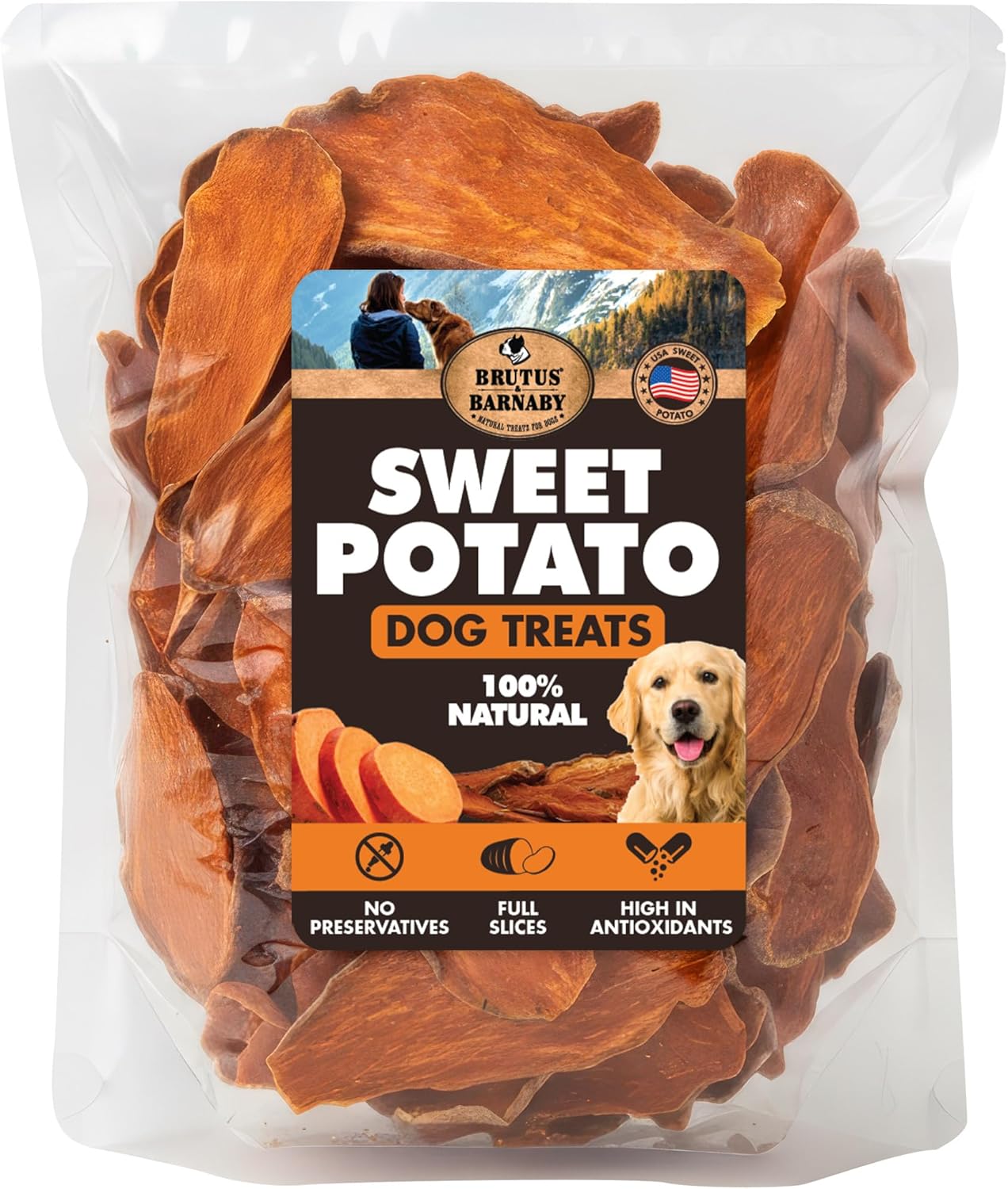
Sweet Potato Slices
A simple chewy sweet potato treat for dogs who love natural snack time and easy treat rotation.
- One ingredient: sweet potato
- Chewy texture dogs enjoy
- Good for simple treat days
- Easy to rotate with crunchy treats
How to Feed Sweet Potato Sticks Safely
Sweet potato sticks are easy to use, but portion size and supervision still matter.
1. Start With a Small Amount
Introduce any new treat gradually and watch your dog’s digestion and comfort.
2. Break Pieces for Small Dogs
Small dogs, puppies, seniors, and fast eaters may need sticks broken into smaller pieces.
3. Use for Treat Moments
Sweet potato sticks are treats, not meals. Use them for training, snack time, or rotation.
4. Keep Human Snacks Away
Do not let dog-friendly treats become a reason to share salty human snacks from your plate.
Simple rule: if the snack was made for humans and tastes salty, greasy, spicy, or heavily seasoned, skip it and choose a dog treat instead.
Keep Learning Before You Share a Snack
Pair this guide with related Brutus & Barnaby blog guides and trusted veterinary resources. Internal guide links help you build a smarter treat routine, while external sources give extra context around potatoes, human snacks, and treat moderation.
Related Brutus & Barnaby Guides
Trusted Veterinary & Nutrition Resources
Frequently Asked Questions
Skip the Salty Snack. Choose a Dog-Friendly Stick.
Brutus & Barnaby Sweet Potato Sticks give dogs a crunchy, snackable reward without making salty human potato sticks part of their routine.
Shop Sweet Potato SticksEducational disclaimer: This article is for general education only and is not veterinary advice. Every dog has different dietary needs, allergies, sensitivities, calorie requirements, and health risks. Ask your veterinarian before introducing new treats if your dog has diabetes, pancreatitis, kidney disease, digestive issues, allergies, obesity, dental problems, or a restricted diet. If your dog eats a large amount of salty potato sticks, seasoned snacks, onion or garlic flavored snacks, or anything with unknown ingredients, contact your veterinarian.