

Can Puppies Have Pig Ears? Age Guide & Safer Chew Options
Pig ears are one of the most popular natural chews for dogs, but puppies need extra care. Learn when pig ears are appropriate, when to wait, and what to give younger puppies instead.
```Pig ears are flavorful, natural, and satisfying for many dogs — but when it comes to puppies, timing matters.
```A chew that works well for an adult dog may be too rich, too tough, or too risky for a young puppy whose teeth, chewing habits, and digestion are still developing.
The honest answer is simple: puppies under 6 months should not have pig ears. Pig ears are better suited for older puppies and adult dogs because they are richer, tougher to chew, and can break into pieces that young puppies may try to swallow.
Quick rule: if your puppy is under 6 months old, skip pig ears for now. Choose softer, easier-to-portion treats until your puppy is older and chewing more safely.
Can Puppies Have Pig Ears?
Young puppies should not have pig ears. The issue is not that pig ears are “bad” for all dogs. The issue is that young puppies are still learning how to chew properly, and their digestive systems are more sensitive.
For adult dogs and older puppies, pig ears can be an enjoyable chew when given in moderation and under supervision. For puppies under 6 months, softer options are usually the safer choice.
Skip Pig Ears
Young puppies need softer, easier-to-manage treats while their teeth and digestion develop.
Introduce Slowly
Older puppies may try pig ears with supervision, short chew sessions, and small-piece removal.
What Age Can Puppies Have Pig Ears?
Most puppies can start having pig ears around 6 months old, once their adult teeth are coming in and their digestion is more stable. Even then, pig ears should not be treated like an everyday snack.
Start slowly. Offer a short supervised chew session, watch how your puppy chews, remove small pieces, and stop if your dog gets loose stool, vomiting, gas, or stomach upset.
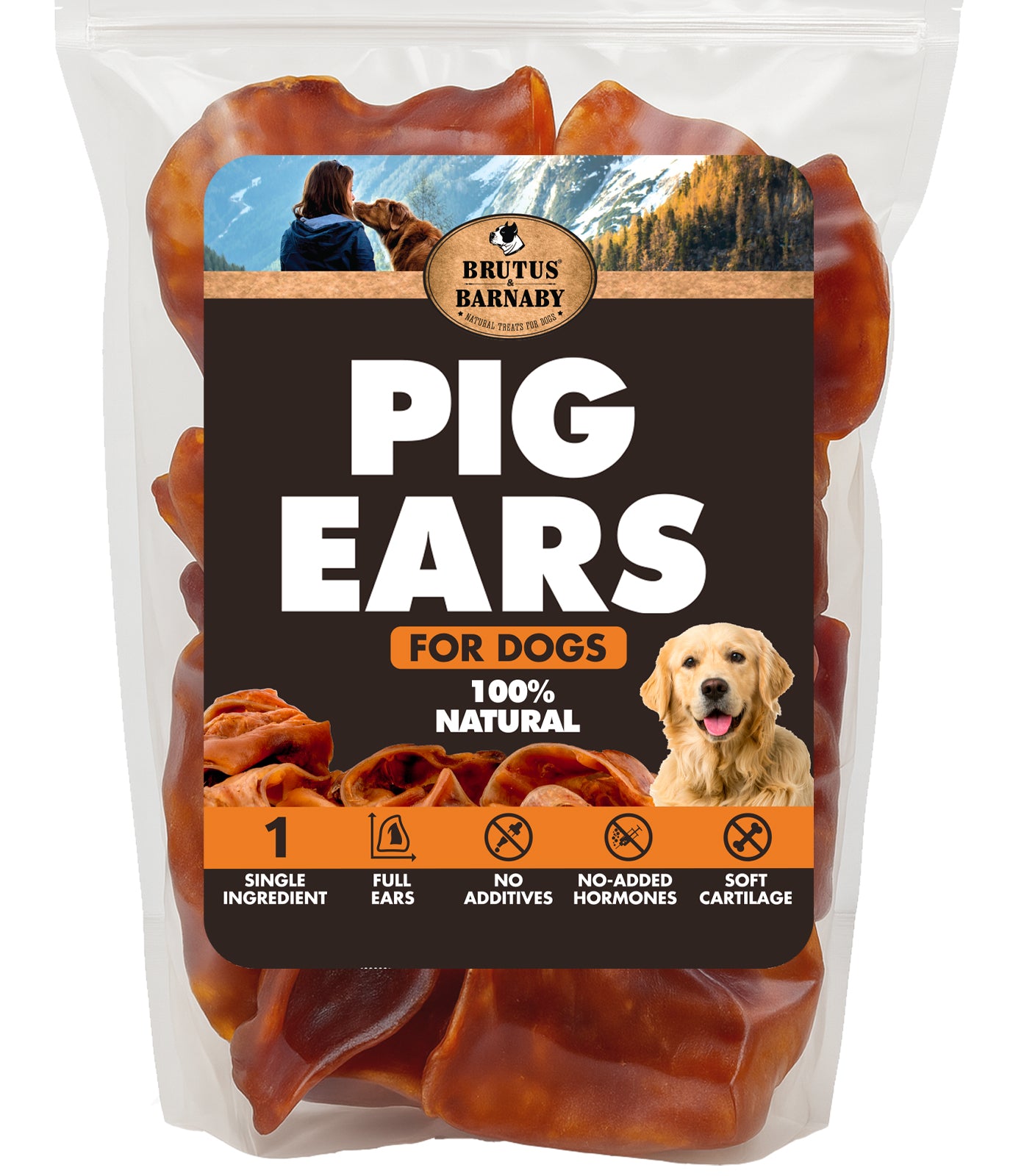
Natural Pig Ears for Dogs
Once your puppy is old enough for harder chews, pig ears can be a simple, single-ingredient option for supervised chewing.
- Best for 6+ months
- Single-ingredient chew
- Great for supervised treat time
Why Pig Ears Are Not Safe for Puppies Under 6 Months
Pig ears are flavorful and satisfying, but they can be too much for young puppies. Here are the main reasons to wait.
Safety note: for very young puppies, avoid chews that are hard, rich, sharp, or large enough to break into swallowable chunks.
Can 8-Week or 12-Week-Old Puppies Have Pig Ears?
No. Eight-week-old puppies should not have pig ears. At this age, puppies should be eating puppy-appropriate food and soft, controlled treats that are easier to chew and digest.
Twelve-week-old puppies are also too young for pig ears. They are still small, still teething, and still developing digestive strength. Instead, use small training treats, soft puppy-safe treats, and gentle options that are easier to portion.
Pig Ears for Puppies: Age Safety Guide
Use this simple age-based guide to decide whether your puppy may be ready for pig ears or should stick with softer alternatives.
Best habit: when introducing any harder chew, start with a short supervised session and remove the chew before it becomes small enough to swallow.
Best Alternatives to Pig Ears for Puppies Under 6 Months
If your puppy is too young for pig ears, that does not mean they cannot enjoy treats. The goal is to choose options that are softer, easier to portion, and easier on the stomach.

Sweet Potato Slices
A simpler treat option for younger dogs who are not ready for rich animal chews like pig ears.
- Gentler treat option
- Easy alternative to rich chews
- Great for gradual treat routines
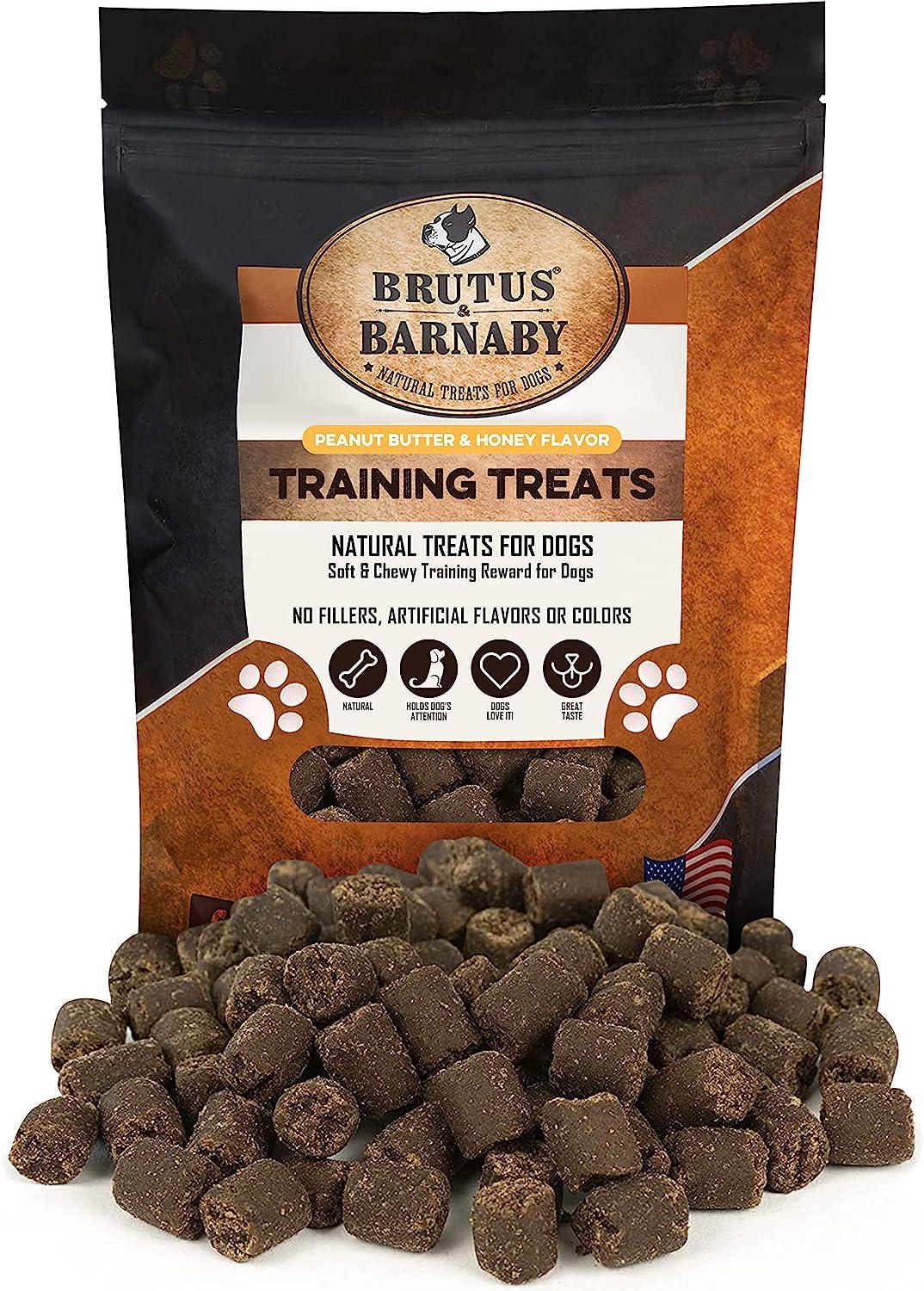
Dog Training Treats
Small training treats are easier to portion for crate training, leash work, potty training, and basic obedience.
- Great for quick rewards
- Easy to portion
- Helpful for puppy training
Pig Ears vs. Cow Ears for Puppies
Pig ears and cow ears are both natural dog chews, but they are not the same. Pig ears are usually richer, while cow ears are often leaner. That can make cow ears a better fit for some older puppies, but they still require supervision.

Cow Ears for Dogs
A leaner natural chew option that may be easier for some older puppies than richer pig ears.
- Leaner chew option
- Rawhide-free texture
- Best for supervised chew time
What Chews Are Good for Puppies?
The best chews and treats for puppies under 6 months should be soft, digestible, and appropriately sized. Avoid anything too hard, too rich, or easy to swallow in large chunks.
Good options may include soft sweet potato treats, small training treats, puppy-safe teething treats, soft jerky-style treats, and gentle treats that are easy to portion. Ask your vet if your puppy has a sensitive stomach, dental concerns, or breed-specific chew risks.
Avoid for young puppies: pig ears, bully sticks, beef cheek rolls, large cow ears, chicken feet, and dense chews until your puppy is older and ready.
When Can Puppies Start Harder Chews?
Most puppies can start harder chews around 6 months old, but every dog is different. Breed size, chewing style, digestion, teething progress, and dental health all matter.
When introducing harder chews like pig ears, bully sticks, cow ears, or beef cheek rolls, follow a careful process.
Frequently Asked Questions
Final Takeaway
Pig ears are not recommended for puppies under 6 months because young puppies have sensitive digestion, developing teeth, and a higher risk of swallowing pieces that are too large.
For younger puppies, choose softer treats like sweet potato treats or training treats. Once your puppy is around 6 months old and ready for harder chews, Brutus & Barnaby Pig Ears can be a natural, single-ingredient option for supervised chewing.
Ready for a Natural Chew?
If your dog is 6+ months old, explore natural chews made for supervised reward time.
Shop Natural Pig Ears