



The 6 Basic Nutritional Requirements Your Dog Needs
Dogs need more than table scraps to thrive. Learn the six core nutrients every dog needs, how they support daily health, and how to choose smarter treats alongside a complete and balanced diet.
Just as humans need a diet that fits their body and lifestyle, dogs need food that supports their health, age, activity level, and individual needs.
Many dog owners assume their pet can eat whatever table scraps are available, but that is not the case. Dogs have specific nutritional needs, and too many random human foods can lead to digestive upset, weight gain, nutrient imbalance, or exposure to ingredients that are unsafe for dogs.
In general, most dogs should get their core nutrition from a high-quality commercial dog food labeled complete and balanced. Special diets, supplements, or homemade feeding plans should be discussed with your veterinarian, especially if your dog has allergies, illness, weight concerns, digestive issues, or special nutritional needs. For more dog wellness guides, visit the Brutus & Barnaby dog tips blog.
The 6 Basic Nutritional Requirements Your Dog Needs
Dogs need six broad categories of nutrients to support daily health: water, protein, fats, carbohydrates, vitamins, and minerals. The right balance depends on your dog’s age, size, activity level, breed, health status, and feeding plan.
1. Water — and Plenty of It
Water is one of the most important parts of your dog’s daily health. It supports digestion, circulation, temperature regulation, nutrient transport, waste removal, and normal body function.
At home, your dog should have access to clean, fresh water throughout the day. When walking, hiking, traveling, or spending time outdoors, bring water and a travel bowl, especially in warm weather or during activity.
Takeaway tip: refill your dog’s bowl often, wash it regularly, and bring water for walks or hikes longer than a short neighborhood stroll.
2. Protein
Protein helps support muscles, tissues, organs, enzymes, hormones, immune function, and normal growth and maintenance. Dogs can get protein from animal sources such as beef, pork, chicken, fish, and eggs, as well as some plant-based ingredients used in complete dog foods.
Most complete and balanced dog foods are formulated to provide your dog’s protein needs. Treats can be a helpful addition to training and enrichment, but they should not replace complete meals. When choosing treats, look for simple, recognizable ingredients and avoid unnecessary fillers where possible.
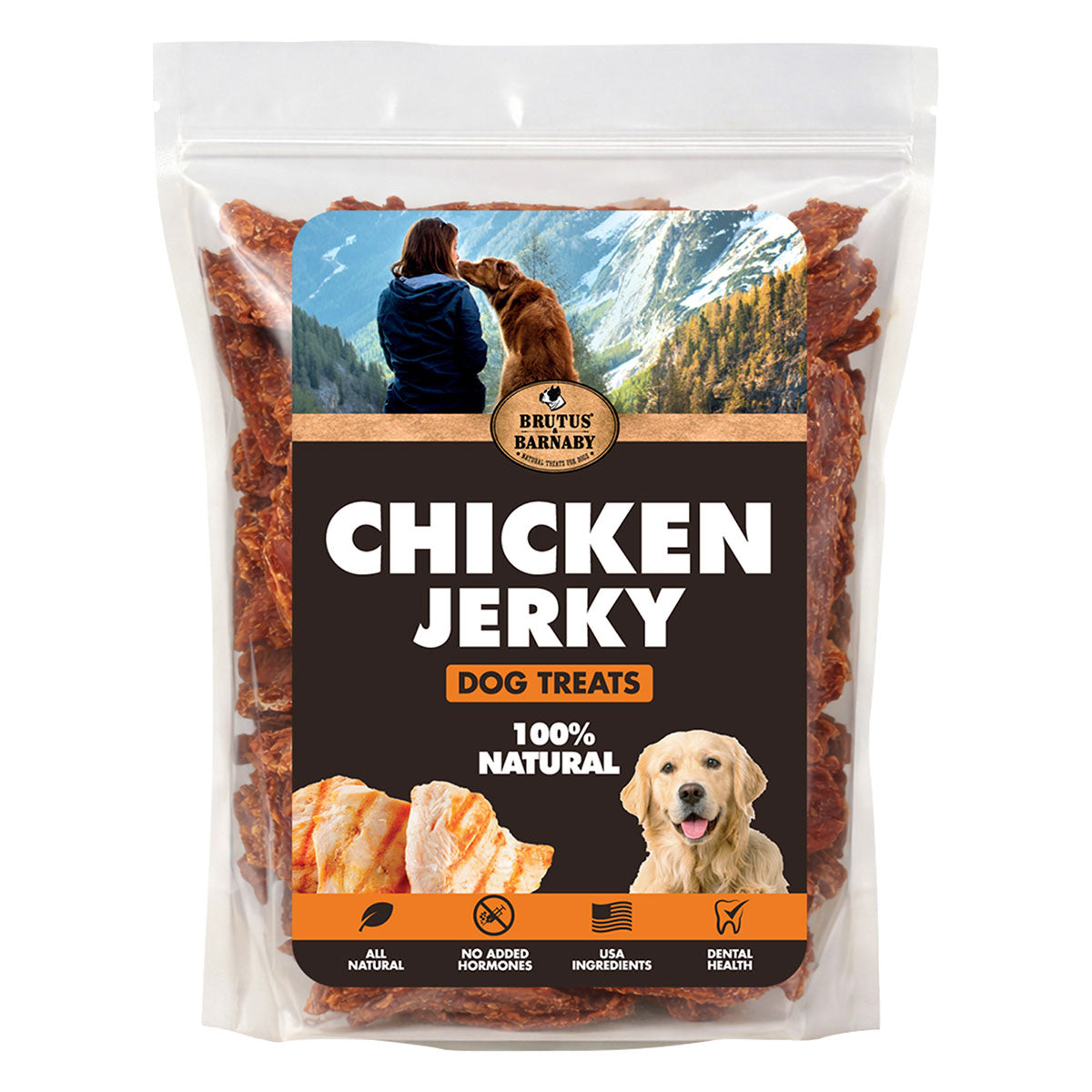
Chicken Jerky Dog Treats
A lean, protein-rich treat option for dogs who love meaty rewards without turning snack time into table scraps.
- Protein-packed reward
- Great for dogs who love chicken
- Simple treat option for daily routines
3. Fats
Fats are not automatically unhealthy. In the right amounts, they provide energy, help support skin and coat health, support cell structure, assist with absorption of certain vitamins, and play a role in normal body function.
The key is balance. Too much fat can be a problem for some dogs, especially dogs prone to weight gain, pancreatitis, or digestive upset. Avoid adding random fatty table scraps like bacon grease. If you are considering omega fatty acids or any supplement, ask your veterinarian what is appropriate for your dog.
Takeaway tip: fats belong in your dog’s diet, but avoid greasy leftovers and follow your vet’s guidance if your dog needs skin, coat, or weight support.
4. Carbohydrates
Carbohydrates can provide energy and dietary fiber, and they may support digestive health when included thoughtfully. Many commercial dog foods include carbohydrate sources such as grains, legumes, vegetables, or other starches.
The main concern is not that every carbohydrate is bad. The concern is excess calories, too many sugary human foods, and low-quality diets that rely heavily on fillers without enough overall nutrition. Table scraps, bread, sweets, and heavily processed snacks are not good everyday choices for dogs.
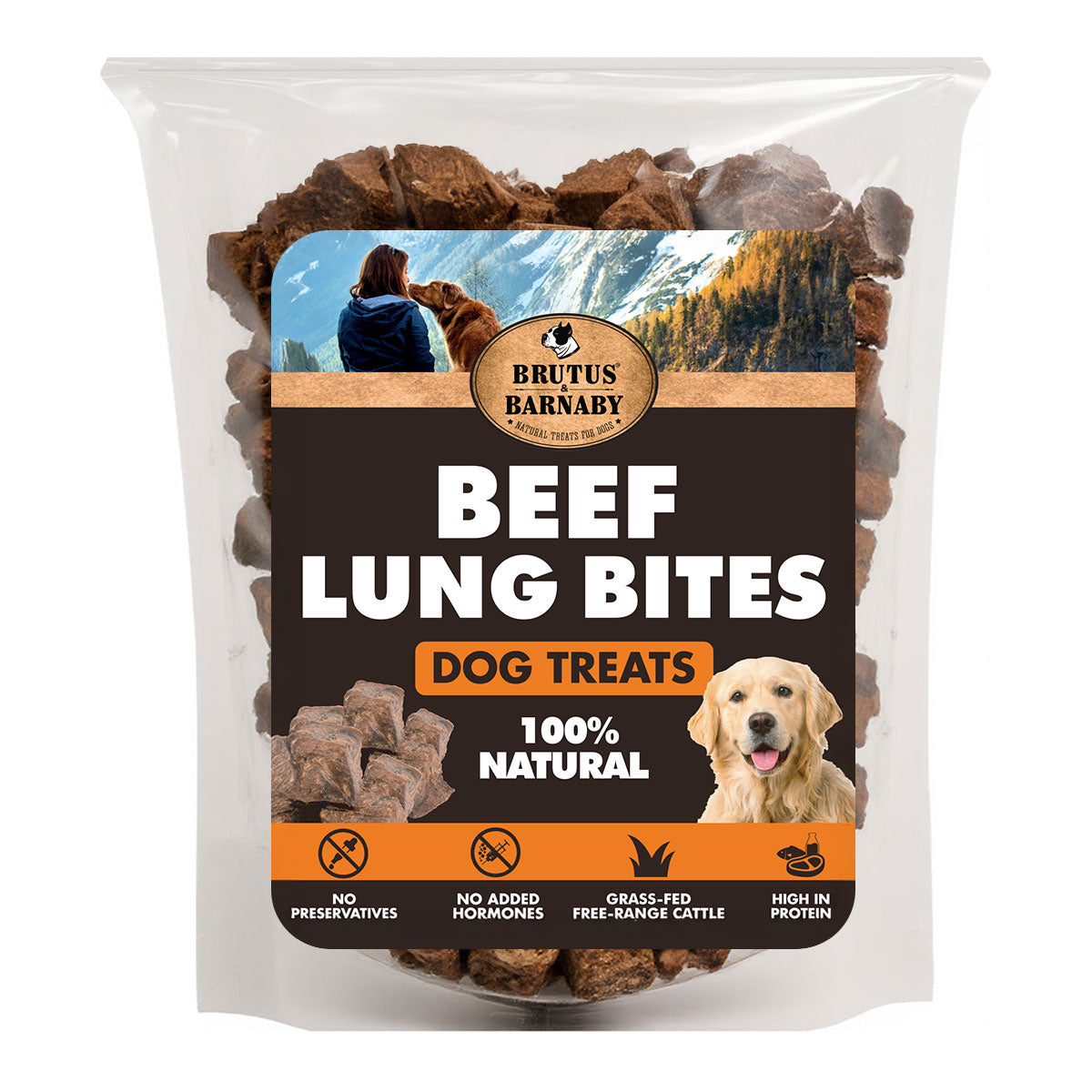
Beef Lung Bites
Light, meaty bites can be a useful training reward when you want something simple instead of processed table scraps.
- Great for quick rewards
- Protein-rich treat option
- Helpful for training routines
5. Vitamins
Dogs need vitamins for normal body function, including immune health, metabolism, skin and coat support, growth, and maintenance. Many vitamins are supplied through complete and balanced commercial dog food, so extra supplementation is not always necessary.
Look for dog food labeled complete and balanced for your dog’s life stage. If you are concerned your dog is not getting enough vitamins, or if your dog has health issues, ask your veterinarian before adding supplements. More is not always better, and some nutrients can cause problems in excessive amounts.
6. Minerals
Minerals are nutrients dogs must get through the diet. They support bones, teeth, fluid balance, nerve function, muscle function, and metabolic processes. Important minerals include calcium, phosphorus, magnesium, sodium, chloride, potassium, sulfur, and trace minerals.
A complete and balanced dog food is designed to provide appropriate mineral levels. Avoid guessing with extra supplements unless your veterinarian recommends them, because mineral balance matters, especially for puppies, large breeds, and dogs with health conditions.
Simple shopping rule: choose a trusted, complete and balanced food first. Then use treats and toppers as extras, not the foundation of the diet.
How Treats Fit Into a Balanced Dog Diet
Treats can absolutely be part of a healthy dog routine, but they should be used thoughtfully. In most cases, treats should make up only a small portion of your dog’s total daily calories. Your dog’s main nutrition should come from complete and balanced meals.
The best treats are simple, size-appropriate, enjoyable, and easy to use in your routine. Choose training treats for rewards, chews for supervised enrichment, and toppers for picky eaters or mealtime variety. Introduce new treats gradually and watch your dog’s digestion. You can also read our guide on how to safely introduce new chews into your dog’s diet.

Beef Liver Dog Food Topper
A flavorful topper can help picky dogs enjoy their regular meals while keeping the foundation of the diet consistent.
- Great for picky eaters
- Easy to sprinkle over meals
- Helpful for daily feeding routines
Frequently Asked Questions
Final Takeaway
Dogs need water, protein, fats, carbohydrates, vitamins, and minerals to support normal daily health. A high-quality complete and balanced food should usually provide the foundation, while treats and toppers can support training, enrichment, and mealtime enjoyment.
The smartest approach is simple: feed a balanced diet, offer fresh water, avoid unsafe table scraps, choose simple treats, and ask your veterinarian before making major diet changes or adding supplements.
Choose Treats That Fit a Smarter Routine
Explore natural treats, chews, and toppers that help support training, mealtime variety, and everyday enrichment.
Shop Treats & Chews