

What Happens If a Dog Eats Too Many Treats?
A stolen treat bag can be scary. Here’s what to watch for, when to call your vet, and how to help your dog recover safely after eating too many treats.
Nearly every dog owner has experienced the panic moment: you turn around and your dog has helped themselves to a pile of treats, an entire bag, or something they definitely were not supposed to eat. Whether it is training rewards, natural chews, or biscuits, eating too many treats at once can upset your dog’s stomach — and sometimes needs close monitoring.
This guide explains what happens when dogs overeat treats, what symptoms to watch for, and what steps to take to help your dog feel better. Most cases are mild, but the exact risk depends on what your dog ate, how much they ate, their size, and whether any toxic ingredients were involved.
What Happens If a Dog Eats Too Many Treats?
Most dogs will experience digestive upset after eating too many treats. This can include vomiting, diarrhea, gas, abdominal discomfort, refusing food for a short time, or acting tired while their stomach settles.
This is especially common if your dog ate rich treats like pig ears, fatty biscuits, heavily processed dental chews, or a large bag of training treats at once. Even simple treats can cause stomach upset when eaten in a large amount because the digestive system gets overwhelmed.
Common Upset Signs
Simple Treats Still Need Moderation
Important: if your dog ate a whole bag of treats, monitor closely for vomiting, bloating, lethargy, or pain. If the treats contained chocolate, xylitol, raisins, macadamia nuts, or anything toxic, contact a vet or pet poison hotline immediately.
How Many Treats Are “Too Many”?
In general, treats should make up no more than about 10% of your dog’s daily calories. If your dog goes far beyond that — especially by eating several servings at once — it is considered too much.
Puppies often need many small training rewards, but they still should not exceed the 10% guideline. For frequent training, use tiny portions and choose treats that are easy to break down into smaller pieces.
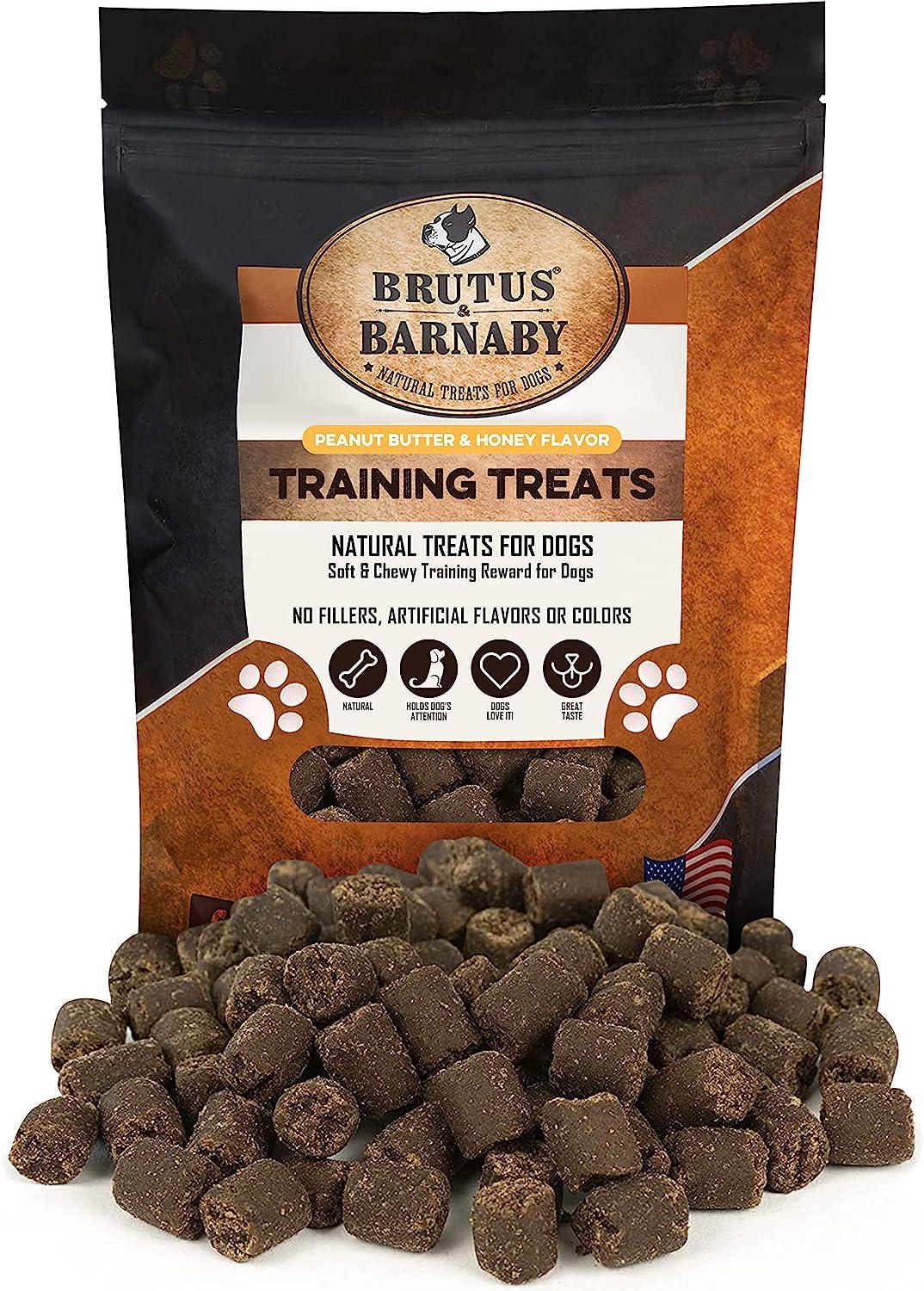
Training Treats — Peanut Butter & Honey
A better choice when you need small, repeatable rewards during training without relying on large chews or oversized snacks.
- Great for training rewards
- Easy to portion
- Better for frequent treating
- Useful for puppies and small dogs
What to Do When Your Dog Eats Too Many Treats
1. Stay Calm and Assess What They Ate
Start by checking the type of treat, the amount eaten, and the ingredient list. Natural, single-ingredient treats like Sweet Potato Slices, Beef Lung, or Cow Ear Slivers are less likely to cause serious issues than fatty, artificial, or toxic treats — but the amount still matters.
2. Remove Access and Offer Fresh Water
Put the remaining treats away immediately and offer fresh water. Hydration helps dogs recover from vomiting or diarrhea and supports normal digestion while the stomach settles.
3. Skip the Next Meal or Reduce Portion Size
A short stomach rest can help some adult dogs. Some pet parents skip the next meal or reduce the next portion size, but puppies, seniors, very small dogs, and dogs with medical conditions should not fast without veterinary guidance.
4. Switch to a Bland Diet Temporarily
Many vet-approved bland options include plain boiled chicken, white rice, and plain pumpkin purée. Plain soft sweet potato can also be gentle for many dogs and may help support normal stool consistency.
5. Monitor for Signs of Distress
Contact a vet if you notice persistent vomiting, blood in the stool, severe diarrhea, a distended belly, lethargy, pain when touched, or signs that your dog cannot get comfortable. These signs can point to more serious problems depending on what was eaten.
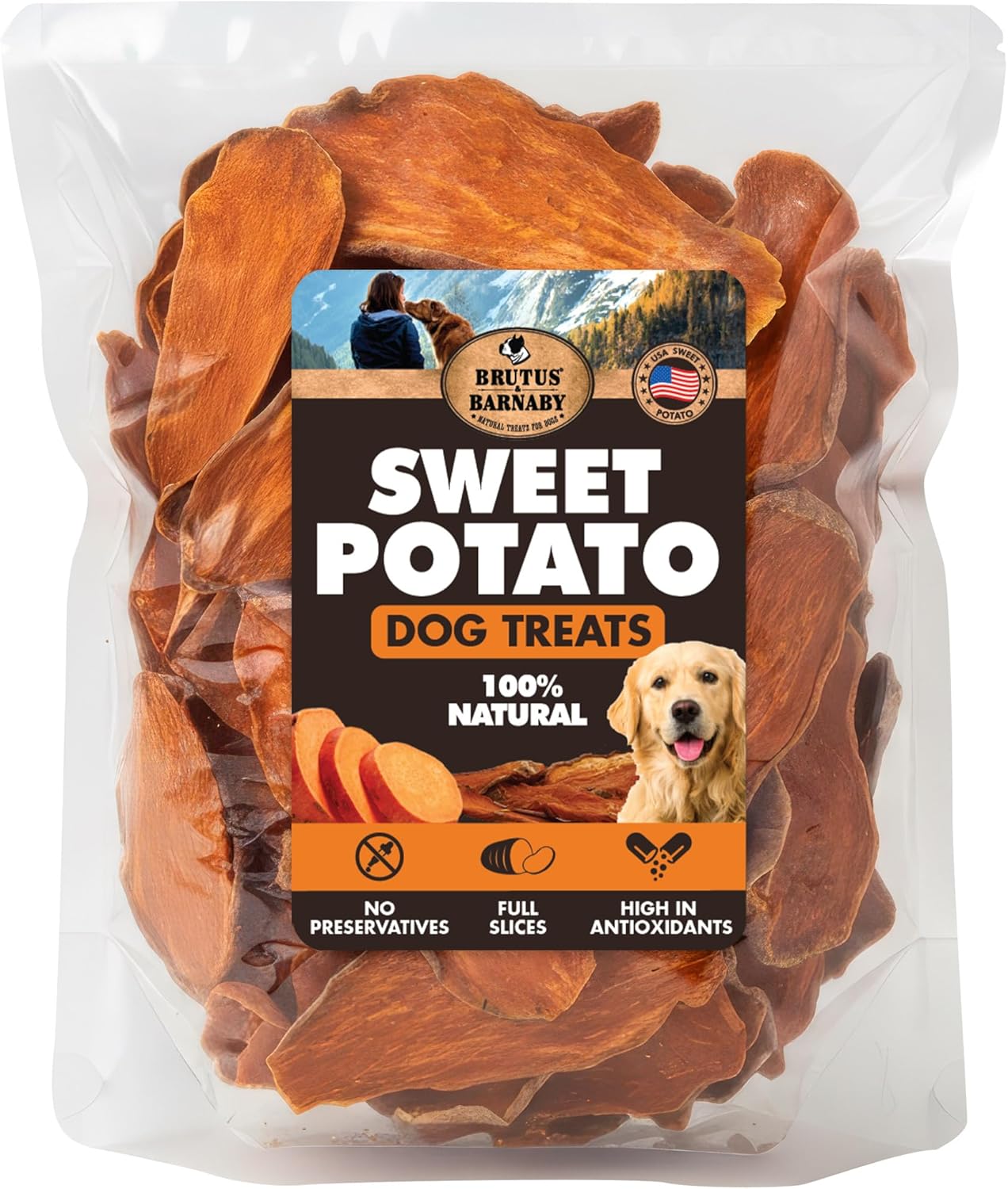
Sweet Potato Slices
A simple, plant-based treat option for dogs who do better with gentle, recognizable ingredients and lighter chewing sessions.
- Simple sweet potato treat
- Great for sensitive stomachs
- Chewy texture for light chewers
- Easy ingredient label
How Do I “Flush” My Dog’s Stomach?
You should never try to induce vomiting at home unless a veterinarian explicitly tells you to. Trying to “flush” your dog’s stomach with home remedies can make things worse, especially if your dog ate something sharp, fatty, toxic, or difficult to digest.
Instead, offer water, let the gut rest, and use a bland diet if appropriate. Pumpkin or soft sweet potato may support normal digestion for some dogs, but they are not a substitute for veterinary care if symptoms are severe.
Call right away: if your dog ate chocolate, xylitol, raisins, grapes, macadamia nuts, medication, or anything toxic, contact your vet or a pet poison hotline immediately.
How Quickly Will a Dog Show Symptoms of Chocolate Toxicity?
While this may not relate directly to regular dog treats, many owners confuse “too many treats” with “accidentally ate chocolate.” Chocolate is different because it can be toxic to dogs.
Symptoms of chocolate toxicity can include restlessness, vomiting, rapid breathing, tremors, and unusual behavior. If chocolate is involved, do not try home remedies — contact a vet immediately.
What Happens If a Dog Eats Too Much Food at Once?
If your dog overeats food instead of treats, symptoms may include vomiting, bloating, discomfort, whining, or refusing dinner later. Eating too much food can stretch the stomach and make your dog very uncomfortable.
Deep-chested breeds are at higher risk of bloat, also called GDV, which is an emergency condition. If your dog’s stomach looks enlarged, tight, or hard, or your dog is trying to vomit but cannot, go to a vet immediately.
What About Greenies or Dental Chews?
Many dogs who eat too many dental chews at once experience diarrhea, vomiting, gas, or belly discomfort. Some dental chews can soften or expand with moisture, which may worsen symptoms if a large amount was eaten quickly.
Monitor closely, withhold additional treats, offer water, and call your vet if symptoms continue or your dog seems distressed. For dogs that prefer natural chewing, you can also read our guide on how to safely introduce new chews into your dog’s diet.
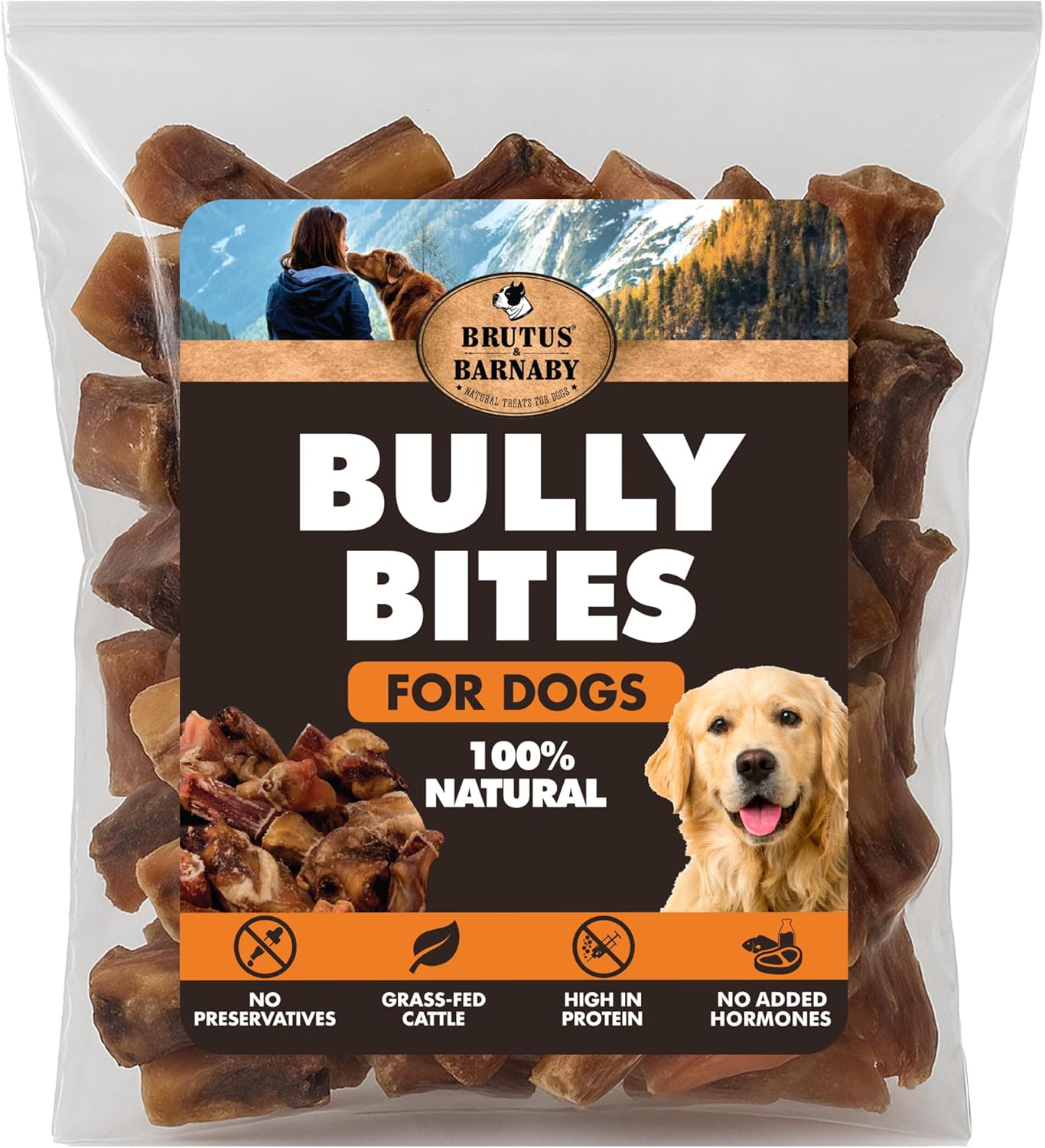
Bully Nuggets
A smaller chew-style reward for dogs who love bully sticks, giving you more control than handing over a full-size chew every time.
- Smaller chew reward
- Great for bully stick fans
- Easier to portion
- Natural high-protein treat
When to Call the Vet
Call your vet if your dog ate a large amount of fatty treats, vomiting continues for more than 12–24 hours, your dog becomes lethargic, there is blood in vomit or stool, the belly looks swollen, or your dog ate something toxic.
How to Prevent This in the Future
The best prevention is simple: store treat bags in sealed containers, avoid leaving chews within reach, use training treats sparingly, and portion larger chews before giving them to your dog.
Long-lasting treats like Bully Sticks, Beef Gullet, Cow Ears, and Beef Collagen Sticks should always be matched to your dog’s size and chewing style. Supervision matters, even with natural and digestible treats. You can compare options in our full collection of natural dog treats and chews.
Frequently Asked Questions
Final Thoughts
Eating too many treats happens, and most dogs recover quickly with rest, hydration, and temporary diet adjustments. The key is knowing what your dog ate, watching symptoms closely, and calling your vet when something feels off.
Gentle, natural treats like Sweet Potato Slices, Beef Lung, Cow Ears, Bully Nuggets, and Bully Sticks can be easier to understand and portion, but moderation is still the rule. Treats should support your dog’s routine — not replace balanced meals.
Choose Treats That Are Easier to Portion
From gentle sweet potato treats to small training rewards and natural chews, Brutus & Barnaby makes it easier to choose treats that fit your dog’s routine.
Shop Natural Dog Treats
```