



Weight Management Dog Treats for Senior Dogs
Senior dogs can still enjoy treats. The key is choosing simple, portion-friendly rewards that support your dog’s routine instead of quietly adding too many calories.
If your senior dog has started moving a little slower, settling onto the couch faster, or needing more encouragement to climb stairs, extra weight may be one of the factors worth discussing with your veterinarian.
Excess weight in aging dogs is not just a cosmetic issue. It can put more pressure on joints, make movement harder, and affect daily comfort. But that does not mean treat time has to disappear.
The right weight management dog treats can be part of a smart routine when they are simple, portion-friendly, easy to track, and counted within your dog’s daily calories.
Why Weight Matters More for Senior Dogs
As dogs age, they often become less active and may need fewer calories than they did as young adults. Even a few extra treats each day can start to matter when activity drops, muscle mass changes, or mobility becomes more limited.
Treats still matter. They support training, bonding, enrichment, and joy. The goal is not to stop rewarding your dog. The goal is to choose treats that support the routine instead of quietly pushing calories too high.
Calories Add Up Faster When
Weight-Friendly Treats Should Be
Senior dog rule: treats can stay in the routine, but they should be measured, portioned, and counted like any other calorie source.
Natural Dog Treats for Weight Management
Not all treats are created equal. For senior dogs, the best options usually deliver strong reward value without needing a large portion. That often means lean protein treats, light textures, fiber-forward snacks, and treats that can be broken into smaller pieces.
Instead of choosing treats based only on the word “diet,” look for products that are simple, easy to portion, and satisfying in small amounts.
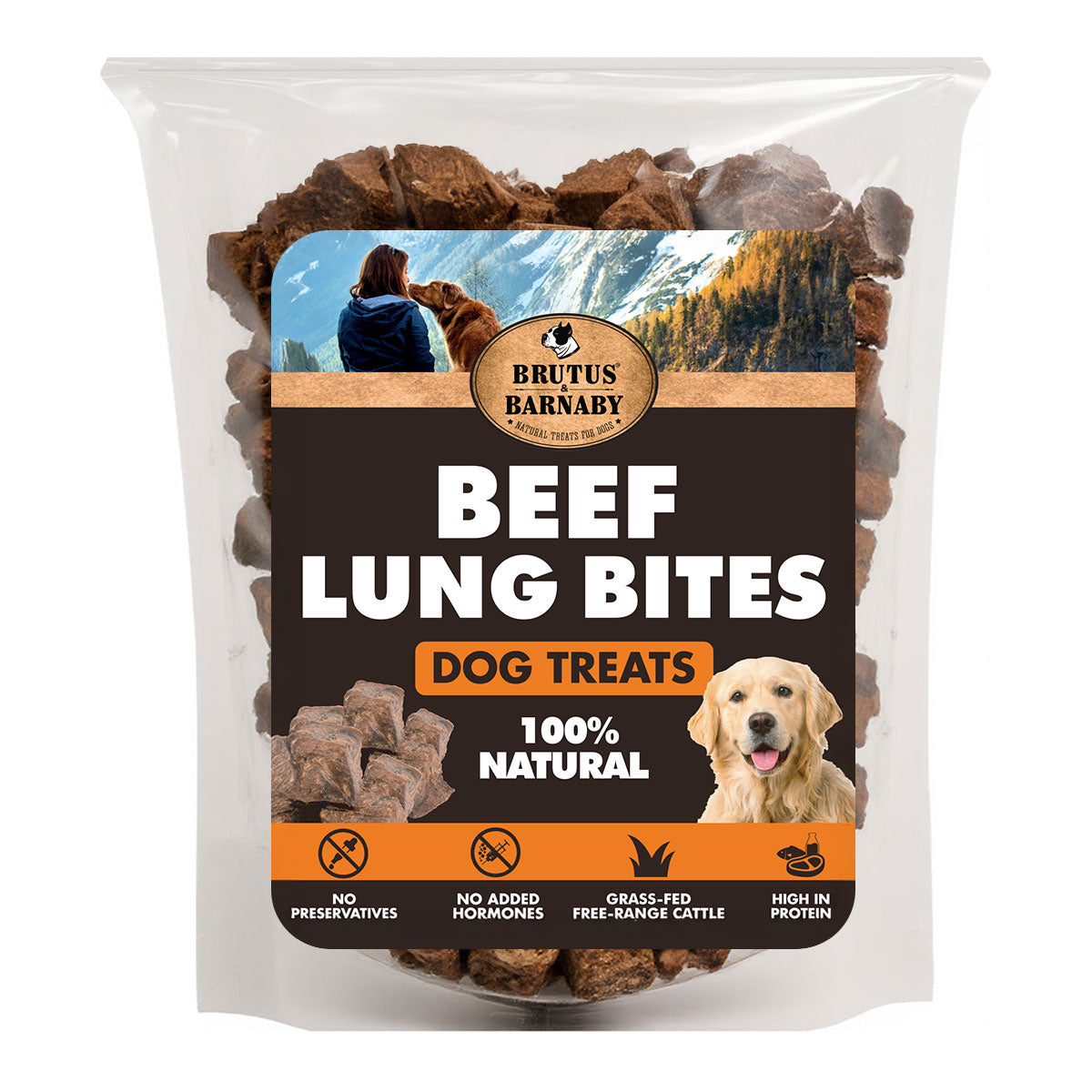
Beef Lung Bites
A light, airy protein treat that is easy to break smaller for senior-friendly rewards.
Shop Beef Lung Bites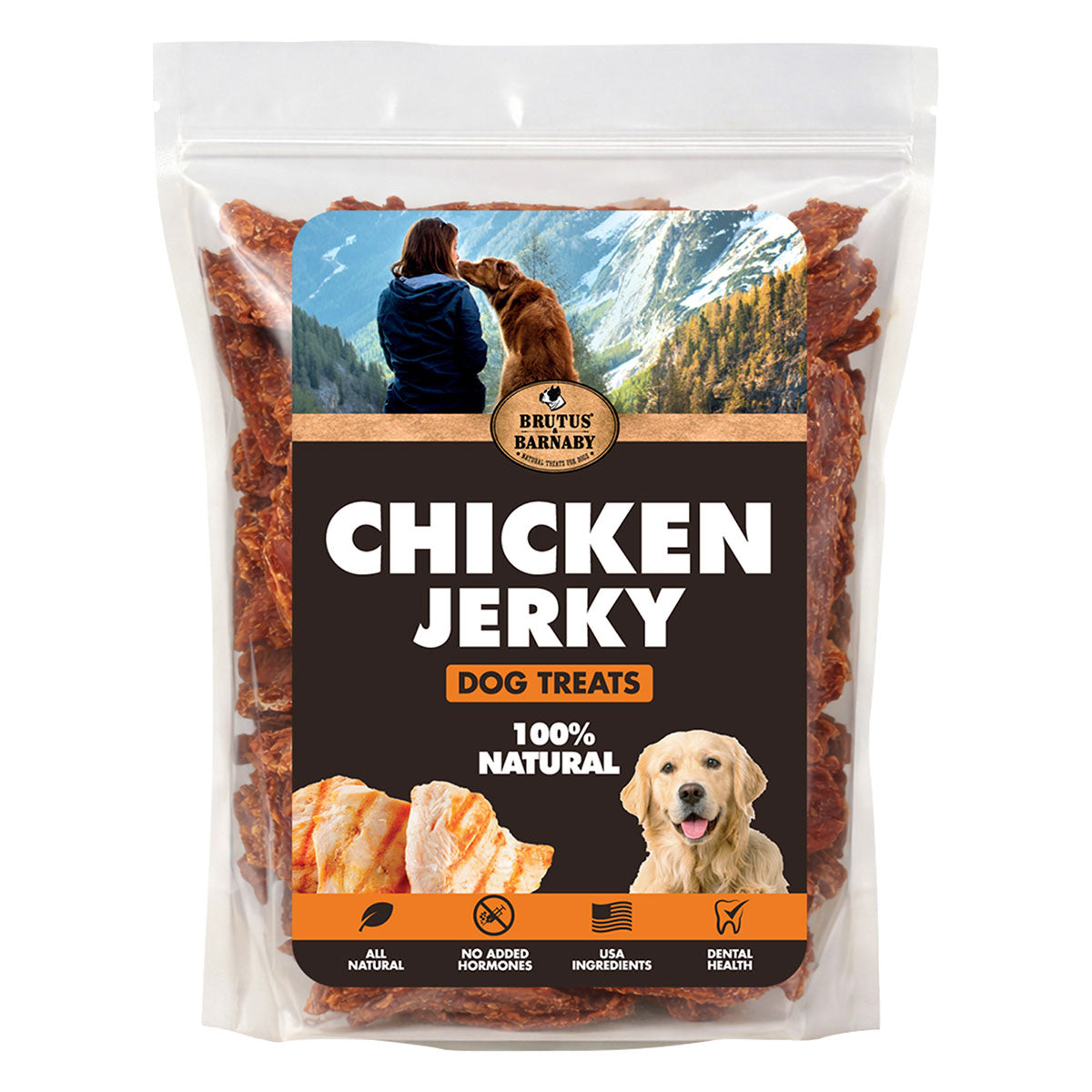
Chicken Jerky
A breakable, high-value protein reward that can be portioned into smaller pieces.
Shop Chicken JerkyPortion Sizing Guide for Senior Dogs
The 10% treat rule is a helpful starting point: treats, chews, toppers, and table scraps should generally stay around 10% of your dog’s daily calories. The other 90% should come from complete and balanced meals.
Your veterinarian can help you calculate a more accurate calorie target based on your dog’s age, body condition, breed, activity level, and health history. The examples below are only general starting points.
Easy routine: place your dog’s daily treat allowance in a small container each morning. When the container is empty, treat time is done for the day.
Natural Ingredient Swaps That Still Satisfy
Some useful weight-conscious treats are simple whole foods. These can work well when your dog tolerates them, portions are controlled, and they are counted within the treat budget.
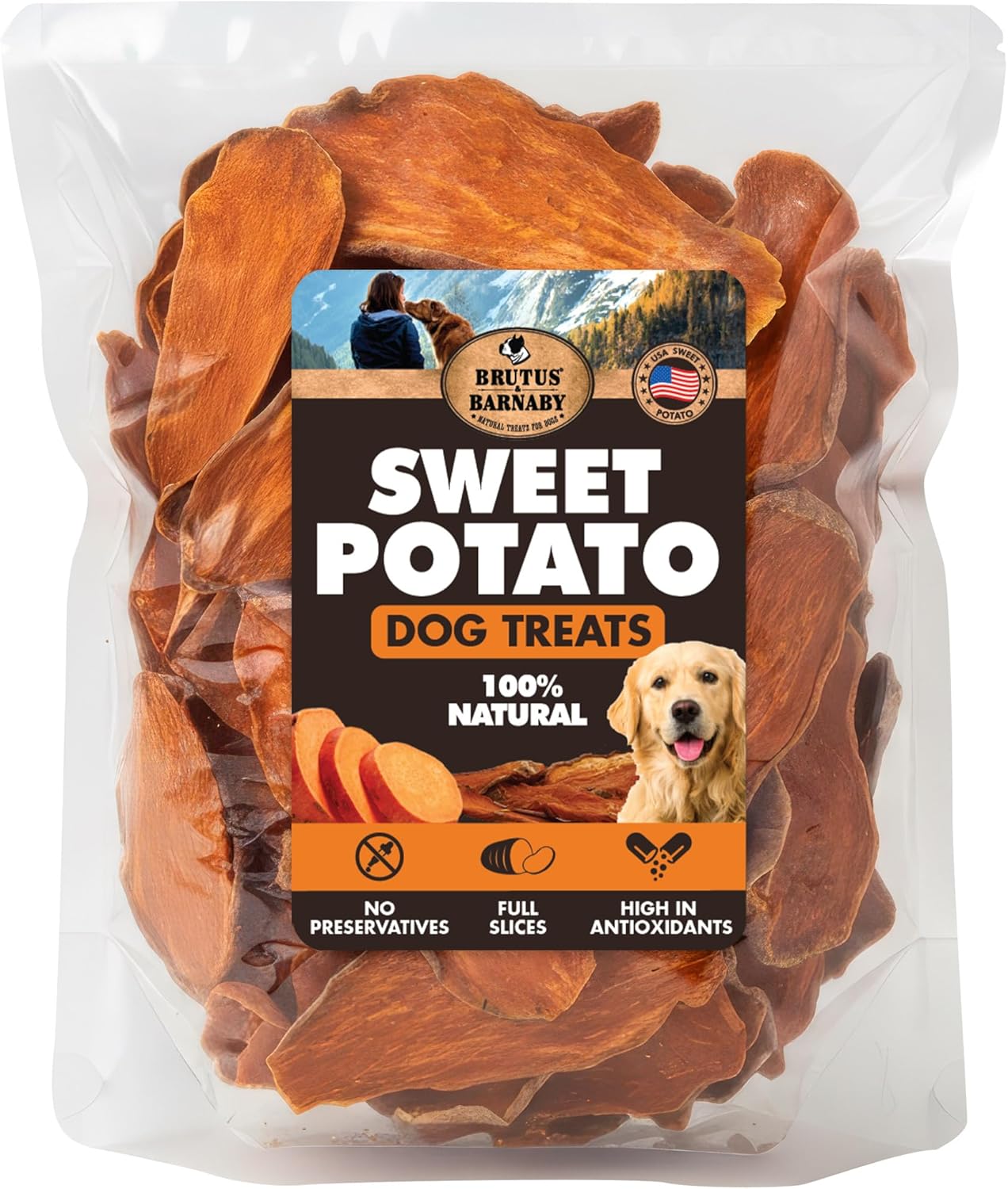
Sweet Potato Slices
A simple plant-based snack for dogs who need a satisfying treat that fits a lighter routine.
- Simple sweet potato treat
- Fiber-forward snack
- Gentle digestion
- Easy to portion smaller
Build a Weight Management Treat Strategy
Successful weight management is easier when the routine is structured. Instead of guessing whether your dog is getting “too many” treats, create a simple daily system.
Helpful mindset: weight management is not about removing joy. It is about making every reward count.
Reading Labels: What to Look For and Avoid
Natural does not automatically mean weight-friendly. A treat can have simple ingredients and still be too calorie-dense if the portion is too large or if it is used too often.

Peanut Butter Banana Training Treats
Small, soft rewards for training, routine reinforcement, and controlled treating.
Shop Training Treats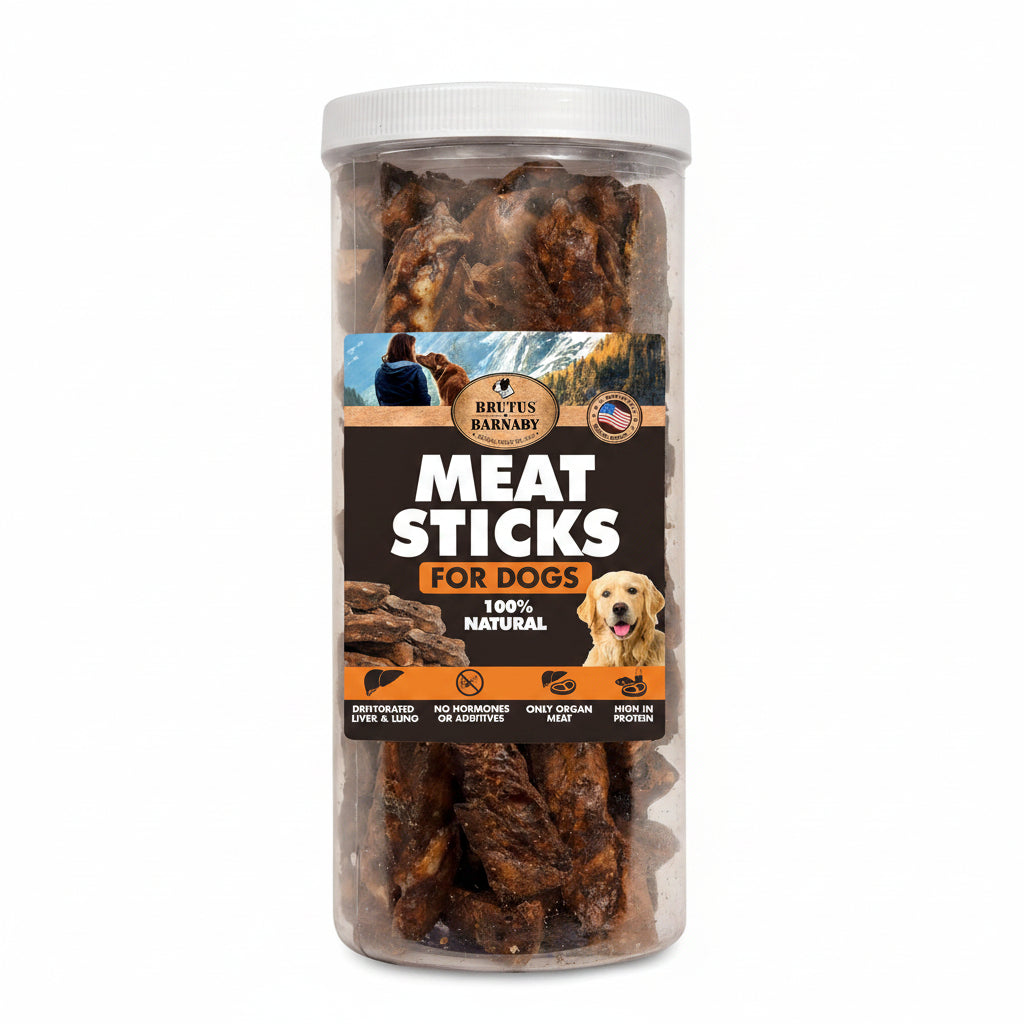
Beef Meat Sticks
A hearty beef-based reward that can be cut into smaller pieces for senior treat routines.
Shop Beef Meat SticksWhen to Consult Your Veterinarian About Weight and Treats
This guide gives general principles, but your dog’s needs may be different. Senior dogs, dogs with mobility issues, and dogs with medical conditions should have a weight plan built with veterinary guidance.
Contact your veterinarian before making major diet or treat changes if your dog has diabetes, kidney disease, pancreatitis history, arthritis, allergies, prescription food, medication, sudden weight gain, sudden weight loss, or new mobility issues.
Vet check: if your dog’s weight is not changing after several weeks of consistent portion control, ask your veterinarian to check calories, activity, and possible medical factors.
Frequently Asked Questions About Weight Management Dog Treats
The Bottom Line
Weight management dog treats should be simple, satisfying, and easy to portion. For senior dogs, the best routine is not about eliminating treats — it is about choosing better treats and controlling the amount.
Beef Lung Bites, Chicken Jerky, Sweet Potato Slices, Training Treats, and Beef Meat Sticks can all fit different senior routines when counted within the daily treat budget and introduced thoughtfully.
Make Every Treat Count
Shop simple, satisfying dog treats that are easy to portion for senior dogs, training routines, and weight-conscious rewards.
Shop Dog Treats & Chews```