

Pumpkin vs. Sweet Potato for Dogs: Which Is Better?
Pumpkin and sweet potato are both popular dog-friendly ingredients, but they work best in different situations. Here’s how to choose the right one for treats, chewing, and sensitive stomach routines.
Sweet potato and pumpkin are two of the most popular dog-friendly ingredients because they are simple, familiar, and easy to use in treats.
But they are not exactly the same. Pumpkin is soft, moist, and often used as a meal mix-in or frozen treat base. Sweet potato is richer, naturally sweet, and easier to turn into chewy treats, fries, sticks, and slices.
Neither ingredient is automatically “better” for every dog. The best choice depends on your dog’s digestion, calorie needs, texture preference, chewing style, and tolerance. For more ingredient basics, read our guide to choosing natural dog treats without fillers or artificial additives.
Quick answer: pumpkin is better for soft mix-ins and lower-calorie portions, while sweet potato is better for chewy, satisfying treats.
Is Pumpkin Better Than Sweet Potato for Dogs?
Pumpkin and sweet potato are both useful for dogs, but they shine in different ways. Pumpkin is usually softer, lighter, and easier to mix into food. Sweet potato is more filling and better suited for chewy treat formats.
If your dog enjoys chewing, sweet potato often wins because it can be sliced, baked, dehydrated, or shaped into longer-lasting treats. If your dog prefers soft foods or meal mix-ins, pumpkin may be easier to use.
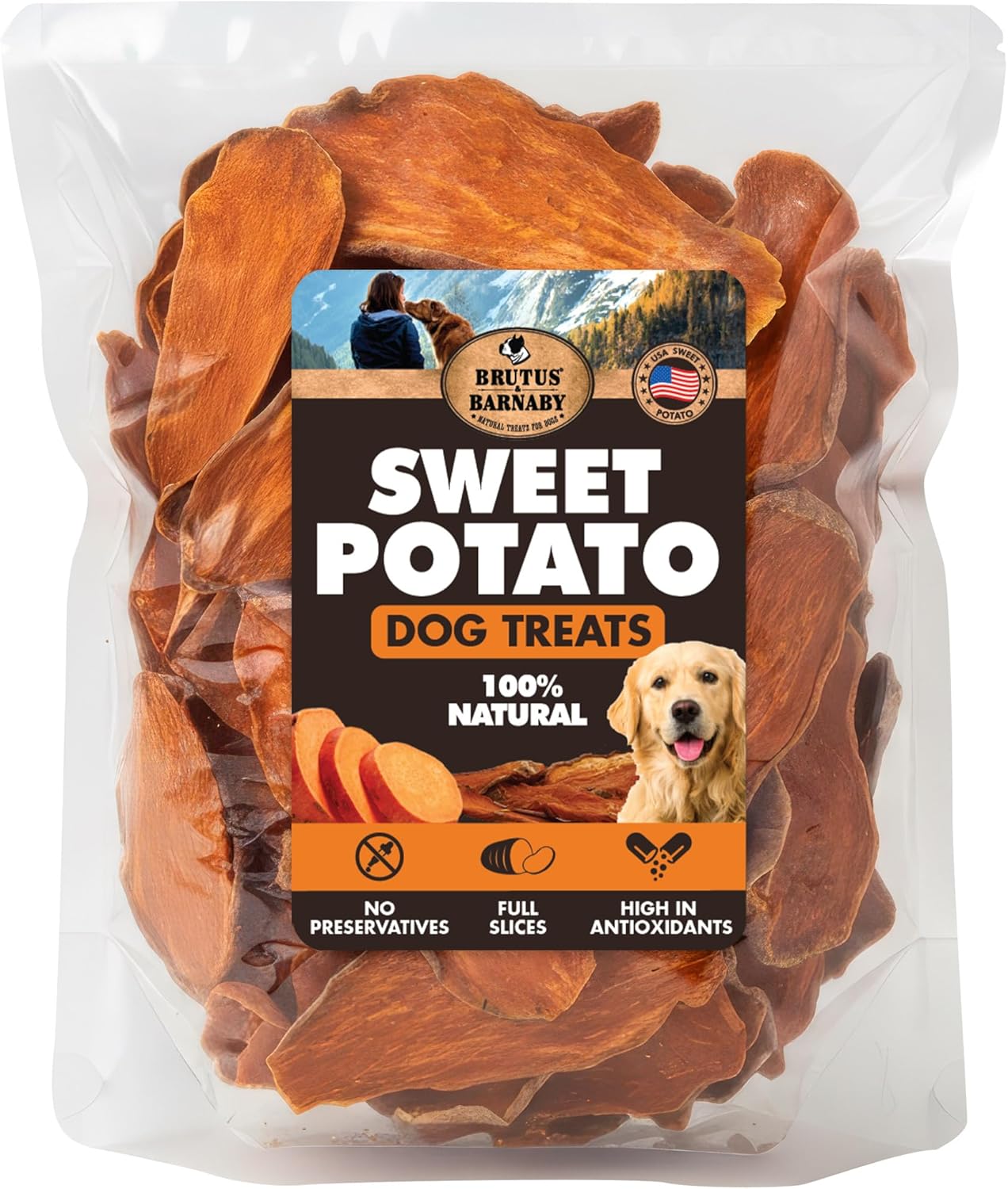
Sweet Potato Slices
A simple plant-based treat for dogs who enjoy chewy texture, natural sweetness, and easy-to-understand ingredients.
- Simple everyday snack
- Great for light chewers
- Easy treat tracking
Is Pumpkin Better Than Sweet Potato Overall?
No single ingredient is best for every dog. Pumpkin may be better for one dog, while sweet potato may be better for another. The right choice depends on what you are trying to accomplish.
Your Dog Needs Soft Portions
- They prefer soft textures.
- You want a lower-calorie mix-in.
- You are making frozen or spoonable treats.
- Your vet has recommended it for diet support.
Your Dog Loves Chewy Treats
- They prefer chewy or crispy textures.
- You want a more filling treat.
- You need an easy travel snack.
- You want simple plant-based chews.
Best approach: use pumpkin for soft mix-ins and sweet potato for chew-style treats, while keeping portions small and simple.
What Is the Healthiest Vegetable for Dogs?
There is no single healthiest vegetable for every dog. Different vegetables support different routines, textures, and dietary needs.
Pumpkin, sweet potato, carrots, and green beans are all common dog-friendly options when served plain, properly prepared, and in appropriate portions.
Is Pumpkin or Sweet Potato Better for Dogs With an Upset Stomach?
For mild digestive changes, plain pumpkin is often used by dog parents because it is soft, easy to mix into food, and contains fiber. However, ongoing vomiting, diarrhea, constipation, appetite loss, or discomfort should be checked by a veterinarian.
Sweet potato may also be gentle for some dogs, especially when used as a simple treat, but it is not a treatment for stomach upset. If your dog has a sensitive stomach, introduce either ingredient slowly and watch their response.
Call your vet if your dog has repeated vomiting, diarrhea lasting more than 24–48 hours, blood in stool, lethargy, pain, bloating, appetite loss, or signs of dehydration.
Pumpkin Treats vs. Sweet Potato Treats: When to Use Each
Use the texture and purpose to decide. Pumpkin is usually better for soft foods, while sweet potato is better for chewy treats and satisfying snack time.
Pumpkin Treats Are Best For
- Soft-texture treats
- Frozen molds
- Small meal mix-ins
- Dogs who prefer spoonable foods
Sweet Potato Treats Are Best For
- Chewy snack time
- Light chew sessions
- Travel treats
- Dogs who enjoy natural sweetness
Sweet Potato Slices
A simple plant-based option for dogs who prefer chewy texture over soft mix-ins.
- Chewy texture
- Plant-based snack
- Easy treat tracking
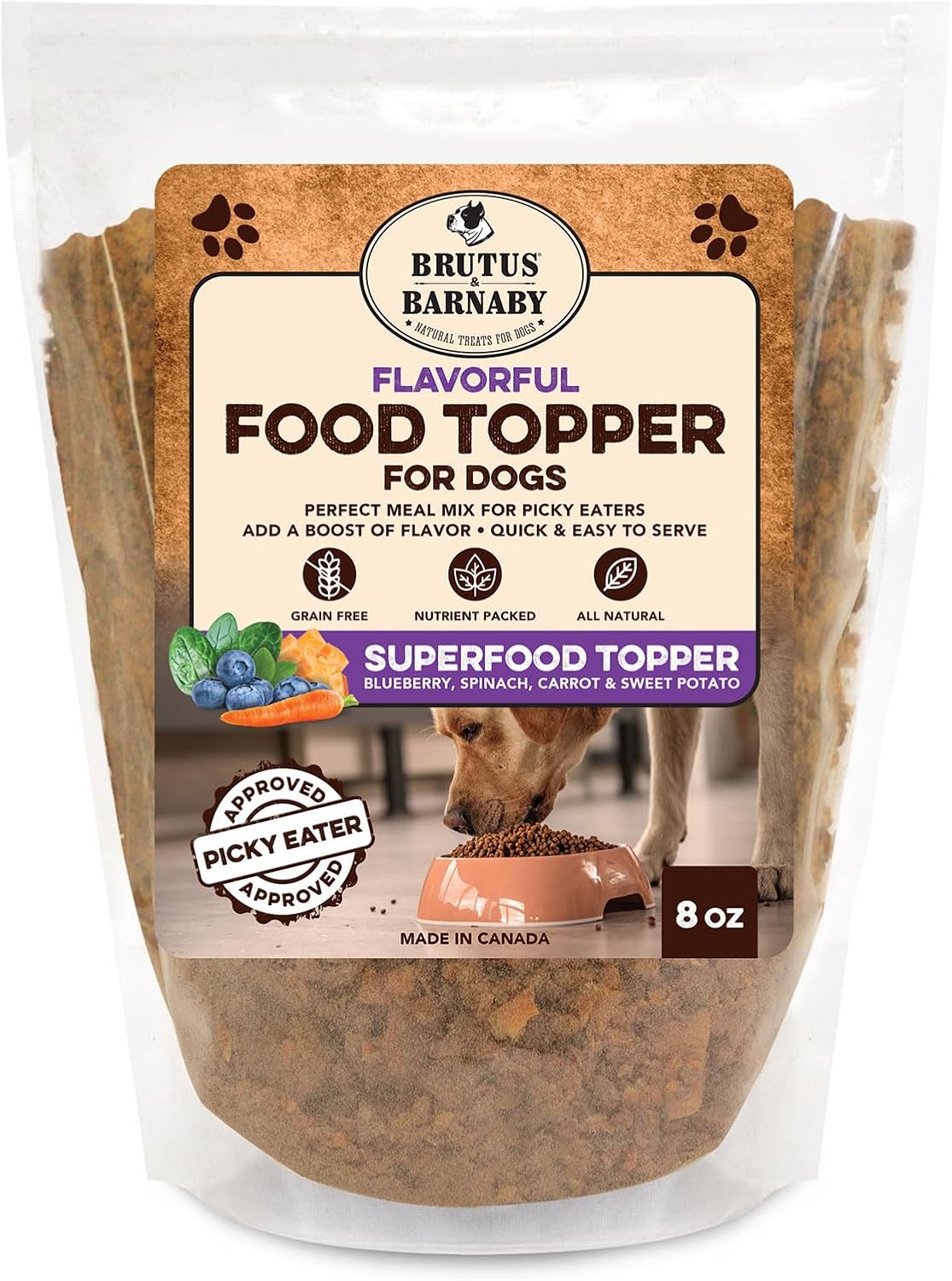
Superfood Topper
A plant-based topper option for dog parents who want a simple flavor boost mixed into meals.
- Plant-based topper
- Easy flavor boost
- Great for picky eaters
Frequently Asked Questions
Final Takeaway
Pumpkin and sweet potato are both useful dog-friendly ingredients, but they serve different treat routines. Pumpkin is soft, light, and easy to mix into food. Sweet potato is chewy, satisfying, and better for natural treat formats.
For dogs who love to chew or need a simple plant-based snack, sweet potato treats are a strong everyday choice. For soft mix-ins or frozen treat recipes, pumpkin can be a helpful option when served plain and in small portions.
Choose Simple Plant-Based Treats
Explore sweet potato treats, toppers, chews, and natural rewards made for simple snack routines and everyday enrichment.
Shop Sweet Potato Treats