

How to Store Dog Chews Properly
Natural dog chews stay fresher, safer, and more enjoyable when they’re stored the right way. Here’s how to prevent mold, odor, texture changes, and wasted treats.
Dog chews may look sturdy, but their freshness, texture, and safety depend heavily on how they’re stored. Whether you’re keeping long-lasting chews like Bully Sticks, lighter treats like Sweet Potato Slices, or daily chews like Cow Ears, proper storage helps prevent mold, odor, and nutrient loss.
Here’s how to store your dog chews correctly — plus when the “7-second rule” and “90/10 rule” matter for treat safety and feeding. A few simple habits can make your chews last longer, smell better, and stay safer for your dog.
Why Proper Storage Matters for Dog Chews
Dog chews contain natural oils and moisture that can break down if they are left in warm, humid, or open-air environments. When stored properly, chews stay fresher, safer to eat, longer-lasting, odor-controlled, and mold-free.
This is especially important for natural, single-ingredient treats like Bully Sticks, Cow Ears, Beef Gullet, Sweet Potato Slices, and Beef Cheek Rolls, which do not rely on artificial preservatives to stay fresh.
What Shortens Freshness
What Keeps Chews Safer
Simple rule: natural chews last longest when they are kept dry, sealed, and away from heat. Moisture is usually the biggest storage problem.
How to Store Dog Chews
1. Use an Airtight Container
Always store chews in a sealed jar or airtight plastic container. This protects them from humidity and prevents natural oils from attracting pests. Glass jars, silicone-sealed containers, or thick plastic storage bins all work well.
Airtight storage works especially well for bully sticks, beef collagen sticks, sweet potato chews, cow ears, and other natural treats you want to keep dry between use.
2. Keep Chews in a Cool, Dry Place
Heat breaks down natural oils and accelerates spoilage. Humidity encourages mold. Store chews away from sunlight, stoves, ovens, bathrooms, and warm closets. A pantry or lower kitchen cabinet is ideal.
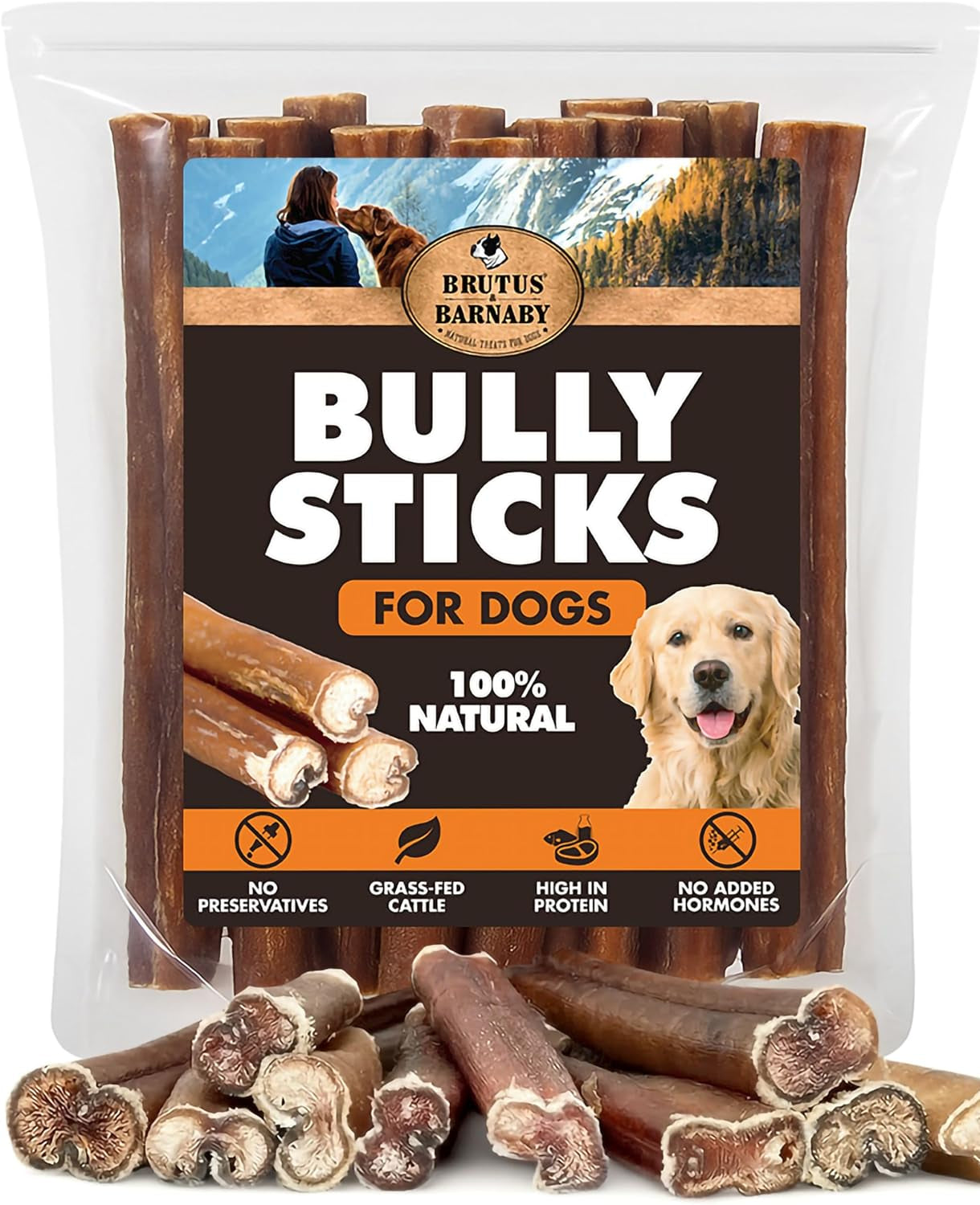
Bully Sticks
A long-lasting natural chew that stays fresher when sealed tightly and kept away from heat, sunlight, and humidity.
- Best in airtight storage
- Keep in a cool, dry place
- Freeze for longer storage
- Great for longer chew sessions
3. Use the Fridge for Higher-Moisture Treats
Some treats — especially those that are softer, semi-moist, or freshly dehydrated — stay fresher in the refrigerator. Examples include soft sweet potato treats, chicken and sweet potato jerky, and treats with higher natural fat content.
If in doubt, refrigeration can help extend shelf life once a package is opened. Just make sure treats are not stored wet or sealed while damp, because trapped moisture can still create problems.
4. Freeze Chews for Long-Term Storage
Freezing works extremely well for bully sticks, beef gullet, cow ears, beef cheek rolls, and sweet potato chews. It helps maintain freshness without dramatically changing texture, and you can defrost treats as needed.
Some owners also freeze chews for dogs who eat too quickly. The extra firmness can slow them down, but you should still supervise chewing and make sure the texture is safe for your dog’s teeth.
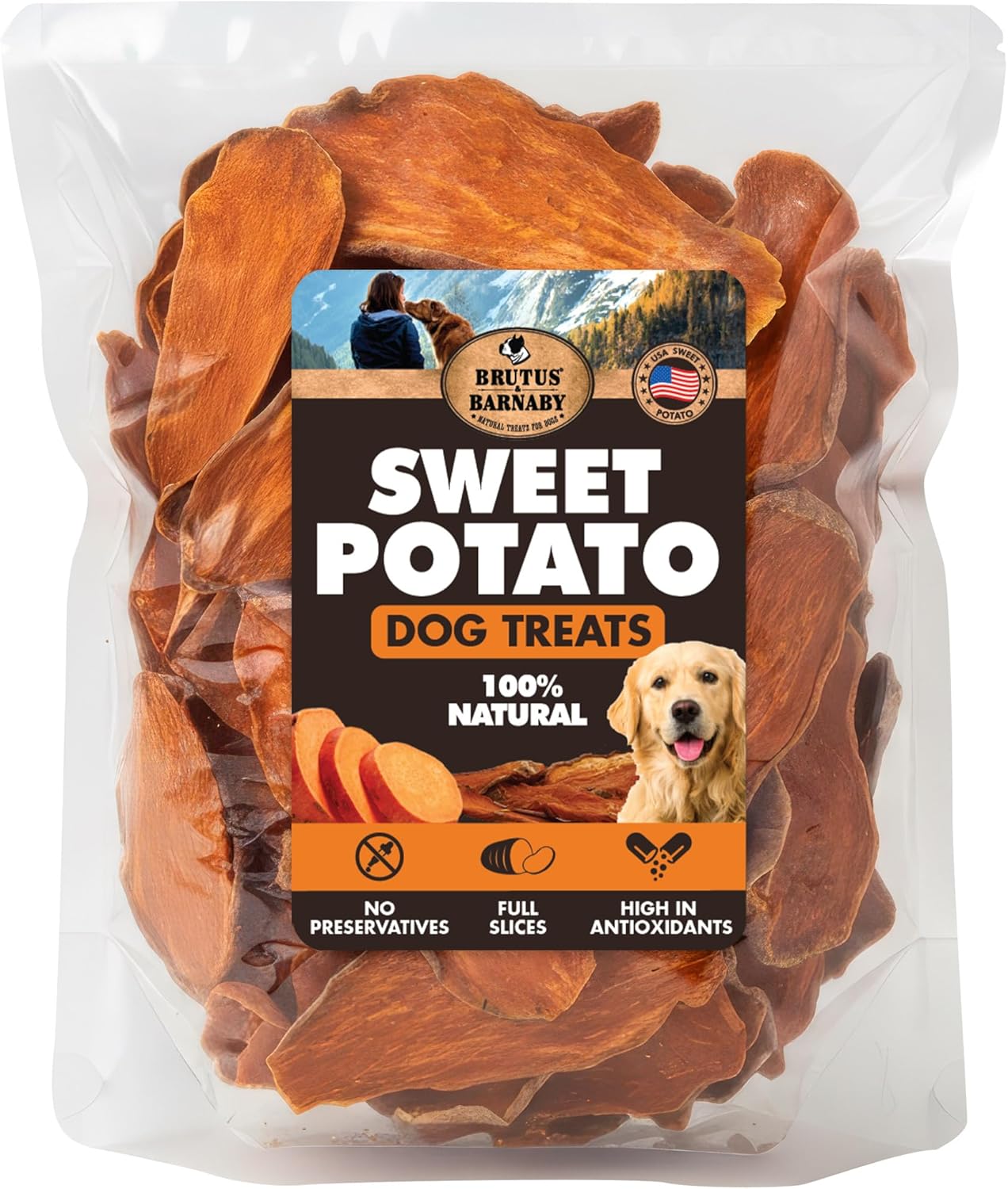
Sweet Potato Slices
A simple, chewy treat that does best when kept dry, sealed, and away from humidity after opening.
- Store sealed after opening
- Refrigerate for extra freshness
- Freeze for longer storage
- Great for sensitive stomachs
5. Reseal Bags Tightly After Opening
If the chew bag is not resealable, move the contents immediately into a container. Open bags are one of the fastest ways natural chews lose freshness, absorb kitchen odors, or become exposed to humidity.
6. Keep Half-Eaten Chews Clean
If your dog does not finish a long-lasting chew, rinse it lightly under warm water, let it air-dry completely, and store it in a clean container. Avoid sealing a damp chew inside a plastic bag because trapped moisture can encourage bacteria growth from saliva.
What Is the 7-Second Rule for Dogs?
You may know the commonly discussed 7-second rule for pavement: if the ground is too hot or too cold for your hand for 7 seconds, it may be too hot or cold for your dog’s paws.
While this is not a storage rule, it is useful when giving chews outdoors. Avoid placing treats directly on hot pavement, freezing surfaces, dirty ground, or damp grass because outdoor surfaces can affect both safety and chew texture.
What Is the 90/10 Rule for Treats?
The 90/10 rule means about 90% of your dog’s calories should come from their regular balanced diet, while no more than about 10% should come from treats and chews.
Storing chews correctly helps you use them gradually instead of giving too much at once because you’re worried about waste. For more help with treat moderation, read our guide on what happens if a dog eats too many treats.
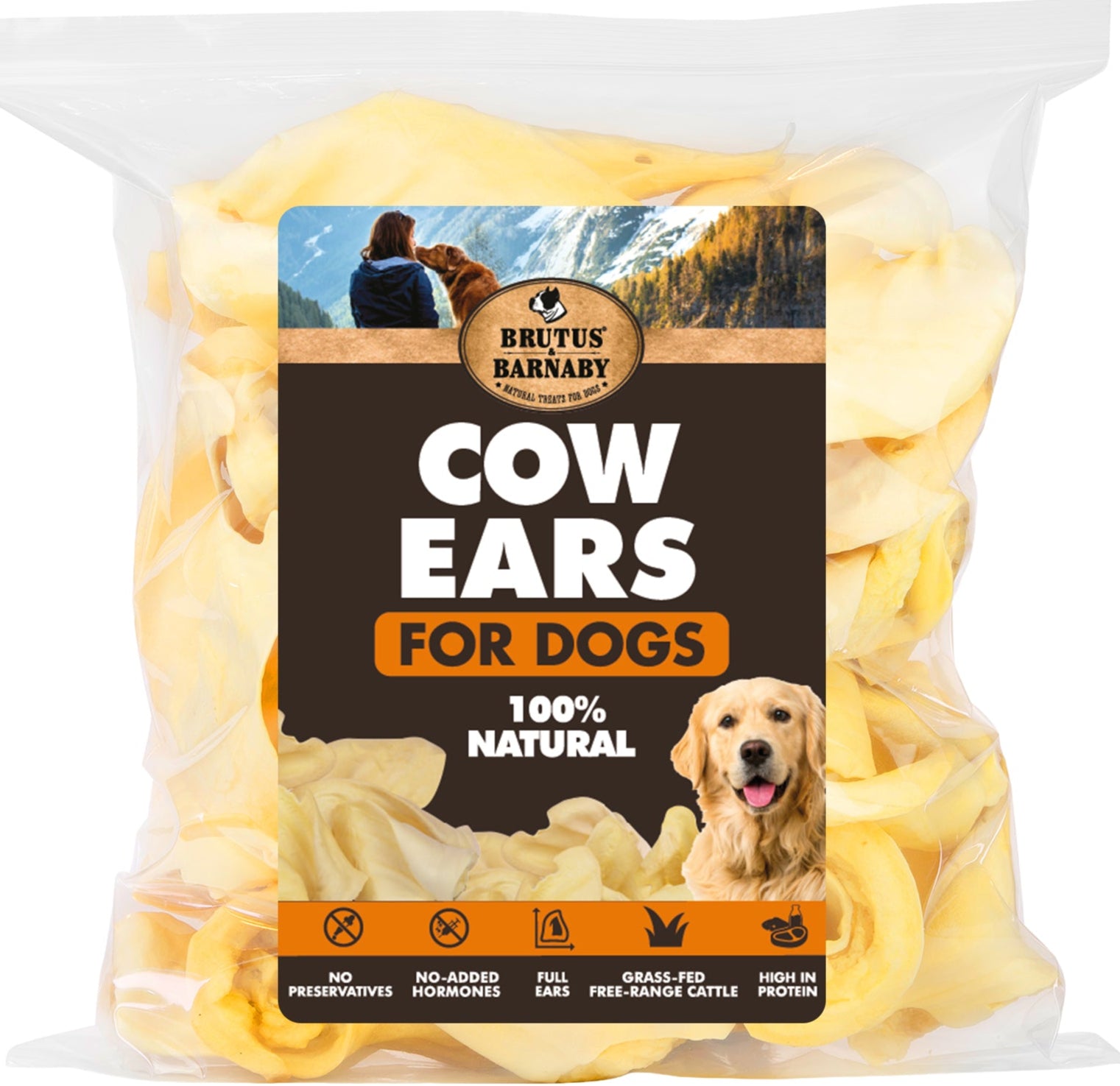
Cow Ears
A lighter daily chew that stores well when kept dry and sealed, making it easier to use gradually within your dog’s treat routine.
- Good daily chew option
- Store in airtight containers
- Keep away from humidity
- Great for moderate chewers
How to Tell If a Chew Has Gone Bad
Throw a chew away if you notice mold or fuzzy spots, a sour or rancid smell, sticky oily residue that was not there before, extreme hardness or brittleness, or your dog suddenly refusing it.
Natural treats like Sweet Potato Slices, Beef Lung, and Cow Ears should smell neutral and look dry — not glossy, sticky, fuzzy, damp, or unusually brittle.
When in doubt, throw it out: no chew is worth the risk if it smells sour, looks moldy, or has changed texture in a strange way.
Treats That Store Especially Well
Some natural treats stay fresh for weeks, or even months, when stored correctly. Bully Sticks, Beef Collagen Sticks, Beef Cheek Rolls, Cow Ears, Cow Ear Slivers, Sweet Potato Slices, and Beef Gullet Sticks all store well when protected from heat and humidity.
Freezing or refrigeration can extend freshness even further, especially if you buy in larger quantities or rotate several treat types in your dog’s routine. You can browse more options in our full collection of natural dog treats and chews.
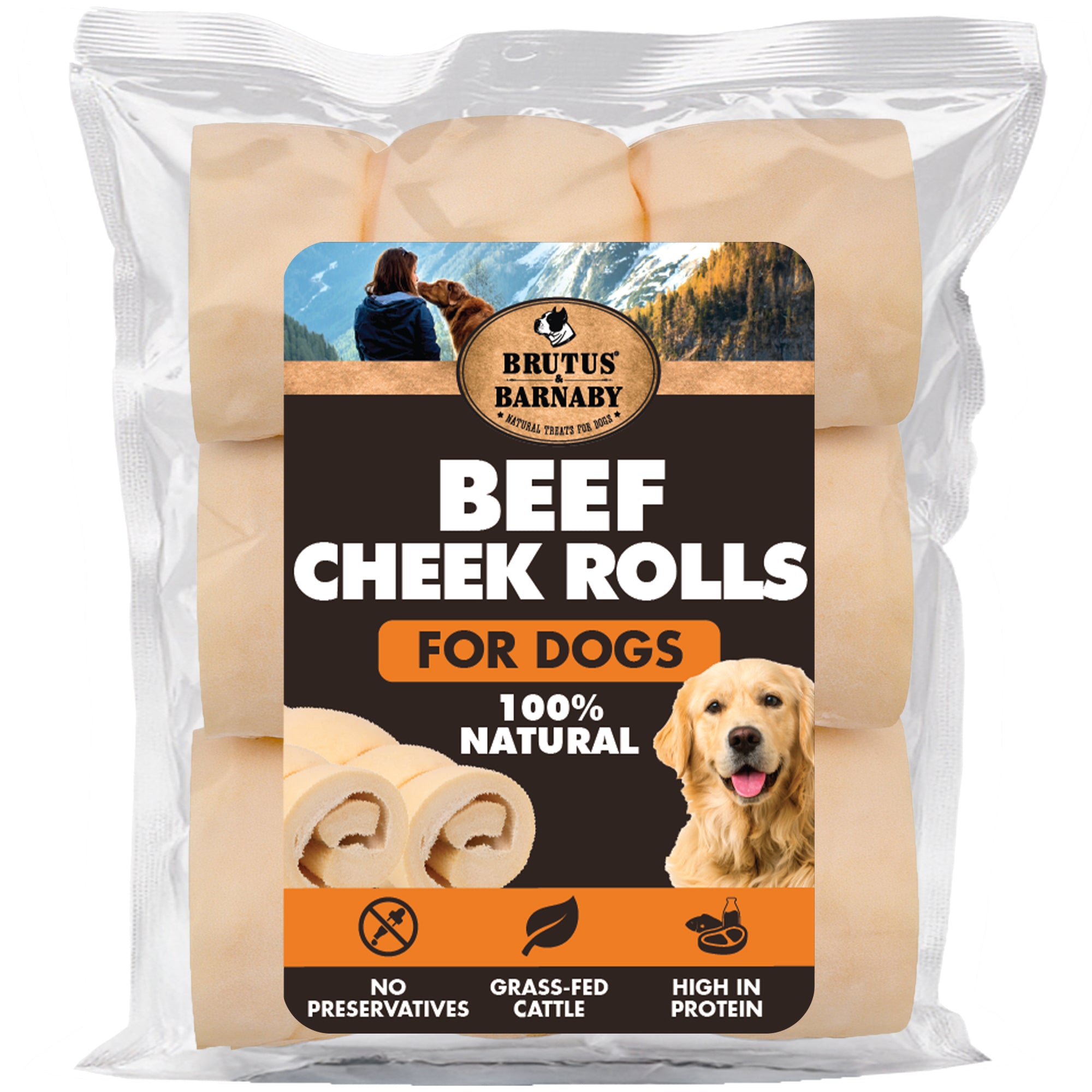
Beef Cheek Rolls
A substantial natural chew that stores well when sealed properly, making it a smart option for supervised long-lasting chew sessions.
- Great for strong chewers
- Stores well when sealed
- Freeze for longer storage
- Rawhide-free chew option
Frequently Asked Questions
Final Thoughts
Storing dog chews properly does not take much effort, but it makes a big difference in freshness, safety, odor control, and how long the treats last. Airtight containers, cool dry storage, and proper handling of half-eaten chews help ensure your dog enjoys every treat safely.
Natural chews like Bully Sticks, Cow Ears, Beef Cheek Rolls, and Sweet Potato Slices last longest when stored correctly and stay just as enjoyable as the day you opened them.
Stock Up on Natural Chews That Store Well
From bully sticks and cow ears to sweet potato slices and beef cheek rolls, Brutus & Barnaby makes it easier to choose natural chews your dog can enjoy safely over time.
Shop Natural Dog Chews
```