



How to Spot Low-Quality Animal Treats
Not every “natural” dog treat is actually good for your dog. Learn how to spot fillers, vague labels, artificial additives, and unsafe textures before they end up in your cart.
With so many dog treats on the market — crunchy biscuits, jerky strips, chews, “natural” snacks — it can be hard to know which ones are actually good for your dog. Low-quality treats often hide behind clever marketing, long ingredient lists, and vague buzzwords.
Knowing how to read labels and evaluate ingredients helps you choose treats that support your dog’s health instead of harming it. This guide explains how to determine whether a dog treat is good, what red flags to look for, how to apply the 90/10 rule, and how to identify treats that may have gone bad.
How to Know If Dog Treats Are Good
High-quality treats usually have simple, recognizable ingredients. The fewer ingredients, the easier it is to understand what your dog is eating. Good signs include single-ingredient treats, no artificial colors, no artificial preservatives, no cheap fillers, and clear sourcing such as USA chicken breast or free-range beef.
What to Be Careful With
What Good Treats Look Like
Single-ingredient treats like Sweet Potato Slices, Beef Lung Bites, Cow Ears, Beef Gullet, and Bully Sticks are easier to evaluate because there is less hidden behind the label.
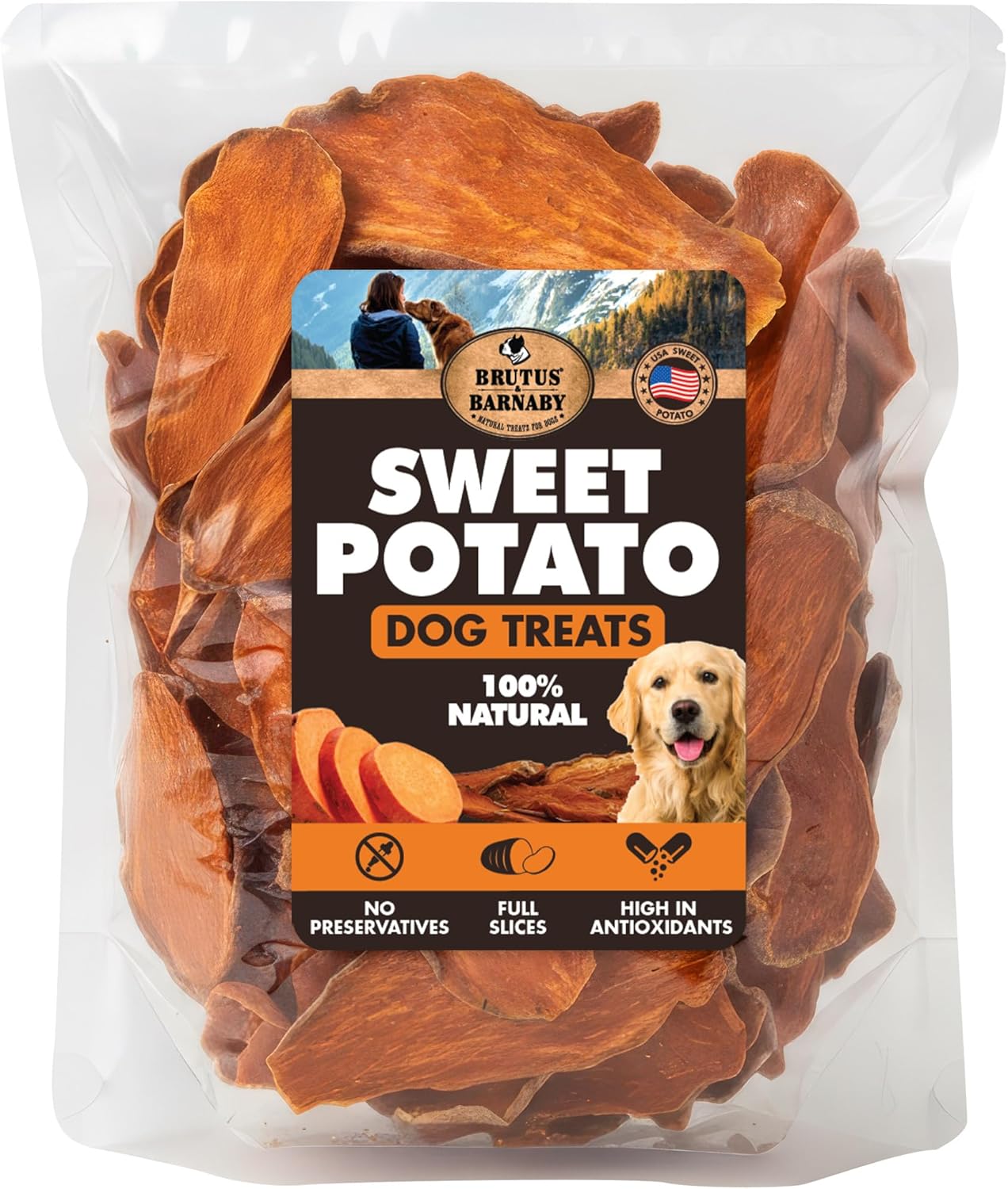
Sweet Potato Slices
A clean, plant-based treat for dog parents who want a short label, recognizable ingredients, and a gentle chewing texture.
- Simple sweet potato treat
- Great for sensitive stomachs
- Chewy texture for light chewers
- Easy ingredient label
Red Flags: What Makes a Dog Treat “Low Quality”?
1. Long Ingredient Lists With Fillers
Watch for wheat, corn gluten meal, rice bran fillers, animal by-product meal, sugars, syrups, and artificial colors like Red 40 or Yellow 5. These ingredients are common in mass-produced biscuits and soft treats that rely more on cost-cutting than nutrition.
2. Artificial Preservatives
Avoid treats containing artificial preservatives like BHA, BHT, or propylene glycol when cleaner options are available. Natural treats like Sweet Potato Sticks or Cow Ears do not need heavy chemical preservatives when they are properly dried and stored.
3. Unclear Protein Source
Labels that say “animal meal,” “meat digest,” or “poultry by-products” are not transparent and often indicate poor-quality sourcing. Better labels tell you exactly what the protein is, such as chicken breast, beef lung, lamb lung, or bison lung.
Label rule: if the brand will not clearly name the protein source, treat that as a red flag. “Meat flavor” is not the same as real meat.
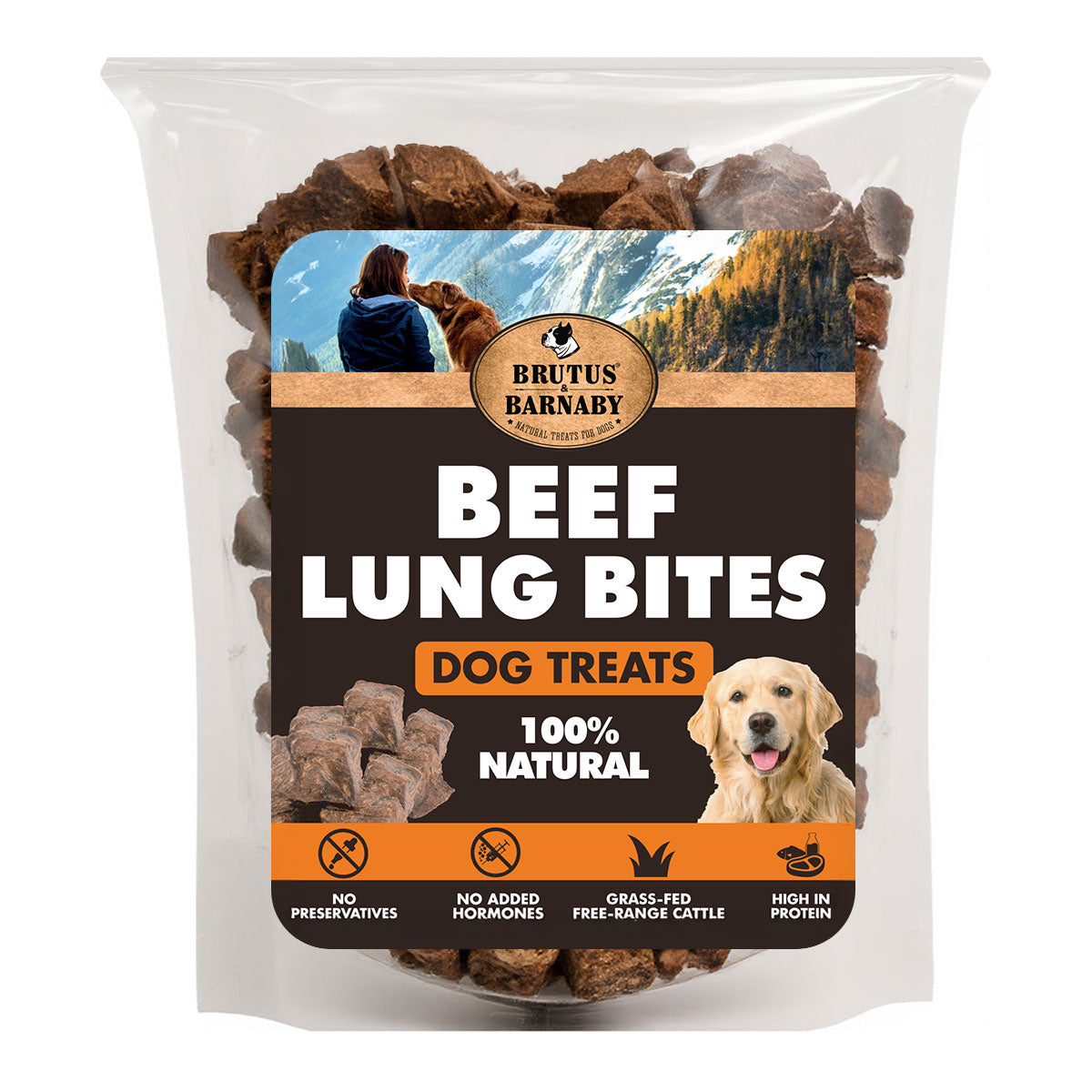
Beef Lung Bites
A simple, protein-rich treat that is easy to understand because the label is built around a clear animal protein source.
- Clear beef protein source
- Easy to break for training
- Light, airy texture
- Simple natural reward
4. “Extra Hard” Chews That Could Break Teeth
Very hard treats like hooves, antlers, and bones are often marketed as “long lasting,” but they can carry a high tooth-fracture risk. Many dental safety discussions use a common guideline: if your fingernail cannot dent the chew, it may be too hard for your dog’s teeth.
Natural, safer alternatives include Beef Collagen Sticks, Bully Sticks, and Beef Cheek Rolls, which offer chewing satisfaction without the same dangerous hardness as bones or antlers. For a deeper breakdown, read our guide on how hard is too hard for dogs.
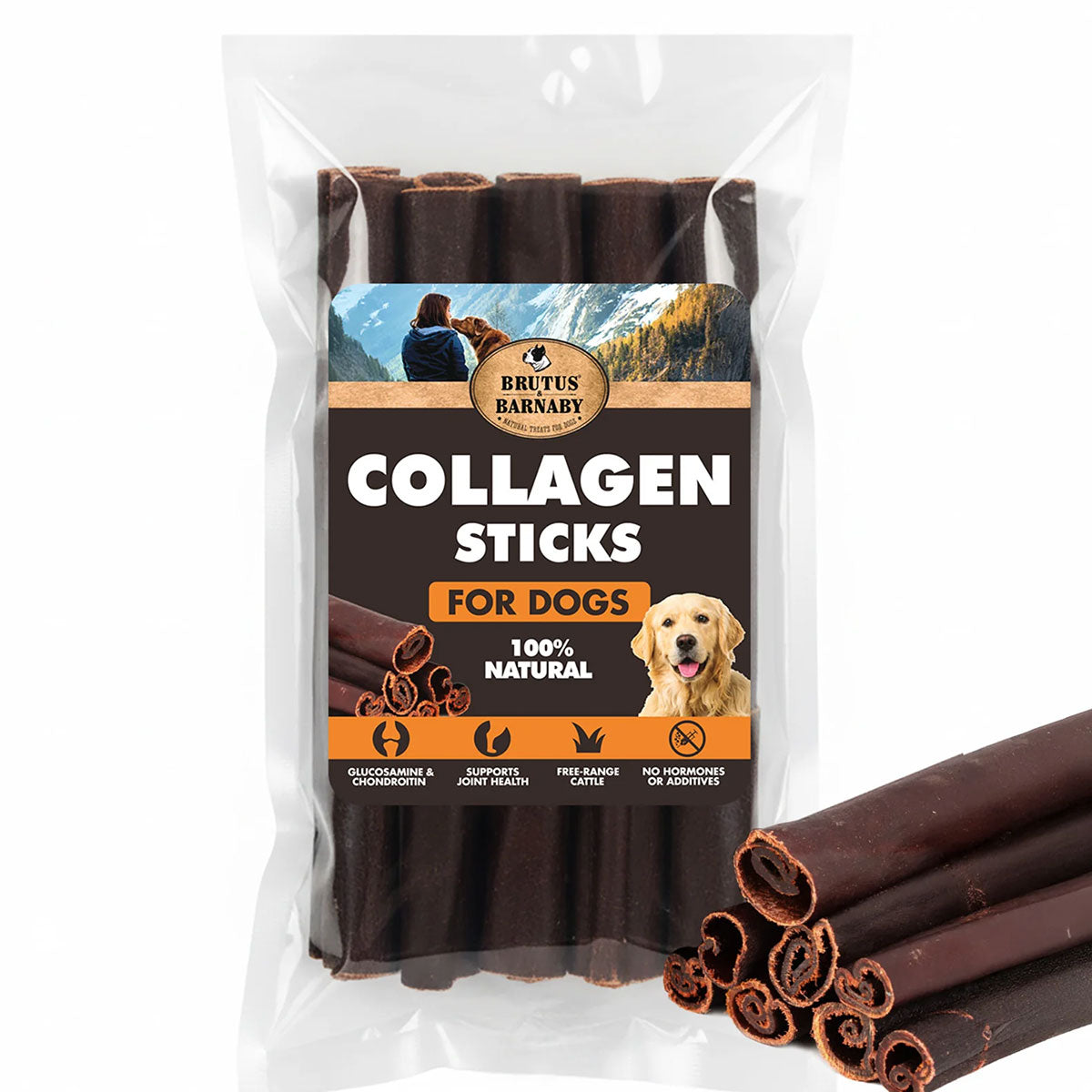
Beef Collagen Sticks
A rawhide-free, digestible chew for dogs who need longer chew time without relying on bones, antlers, or overly hard treats.
- Rawhide-free and digestible
- Great for strong chewers
- Long-lasting chew time
- Better than rock-hard chews
What Is the 90/10 Rule for Dogs?
The 90/10 rule means about 90% of your dog’s daily calories should come from balanced dog food, while 10% or less should come from treats and chews. This helps prevent weight gain, avoid digestive issues, and keep treat calories under control.
Even high-quality treats like Sweet Potato Fries, Cow Ears, or small training bites should stay within this limit. Quality matters, but moderation still matters too.
Simple rule: a good treat should improve your dog’s routine, not replace balanced meals. Use small portions, rotate carefully, and avoid overfeeding even natural treats.
Do Brand Names Matter?
Some treat brands rely more on marketing than quality. Low-quality dog treat brands often share the same issues: unclear imports, mixed-protein by-products, artificial preservatives, heavy processing, or soft treats loaded with sugar or glycerin.
Instead of focusing only on the brand name, focus on ingredients and sourcing. Natural treats from single-ingredient products — such as Beef Lung Bites, Cow Ear Slivers, Sweet Potato Sticks, or Beef Gullet Strips — are much easier to evaluate.
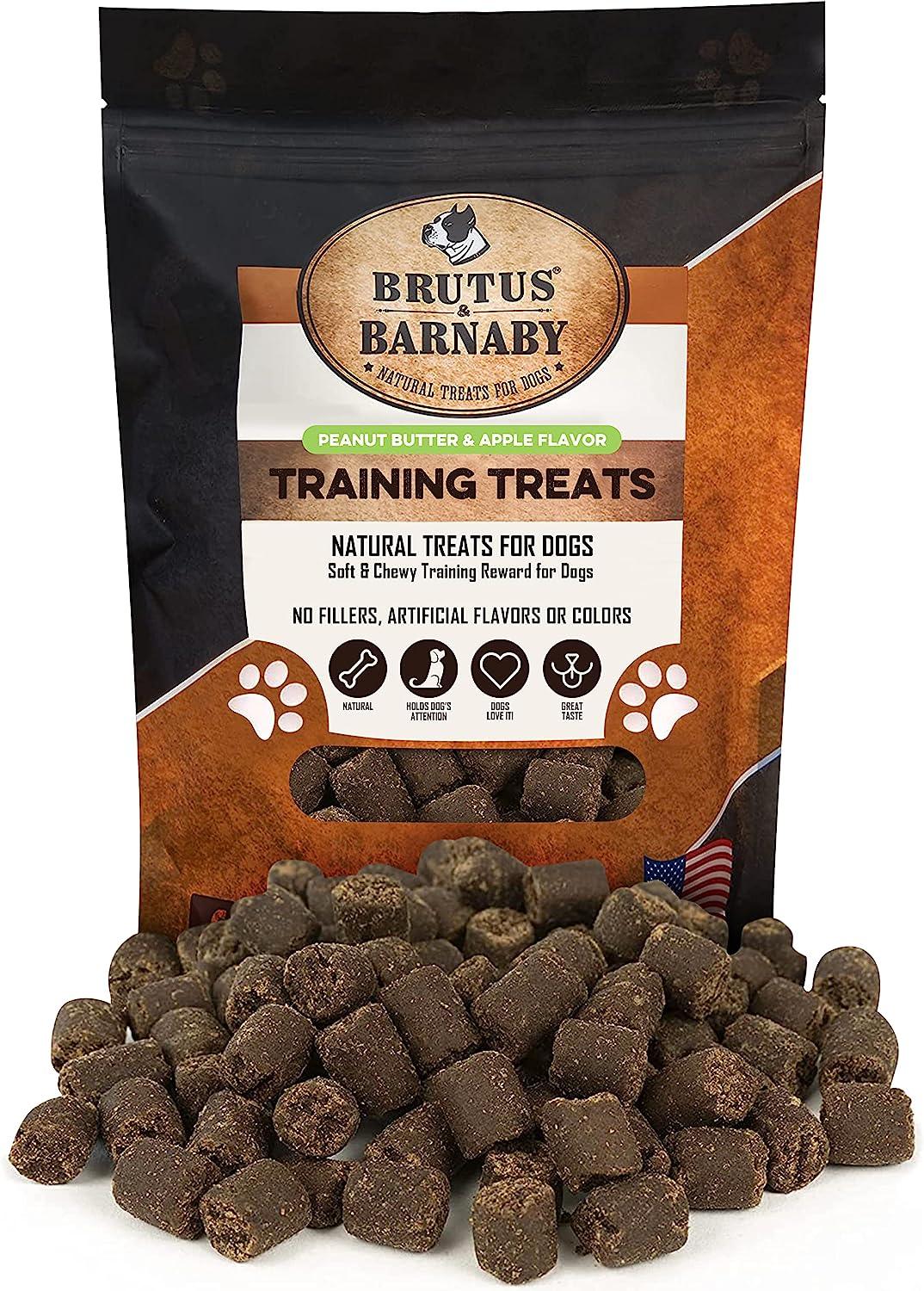
Training Treats — Peanut Butter & Apple
A better choice when you need small, repeatable rewards and want to keep treat portions easier to control.
- Great for training rewards
- Easy to portion
- Better for frequent treating
- Useful for small dogs and puppies
How to Tell If Dog Treats Have Gone Bad
Treats can spoil, especially natural ones without heavy preservatives. Throw treats away if you notice mold or white/green fuzzy spots, sour or rancid smell, slimy or sticky coating, color changes, excess oiliness that was not present before, or your dog suddenly refusing a treat they normally love.
Natural treats like Sweet Potato Slices, Cow Ears, and Beef Lung should smell neutral and remain dry. To extend shelf life, store chews in airtight containers, keep them in a cool dry place, refrigerate soft or semi-moist treats, and freeze long-lasting chews if you buy in bulk.
For more storage tips, read our guide on how to store dog chews properly.
Safer Alternatives to Low-Quality Treats
If you’re trying to avoid processed or filler-heavy snacks, consider switching to natural, simple options such as Sweet Potato Slices, Beef Lung Bites, Cow Ears, Beef Collagen Sticks, and Bully Sticks. These treats offer purity and transparency — nothing hidden, nothing artificial.
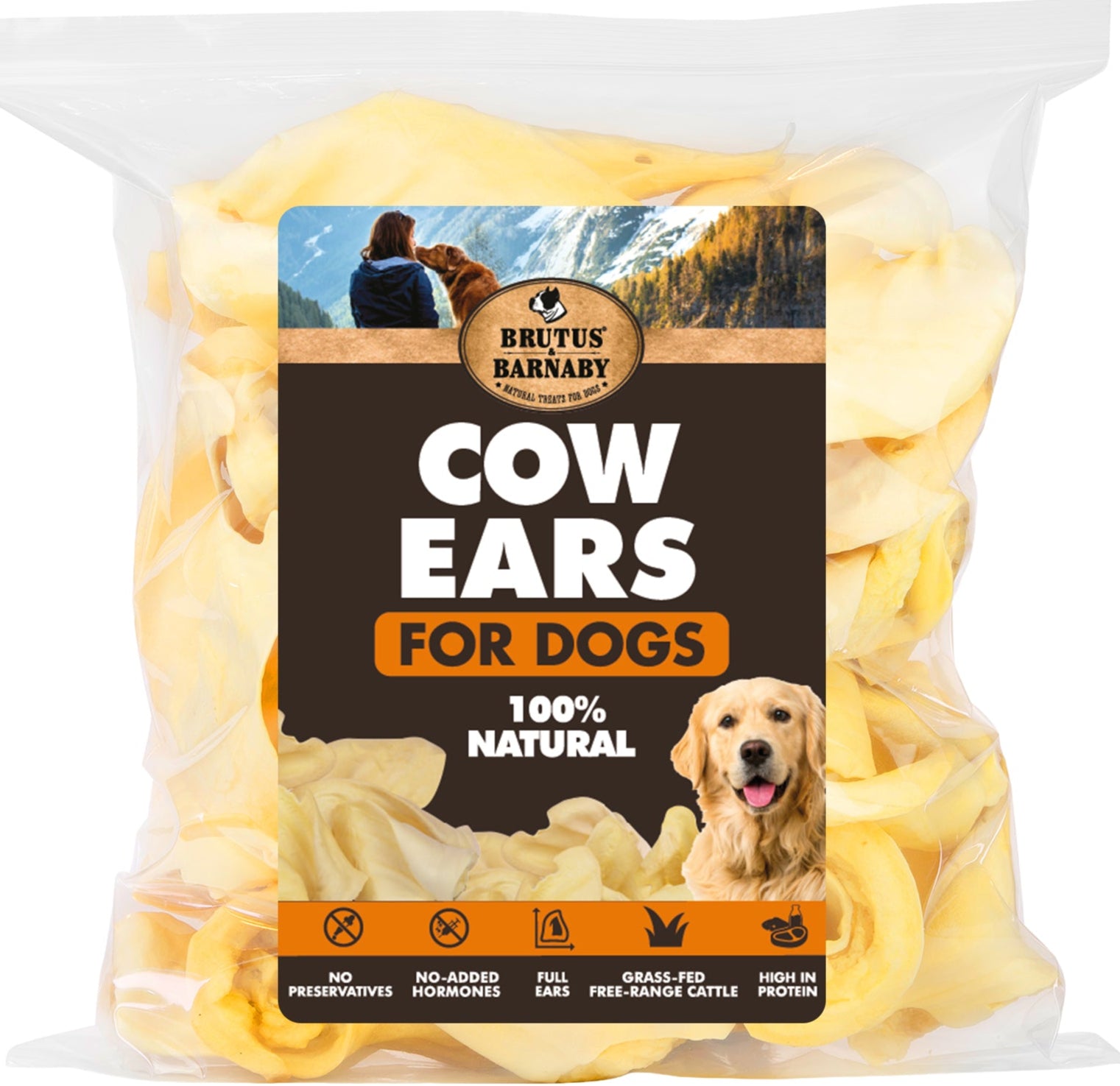
Cow Ears
A simple chew option for dog parents who want a lighter, natural alternative to filler-heavy biscuits and processed treats.
- Light daily chew option
- Simple natural treat
- Great for moderate chewers
- No artificial flavor needed
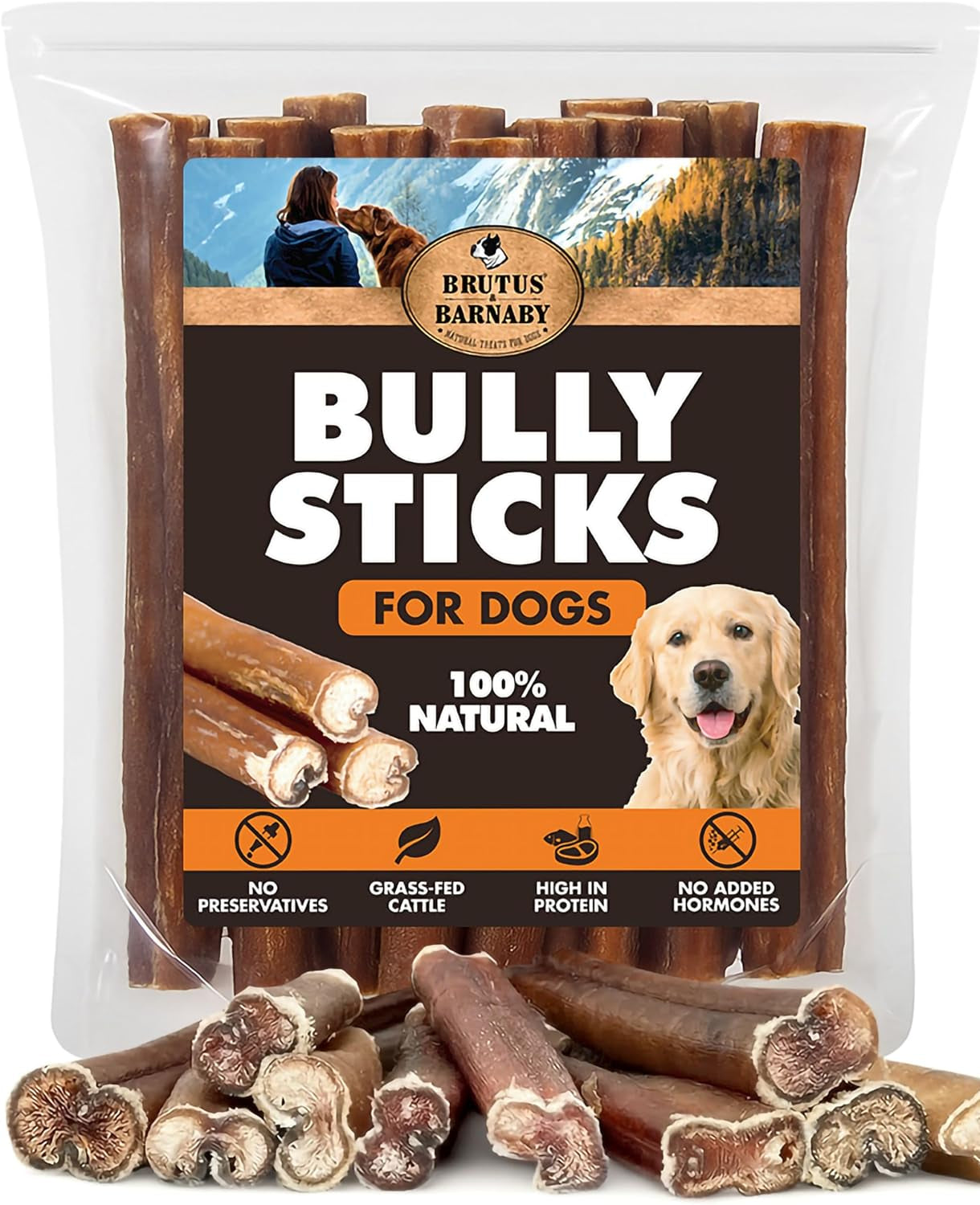
Bully Sticks
A digestible, rawhide-free chew for dogs who need satisfying chew time without artificial fillers or mystery ingredients.
- Fully digestible chew
- Rawhide-free option
- Great for moderate chewers
- Natural chewing satisfaction
Frequently Asked Questions
Final Thoughts
Spotting low-quality animal treats is easier once you know what to look for: simple ingredients, digestible proteins, clear sourcing, and no artificial additives. Stick to natural options and follow the 90/10 rule to keep your dog’s diet balanced.
When in doubt, choose treats with ingredients you recognize — like sweet potato, beef lung, cow ear, or bully sticks — and avoid anything with vague names or chemicals you cannot easily identify.
Choose Treats With Ingredients You Recognize
From sweet potato slices and beef lung bites to cow ears, collagen, and bully sticks, Brutus & Barnaby makes it easier to choose simple treats without unnecessary fillers.
Shop Natural Dog Treats
```