



Dog Treat Storage 101: Keep Chews Fresh Year-Round
Natural dog treats deserve the same care you’d give your pantry staples. Storing them properly helps keep chews fresher, safer, and more enjoyable for your dog through summer heat, winter storage, and everyday snack time.
If you’ve ever found a forgotten bag of bully sticks, chicken jerky, or sweet potato treats in the pantry and wondered whether they were still safe, you’re not alone. Proper dog treat storage is not just about freshness — it helps protect your investment, reduce waste, and make sure every chew you give your pup is as wholesome as the day it arrived.
- Store natural dog chews in a cool, dry place away from direct sunlight.
- Use airtight containers or vacuum-sealed bags to limit air and moisture exposure.
- Hard dried chews usually tolerate pantry storage well, while softer treats need extra moisture control.
- Use the FIFO method — first in, first out — so older treats get used before newer treats.
- Check stored treats regularly for moisture, discoloration, mold, or off smells.
Why Storage Matters for Natural Dog Chews
When we talk about dog treat storage, we’re really talking about respect — respect for the natural ingredients that go into each chew, respect for your budget, and respect for your dog’s health. Natural treats like pig ears, bully sticks, cow ears, beef cheek rolls, sweet potato chews, and air-dried meat treats are made to be simple and wholesome, which means storage matters.
The biggest enemies of fresh chews are moisture, heat, light, and air exposure. When treats sit in an open bag or loose container, they can absorb humidity, lose texture, develop off smells, or go stale faster. For sensitive dogs, spoiled or poorly stored treats may also lead to digestive upset.
Storage Mistakes
Freshness Habits
Simple rule: if a treat smells off, looks unusual, feels damp, or shows any sign of mold, do not feed it. Your dog’s safety matters more than saving one chew.
What Works Best for Different Treats
Different treats have different storage personalities. Hard, dried chews like bully sticks, cow ears, pig ears, beef cheek rolls, and collagen sticks are generally more forgiving because their lower moisture content helps them hold up well in pantry storage. Softer treats, jerky-style treats, and sweet potato snacks benefit from extra protection against air and humidity.
The ideal storage environment for your all treats and chews collection is cool, dry, and protected from sunlight. A pantry shelf away from the stove is usually better than a counter, sunny window, laundry room, or garage.
A Simple 4-Step Dog Treat Storage System
You do not need a complicated setup. A few simple habits can keep natural treats fresher and make your pantry easier to manage.
-
1Choose the right container. Use an airtight glass jar, food-grade plastic container, or vacuum-seal bag. The goal is to reduce air and moisture exposure after opening.
-
2Pick a cool, dry location. Choose a pantry, cabinet, or closet away from sunlight, ovens, dishwashers, windows, and humid rooms.
-
3Label and date the treats. Write the treat type and opening date on the container. This removes guesswork and makes rotation easier.
-
4Use FIFO and check monthly. Put newer treats behind older treats, then inspect your stored chews once a month for moisture, discoloration, or odor changes.
Seasonal Storage Strategies
Summer and winter can change how you store your dog’s treats. In hot or humid months, avoid garages, sunrooms, and windowsills. Heat and moisture can shorten freshness, especially for softer treats. In colder months, pantry storage is usually simple, but still avoid damp basements or areas with temperature swings.
If you rotate between different treat types, introduce variety slowly so your dog’s stomach has time to adjust. Our guide on dog digestive upset from new treats explains how to transition safely. Proper storage also ties directly into value — when you read our dog treat cost comparison, you’ll see why protecting freshness helps you get more from every bag.
Best habit: keep one smaller container for treats you use daily and store backup bags separately. That way, your full supply is not exposed to air every time you reward your dog.
Storage-Friendly Brutus & Barnaby Treats to Keep on Hand
These options work especially well when you want a simple treat rotation at home. Store them in airtight containers, label the opening date, and use the oldest treats first.
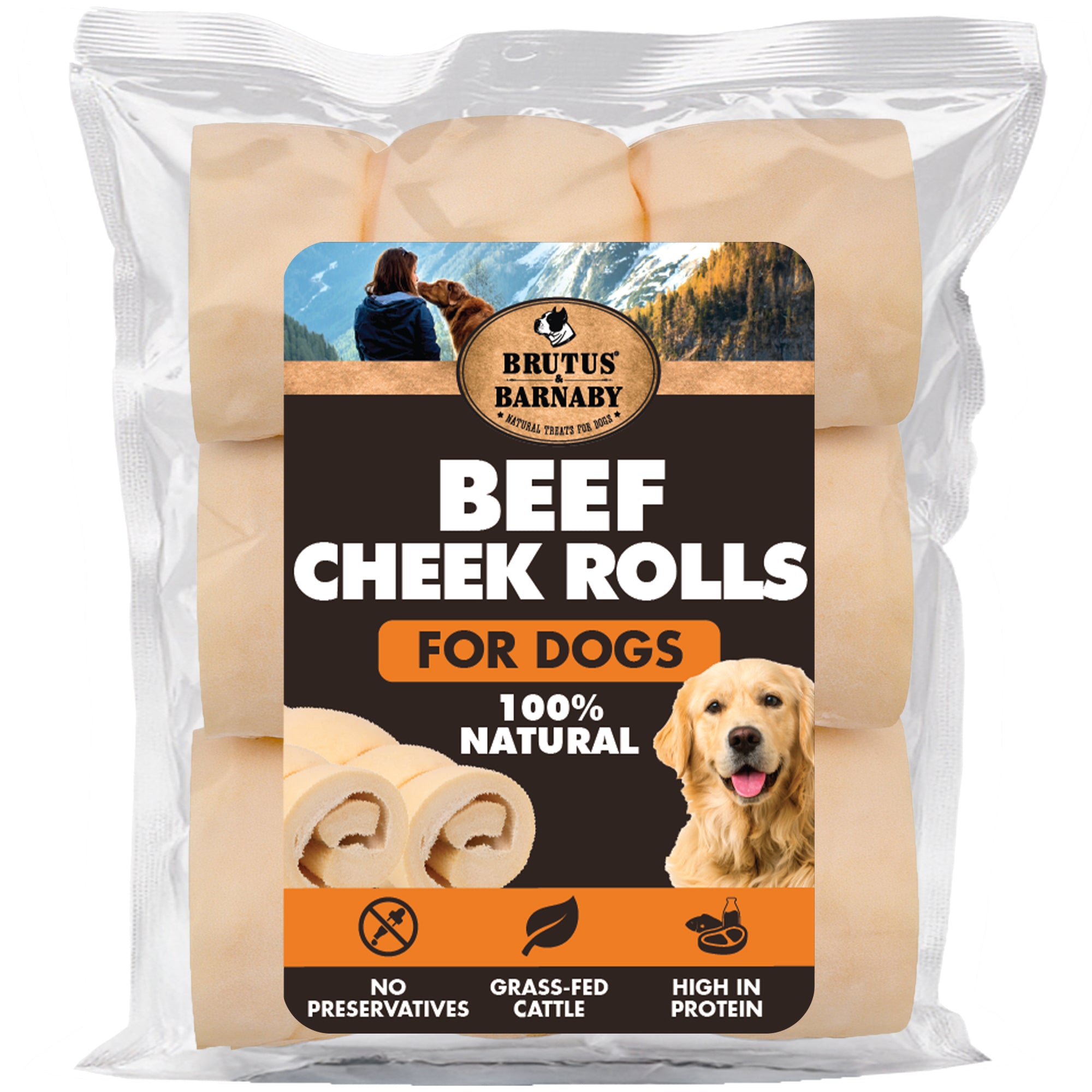
Beef Cheek Rolls
A substantial rawhide-free chew that works well for rotation when stored in a sealed container away from heat and moisture.
- Great for experienced chewers
- Rawhide-free option
- Good for longer chew sessions
- Best stored sealed after opening

Beef Collagen Sticks
A smart everyday chew to keep on hand for supervised chew time, especially when you want a cleaner pantry rotation.
- Rawhide-free and digestible
- Easy to portion by chew session
- Works well in airtight jars
- Great for regular rotation
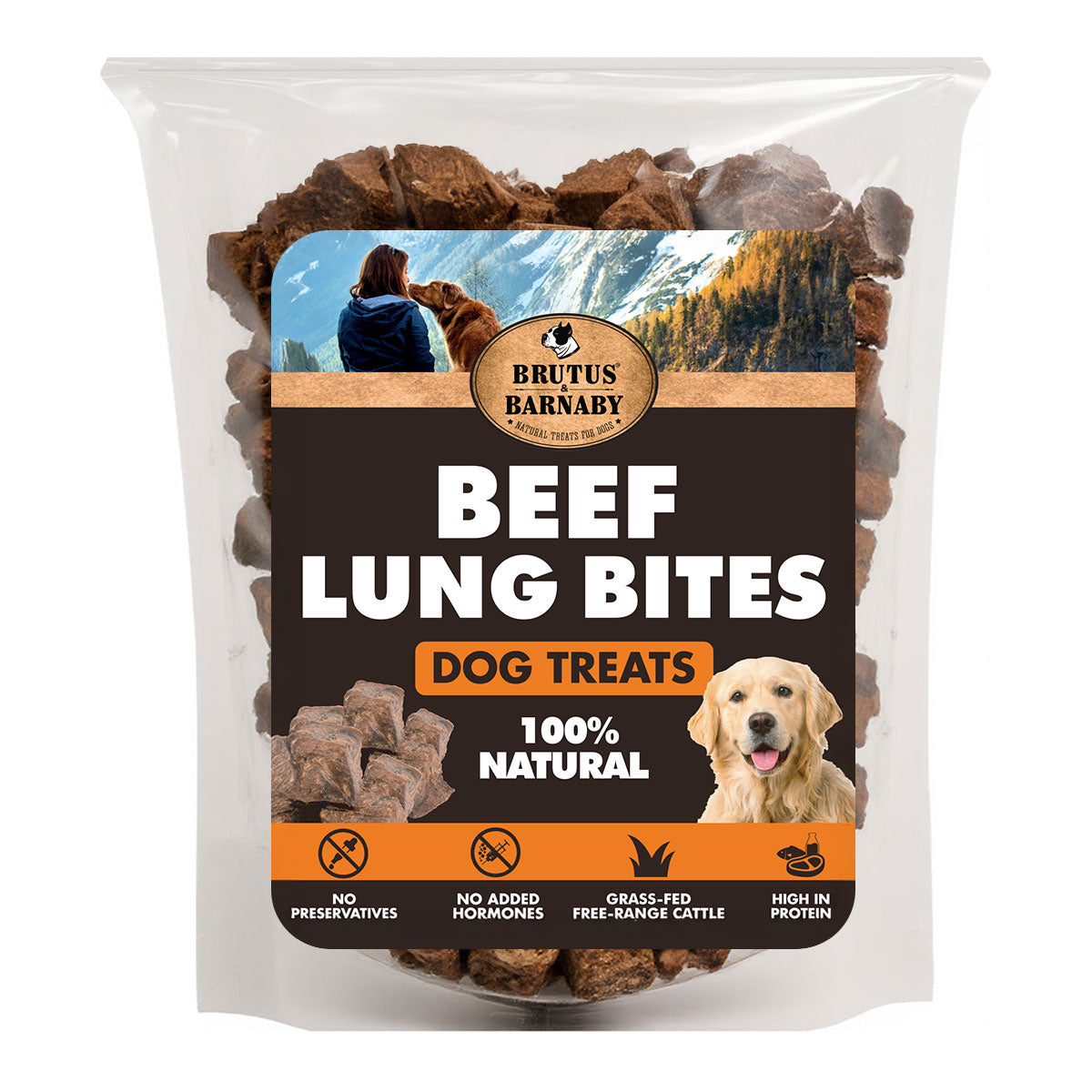
Beef Lung Bites
Light, airy, and easy to reward with, these are ideal for a daily treat jar when kept dry and sealed.
- Light, airy texture
- Protein-rich reward
- Easy for small portions
- Protect from humidity after opening
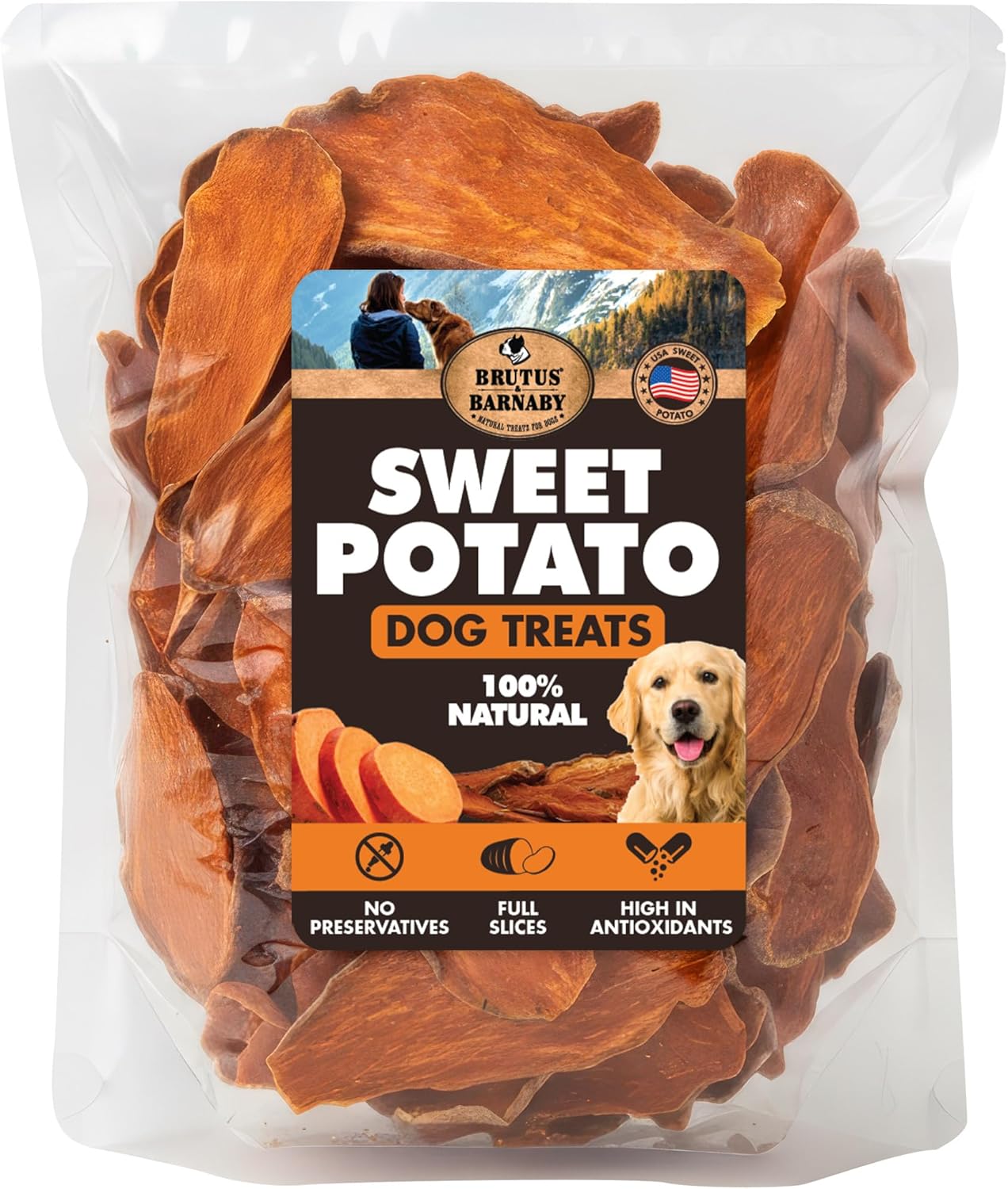
Sweet Potato Slices
A simple fiber-rich option that benefits from extra moisture control once opened, especially in warm or humid homes.
- Simple plant-based snack
- Great for sensitive stomachs
- Easy to rotate with meat treats
- Store sealed to preserve chewiness
Frequently Asked Questions
Keep Fresh Treats Ready for Every Tail Wag
Fresh storage starts with quality treats. Explore natural chews and snacks your dog will love, then keep them sealed, dated, and ready for every reward moment.
Shop Best Sellers