



Chicken Allergy Dog Treats: Safe Alternatives That Actually Work
Chicken can be a problem protein for some dogs, but treat time does not have to feel complicated. Learn how to spot possible food sensitivity signs, read labels carefully, and choose simple chicken-free treats your dog can enjoy.
If your dog scratches constantly, gets recurring ear irritation, chews their paws, or has digestive upset after meals or treats, chicken may be one ingredient worth discussing with your veterinarian. Chicken is not “bad” for dogs, but some dogs do react poorly to it. The good news is that once you know what to look for, chicken-free treat choices become much easier.
Quick note: Food allergies and sensitivities can look similar to environmental allergies, skin infections, or digestive conditions. A strict elimination diet guided by your veterinarian is the most reliable way to confirm a true food allergy.
Common Signs That Chicken May Not Be Working
A chicken allergy or sensitivity can show up in different ways. Some dogs show mostly skin signs, while others show digestive signs. The key is watching patterns: symptoms that flare after chicken-based food, treats, broths, or “natural flavor” ingredients deserve closer attention.
Itching & Licking
- Itchy paws
- Red or irritated skin
- Hot spots
- Face, belly, or ear scratching
Tummy Upset
- Loose stool
- Gas
- Vomiting
- Rumbling stomach
Discomfort
- Restlessness
- Excessive paw chewing
- Less interest in treats
- Lower energy after eating
Allergy, Sensitivity, or Intolerance?
These terms get mixed together online, but they are not identical. Knowing the difference helps you choose treats more carefully and have a better conversation with your veterinarian.
Simple rule: if chicken seems to be a problem, choose treats with short, clear ingredient lists and avoid chicken, poultry meal, chicken fat, chicken broth, and vague “natural flavors” unless the source is clearly stated.
What to Look for in Chicken-Free Dog Treats
For dogs who may react to chicken, the best treat is usually simple: one clear protein source, no poultry ingredients, no mystery meat meals, and no long list of fillers. Single-ingredient treats are especially helpful because there is less label guesswork.
Ingredients to Double-Check
Simple Alternatives
Chicken-Free Treats Worth Trying
These options keep the ingredient list simple and avoid chicken as the main protein. Introduce only one new treat at a time so you can tell what your dog tolerates best.
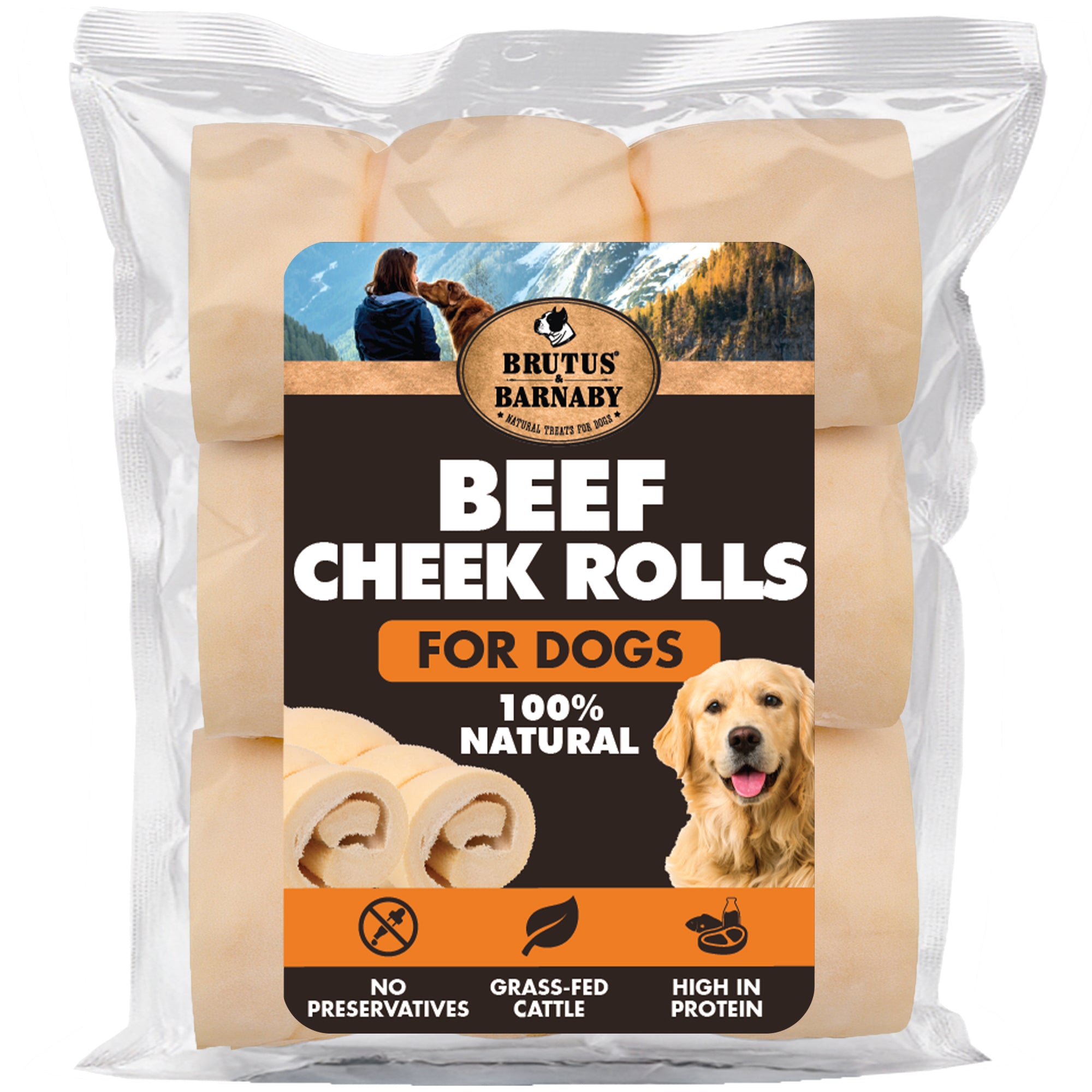
Beef Cheek Rolls
A rawhide-free beef chew for dogs who need something satisfying, durable, and chicken-free.
- Made from natural beef cheek
- Long-lasting chew time
- Rawhide-free
- Best for supervised chewing
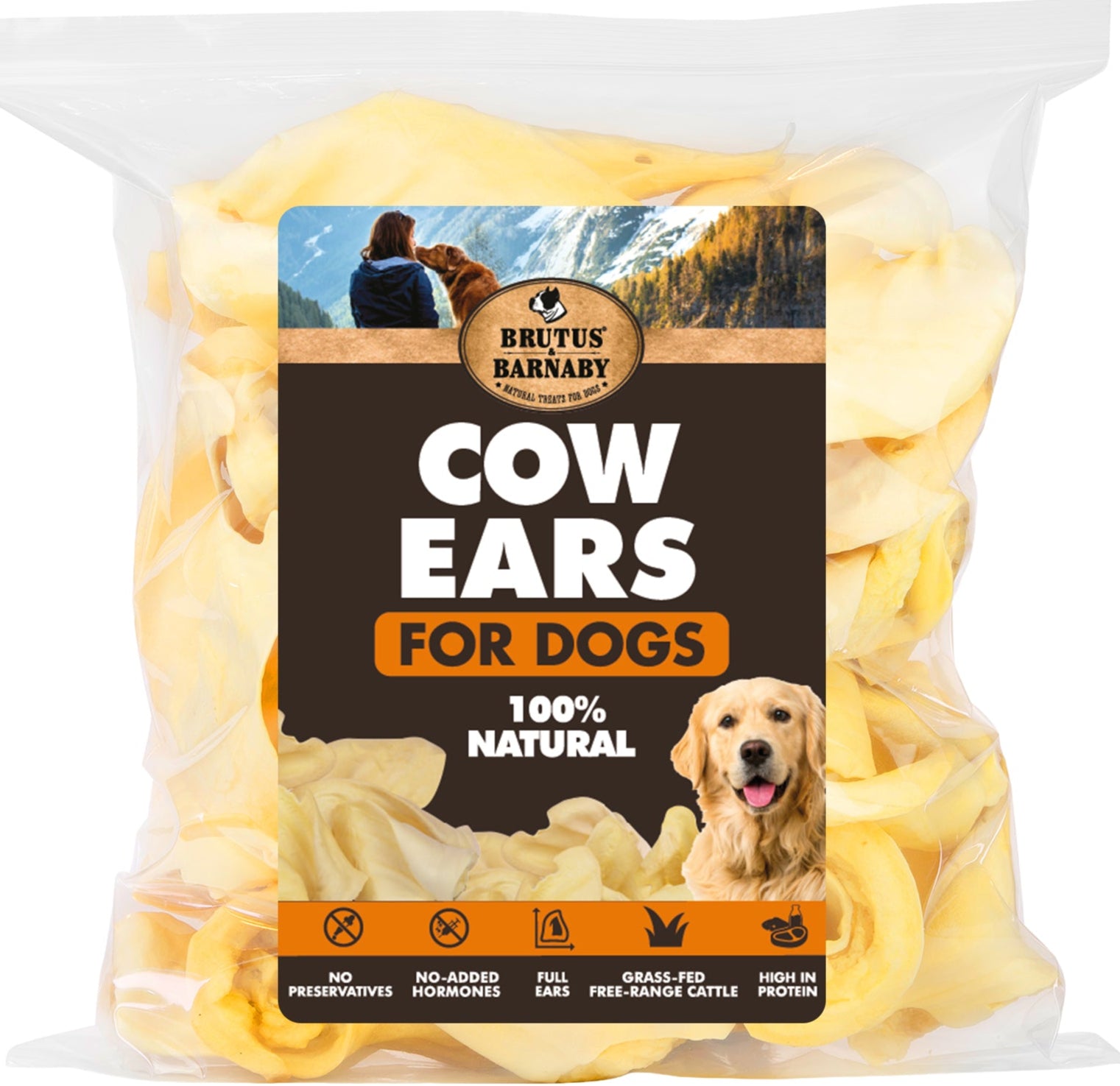
Cow Ears
A lighter beef-based chew for dogs who like ears but need a leaner, single-ingredient option.
- Single-ingredient cow ear
- Rawhide-free
- Leaner than many richer chews
- Good pig ear alternative
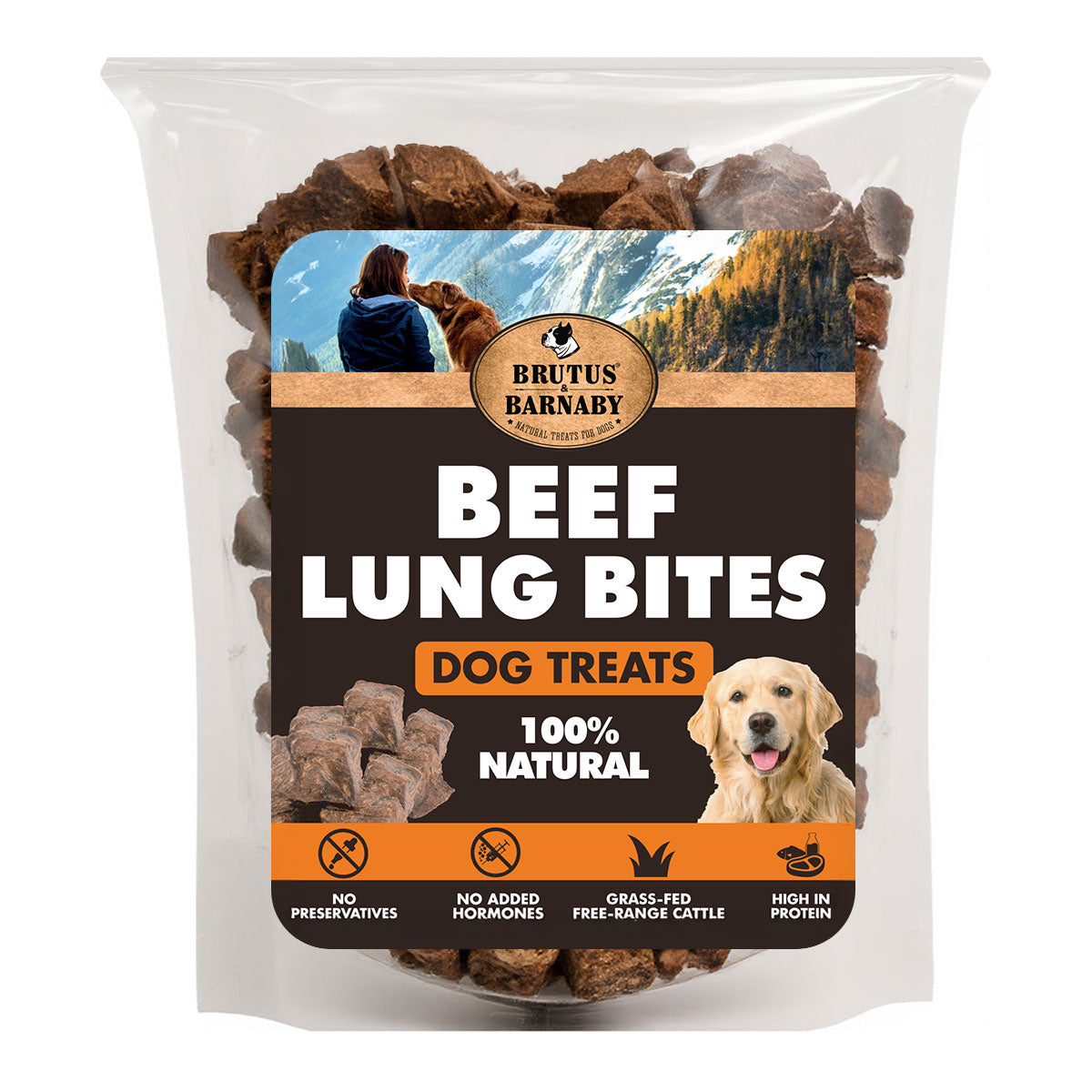
Beef Lung Bites
Crunchy, bite-sized beef treats that work well for training, rewarding, and smaller portions.
- Grain-free and digestible
- Bite-sized pieces
- Great for training
- Easy to portion
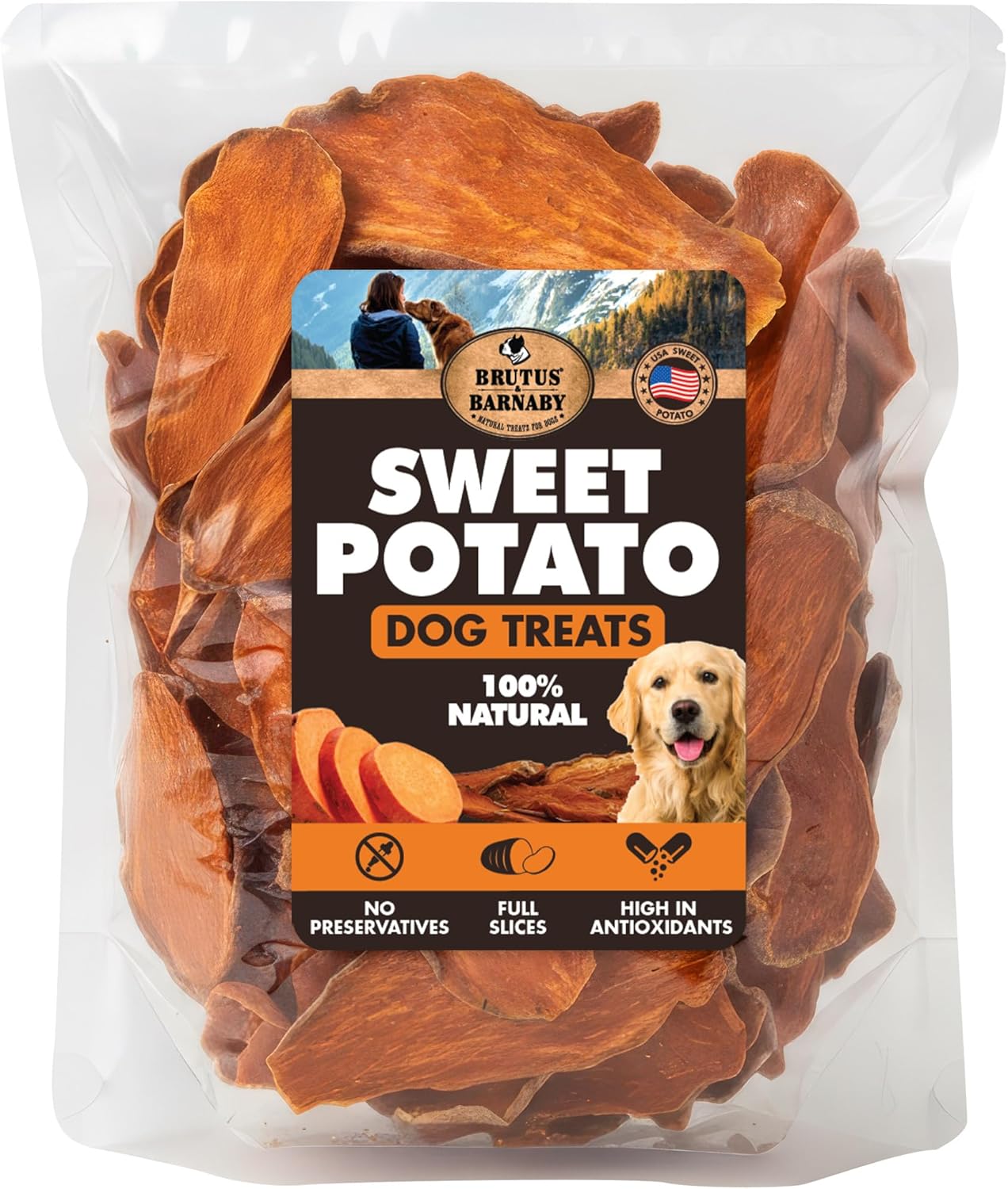
Sweet Potato Slices
A plant-based option when you want to avoid animal proteins during a simple treat reset.
- Chicken-free and plant-based
- Simple sweet potato ingredient
- Chewy texture
- Useful for limited-ingredient routines

Beef Gullet Strips
A high-protein beef chew made for dogs who need a simpler chicken-free chewing option.
- Single-ingredient beef gullet
- Easy-to-chew strip shape
- High protein
- Good for supervised rewards
How to Introduce New Proteins Safely
Once you remove chicken, do not introduce five new treats at once. Choose one alternative, keep portions small, and watch your dog’s skin, ears, stool, and energy over time.
-
1Start with one confirmed chicken-free option. Pick one treat type, such as beef lung bites or cow ears, and avoid mixing multiple new proteins at the same time.
-
2Give a small test portion first. Start with a small amount, especially if your dog has a sensitive stomach or a history of food reactions.
-
3Track symptoms for several days. Note itching, ear redness, paw chewing, stool changes, vomiting, and energy level.
-
4Build a small safe list. If one treat works well, keep it as your baseline before adding a second chicken-free option.
-
5Rotate carefully after tolerance is clear. Once your dog does well with two or three options, rotate them gently to reduce overreliance on one treat.
When to Talk to Your Vet
If your dog’s symptoms are severe, recurring, or not improving after removing chicken, schedule a veterinary visit. Bring the labels or product names of every food, treat, supplement, flavored medication, and chew your dog receives. Food allergens can hide in places pet parents do not expect.
Your veterinarian may recommend an elimination diet using a carefully controlled food. During that trial, no other treats or flavored products should be added unless your vet approves them.
Frequently Asked Questions
Find Chicken-Free Treats Your Dog Can Enjoy
Choose simple, natural treats with clear ingredients, introduce them slowly, and keep treat time joyful without the label confusion.
Shop Natural Dog Treats